REVIEW · MALLORCA
Palma de Mallorca : Must see Walking Tour With A Guide
Book on GetYourGuide →Operated by Guydeez Tours · Bookable on GetYourGuide
Two hours, and Palma makes sense. This private walk is built to help you connect the city’s key sights with real local context, from Old Town streets to major landmarks like the Arab baths. It’s also adjustable on the fly, so the focus can match what you care about most.
I really like how much the guide work shapes the experience. With guides such as Frank and Jorge, the tour can lean hard into history and architecture, and you’ll also get practical local pointers for what to do after you finish walking. That personalized feel is the whole point.
One practical catch: no drinks or food are included, so plan a cafe stop before or after.
In This Review
- Key things to know before you go
- Starting at Pg. del Born: how this 2-hour tour stays efficient
- Palma Old Town with your guide driving the stories
- Plaça de Cort: your quick orientation stop that pays off later
- Convent de Santa Clara (and the “a peu” angle): seeing a calmer pocket
- Arab Baths: the symbol stop that ties eras together
- La Bodeguita del Medio de La Lonja and Guillem Sagrera’s architecture
- Plaça de Santa Eulàlia and Basílica de Sant Francesc: two landmarks that add variety
- Ca’n Joan de s’Aigo: a stop that’s often more memorable than it sounds
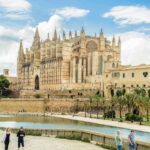
- Palau de l’Almudaina: a major sight you’ll remember even if you skip the guesswork
- Parc de la Mar: finishing with an area that feels open
- What you might get beyond the core landmarks
- Local details you’ll actually use: beyond the sightseeing checklist
- Price and value: why $39 for a private 2-hour walk can make sense
- Who this tour fits best
- Should you book this Palma walking tour?
- FAQ
- FAQ
- How long is the Palma walking tour?
- Where does the tour start and end?
- Is this a private tour?
- What sights will I see?
- Is public transport included?
- What languages are available for the live guide?
- Is the tour wheelchair accessible?
- What is the price?
- Are tickets, food, and drinks included?
- What are the cancellation and payment options?
Key things to know before you go
- Private and exclusive: you won’t share the tour with strangers.
- Customizable route: your guide can shape the stops around your interests.
- Old Town focus, guided stops: you’ll hit the big-name sights you came for.
- Ticket help included: the team can help book tickets for the visits your guide selects.
- Possible extra-cost add-ons: for example, Roman baths may cost extra (3.50 euros pp).
- Multiple languages + wheelchair accessible: guides operate in English, French, Italian, German, and Spanish.
Starting at Pg. del Born: how this 2-hour tour stays efficient
Your tour meets at Pg. del Born, 4 and you return there at the end. That matters more than you’d think. Palma’s Old Town is easy to get turned around in, and having one clear start/end point helps you enjoy the walk instead of playing map detective.
This is designed as a 2-hour format, so the pacing is purposeful. You’ll spend time at key sights, then move along quickly enough to cover several landmarks without turning it into a marathon. There’s also walking plus public transport included (unless you select an option that changes this), which helps you keep your energy for the stops that actually matter.
And because it’s private, the guide can adjust pace for your group. If you want photos, you’ll get pauses. If you want more explanation at one stop, you can ask. That’s the difference between a fixed group tour and something built around you.
You can also read our reviews of more walking tours in Mallorca

Palma Old Town with your guide driving the stories
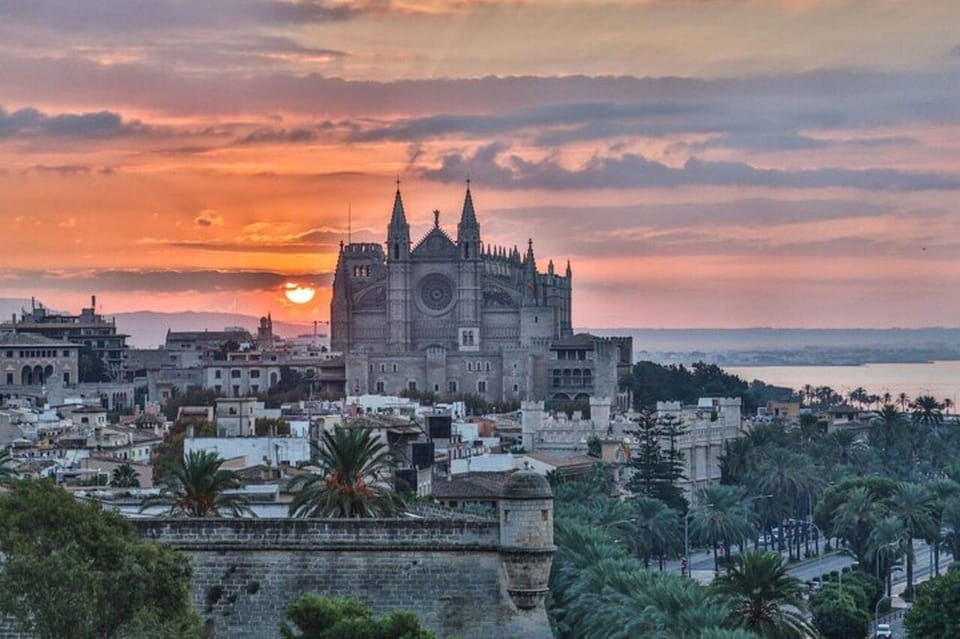
The tour begins right in Palma Old Town, where the street-level view is the whole “museum.” Your guide’s job here is to turn scattered landmarks into a single storyline, so you’re not just looking at buildings—you’re learning what you’re looking at while you walk.
Old Town tours can go two ways: either they rattle off facts, or they help you notice what’s different. The best part of this experience is that your guide’s familiarity lets them point out what matters as you go. You’ll also get plenty of time for the sights you want, plus small detours to areas and venues that you’d likely miss on your own.
Plaça de Cort: your quick orientation stop that pays off later
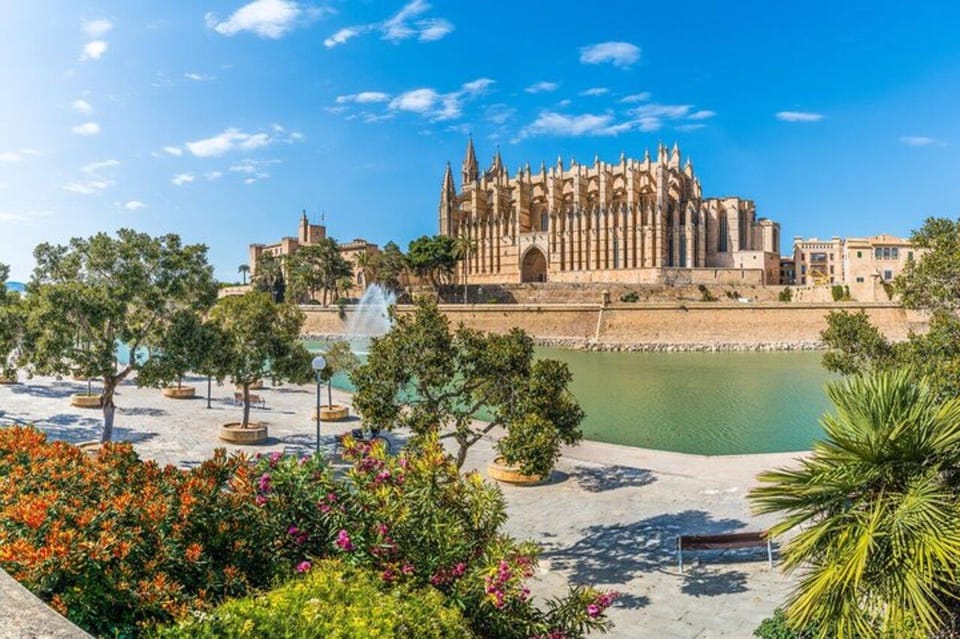
Next up is Plaça de Cort, a major square where your guide usually sets the tone for how to read Palma. Even if you’ve never been before, this is a strong place to get your bearings fast.
In practical terms, a stop like this works because it helps you understand the city’s rhythm. Squares are where foot traffic funnels, where people naturally gather, and where you can spot the big landmarks in context. Once you’ve seen it with a guide explaining what you’re seeing, the rest of the walk feels more connected instead of like separate photo stops.
Convent de Santa Clara (and the “a peu” angle): seeing a calmer pocket
You’ll visit Convent de Santa Clara (and depending on the route, you may also hear it referred to as Convent de Santa Clara a peu). A convent stop changes the pace of a walking tour. Even when you’re still moving, the atmosphere tends to slow your brain down.
The value here isn’t about checking a box. It’s about contrast: after busy squares and headline landmarks, you get a chance to experience Palma’s quieter side with a guide who can frame why this kind of place is part of the city’s identity.
If your interests run toward architecture, structure, and atmosphere, this is one of the stops that makes the tour feel worth it even when you’re short on time.
Arab Baths: the symbol stop that ties eras together
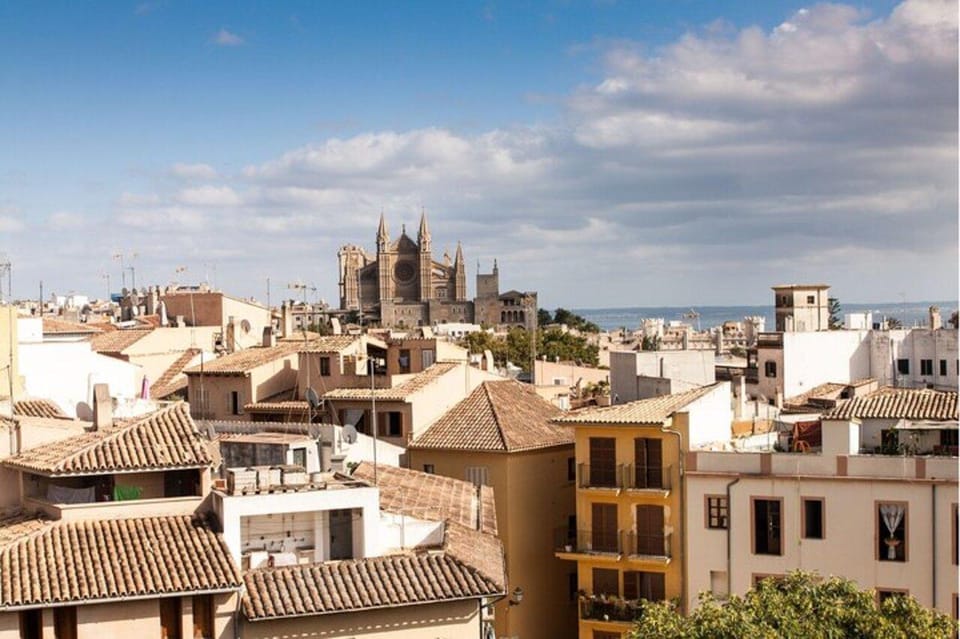
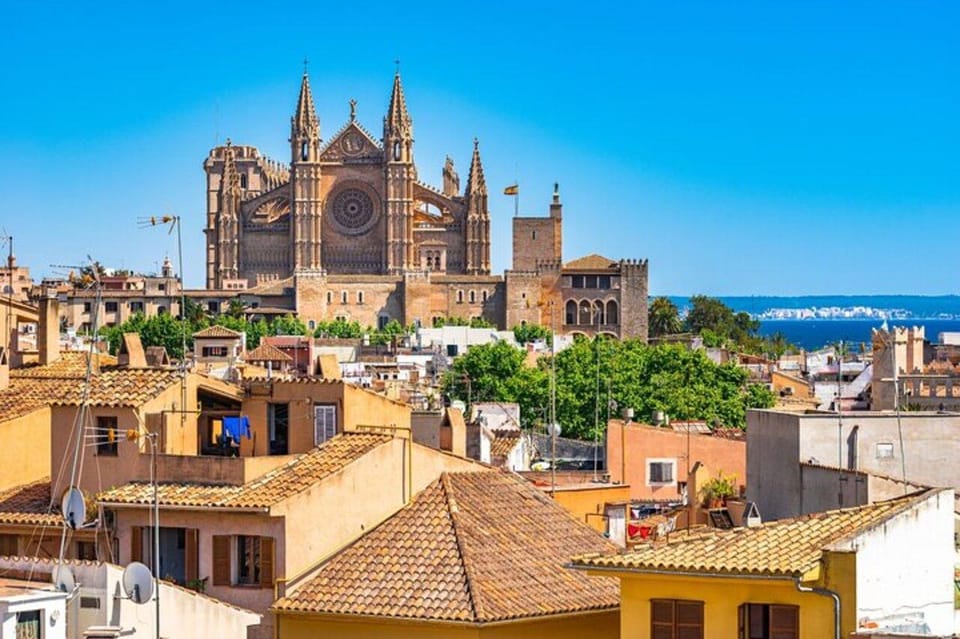
One of the most memorable segments is the Arab Baths, Palma de Mallorca. The tour description calls them a symbol of Mallorca’s history, and that’s exactly why they’re worth including. This isn’t just a name on a route map. It’s a “meaning” stop—somewhere the guide can help you connect the present-day city to older layers beneath it.
Guided stops like this work because they keep you from treating history as trivia. You walk in, you look, and your guide gives you a framework for what you’re seeing and why it matters. That’s a big part of why people rate this tour so highly: it turns key landmarks into real understanding instead of quick sightseeing.
You can also read our reviews of more guided tours in Mallorca
La Bodeguita del Medio de La Lonja and Guillem Sagrera’s architecture
Next comes La Bodeguita del Medio de La Lonja, designed by Guillem Sagrera. The emphasis here is on striking architecture, and your guide’s role is to help you notice what makes that design recognizable.
This is also a good stop for anyone who enjoys “how places look when they’re designed to be used.” Even if you don’t know architectural terms, the guide can translate what you’re seeing into clear takeaways. That’s especially helpful in a city like Palma, where different styles show up close together.
If you love cities where the details matter, this is a strong highlight.
Plaça de Santa Eulàlia and Basílica de Sant Francesc: two landmarks that add variety
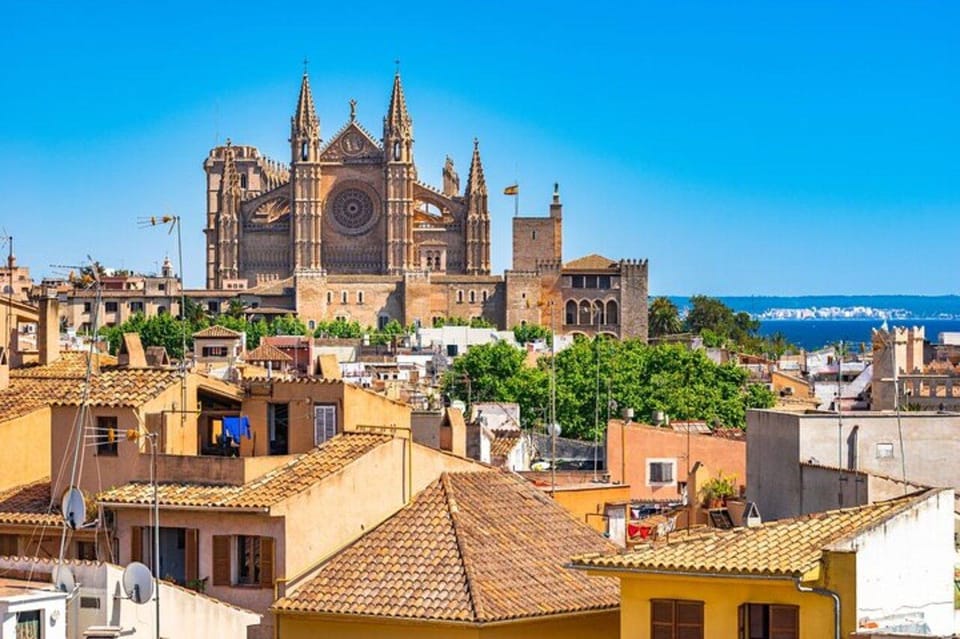
The tour then moves to Plaça de Santa Eulàlia and Basílica de Sant Francesc. These stops diversify the walk: squares give you open sightlines and a sense of the city’s flow, while a basilica stop gives you a different kind of atmosphere and visual focus.
A guide helps here because they can keep you from treating each stop as isolated. You see one landmark, then another, and your guide stitches them together so the walk feels like a single route rather than five unrelated locations.
If you’re the kind of person who likes to understand how a city’s “center” works culturally, these are perfect anchors in the middle of the tour.
Ca’n Joan de s’Aigo: a stop that’s often more memorable than it sounds
Ca’n Joan de s’Aigo is included as a possible stop depending on the route. That flexibility is useful. It means the guide isn’t locked into a rigid checklist and can choose what best matches your interests that day.
Even without extra details beyond the name, this kind of landmark stop usually stands out because it’s more specific and local than the super-famous tourist targets. Your guide’s explanation is what transforms it from a random photo location into a meaningful part of your Palma story.
Palau de l’Almudaina: a major sight you’ll remember even if you skip the guesswork
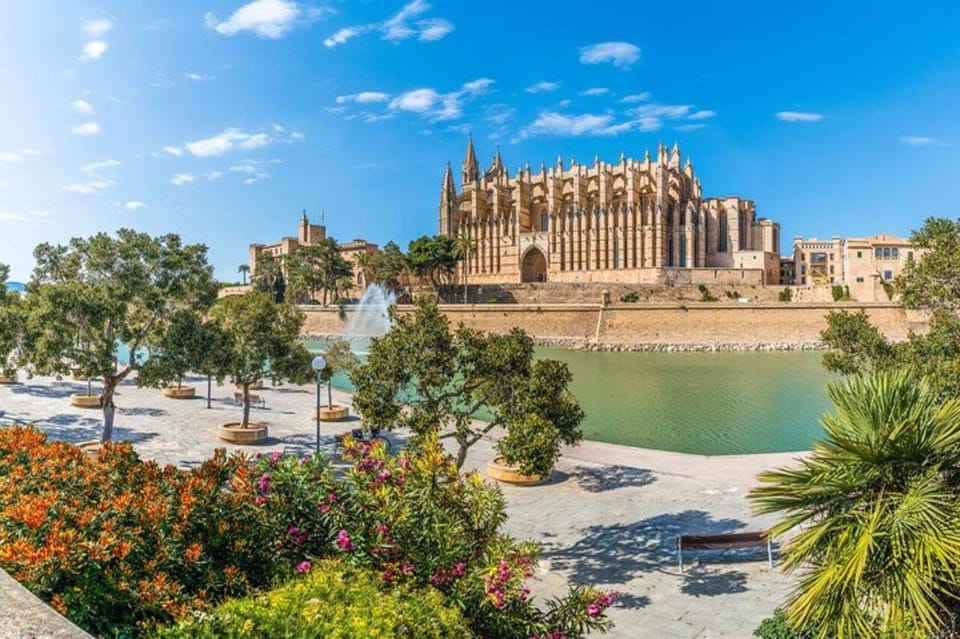
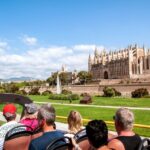
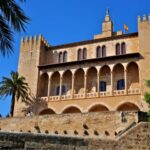
You may also visit Palau de l’Almudaina, Palma, another guided stop that tends to stick in your memory because it’s a recognizable “headline” building. Again, the guide matters: they help you look with purpose instead of guessing what matters.
This is a great point in the tour to ask questions if you have them. Since the tour is private, you can steer your guide toward what you want—architecture, history context, or practical advice for where to go next.
Parc de la Mar: finishing with an area that feels open
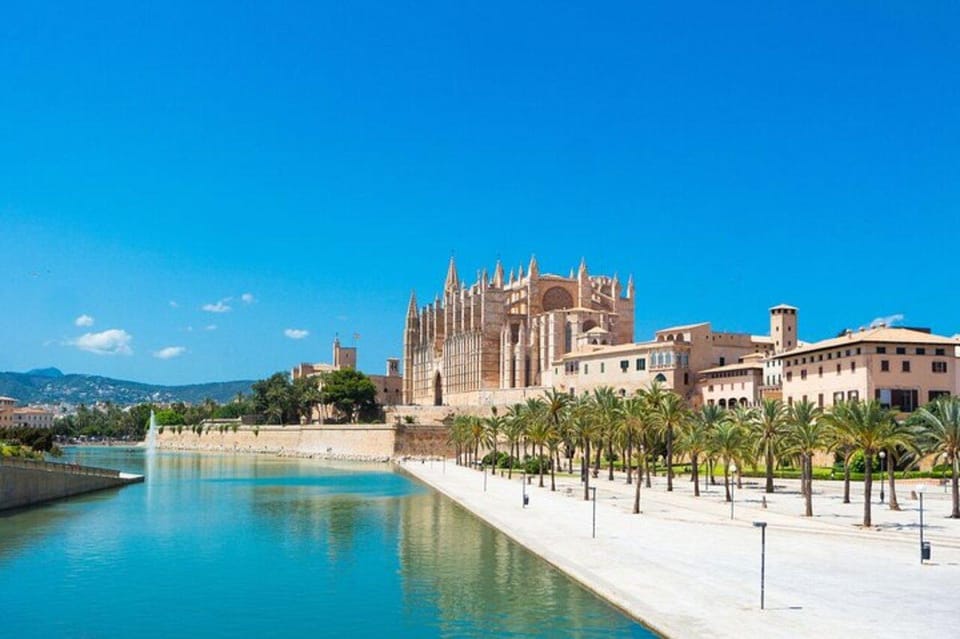
Finally, the tour includes Parc de la Mar. Whether you experience it as a calm pause or just a good walking corridor before heading back, it gives the tour a natural “closing” feel. You’re not ending on something stressful or hard to enjoy. You’re wrapping up in a space that makes the whole route easier to absorb.
And then you head back to Pg. del Born, 4.
What you might get beyond the core landmarks
Routes can vary. The tour description says your guide may include glimpses of places like Playa de Cala Mayor, along with the Santa Clara convent, Palau de l’Almudaina, and Parc de la Mar. That flexibility is a quiet advantage, because it helps the guide adapt to what’s most interesting and practical that day.
Also, some guides may add extra visits with separate costs. One example: Roman baths can be included for an extra 3.50 euros pp, and in that case they’re described as offering a sense of calm with interior gardens. If you’re the type who enjoys a slower, quieter stop, this is exactly the kind of add-on worth asking about while you’re on the walk.
Local details you’ll actually use: beyond the sightseeing checklist
The best guides don’t just show you where to look. They explain how to read the city.
From the guide experiences shared for this tour, a big standout is how they connect Palma to daily life and local crafts. For instance, Jorge introduced a traditional Mallorcan fabric motif and talked about espadrilles and shoes. That kind of detail changes how you shop and explore after the tour. You notice what you see in storefronts. You understand why certain patterns and styles matter.
You’ll also get valuable advice about other things to do in Palma. That’s one of the strongest reasons a guided walk beats a self-guided route when you only have a short window.
Price and value: why $39 for a private 2-hour walk can make sense
At $39 per person for a 2-hour private tour, the value comes from a few practical ingredients:
- Private, exclusive means you’re not competing for attention or stuck with a group pace.
- You get a guided tour at multiple major sights, not just one “big” stop.
- Public transport is included as part of the experience (except if you choose an option that changes this).
- The provider team can help book tickets for the visits your guide wants to include.
The one thing to watch: food and drinks aren’t included. So if you’re the type who likes to snack during tours, plan your timing. Also, some stops may have separate ticket costs (like the Roman baths add-on example), so it’s smart to ask your guide what’s included versus what’s optional.
If you’re traveling with limited time and you want Palma to feel coherent instead of random, a guided format at this price point can be a smart way to buy time and reduce guesswork.
Who this tour fits best
This is a strong match if you:
- want a history and architecture focus without reading guidebooks for hours
- prefer the flexibility of a customizable private walk
- like getting local advice at the same time you see the big landmarks
- want to cover several sights in two hours instead of spending a whole day planning
It also works well for first-timers because it gives you a structured route through the parts of Palma you’ll probably want to return to later on your own.
Should you book this Palma walking tour?
Book it if you want a private 2-hour introduction to Palma that connects the most important sights into a single story, and you’ll appreciate a guide who can tailor the focus. The “ask what you care about” approach (like the way Jorge shaped the route around history and architecture) is exactly the kind of flexibility that makes a short tour feel satisfying.
Skip it only if you know you want a slower, long-stay format at a single site. This tour is built to move and cover multiple landmarks. If you want to linger for hours in one place, you’ll get more from pairing this with free time afterward.
FAQ
FAQ
How long is the Palma walking tour?
It lasts 2 hours.
Where does the tour start and end?
It starts and ends at Pg. del Born, 4.
Is this a private tour?
Yes. It’s described as private and exclusive, with no one else in your group.
What sights will I see?
You’ll cover key Palma landmarks such as Palma Old Town, Plaça de Cort, Convent de Santa Clara, Arab Baths, La Bodeguita del Medio de La Lonja (Guillem Sagrera), and you may also visit Plaça de Santa Eulàlia, Basílica de Sant Francesc, Ca’n Joan de s’Aigo, Palau de l’Almudaina, and Parc de la Mar, depending on the route.
Is public transport included?
Yes. The experience includes a walking tour and public transport, except if you select an option that changes this.
What languages are available for the live guide?
The guide is available in English, French, Italian, German, and Spanish.
Is the tour wheelchair accessible?
Yes, the tour is listed as wheelchair accessible.
What is the price?
The price is $39 per person.
Are tickets, food, and drinks included?
Food and drinks are not included. The description also notes help booking tickets for the visits you want, but the tour doesn’t list tickets as included for everything.
What are the cancellation and payment options?
You can cancel up to 24 hours in advance for a full refund, and there is a reserve now & pay later option.