REVIEW · MALLORCA
Palma de Mallorca: Walking Tour, Cathedral & Local Tasting
Book on GetYourGuide →Operated by Tours For Today · Bookable on GetYourGuide
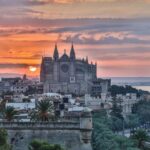
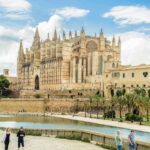
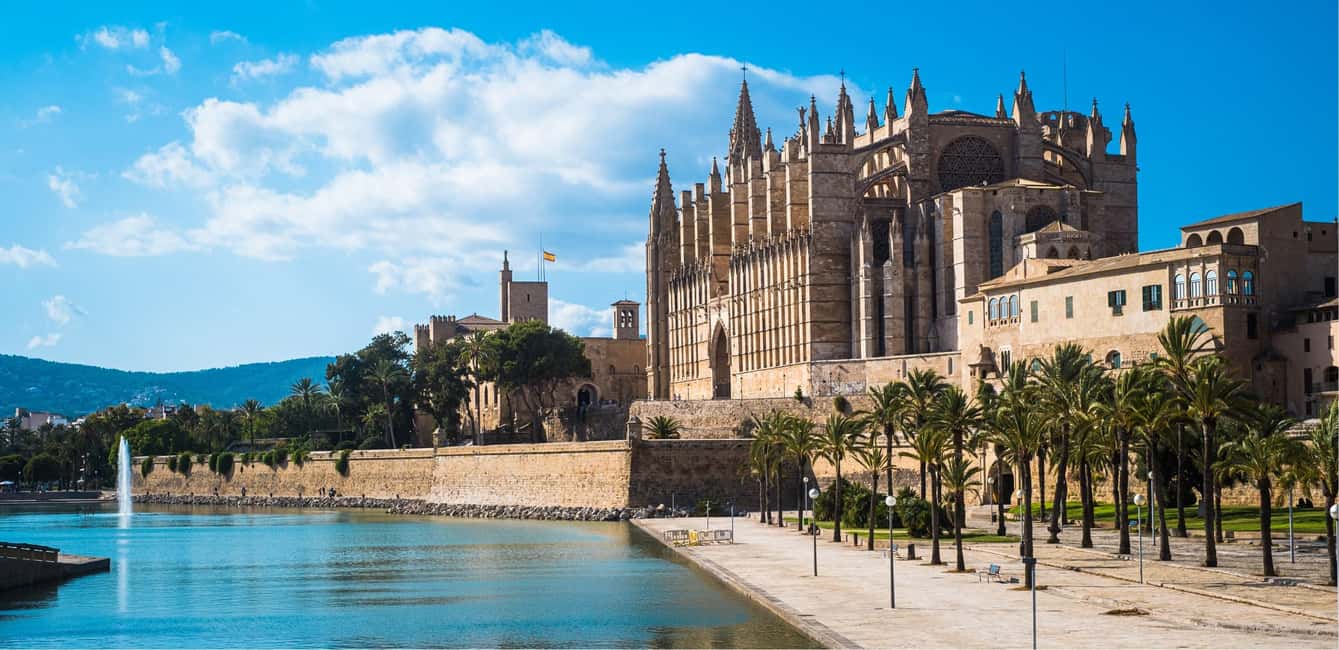
Palma feels like it was built for storytelling, and this walk keeps it moving. You’ll see the big sights without wasting time, finishing at the jaw-dropping La Seu cathedral after a pastry break and several “wait, how does that work?” historical moments.
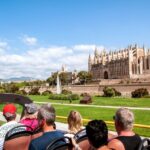
I like that it’s a small group (15 max), so you’re not stuck listening over a shoulder-checking crowd. I also like how the tour turns architecture into plain human history, with guides like Violetta, Carla, Isabelle, and Sophia using context and legends to connect the dots. One heads-up: on Sundays the cathedral can be closed, so double-check hours before you pay for a fast-track plan.
You’ll start at CaixaForum Palma, then wander through Old Palma’s classic square life before the tour balances royal power, merchant wealth, and everyday flavors. Expect a steady pace with some steps—doable, but not a stroll-flat kind of afternoon—especially if you go in peak heat.
In This Review
- Key highlights to look for
- Why this Palma walk makes sense in 3 hours
- Starting at CaixaForum Palma: a calm kickoff before the classics
- Plaça Major to the food stop: how the tour keeps you energized
- The cathedral finale: fast-track entry to La Seu (and what to watch for)
- Royal power at La Almudaina and Hort del Rei
- Lonja de Mallorca: merchant wealth with a story you can picture
- Finishing at Plaça de la Drassana: capstone by the waterfront
- Pace, comfort, and what to wear
- The guide makes the difference: look for the story style
- Who should book this tour (and who might choose differently)
- Should you book Palma Cathedral & Local Tasting?
- FAQ
- How long is the Palma Walking Tour, Cathedral & Local Tasting?
- How many people are in a group?
- Is fast-track entry to Palma Cathedral included?
- Do I get access to the Cathedral’s towers?
- Where does the tour start and where does it end?
- What food is included in the tasting?
- What’s the cathedral dress code?
- Can the tour accommodate allergies or intolerances?
- What languages is the tour offered in?
- Is free cancellation available?
Key highlights to look for
- Fast-track entry to Palma Cathedral (La Seu), so you spend less time waiting and more time looking closely
- Small-group format (max 15), which makes questions and small detours feel natural
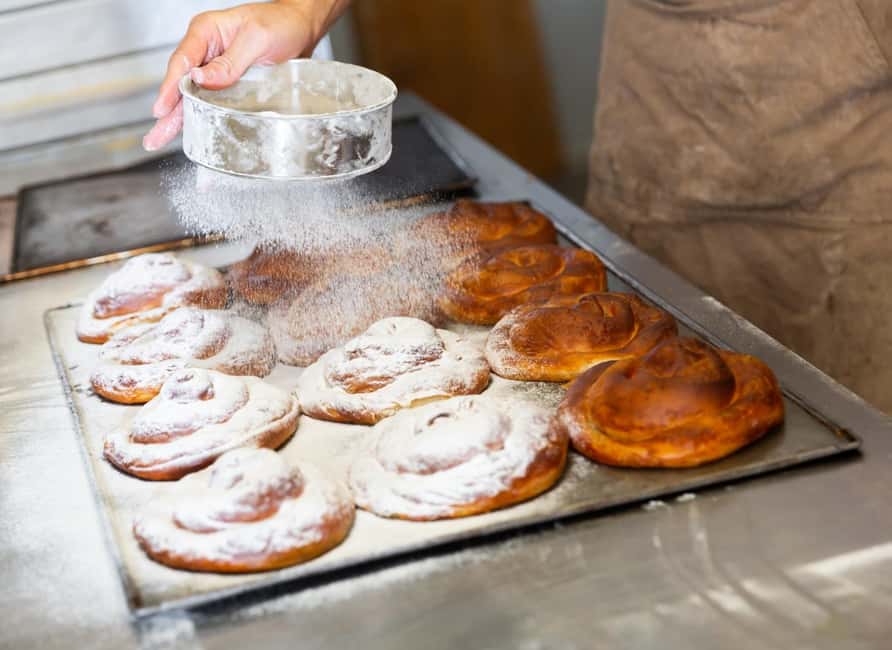
- Ensaïmada tasting at a traditional café, usually a highlight even for people who think they don’t like sweet bread
- A guide-led storyline through plazas, royal spaces, and merchant sites like Lonja de Mallorca
- Real-use recommendations for where to eat and what to do after the tour, based on the guide’s local experience
Why this Palma walk makes sense in 3 hours
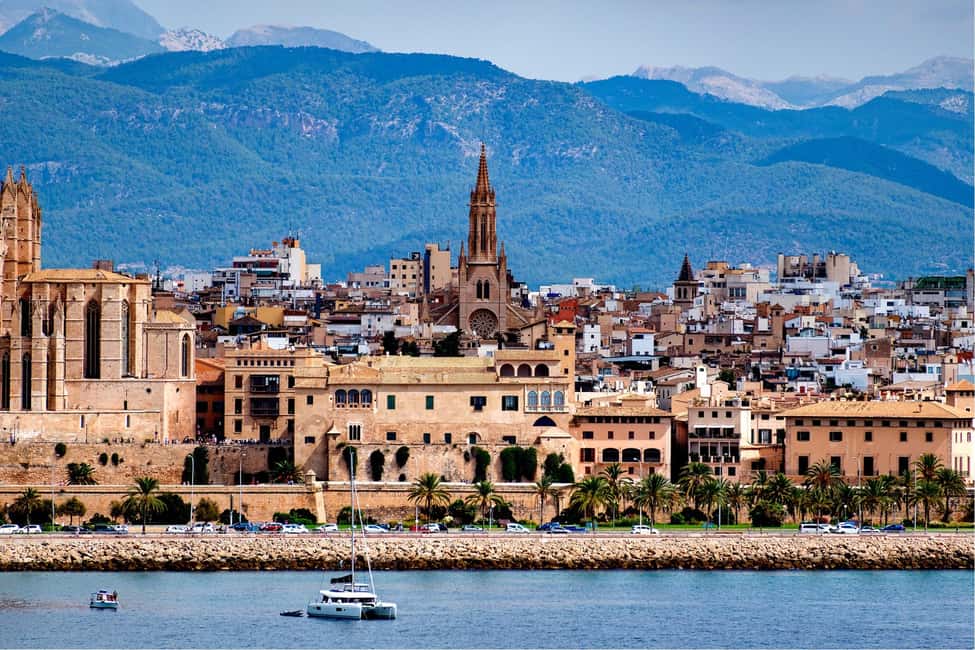
If you only have one afternoon (or even just a half-day) in Palma, you want two things: smart routing and a guide who can explain what you’re seeing in real terms. This tour is built around both. You cover the core Old Palma sights, and you end where most visitors want to be—inside La Seu, with its dramatic interiors and visual details that are hard to notice on your own.
The value isn’t just that you get a list of monuments. It’s that the timing helps you see them in a logical order: squares for orientation, then stops that show how Palma’s power worked (royal rule, church authority, merchant wealth), then the cathedral as the emotional finish.
At $46 per person for about 150 minutes, the math works best if La Seu is your top priority. The fast-track piece reduces wasted time, and the pastry tasting adds a local flavor moment you’d normally have to hunt for.
You can also read our reviews of more walking tours in Mallorca

Starting at CaixaForum Palma: a calm kickoff before the classics
You meet at CaixaForum Palma, which is a good “launch point.” It’s not buried deep in the densest tourist grid, so you can find the group without sprinting. From there, the tour heads into the Old Palma center, helping you get your bearings early.
Then comes Plaça Major (Plaza Mayor). This is one of those places where Palma’s daily rhythm becomes obvious fast—people watching, cafés nearby, and the feeling that the center is still the center. Your guide uses stops like this to explain how the streets and squares relate to the city’s bigger story.
Plaça Major to the food stop: how the tour keeps you energized
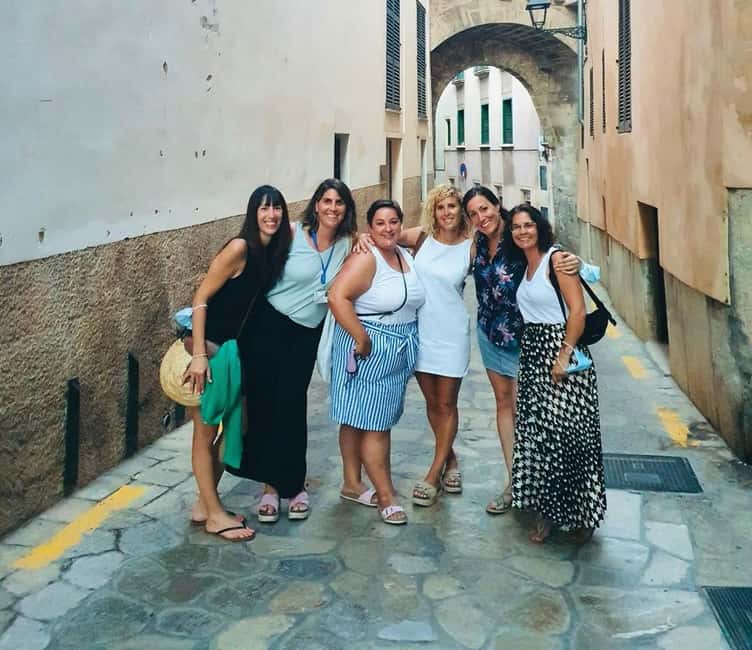
Most walking tours either front-load sightseeing or forget food until the end. Here, you get a secret stop for tasting before the main cathedral run. That matters because ensaïmada is best when you’re ready to slow down for a bite, not when you’re already starving or already exhausted.
The pastry is Mallorca’s famous ensaïmada, a sweet, spiral-style treat often linked to the island’s Catholic and festive traditions. You’ll taste it at a traditional café, which gives you more than sugar—you’ll also get a sense of what locals consider normal, not just tourist-optimized.
Practical note: if you have allergies or intolerances, tell the organizers in advance. The tour is set up to accommodate dietary needs when notified ahead of time, and that’s a big deal for a food stop on a walking schedule.
The cathedral finale: fast-track entry to La Seu (and what to watch for)
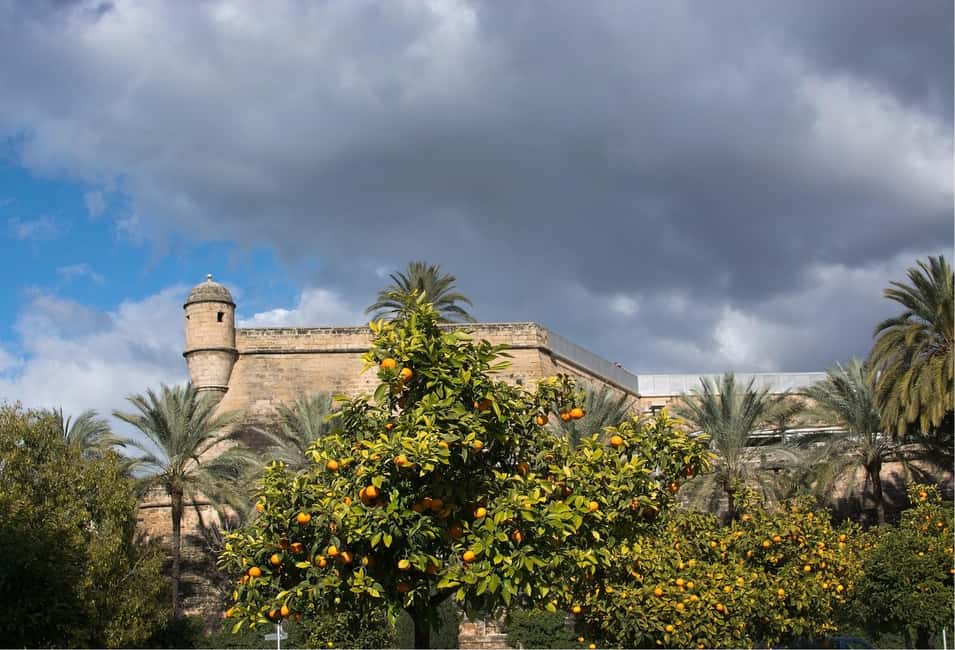
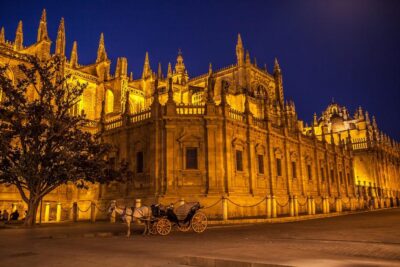
You’re promised skip-the-line entry to Palma Cathedral (La Seu), and that’s a smart inclusion. La Seu is the kind of place where 10 minutes of waiting can steal your energy, and the guide-led timing means you walk in with momentum.
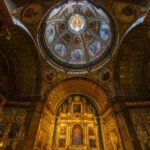
Inside, the cathedral is all about visual layers—carved details, strong lines, and symbolic elements you’ll miss if you just rush through. Your guide typically explains how Palma’s religious and political life shaped the building over time, turning what looks like “a big church” into something you can actually read with your eyes.
One important consideration: the cathedral’s opening hours can vary. There’s at least one real-world issue reported on Sundays, when the cathedral may be closed. If your travel dates fall on a Sunday, check the cathedral hours beforehand so you’re not stuck with a paid fast-track plan that can’t be used.
Also, cathedral towers access isn’t included. Plan your expectations accordingly—this is about entering the cathedral and seeing it well, not climbing up for panoramic views.
Royal power at La Almudaina and Hort del Rei
After the early Old Palma scenes and the food break, the tour pivots toward power and place. You’ll visit the Royal Palace of La Almudaina and Hort del Rei (King’s Garden). These stops help you understand Palma as more than a postcard: it was ruled, guarded, and landscaped with intention.
La Almudaina is the kind of site where your guide’s stories matter. Without them, palaces can feel like “big walls.” With the explanations, you start noticing how the space signals authority and how it connects to the cathedral’s presence in the city.
Then there’s Hort del Rei, which gives you a visual pause between heavier history stops. Think of it as a reset: shade, garden calm, and a chance to regroup before you continue deeper into Old Palma’s architectural highlights.
You can also read our reviews of more food & drink experiences in Mallorca

Lonja de Mallorca: merchant wealth with a story you can picture
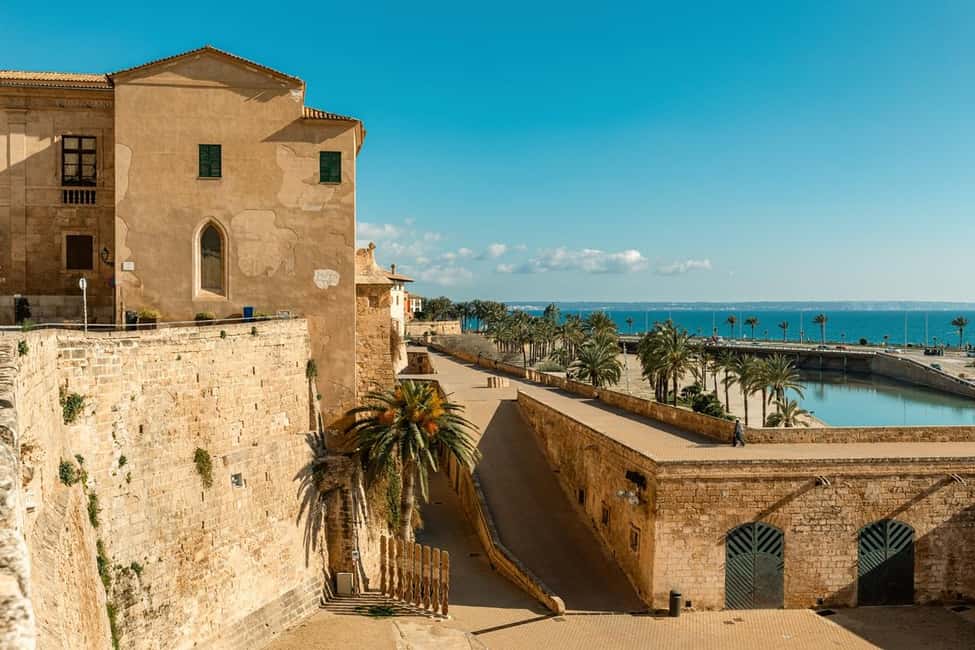
You’ll also see Lonja de Mallorca, a key site for understanding how trade shaped Palma. This isn’t history as a list of dates. It’s history you can picture: money, ships, commerce, and the everyday machinery of a port city.
Guides often bring this to life by explaining how merchant wealth expressed itself in architecture—why certain design choices were made, and what kinds of people mattered to the city’s growth. If you’re the type who likes architecture explained like a human problem (who built it, why, and what they were trying to prove), this stop tends to land well.
It’s a helpful counterweight to the cathedral and palace visits. Together, these sites show Palma’s mix of spiritual authority and economic muscle—church and port, faith and trade.
Finishing at Plaça de la Drassana: capstone by the waterfront
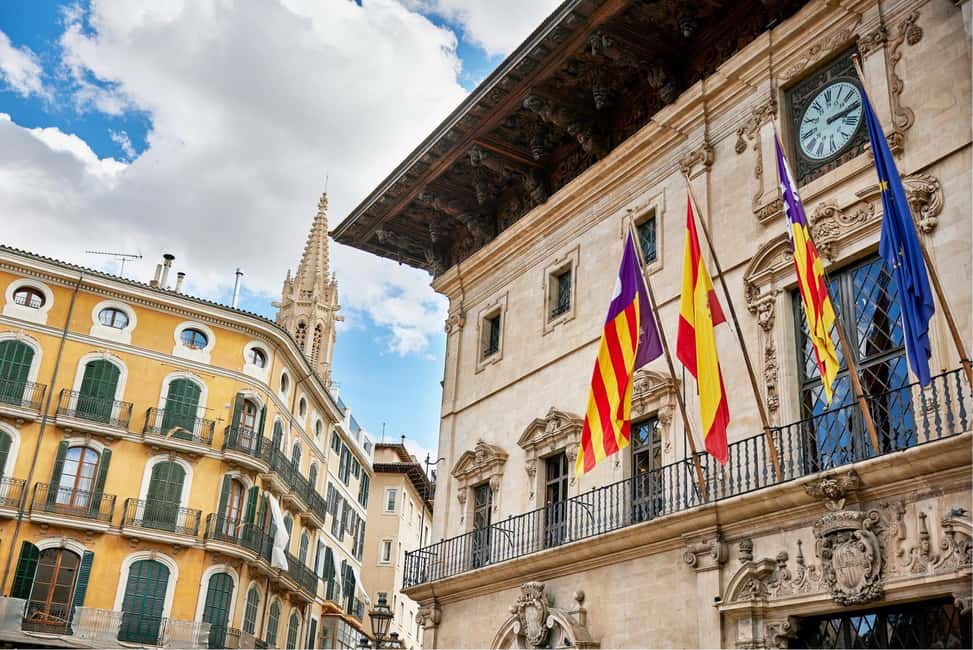
The tour ends at Plaça de la Drassana, which is a smart finish. You get out of the densest lanes and into an area that makes it easy to keep exploring. It also naturally sets you up for a late lunch, a coffee, or a relaxed stroll toward the harbor zone.
This is where the guide’s value often shows again. You’ll typically get practical suggestions for where to eat and what to do next, based on your interests and timing. If you’re planning to shop for local items, this is also the point in your trip where your sense of the neighborhood gets sharper—you know where you are, and you don’t waste time wandering in the wrong direction.
Pace, comfort, and what to wear
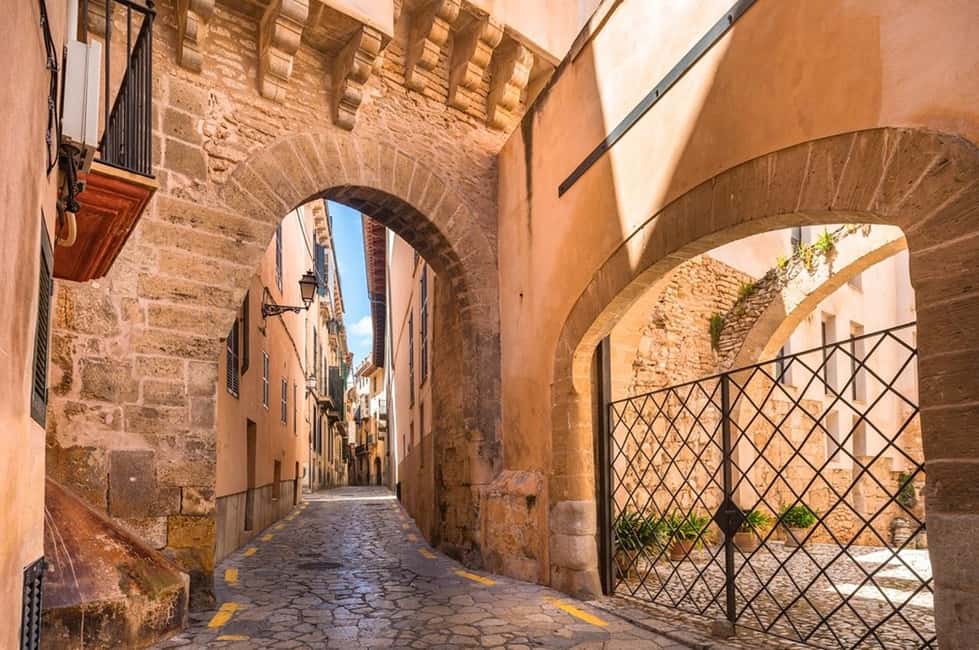
This is a walking tour built around famous Old Palma stops, so you should expect some steps and steady movement. It’s long enough that good shoes matter, especially on a hot day. If you’re sensitive to heat or have mobility limits, you’ll still likely manage, but you should pace yourself and take breaks when your guide offers them.
For the cathedral, there’s a dress code:
- Shoulders must be covered (no tank tops)
- Skirts and shorts must cover mid-thigh
- No swimwear or festive outfits
- No see-through clothing
It’s worth packing a light layer if your usual vacation outfits lean summery. You don’t want to scramble at the door.
The guide makes the difference: look for the story style
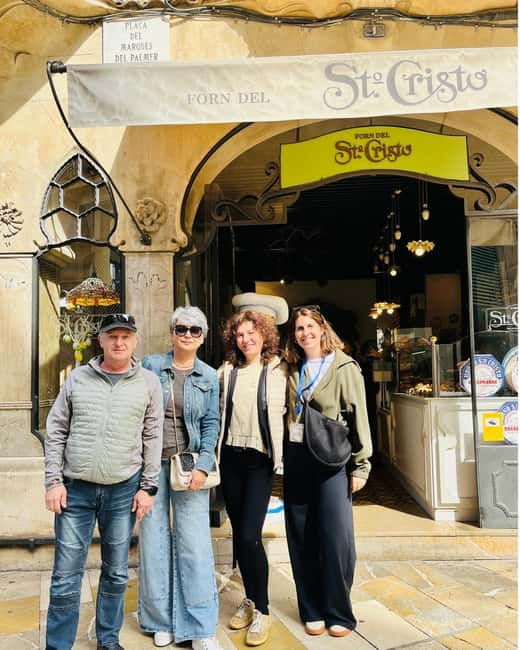
The tour is led by a local guide in English, German, French, or Spanish. Your guide is central to how the tour feels, and the pattern in the guide names you’ll see for this experience tends to be consistent: friendly delivery, strong historical context, and plenty of time for questions.
In the guide lineup, names like Violetta, Violetta/Violetta variants, Carla, Isabelle, Sofia, and Santiago show up, and their common thread is turning “sights” into stories. Expect myth and legend style explanations mixed with practical context—why a building looks the way it does, and what it meant to Palma’s people.
If you’re visiting as a first-timer, this kind of guide-led framing helps you return to the same areas later and notice details you’d otherwise miss.
Who should book this tour (and who might choose differently)
This tour is a great fit if:
- You want a structured Old Palma introduction without a long day
- La Seu Cathedral is a must-see for you
- You like walking tours that include a short food moment with local flavor
- You’d rather ask questions in a small group (max 15) than stay anonymous in a crowd
You might look at another option if:
- You’re only interested in cathedral towers or panoramic climbs (towers access isn’t included)
- You’re visiting on a Sunday and can’t adjust plans if the cathedral is closed
- You need a fully stroller-free, step-light route (this one includes steps)
Should you book Palma Cathedral & Local Tasting?
Yes, if you want the most efficient way to understand Palma in a short visit—and you care about seeing La Seu with less waiting. The mix of Old Palma orientation, ensaïmada tasting at a traditional café, and story-driven stops like La Almudaina, Hort del Rei, and Lonja makes the time feel earned.
Just do two quick checks before you pay: confirm the cathedral opening hours for your date (especially Sundays), and review the dress code so you don’t waste time at the entrance. If those boxes are clear, this is an easy recommendation for a first or second day in Palma.
FAQ
How long is the Palma Walking Tour, Cathedral & Local Tasting?
It lasts about 150 minutes, or roughly 3 hours.
How many people are in a group?
The group is limited to a maximum of 15 travelers.
Is fast-track entry to Palma Cathedral included?
Yes. Skip-the-line entry to Palma Cathedral (La Seu) is included.
Do I get access to the Cathedral’s towers?
No. Access to the Cathedral’s towers is not included.
Where does the tour start and where does it end?
You start at CaixaForum Palma and finish at Plaça de la Drassana.
What food is included in the tasting?
You’ll taste ensaïmada, Mallorca’s traditional pastry.
What’s the cathedral dress code?
You need shoulders covered (no tank tops). Skirts and shorts must cover mid-thigh. Swimwear, festive outfits, and see-through clothing aren’t allowed.
Can the tour accommodate allergies or intolerances?
Yes, but you need to inform the organizers in advance so they can accommodate your needs.
What languages is the tour offered in?
The live guide is available in English, German, French, and Spanish.
Is free cancellation available?
Yes. You can cancel up to 24 hours in advance for a full refund.