REVIEW · MADRID
Prado Museum with Reina Sofia Museum Guided Tour
Book on Viator →Operated by Amigo Tours Spain · Bookable on Viator
Madrid’s art overload, managed for you. This Prado + Reina Sofía guided combo is built for people who want real context fast: who painted what, why it mattered, and how Spanish art fits into Europe’s bigger story. You’ll start at the Prado with a guide leading you through standout works, then head to Reina Sofía for the 20th-century masterpieces that lead straight to the museum’s headline names.
What I like most is the two-museum structure. In about half a day, you get both the “greatest hits” of the Spanish National Art Gallery and the modern jump to Picasso, Dalí, Miró, and the surreal and cubist world around them. I also like that you’re in a small-group format (max 10) with a professional guide, so you’re not just shuffling from painting to painting.
One thing to consider: timing and logistics inside big museums can be tight. The Prado portion is about 1 hour 30 minutes, and the guide also needs extra time to organize entry, so you’ll need to accept that you’re seeing highlights rather than the entire collection. Audio can also vary—some guests report that hearing the guide through devices isn’t always perfect—so if you’re sensitive to that, plan to stand close when you can.
In This Review
- Key things to notice before you go
- Meeting up by the Prado: 9:45am start and what to expect
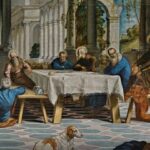
- Prado Museum highlights with El Greco, Bosch, and Velázquez
- The walk to Reina Sofía: modern Spanish art, timed right
- Reina Sofía: Picasso, Dalí, Miró, and the meaning behind the style
- Pace, group size, and the real-life museum bottleneck
- Value: paying $81.70 to skip guesswork and time sinks
- Guides: what you can learn from the people doing the talking
- Who this tour fits best (and who should skip it)
- Should you book this Prado + Reina Sofía guided tour?
Key things to notice before you go
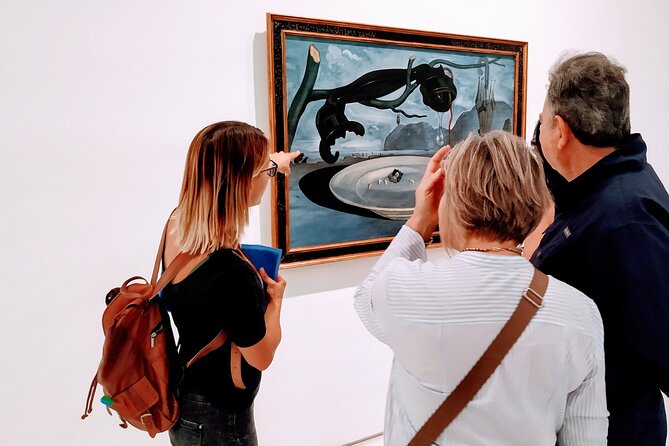
- Two museums, one guide-led story: You connect classical Spanish painting to 20th-century modern art in the same session.
- Highlight selection over museum-by-museum completion: You’ll see the key works, not every room.
- Small-group style (max 10): You’ll generally get more attention than a huge bus tour.
- Early start to beat crowds: The meeting time at 9:45am helps you get moving while lines are still manageable.
- Included entrances: You’re not scrambling for tickets mid-day.
- Language setup can affect pacing: Tours run in English and Spanish at the same time, so you may feel small delays between rooms.
Meeting up by the Prado: 9:45am start and what to expect
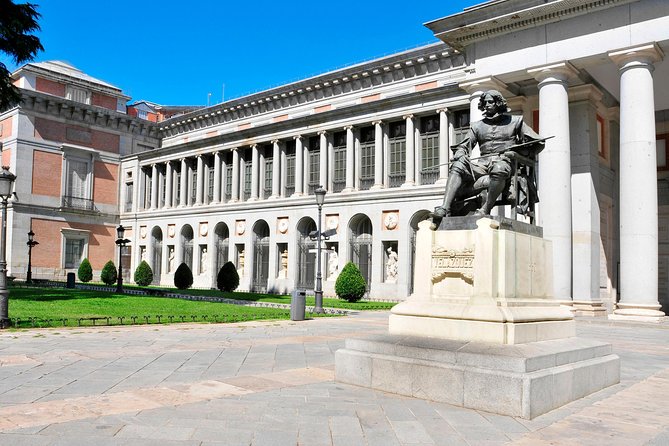
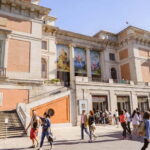
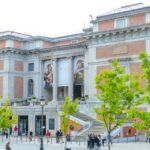
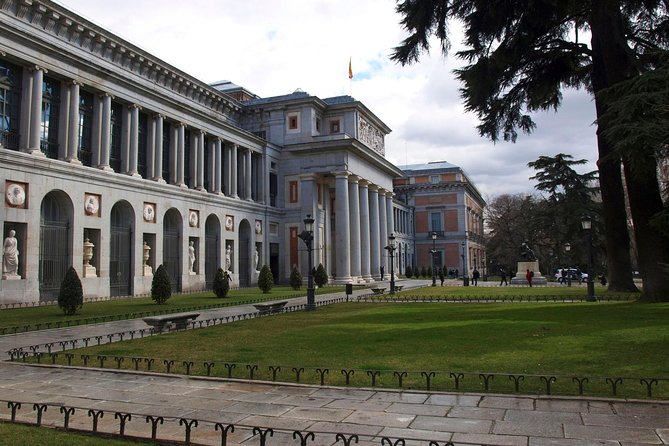
The day starts at Monumento a Velázquez on Paseo del Prado (P.º del Prado, 11). The location is convenient because you’re already in the Prado area, in the thick of Madrid’s museum strip. You’ll meet your guide and your small group outside the Prado in advance of your entry time.
Why this matters: Prado is huge, and the difference between a smooth start and a messy one is often whether you can get into the main galleries without burning an hour on queue chaos. This tour’s early start (9:45am) and guided entry help you get your footing quickly. You’ll have a mobile ticket, which is a nice time-saver when the line is moving fast.
Also: the guide needs some extra time on the Prado side to get everyone organized for ticketing and getting settled. That doesn’t kill the tour, but it does mean you should mentally switch from museum marathon mode to guided highlights mode.
You can also read our reviews of more guided tours in Madrid



Prado Museum highlights with El Greco, Bosch, and Velázquez
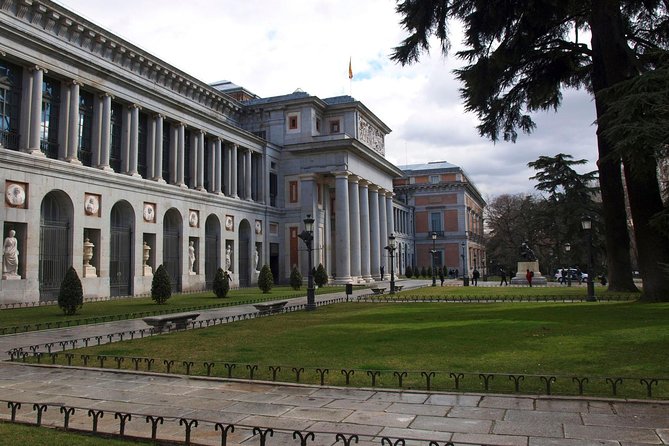
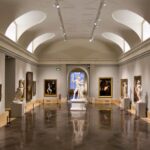
At the Prado, your guide frames what the Spanish National Art Gallery is really about—this is not just a collection, it’s a story told through centuries of Spanish painters and European influences. You’ll spend about 1 hour 30 minutes inside the Prado, with included admission, focused on a smart selection of works and the key ideas behind them.
What you’re likely to see (based on the tour focus):
- El Greco: Expect commentary on refined composition and how his style turns religious themes into something emotionally charged.
- Hieronymus Bosch: You’ll get help reading the strange scenes and details that can feel overwhelming if you just stare at them on your own.
- Velázquez: You’ll learn what makes his approach stand out—how he builds realism and depth through painterly choices, not just subject matter.
Practical takeaway: Prado works best when you understand what you’re looking at. A guide’s role here is to slow you down at the right spots—so you notice the “small stuff” that turns into the big meaning (pose, lighting, symbol choices, and composition).
The main drawback of Prado in a short guided visit: you’ll leave knowing what to look for, but you won’t see anywhere close to the entire collection. If your goal is to experience the full Prado on your own time afterward, plan to add a separate, slower visit later. This tour works as an excellent orientation and a curated sampler.
The walk to Reina Sofía: modern Spanish art, timed right
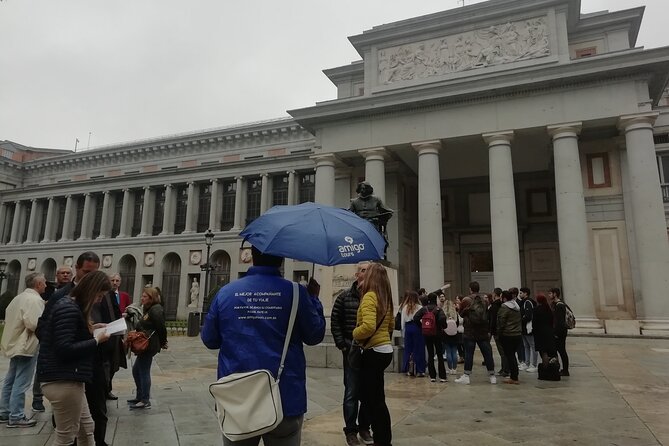
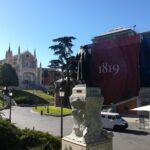
After the Prado, you transition to Museo Nacional Centro de Arte Reina Sofía. The tour is designed so the momentum continues rather than turning into “and now we’re on our own.” Your guide keeps the theme going: Spain’s artistic identity doesn’t stop at the classical era—it changes shape dramatically in the 1900s.
This part of the day can feel busy, simply because you’re moving between two of Madrid’s biggest art institutions. That’s normal. The win is that the tour doesn’t treat Reina Sofía like a random stop—it sets you up to understand why modern artists broke rules and invented new visual languages.
Also, if you choose an option that includes Reina Sofía, the tour ends there. If you choose only Prado, you can stay longer after your guided portion finishes. That flexibility is useful: you can treat Reina Sofía as a must-do add-on, or keep the day lighter if you’re museum tired.
Reina Sofía: Picasso, Dalí, Miró, and the meaning behind the style
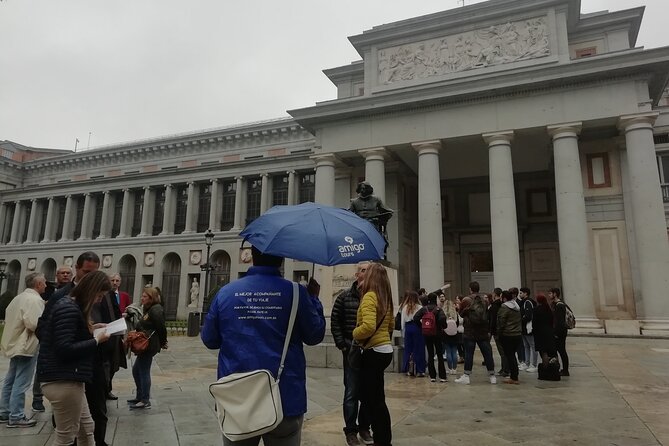
Reina Sofía is where the tour turns from “masterworks of the past” into “how modern artists changed the game.” Your guide walks you through the most important works of Spanish Modern artists, with explanations tied to each artist’s background and the media they used to carry meaning.
This museum is packed with art styles that don’t always read instantly—surreal scenes, cubism, and symbol-heavy visual worlds. That’s exactly why a guided approach helps. Instead of wondering what you’re supposed to feel, you get concrete context: what the artist was responding to, and what the structure is doing inside the painting.
What the tour focus highlights here:
- Picasso: you’ll learn how modern Spanish art evolves into new ways of seeing form and perspective.
- Dalí: surreal imagery becomes easier to interpret when you understand the artist’s approach and intent.
- Miró: you’ll get a clearer sense of how style choices function like language—shapes and color are doing work.
One detail that can affect your experience: since the service runs in both English and Spanish at the same time, some rooms may feel a little slower if the guide is translating between groups. You’re not losing the tour’s value; it’s just the reality of a bilingual setup in a museum where you’re trying to keep everyone moving and listening.
If Reina Sofía is your priority, this tour gives you a “what to look for” map—especially around the works you’ll most likely hear about from art history class and famous headlines.
Pace, group size, and the real-life museum bottleneck
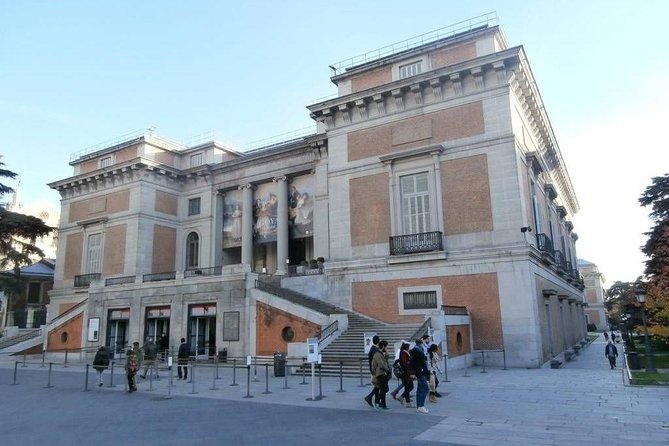
The tour is marketed as a maximum of 10 travelers, and in a best-case scenario, that small size is what makes the guide’s attention feel personal. You can ask questions, and your guide can adjust the pace when you’re lingering or looking confused.
But keep your expectations grounded: major museums can create bottlenecks. At the Prado, you may spend extra time checking in and getting tickets organized. That’s not the guide being slow—it’s the museum machine doing what it does.
I also want to be honest about audio/communication. Some participants report trouble hearing through the guide’s device at moments. If you know you struggle in noisy rooms, stand nearer the front when the group stops, and don’t be afraid to raise a quick question if you miss something.
The upside of the tour’s pacing is that it’s structured. You won’t get stuck wandering. You’ll see important works in both museums and come away with a clear sense of how Spanish art evolved from the Prado tradition into the modern movements showcased at Reina Sofía.
You can also read our reviews of more museum experiences in Madrid

Value: paying $81.70 to skip guesswork and time sinks
At $81.70 per person, you’re paying for three things: a professional guide, and included entrance to both museums. In practice, that’s a fair value if you want to reduce decision-making and avoid wasting hours piecing together a DIY route with ticket logistics.
Here’s the math that makes it feel worth it:
- Two major museums in one guided session is hard to replicate smoothly on your own without time costs.
- The guide’s job is to prioritize the works and explain what you’d otherwise miss.
- Included admission means you’re not juggling payments or ticket timing mid-day.
When it may not be the best deal: if you’re the type who wants to roam the Prado room-by-room with no structure, then a curated highlights tour will feel restrictive. In that case, you might prefer a self-guided visit and come back later for one specific museum with a paid guide.
For most people—especially first-timers—this tour is a strong “art history with training wheels” option.
Guides: what you can learn from the people doing the talking
The quality of a museum tour often comes down to the guide’s ability to connect art to a story you can understand quickly. From the guide names I saw associated with the experience—Gabi (Gabriela), Elena/Elaina, Helena, Alicia, and Ayla—the common thread is clear: they tend to explain artworks in a way that links style to history and ideas, not just facts.
I especially like when a guide does three things well:
- explains what you’re looking at in plain language
- connects one painting to the bigger artistic and historical picture
- keeps the pace moving without rushing the meaning
When that clicks, you leave feeling like you saw fewer works but understood more. That’s the sweet spot this tour targets.
Who this tour fits best (and who should skip it)

This is a great match if:
- you want the big Spanish art hits without spending all day figuring out what matters
- you like structured museum time with a guide explaining context
- you’re curious about the bridge between classical Spain and 20th-century modern art
You might reconsider if:
- you’re looking to see everything in the Prado collection in one go
- you hate any group pacing at all
- you’re very sensitive to audio devices and rely on hearing clearly at a distance
Also, it helps if you can handle a busy morning. You’re walking between two major museums and staying in a set rhythm.
Should you book this Prado + Reina Sofía guided tour?
I’d book it if you want a smart, time-efficient way to experience two of Madrid’s most important art museums. The combination works because it doesn’t treat Prado and Reina Sofía as separate worlds—it helps you see the evolution of Spanish art through the eyes of artists like El Greco, Bosch, and Velázquez and then into the modern shocks of Picasso and Dalí.
Two practical checks before you go:
- If you’re a serious Prado super-fan, plan at least a little free time afterward. This tour gives you the highlights and the “why,” not the entire catalog.
- If you’re worried about hearing through devices, position yourself near the front during stops.
Bottom line: for most visitors, this is an efficient, guide-led way to turn Madrid’s art stops into something you actually understand.