REVIEW · RONDA
Ronda: Tajo de Ronda Via Ferrata Guided Climbing Tour
Book on GetYourGuide →Operated by South Coast Aventuras · Bookable on GetYourGuide
Ready to grab the rock above Ronda’s gorge? This guided via ferrata on the Tajo de Ronda turns Ronda’s dramatic cliff scene into a real hands-on climb, with big views of the gorge and Puente Nuevo.
I love that this is a small group setup (limited to 10), so your guide can actually coach you instead of just herding the line. I also like the way you get more than climbing: guides such as Julio, Pablo, and Jose share local context, including the story behind the gorge and the Olla de Ronda.
One thing to consider is the height factor. If you have vertigo, or you freeze around exposure, this won’t be a relaxing stroll, and you should plan around the fact there’s no proper bathroom stop during the climb.
In This Review
- Key things you’ll notice on this Tajo de Ronda climb
- Getting started at Carretera de los Molinos (and what that means)
- The first climb lesson: safety that’s practical, not lecture-y
- Climbing the Tajo: what the route delivers (50 meters up)
- The Puente Nuevo viewpoint and what you’ll learn while you’re up there
- Equipment and included perks: what you don’t have to plan for
- Price vs value: is $47 really fair for via ferrata?
- Who should book this (and who should skip it)
- Practical tips so you finish strong (not stressed)
- Should you book the Ronda Tajo de Ronda via ferrata?
- FAQ
- How long is the Tajo de Ronda via ferrata tour?
- Where do we meet for the tour?
- Do I need any climbing or via ferrata experience?
- What’s included in the price?
- What should I bring or wear?
- Is the tour suitable for people with vertigo or fear of heights?
- What languages are available for the guide?
Key things you’ll notice on this Tajo de Ronda climb
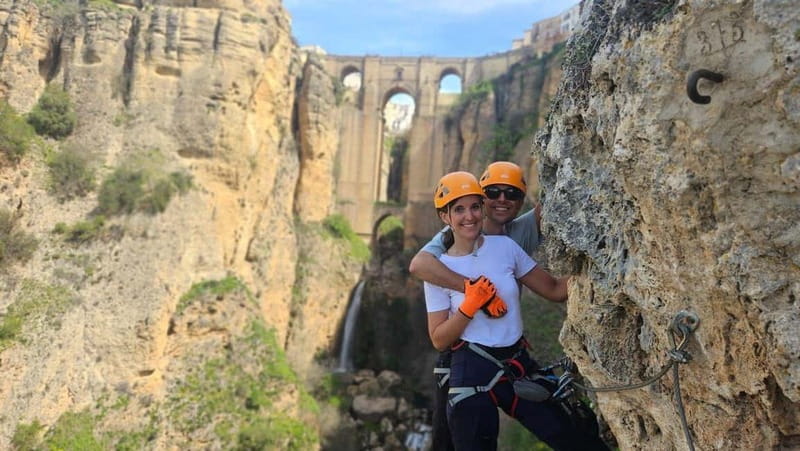
- Fixed-route via ferrata coaching: you learn safe progress along the cables and ladders, step by step
- Small group energy (max 10): easier pacing, more personal feedback
- Gorge views that make the effort worth it: you’ll look over Ronda’s historic quarter and the famous bridge area
- History mixed into the hike: you’ll learn about the Tajo de Ronda and the Olla de Ronda while you’re actually there
- Photos and video included: your guide captures your climb so you’re not stuck using your phone the whole time
Getting started at Carretera de los Molinos (and what that means)
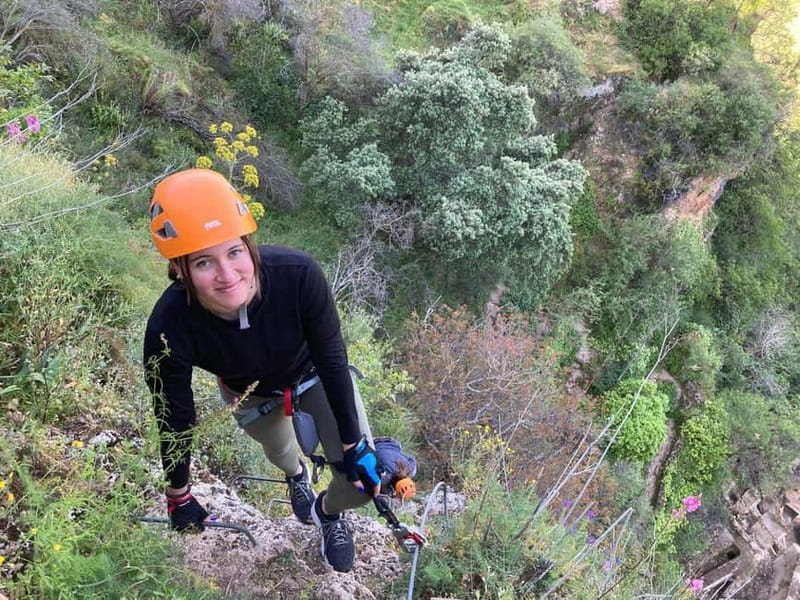
This tour starts at Carretera de los Molinos, in the Ronda area. You meet there first, then the group gets set up with the basics before anyone clips in. Since there’s no hotel pickup or drop-off included, plan to get to the meeting point on your own time and transport.
After booking, you’ll receive a Google location so you can find the right spot without playing guesswork. That matters here because via ferrata days are time-sensitive: once the group is assembled and the briefing is done, the tour moves as a unit toward the gorge.
Also note the timing reality. The listing says about 2 hours total, but it also describes the guided tour segment as 2.5 hours. In practice, that usually means some variation depending on the group pace, briefing time, and how quickly everyone is ready. For a smooth day, treat it as a half-activity window rather than a tight, back-to-back schedule.
You can also read our reviews of more guided tours in Ronda
The first climb lesson: safety that’s practical, not lecture-y
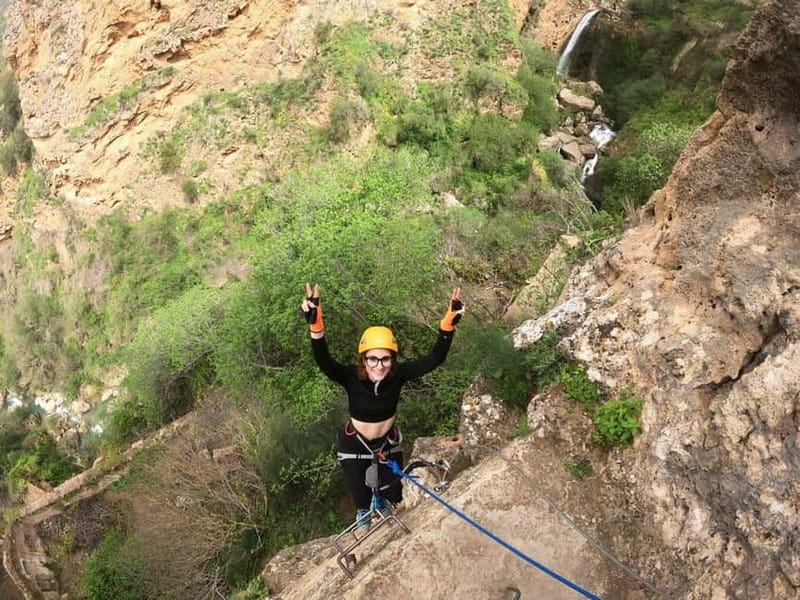
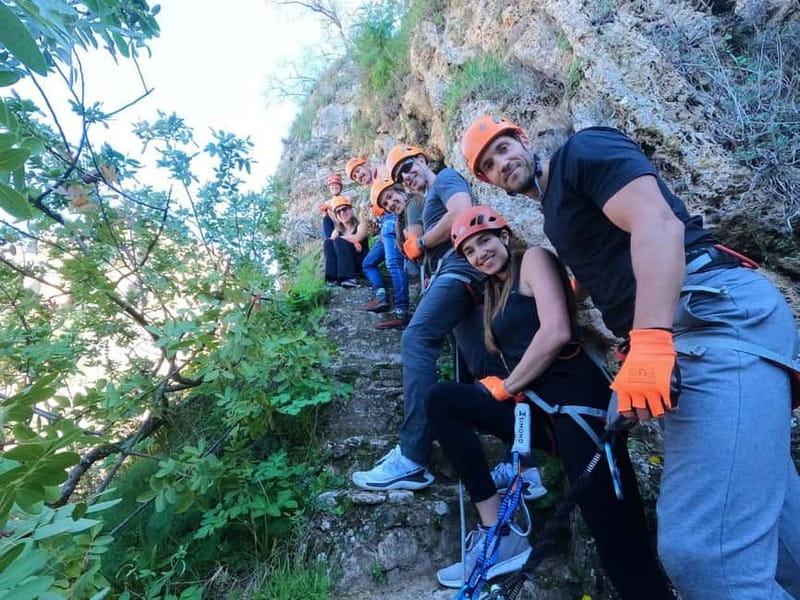
You’ll be supervised by an experienced instructor/guide and you’ll get all technical equipment. That’s the big deal with via ferrata: you’re not just “walking in ropes.” You’re moving on a prepared route where the cables and anchors help, but you still need correct technique.
The tour’s structure is built around that. You get an initial briefing covering how to:
- clip in and move along the route safely
- manage your position around sections that feel harder
- keep your confidence when your legs and arms get tired
What I like about this approach is that it’s designed for people without prior experience. The guidance is aimed at building comfort quickly. Reviews back this up with comments about clear instructions and people feeling safe throughout, even when the climb feels tough.
One small but important practical note from past participants: don’t assume you can handle last-minute bathroom needs during the activity. One reviewer specifically said there’s no place to pee during the climb, even right before starting. So if you’re anxious, awkward, or just human, do yourself a favor and use the bathroom ahead of time.
Climbing the Tajo: what the route delivers (50 meters up)
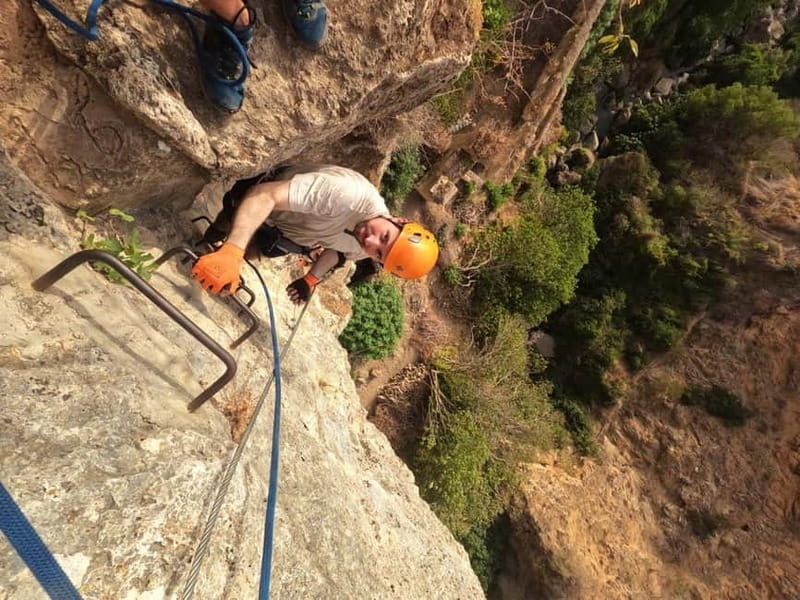
The core experience is the guided via ferrata through the Tajo de Ronda gorge area. The activity is described as having a total elevation gain of 50 meters. That might sound short if you’re thinking long hikes, but via ferrata is different. You’re not gaining altitude only with your legs—you’re also working your hands, bracing, and staying focused on foot placement.
Expect a mix of:
- sections that feel more exposed than you expect
- moments where technique matters more than strength
- a steady progression where your guide can adjust to your comfort level
Reviews repeatedly mention that the climbs can be challenging in spots, but the coaching helps you get through. That’s exactly why this works well for first-timers who want adrenaline without being left to figure it out alone.
And yes, you’ll feel it. You’re climbing in a gorge, with open views nearby. The route gives you the thrill, but the guidance is meant to keep it controlled. If you’re the type who gets nervous at heights, bring that anxiety honestly into the briefing, because the guide’s job is to help you move through it.
The Puente Nuevo viewpoint and what you’ll learn while you’re up there
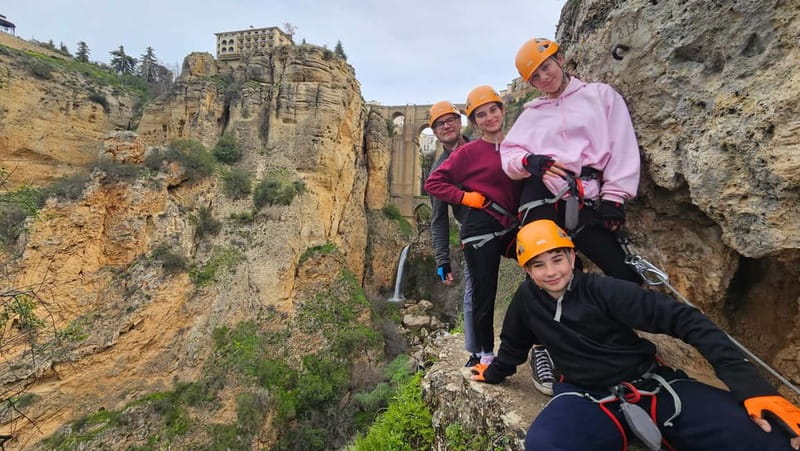
One of the best parts of the Tajo de Ronda via ferrata is that the views aren’t an afterthought. They’re part of the point.
You’ll get privileged panoramas over:
- the area around Puente Nuevo
- Ronda’s historic quarter in the gorge view
- the surrounding mountainous region
And the tour doesn’t just point at scenery. You’ll learn history as you go—specifically about the Tajo de Ronda, the Olla de Ronda, and the mountains around it. Even if you only catch parts of the story while you’re climbing, it helps the experience feel grounded in place instead of just physical effort.
This is also why photos and video matter. When you’re moving on a fixed route, your brain is busy. Having your guide capture the climb means you can enjoy the moment now and still remember it clearly later.
Equipment and included perks: what you don’t have to plan for
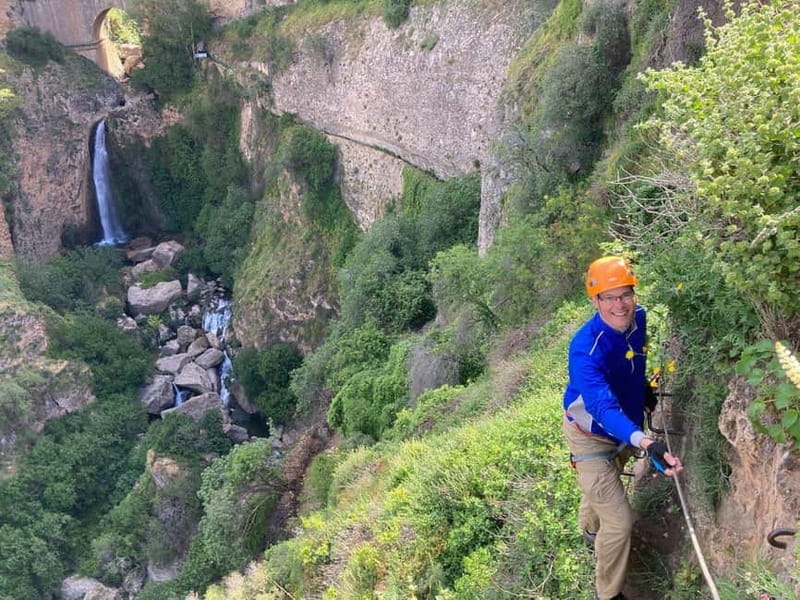
A via ferrata tour can turn into a gear headache if you’re renting everything yourself. Here, the tour includes all technical equipment, which is a huge value lever for a first-timer. It means you can focus on the real prep: the right footwear and bringing comfortable sportswear.
Included in the price:
- qualified guides and supervision
- all technical equipment
- accident insurance
- snacks and drinks
- video footage and photos
That last part is practical, not just marketing. You’ll be wearing gloves and harness gear; it’s not exactly the best time to stop and fiddle with your phone. When the guide captures your climb, you don’t have to choose between safety, focus, and documentation.
Snacks and drinks at the end also help. Via ferrata can work you up more than you expect, and having something waiting for you makes it easier to treat this as a full mini-adventure rather than a quick adrenaline burst and then you’re back on empty.
Price vs value: is $47 really fair for via ferrata?
At $47 per person, this is priced in a way that’s unusually accessible for a guided via ferrata experience with equipment and insurance included. The real comparison isn’t the cost of a basic walking tour. It’s the cost of:
- trained guide time
- technical gear
- accident insurance
- photo/video capture
- end-of-tour snacks and drinks
If you’ve priced other adventure tours in Spain, you know how quickly costs climb when you factor in instructors and equipment. Here, you also get a small group cap, which usually costs more than a big-bus style operation.
Could it be more expensive in peak season? Possibly, depending on provider pricing. But based on what’s included—especially equipment, insurance, and the guide coaching your safety—this feels like a solid value for people who want the gorge views without doing a DIY risk exercise.
Who should book this (and who should skip it)
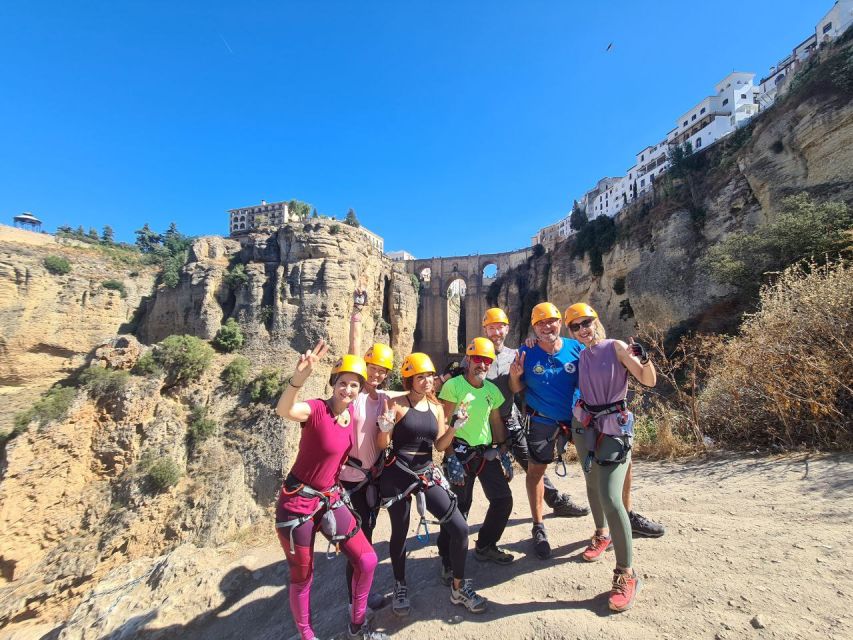
This via ferrata is designed for anyone seeking an exciting experience, regardless of skill level. You don’t need prior climbing experience. You do need:
- good physical health
- comfort with some exertion and exposed scenery
- the ability to follow instructions and stay focused
It’s not recommended if you suffer from vertigo. That’s not a minor suggestion. Via ferrata routes can feel intimidating even when you’re doing everything right.
It also isn’t suitable for:
- children under 14
- pregnant women
- wheelchair users
The sweet spot is clear: if you’re active, curious, and you want a guided way to experience Ronda’s gorge from the rock itself, this is a strong choice. Reviews also mention it worked for mixed-age groups—teens and adults climbed together and still felt safe and supported.
Practical tips so you finish strong (not stressed)
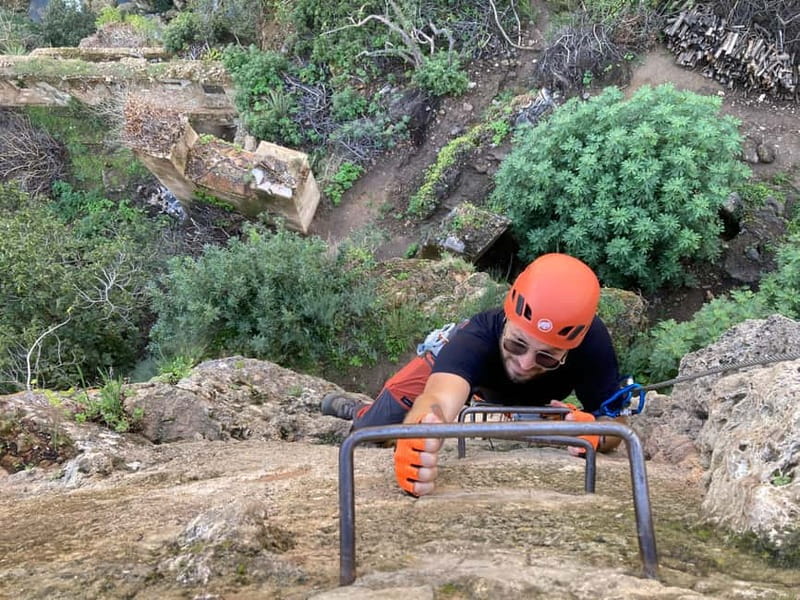
Here’s how to make your day easier and more comfortable, using the realities of this kind of climb:
Wear proper shoes: bring hiking shoes or sports shoes with grip. Don’t show up in thin-soled city footwear and hope for the best.
Use sportswear you can move in. You’ll be harnessed and climbing, so choose clothes that don’t ride up or restrict your arms and legs.
Arrive early enough to breathe. If you show up rushed, anxiety goes up and focus goes down. You want time for the briefing and equipment fitting.
Plan your bathroom needs ahead of time. One participant was very direct about not being able to pee during the climb. If you’re even slightly unsure about holding it, fix that before you start.
If you’re anxious about heights, tell your guide at the beginning. Multiple reviews highlight that guides explain what’s coming and help people get through harder sections. That’s how you turn nerves into momentum.
Finally, remember you’re in a small group. With a maximum of 10 participants, your tour will likely feel more human than hectic. Be patient, follow the guide’s pace, and you’ll have a better time than trying to “power through” while your confidence is still catching up.
Should you book the Ronda Tajo de Ronda via ferrata?
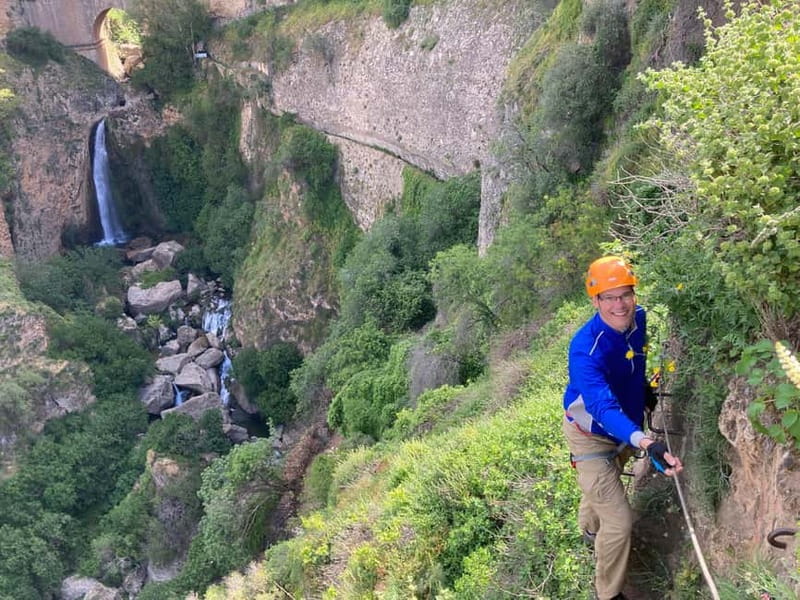
Book it if you want a guided adventure that’s accessible for beginners but still delivers real adrenaline. You’ll get the gorge setting up close, learn local context like the Tajo de Ronda and Olla de Ronda stories, and come away with photos and video without juggling your camera mid-climb. The small group cap and included equipment/insurance also make it feel like less guesswork than a DIY plan.
Skip it if heights make you shut down. If you have vertigo or you know you need a low-exposure experience, this won’t be the right fit. Also, if you have trouble committing to physical effort for 2 hours-ish, pick a gentler Ronda day instead.
If you’re somewhere in the middle—excited but maybe nervous—this is exactly the kind of tour where good coaching can turn fear into a skill. And in Ronda’s gorge, that moment is the whole point.
FAQ
How long is the Tajo de Ronda via ferrata tour?
The tour duration is about 2 hours, and it includes the initial briefing, practical learning, and the activity itself.
Where do we meet for the tour?
You meet at Carretera de los Molinos. After booking, the provider sends you the Google location.
Do I need any climbing or via ferrata experience?
No prior experience is required. The guides provide instruction so you can safely progress along the route.
What’s included in the price?
Included are qualified guides, all technical equipment, accident insurance, snacks and drinks, and video footage and photos.
What should I bring or wear?
Wear hiking shoes or sports shoes and bring sportswear you can move in comfortably.
Is the tour suitable for people with vertigo or fear of heights?
It is not recommended for people who suffer from vertigo. If you are afraid of heights, you should consider that this climb is done on exposed gorge rock.
What languages are available for the guide?
The instructor/guide can speak Spanish, English, and French, and can adjust to your language preferences.