REVIEW · SAN SEBASTIAN
San Sebastian: Authentic Basque Cooking Class
Book on GetYourGuide →Operated by Devour Tours · Bookable on GetYourGuide
Basque cooking turns into dinner fast. This small-group class lets you work in a real working restaurant kitchen in San Sebastián’s Old Town, not a staged space. I love how the menu focuses on classic Basque flavors, and how you learn as you go.
Another big plus is the pairing. You’ll cook five iconic recipes, then eat them with cider, red and white wine, and even ice apple cider that’s new to most visitors.
One consideration: because the experience is standing and hands-on, it’s not for everyone. If you’re expecting lots of uninterrupted solo cooking, you may find it more guided than you hoped.
In This Review
- Key highlights at a glance
- Real Working Kitchen in San Sebastián’s Old Town (What Makes It Feel Authentic)
- Your Basque Menu: Gilda, Tortilla de Patatas, Pil-Pil Cod, Piquillo Peppers, Basque Cheesecake
- 1) Gilda pintxo
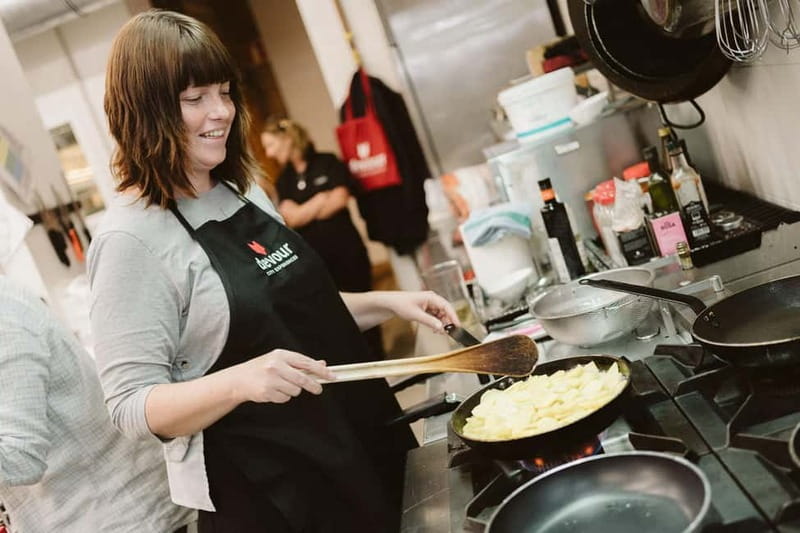
- 2) Tortilla de patatas (Basque potato omelet)
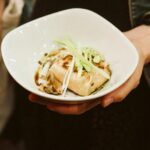
- 3) Codfish in pil-pil sauce
- 4) Red piquillo peppers
- 5) Basque burnt cheesecake
- How Two Hosts Guide You Through a Hands-On 2.5 Hours
- Standing Up, Cooking Real Food: What This Experience Feels Like in Practice
- Cider, Wine, and Ice Apple Cider: The Pairings That Make the Menu Click
- Price and Value: Is $164 Worth It for a Full Basque Meal?
- Where You Meet and How to Plan Your Evening in San Sebastián
- Who Should Book This Basque Cooking Class (and Who Might Skip It)
- Should You Book It? My Practical Take
- FAQ
- Where is the meeting point for the cooking class?
- How long is the cooking class in San Sebastián?
- Is the tour in English?
- How big is the group?
- What dishes will you make and eat?
- Are drinks included with the meal?
- Do you get recipes to take home?
- What dietary changes can the class accommodate?
- Is it suitable for kids or people with mobility impairments?
Key highlights at a glance
- Five Basque recipes cooked and eaten as a full meal
- Real restaurant kitchen access opened exclusively for your group
- Small group (10 or fewer) with two hosts: guide + chef
- Drink pairings with cider, wine, and ice apple cider
- Take-home recipes and an apron so you can repeat the menu later
- Old Town walk to a family-run restaurant setting
Real Working Kitchen in San Sebastián’s Old Town (What Makes It Feel Authentic)
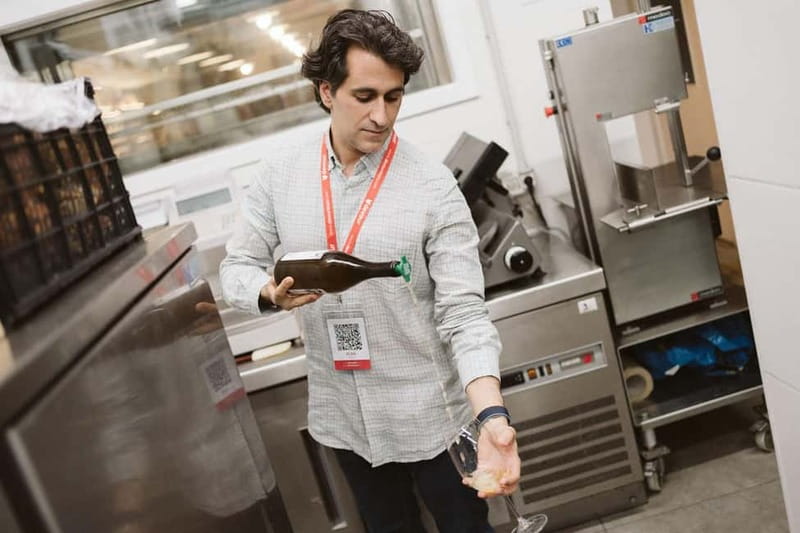
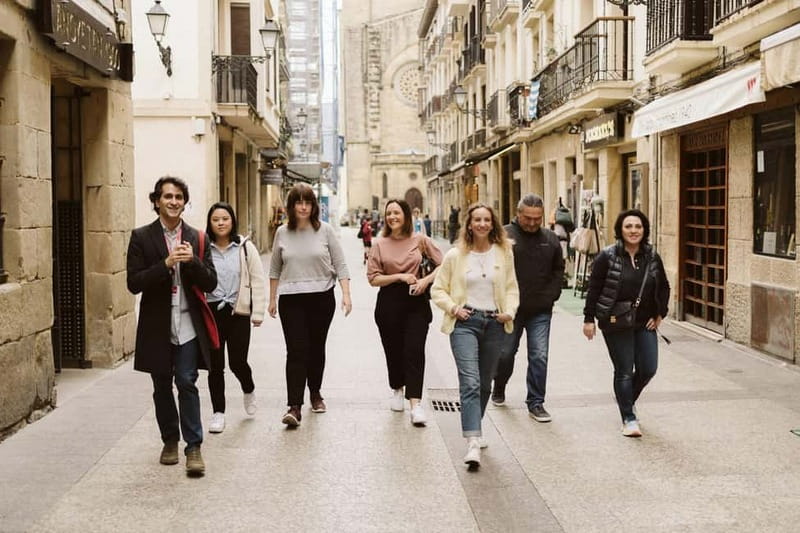
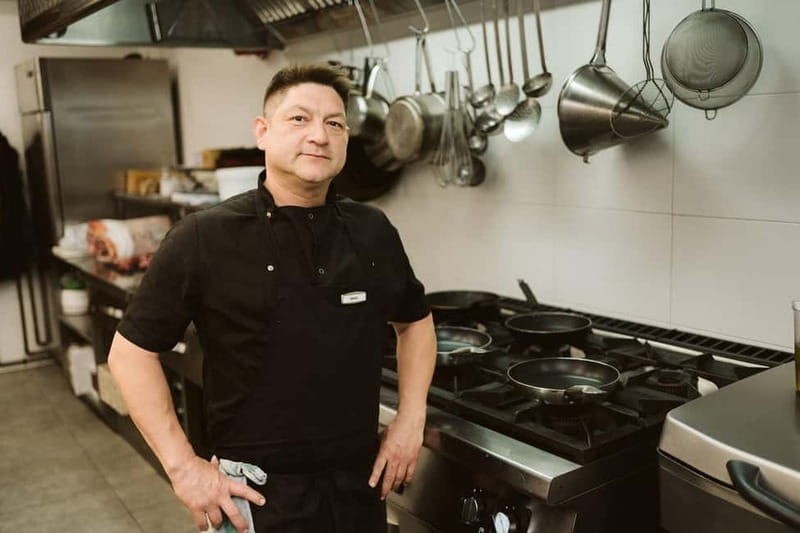
San Sebastián is famous for food, but plenty of cooking classes feel like “watch and snack.” This one aims for the opposite. You start in the Old Town pedestrian area and then move to a historic, family-run restaurant where the kitchen is set up for your group only.
The practical benefit? You’re working around the rhythms of a real service kitchen, which changes how you think about cooking. Things like timing, heat control, and how ingredients come together feel more grounded than in a classroom setup.
I also like the two-host format. You get a local guide who can place the food in context, plus a professional chef who focuses on technique. In recent groups, guides such as Mila and Silvia have been praised for being friendly and clear, while chefs like Natalia, Carlos, Saul, and Simone have helped guests stay confident in the steps.
One more detail that matters: the whole experience is standing. Comfortable shoes aren’t optional here, because you’ll be up at counter height for the demo and hands-on parts.
You can also read our reviews of more cooking classes in San Sebastian
Your Basque Menu: Gilda, Tortilla de Patatas, Pil-Pil Cod, Piquillo Peppers, Basque Cheesecake
This class is built around a full Basque meal. You’ll make and eat five recipes, each tied to the region’s love of simple ingredients handled with care.
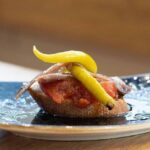
1) Gilda pintxo
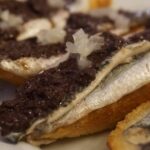
You’ll start with a pintxo that captures the Basque idea of small bites with big personality. Expect a flavor mix that’s bold and briny—great for getting your appetite in motion while you learn how Basque cooking balances salt, fat, and acidity.
What you’ll likely enjoy most here is the pace. It’s an early win, and it gets you thinking about presentation and seasoning right away.
2) Tortilla de patatas (Basque potato omelet)
The tortilla is one of those dishes people think they know—until they try the Basque version done carefully. In the class, you’ll learn how to handle the potatoes and eggs so you get that tender texture people hunt for in pintxo bars.
One technique that stands out from past groups: the chef can show how to turn the tortilla without fancy gadgets, using a regular plate and a wrist move instead of a special flipping tool. That’s exactly the kind of real-world tip that makes the class worth it when you cook at home later.
3) Codfish in pil-pil sauce
Pil-pil is where you see Basque food’s obsession with method. You’ll learn how to build that signature sauce texture around the cod.
The value here is not just learning what to cook, but learning why it works. When the chef walks you through the process, you pick up the “hands-on attention” skills: heat control, timing, and how the sauce comes together.


4) Red piquillo peppers
Piquillo peppers are sweet, smoky, and unmistakable. In this class, you’ll prepare them as part of the meal, and you’ll get practical tips for handling peppers so they stay flavorful rather than watery or bland.
It also helps that this dish breaks up the meal. After tortilla and cod, you get a different texture and a brighter taste that keeps the next course from feeling heavy.
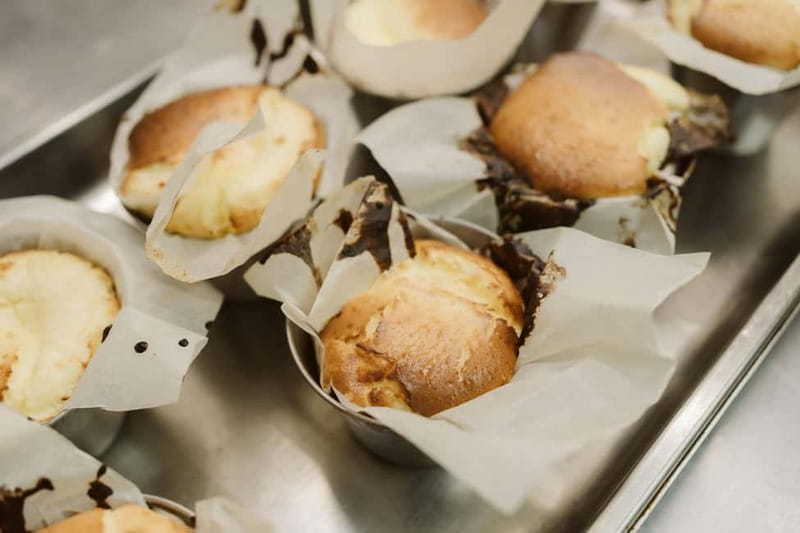
5) Basque burnt cheesecake
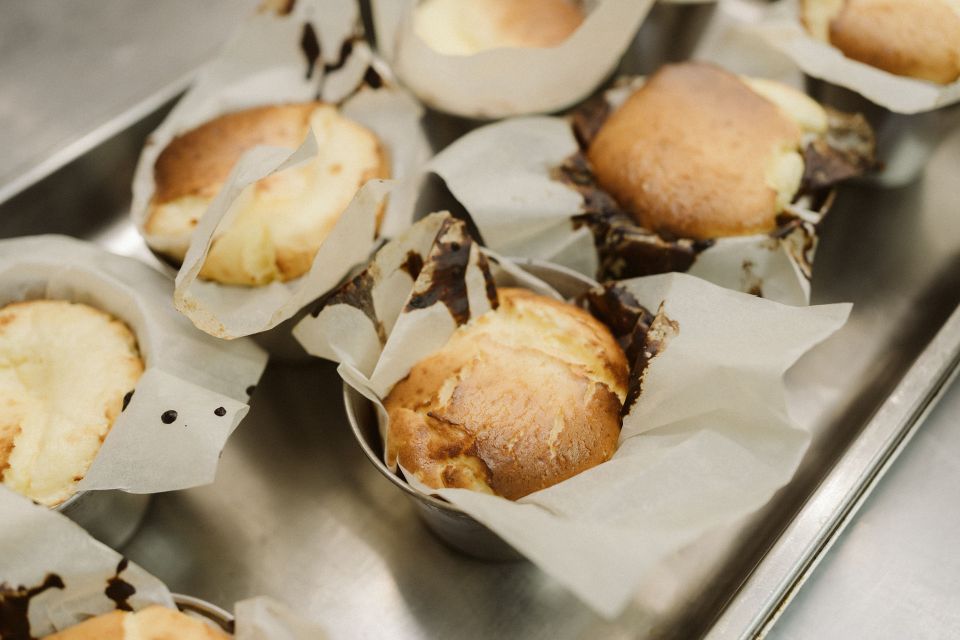
The finale is the famous Basque cheesecake, known for its deeply browned top and creamy interior. If you only learn one dessert skill from the class, make it this one.
You’ll get a feel for the technique that creates that classic “burnt” finish without turning the inside into a mess. It’s the sort of dessert that sounds simple, but needs real attention—exactly what a chef-led class is good at.
How Two Hosts Guide You Through a Hands-On 2.5 Hours
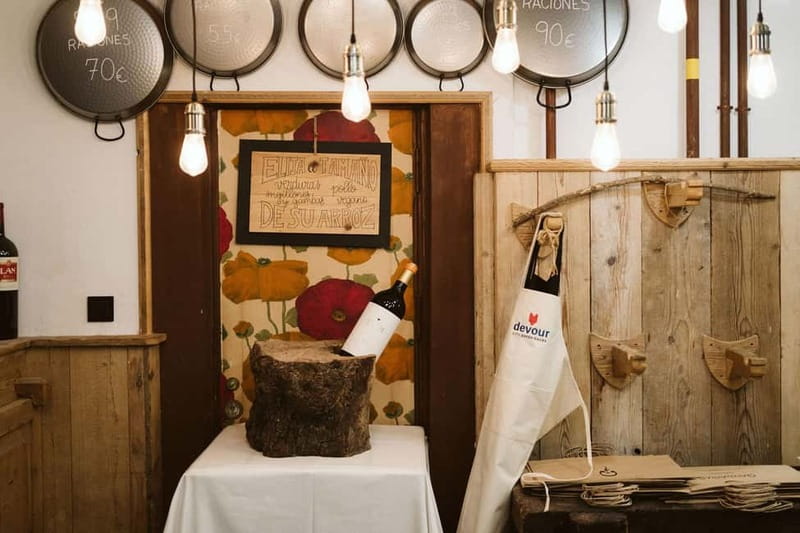
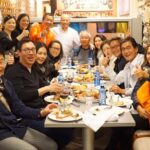
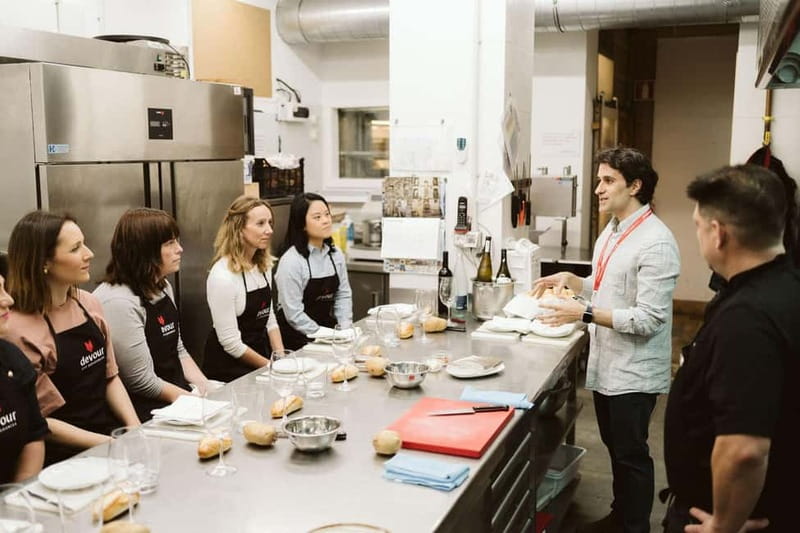
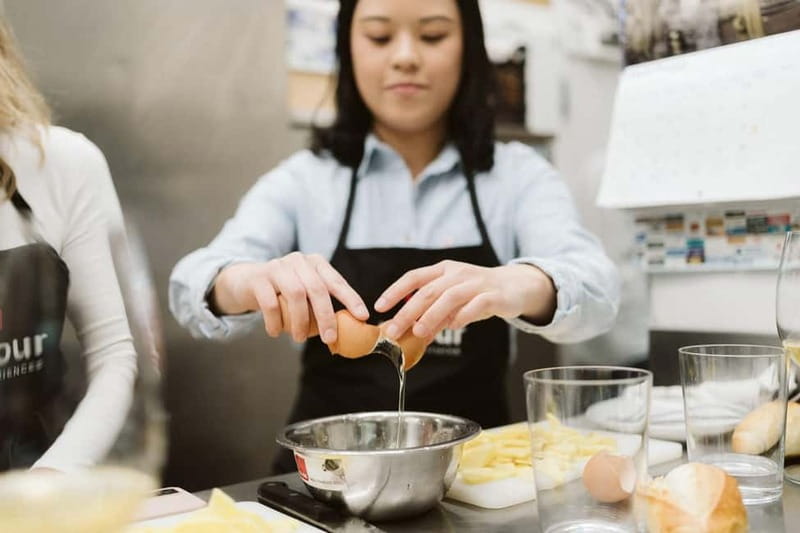
The format is relaxed and interactive. You’re not stuck passively watching the chef for the entire time. The class is designed so you participate as much or as little as you want, while the chef keeps the steps moving smoothly for everyone.
Because the group is capped at 10 participants, you get more attention than you would in a big workshop. That small size matters for two reasons:
First, it helps you ask questions while the ingredients are still in play.
Second, it keeps you from feeling lost when a step moves faster than a classroom.
From what people highlight in their feedback, clear explanations and patience are a big deal here. Guests have mentioned that the guide’s English is strong and that the chef explains each course step-by-step in a way you can actually repeat later.
You’ll also be walking through the “stories and cultural significance” behind dishes. That’s not just trivia. It helps you remember the flavors and how they connect to Basque food culture, especially when you’re shopping for ingredients at home.
Standing Up, Cooking Real Food: What This Experience Feels Like in Practice
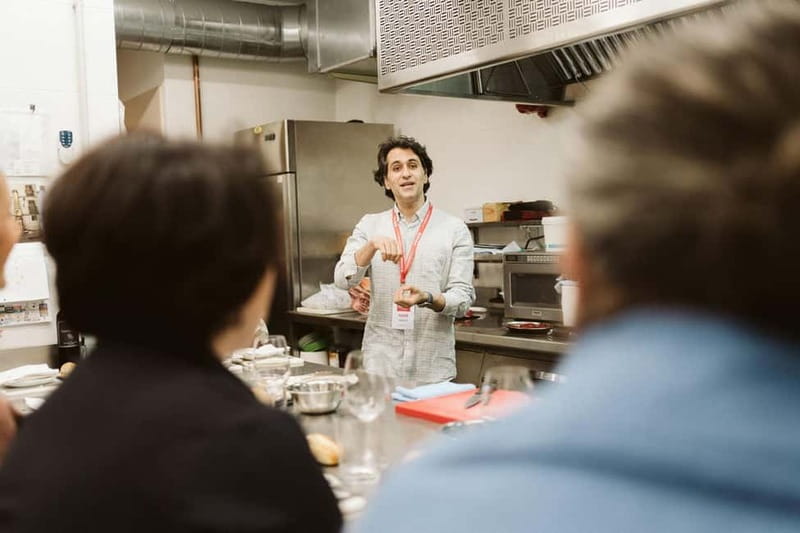
This is a practical, feet-on-the-floor experience. You’ll be in the Old Town, then cooking and eating in the restaurant kitchen setup. The whole thing runs about 2.5 hours, so it stays lively without dragging.
The hands-on portion can vary by dish and by the flow of the kitchen, but the goal is consistent: you make the recipes, then eat them. That turns the class into a full meal, not a snack-sized tasting.
One small but real factor: the experience is not suitable for children, and it’s also not set up for wheelchair access or strollers. If mobility is limited for you, this may be frustrating because the class happens standing and includes a walking segment in the pedestrian Old Town.
If you can handle a moderate walk and being on your feet, the trade-off is worth it. You get a kitchen-focused evening that ends with a table full of what you made.
Cider, Wine, and Ice Apple Cider: The Pairings That Make the Menu Click
A lot of classes toss in a drink at the end. Here, the drinks follow the meal structure. Each of the five dishes is paired with a drink, including Basque cider, red and white wine, and ice apple cider, a fermented beverage made from the natural juices of frozen apples.
What this does for you is simple: it teaches taste pairing through repetition. By the time you reach dessert, you understand why a specific drink works with a specific flavor.
Basque cider is also a learning moment. You’ll be taught how to pour it, which might sound small, but it’s part of the culture. People tend to remember this kind of detail because it’s both practical and interactive.
If you prefer not to drink alcohol, non-alcoholic options are available. For anyone who’s pregnant, the class is adaptable as well, so long as you plan ahead with the organizers.
Price and Value: Is $164 Worth It for a Full Basque Meal?
At $164 per person for about 2.5 hours, the price feels serious. But it lines up well with what you’re actually getting.
You’re paying for:
- a chef-led, hands-on kitchen experience
- a small group size (10 or fewer)
- five recipes cooked and eaten as a full meal
- multiple drink pairings with cider and wine
- recipes to take home and an apron
When a class includes all the food you make plus pairings, your cost becomes easier to justify. You’d likely spend a similar amount (or more) for a quality tasting meal and drinks alone, especially in a food-focused city like San Sebastián. The cooking instruction is what turns that dinner into something you can recreate.
Still, here’s the honest consideration. One past guest felt the experience leaned a bit more toward demonstration than cooking for them. So if you want maximum hands-on time at every step, go in expecting guidance plus participation, not full control of every process.
Where You Meet and How to Plan Your Evening in San Sebastián
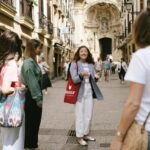
Meet at De Biteri Plaza, 1 (in front of San Ignatius church). Plan to arrive about 15 minutes early. Your guide will be holding a red bag or a Devour Tours sign.
Because this tour happens in the pedestrian Old Town, you won’t be fighting traffic or looking for parking. You will, however, be walking with your group. Wear comfortable shoes and bring water.
Once you’re inside the restaurant, you’ll store belongings in a closed area. The key point is that the experience itself keeps you moving around the kitchen area, so don’t bring anything bulky.
Who Should Book This Basque Cooking Class (and Who Might Skip It)
This class is ideal if you:
- love Basque food and want the recipes behind pintxos and classics
- enjoy cooking, even if you’re not a pro
- want small-group attention with a chef
- want a full meal with cider and wine pairings
- want take-home recipes and an apron for practice later
It’s a tougher fit if you:
- need wheelchair or stroller-friendly accessibility
- want a kid-focused activity (it’s not suitable for children)
- prefer a vegetarian/vegan or kosher-only menu (it’s not recommended for those)
For dietary needs, it can work with pescatarians, gluten free (not celiac), non-alcoholic options, and for pregnant women. If you have a sensitive allergy situation, you should confirm specifics directly when booking.
Should You Book It? My Practical Take
Book this class if you want Basque cooking taught in a real restaurant kitchen, with a small group, a chef, and a meal you’ll actually finish. The menu choices are spot-on: Gilda pintxo, tortilla de patatas, cod pil-pil, piquillo peppers, and Basque burnt cheesecake.
Skip it or think twice if you’re looking for a long, solo cooking session where you do every task without guidance. The experience is interactive, but it’s also structured and time-managed, so expect coaching and shared momentum.
If you’re visiting San Sebastián and you want one food-centered night that you’ll remember when you’re back home flipping a tortilla, this is a strong pick.
FAQ
Where is the meeting point for the cooking class?
You meet at De Biteri Plaza, 1, 20001 Donostia, Gipuzkoa, in front of San Ignatius church.
How long is the cooking class in San Sebastián?
It runs for about 2.5 hours.
Is the tour in English?
Yes. The live guide speaks English.
How big is the group?
The group is limited to 10 participants or fewer.
What dishes will you make and eat?
You’ll make and eat five Basque recipes: a Gilda pintxo, potato omelet, codfish in pil pil sauce, red piquillo peppers, and Basque burnt cheesecake.
Are drinks included with the meal?
Yes. The meal includes drink pairings such as Basque cider, red and white wine, and ice apple cider.
Do you get recipes to take home?
Yes. You receive copies of the recipes, plus an apron to take home.
What dietary changes can the class accommodate?
It’s adaptable for pescatarians, gluten free (not celiac), non-alcoholic options, and pregnant women. It is not recommended for vegetarian, vegan, or kosher diets.
Is it suitable for kids or people with mobility impairments?
No. It’s not suitable for children. It also isn’t suitable for guests with mobility impairments, wheelchairs, or strollers, since the experience is standing and in a pedestrian area.