REVIEW · TENERIFE
Tenerife: Discover Scuba Diving with Free Photos
Book on GetYourGuide →Operated by Ocean Friends Buceo and Freediving · Bookable on GetYourGuide
That first breath of air underwater stays with you. This Tenerife starter scuba outing is built for comfort: theory first, a calm shallow practice area, and then a scenic look up to 12 meters, plus free photos so you can remember it.
I love how the certified instructor stays with you end to end, including the equipment setup and the underwater communication basics. I also like that the underwater highlight is the island’s geology—volcanic rock formations paired with plenty of marine life, sometimes even a surprise sighting like an octopus.
One consideration: you must be able to swim, and as you go a bit deeper you should be ready for the fact that some people can feel sinus or ear discomfort. The good news is the plan is paced, and you can adjust with the instructor right there.
In This Review
- Key points at a glance
- Why Tenerife’s underwater volcanic formations work so well for first-timers
- Dock 5 at Marina del Sur: the easiest way to show up ready
- What happens before you go underwater: theory, gear, breathing basics
- The shallow-water practice: your pace is the curriculum
- The main underwater time: volcanic rock, marine life, and a 12-meter cap
- Safety without fuss: instructor support, insurance, and what you must do
- Motion and nausea: a small heads-up that could save your day
- Free photos: how they’re handled and how to avoid regrets
- Value check: does $105 make sense for a 3-hour first scuba outing?
- Who this suits best (and who should skip it)
- Should you book this Tenerife first scuba session?
- FAQ
- How long does the scuba experience take?
- Where is the meeting point?
- What is included in the price, and what costs extra?
- Do I need to know how to swim, and what’s the minimum age?
- How deep will we go?
- What languages do the instructors speak?
Key points at a glance
- Small group (max 10) means you get real attention instead of feeling like a number.
- Shallow-water start helps you build comfort before you move deeper.
- Up to 12 meters keeps the experience beginner-friendly while still feeling like real underwater time.
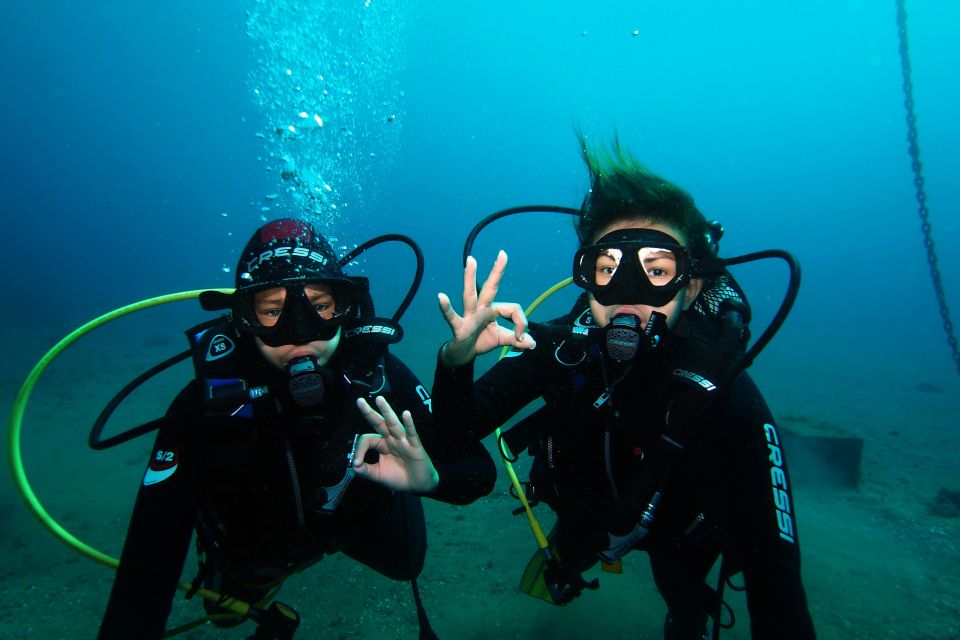
- Free photos included (usually 2 or 3 per person) so you don’t have to guess what you’ll want later.
- Certified instructor + insurance gives you a strong safety net for your first outing.
Why Tenerife’s underwater volcanic formations work so well for first-timers
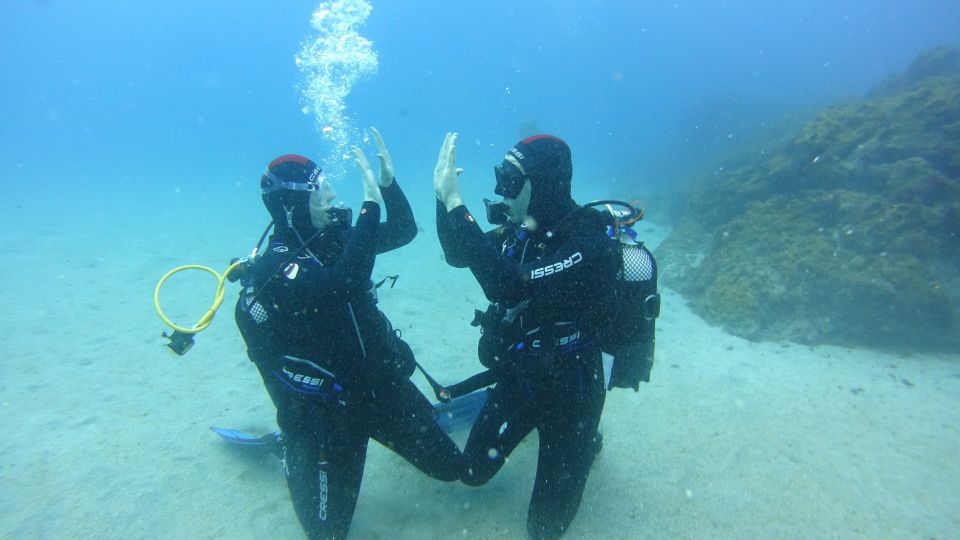
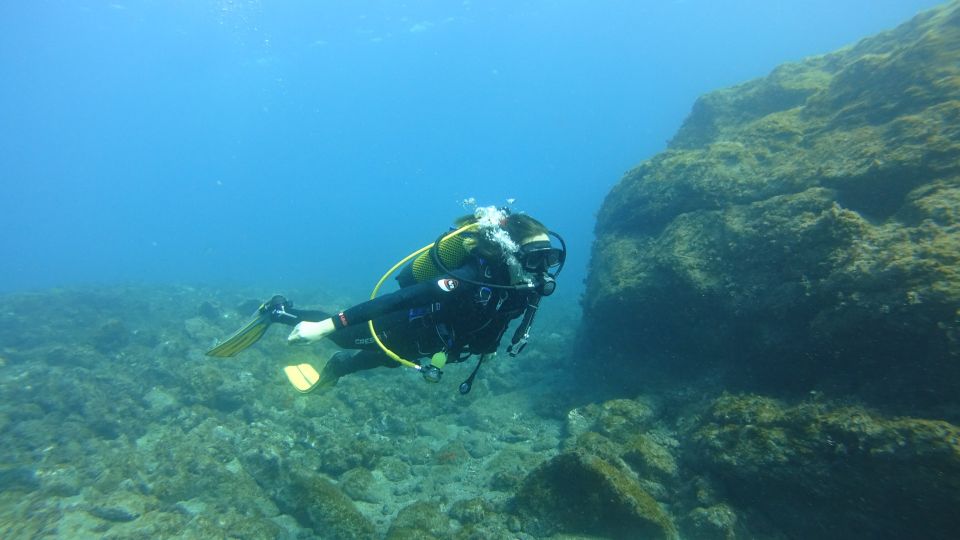
Tenerife is a volcanic island, and that shows up below the surface. On this experience, the “wow” factor isn’t just big fish or random coral. It’s the shapes of underwater volcanic rock—formation after formation that looks sculpted by nature, then softened by marine life moving around it.
Because this is designed for your first scuba outing, the route is built around confidence. You start in calmer, shallower water so your breathing gear and buoyancy feel less weird. Then you go deeper only after you’ve had time to get comfortable. That sequence matters. If you’ve ever seen someone try to rush learning how to breathe underwater, it rarely ends well. Here, the pacing is the point.
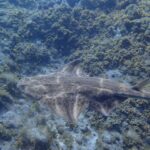
You’ll also see a mix of marine life—some groups have reported fish and at least one octopus sighting. That’s not guaranteed, but it’s exactly the kind of “quiet wow” you want on a first visit: living creatures using the volcanic structures as their backdrop.
You can also read our reviews of more scuba diving tours in Tenerife
Dock 5 at Marina del Sur: the easiest way to show up ready
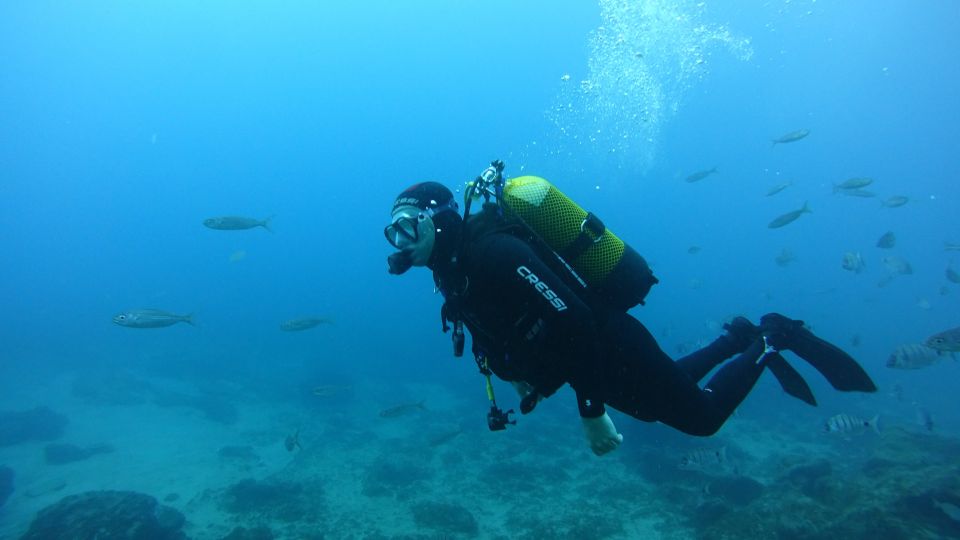
This starts at Marina South / Marina del Sur, in Puerto de las Galletas. Your meeting point is at Ocean Friends, dock 5. Arrive 15 minutes early so you’re not scrambling while you’re still changing into swimwear.
A practical heads-up: no hotel pickup or drop-off is included. So you’ll want to plan your own route to the marina ahead of time. If you’re staying on Tenerife, it’s doable as a day activity, but it helps to know the exact dock so you don’t waste energy on stress.
Bring a towel and swimwear. That’s it. There’s no mention of needing rash guards or special gear, so focus on being comfortable and on time. If you’re the type who always forgets the last thing, towel is the one to double-check.
What happens before you go underwater: theory, gear, breathing basics
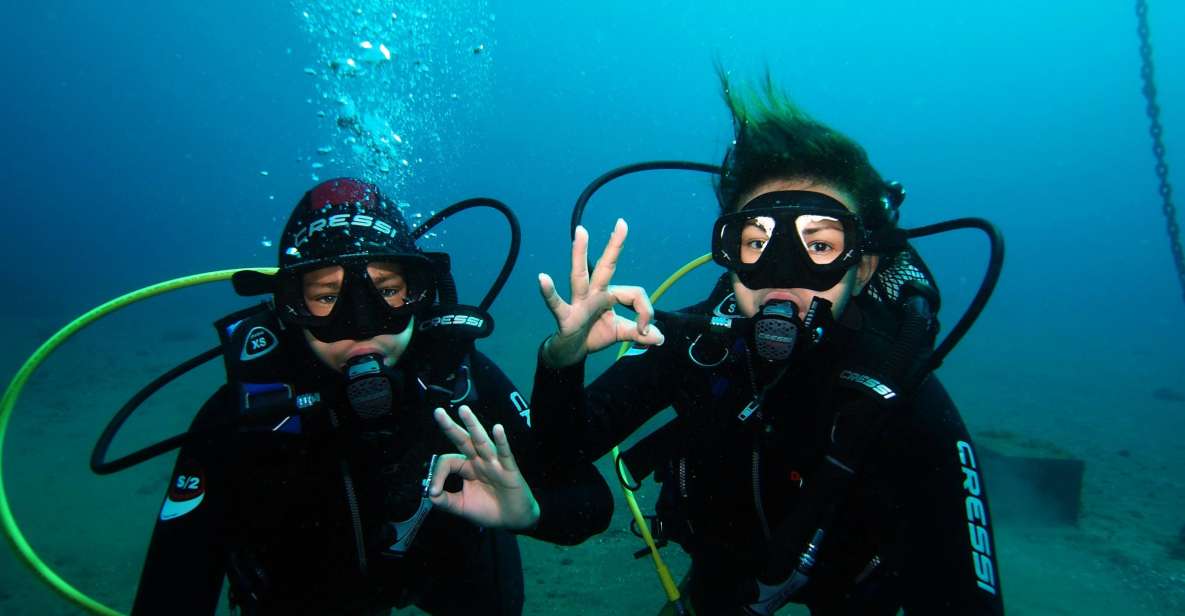
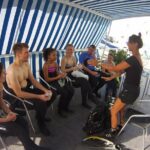
Before you ever hit the water, you get a lesson that covers the essentials. The goal is simple: you should understand what you’re doing, not just follow instructions like a robot.
You’ll cover:
- basic concepts of scuba use
- how to use the equipment
- breathing technique
- underwater communication
That last part is big. A lot of first-timers worry they won’t understand what’s happening underwater. If you know the signals and how you’ll communicate with your instructor, it takes the edge off fast. The training also helps you avoid common rookie mistakes—like trying to fight the equipment or forgetting how to stay relaxed.
Then you head to the beach area for your first hands-on practice. It’s described as a shallow, calm space, which is exactly what you want for learning. No drama, no wrestling with depth. Just reps.
The shallow-water practice: your pace is the curriculum
Your first practice happens in shallow, calm water. This is where you learn without being pushed past your comfort level. You can work at your own pace until you start feeling confident.
This part is more important than people think. On a first scuba outing, your biggest challenges are usually not the scenery. It’s the body learning new breathing rhythm and the mind getting over the shock of being weightless with gear on. Shallow practice gives you time to settle into that.
A small group helps here too. With a group limited to 10 participants, your instructor can spot what you’re doing and fix things early—like equipment position or how you’re controlling your breathing. One of the strongest recurring themes from past participants is that the instruction feels professional and patient, with a focus on safety and zero panic.
The main underwater time: volcanic rock, marine life, and a 12-meter cap
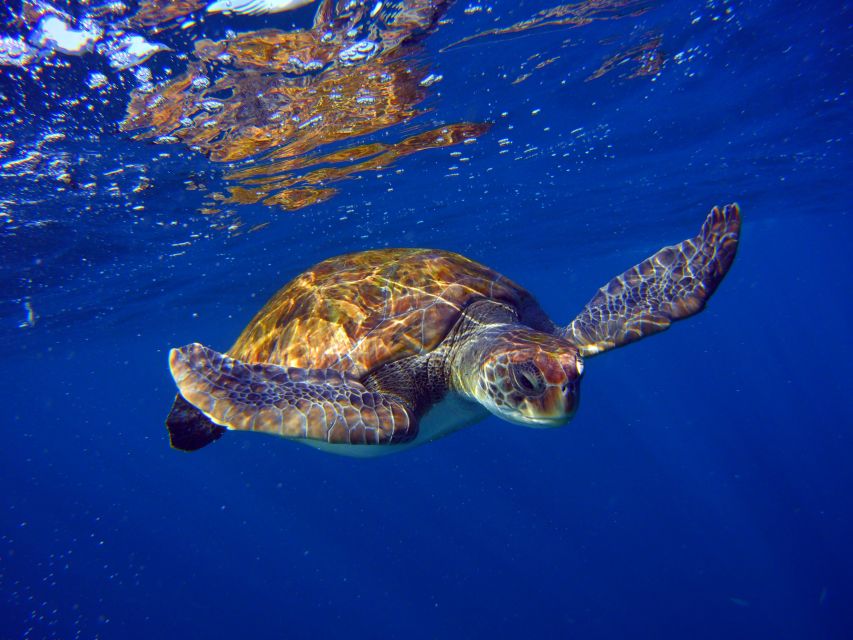
Once you’re comfortable, you go a bit deeper—maximum 12 meters. This is a sweet spot for first-timers. You get a real sense of being underwater, plus you’ll start noticing details that you can miss in very shallow water.
The highlight is the underwater volcanic formations. Even if you’re not a geology nerd, you’ll still feel the difference. Volcanic rock tends to create strong shapes, edges, and textures. Underwater, those features become “paths” for marine life. That’s why the scenery works alongside the animal sightings instead of feeling like two separate things.
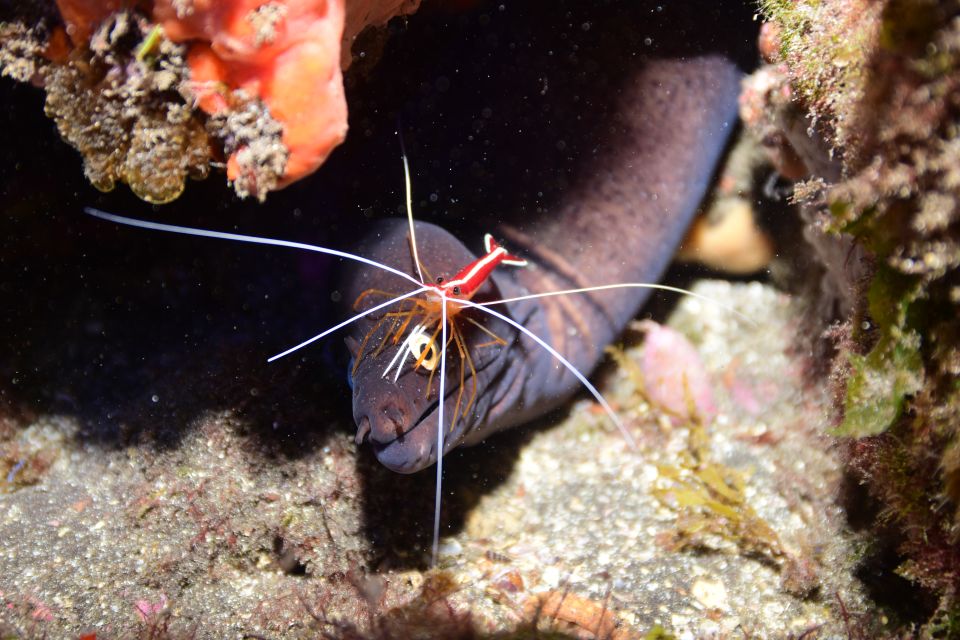
You’ll also see marine life during your session. Some reports include common fish and an octopus. Even if you don’t see an octopus, you’ll still get that sense of an ecosystem living on rock.
A smart caution: as you go deeper, listen to your body. One participant had sinus pain as they increased depth and the session ended early. That doesn’t mean something went wrong—it means the instructor experience includes adapting when your comfort or safety changes. If you know you’re prone to sinus or ear issues, it’s worth taking that seriously before you go.
You can also read our reviews of more photography tours in Tenerife

Safety without fuss: instructor support, insurance, and what you must do
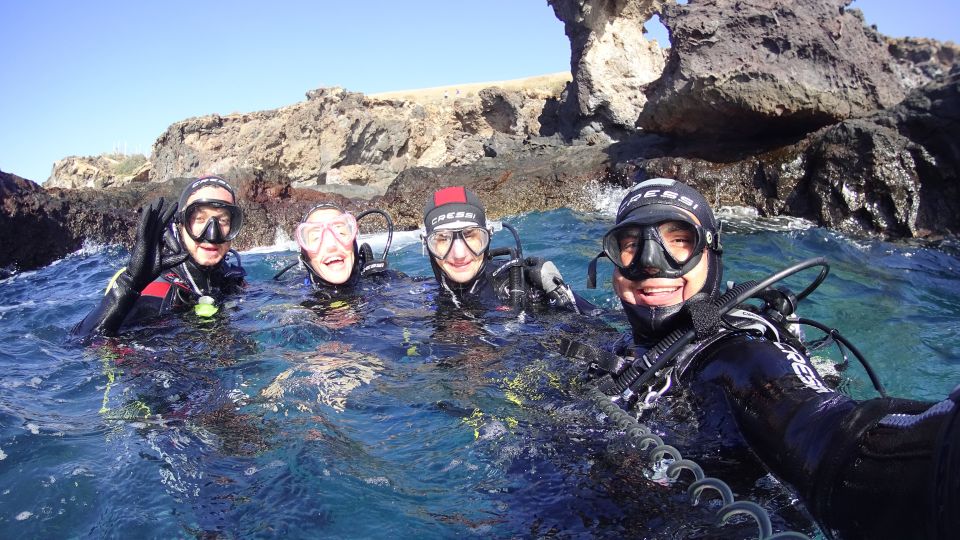
This activity is built around instructor support. You’re not left to figure things out. The certified instructor stays with you at all times and guides the whole process—from gear to breathing to underwater communication.
That matters because scuba is not just “getting wet.” It’s controlled breathing and controlled movement. When the instructor is there, you can ask questions, adjust, and stay calm.
Insurance is included, which is a real value point. It’s not flashy, but it’s comforting—especially on a first-time activity.
Now your responsibilities:
- You must be able to swim.
- Being able to swim is mandatory, not optional.
- Don’t plan to fly or go to high places for 24 hours after your scuba session. The guidance specifically calls out places like Mount Teide as a no-go.
Also, it’s not recommended for pregnant women. And the minimum age is 10 years. If anyone in your group is close to the minimum, I’d treat it as a readiness issue: swimming ability and comfort matter.
Motion and nausea: a small heads-up that could save your day
One participant reported needing to take care of nausea after returning to the surface, and they suggested taking an anti-nausea tablet beforehand. That doesn’t mean you will feel sick. But if you’re prone to motion discomfort, I’d plan for it.
If you’re unsure what to take, talk with your doctor or pharmacy before your trip. I’m not going to play medication hero here. I just know that the earlier you plan, the smoother your day is.
Free photos: how they’re handled and how to avoid regrets
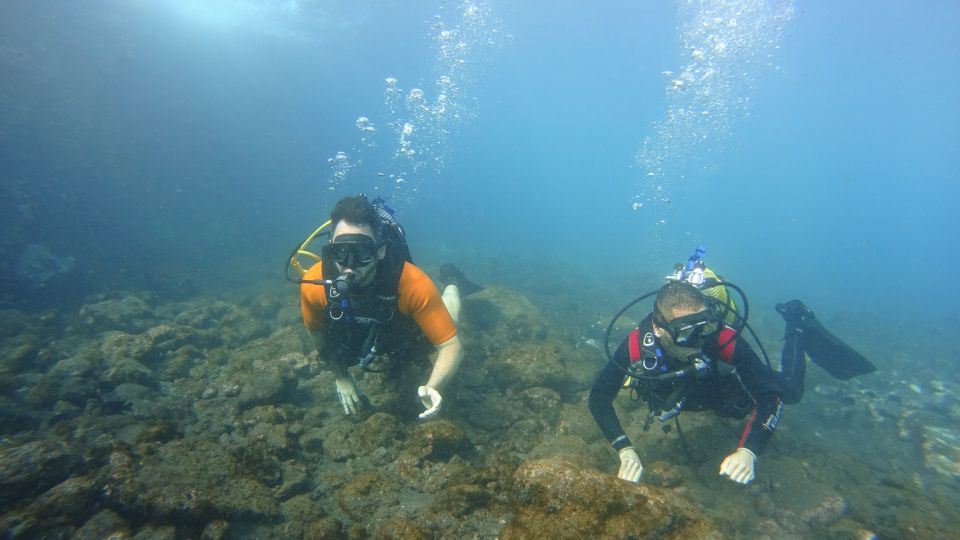
Photos are part of the experience. During the activity, photos are taken and then 2 or 3 per person are sent. You also have an option to purchase more photos and video (video is available to buy).
This is a good value approach because it lowers the risk. If you’re the kind of person who hates paying for extras before you know if you’ll like the photos, this solves that. You’ll see what you get first.
Practical tip: treat it like a chance to document. Bring a positive attitude underwater—because you’re likely to look better in photos when you’re relaxed. You don’t need to perform. You just need to breathe steadily and follow the instructor’s cues.
And yes, the inclusion of photos is a key reason the price can feel fair.
Value check: does $105 make sense for a 3-hour first scuba outing?
At $105 per person, what you’re really buying is guided training plus equipment plus instructor time plus insurance plus photos. That bundle matters.
Here’s why it can be good value:
- Diving equipment is included, so you don’t need to rent or buy anything.
- A certified instructor is included, which is the heart of a first-timer experience.
- Insurance is included, which is often the hidden cost in unstructured activities.
- Photos are included, typically 2 or 3 per person.
What’s not included:
- hotel pickup/drop-off
- meals and drinks
- extra video (optional to purchase)
So the real value depends on how independent you are about getting to the marina and handling your own food. If you can get to Marina del Sur easily and you don’t mind grabbing a meal before or after, this is a solid deal for your first underwater training session.
Also, the duration is listed as 3 hours, but the activity time can total between 1.5 and 3 hours depending on group size. That flexibility is normal. On a smaller group day, you’ll probably spend less waiting and more doing.
Who this suits best (and who should skip it)
This is a strong option if:
- you’re new to scuba and want a structured first session
- you want an instructor-led setup and ongoing support
- you like the idea of volcanic underwater formations in a beginner-friendly depth range
- you want photos included without paying upfront for a full photo package
It’s not a fit if:
- you can’t swim
- you’re under 10 years old
- you’re pregnant (it’s not recommended)
- you have reasons you can’t follow the “no flying/high places for 24 hours” rule
If you have medical concerns like sinus or ear sensitivity, you should plan carefully. The experience can be paced, but your body has the final vote. Tell the instructor if anything feels off.
Should you book this Tenerife first scuba session?
I’d book this if you want a safe, beginner-friendly introduction with real coaching and the scenery you came for—volcanic underwater formations and marine life—plus photos you can keep. The small-group limit and the instructor-led pacing are the parts that make it feel worth it.
Skip it if swimming isn’t comfortable for you, if you can’t do the 24-hour post-session travel restriction, or if you’re pregnant. And if you’re prone to nausea, go in prepared.
If you’re ready to trade daydreaming about underwater scenery for an actual first underwater session with support, this one is a smart choice on Tenerife.
FAQ
How long does the scuba experience take?
The activity duration is listed as 3 hours, but the total time can run between 1.5 hours and 3 hours depending on the number of people in the group.
Where is the meeting point?
Meet at Ocean Friends at Marina del Sur (Puerto de las Galletas), dock 5.
What is included in the price, and what costs extra?
Included: diving equipment, a certified instructor, insurance, and photos. Not included: hotel pickup/drop-off, meals and drinks, and video (video is available to purchase).
Do I need to know how to swim, and what’s the minimum age?
Yes, being able to swim is mandatory. The minimum age to participate is 10 years.
How deep will we go?
The experience includes going a bit deeper after shallow practice, with a maximum depth of 12 meters.
What languages do the instructors speak?
The instructor speaks Spanish and English.