REVIEW · VALENCIA
Valencia: Essentials and World Heritages Sites Walking Tour
Book on GetYourGuide →Operated by Turiart · Bookable on GetYourGuide
Three UNESCO stops in one tight walk. This 2-hour Valencia Essentials and World Heritages Sites walking tour is built around the city’s World Heritage highlights, with an interior visit to Lonja de la Seda plus story-rich context for the Water Tribunal and Fallas. I love how the route turns landmark sightseeing into a clear thread about Valencia’s past and present, and how the bilingual local guide (English-led) makes the details land.
Two things I like a lot: first, you get inside the Silk Exchange instead of just standing outside for photos. Second, guides such as Gabor, Maria, Sara, and Sofi come across as friendly and easy to follow, with clear explanations and lots of practical ideas for what to do next. The main drawback is simple: your pacing depends on monument openings, and if the Silk Exchange is closed due to an event, you’ll need to use the provided ticket alternative, which can shift your afternoon.
In This Review
- Key highlights worth your time
- Start at Estación del Norte and get your bearings fast
- What the 2-hour pace feels like on the ground
- Entering Lonja de la Seda: the Silk Exchange, up close
- Tribunal de las Aguas: a World Heritage tradition tied to water
- Fallas explained: ephemeral art, fire, and fireworks
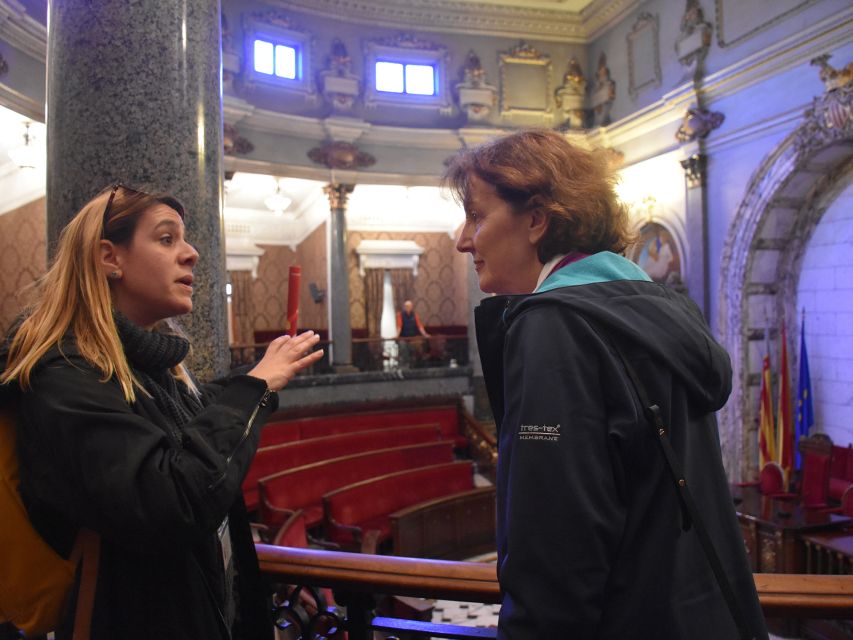
- City Hall entry and the civic side of Valencia
- How much is $21 worth for an essentials UNESCO walk?
- Small-group energy, lots of Q&A, and guides with personality
- After the tour: how to keep the momentum going
- Who should book this walking tour?
- Should you book the Valencia Essentials and World Heritage Sites tour?
- FAQ
- What is the duration of the Valencia Essentials and World Heritages Sites Walking Tour?
- How much does the tour cost?
- Where is the meeting point?
- What’s included in the ticket price?
- Which World Heritage sites are covered?
- What happens if the Silk Exchange is closed during the visit?
- When can you visit City Hall on this tour?
- What language is the tour guide?
- Is this tour wheelchair accessible, and what are the cancellation options?
Key highlights worth your time
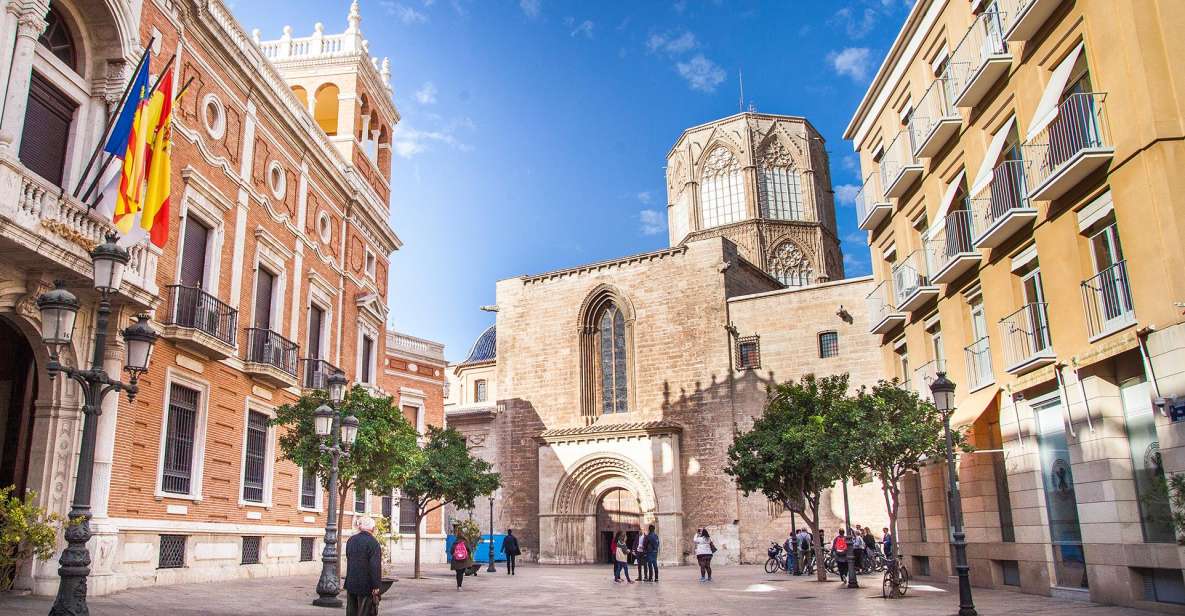
- UNESCO focus in a short 2-hour walk covering all three World Heritage properties tied to Valencia
- Entrance included for Lonja de la Seda (Silk Exchange) so you see more than the street view
- Civic Valencia at City Hall with an included entry when it’s open
- Fallas explained as culture, not just fireworks with how the festival’s ephemeral art fits in
- A local bilingual guide who gives context and real-world recommendations
- Backup plan if Lonja is closed (ticket delivery or an exchange option)
Start at Estación del Norte and get your bearings fast
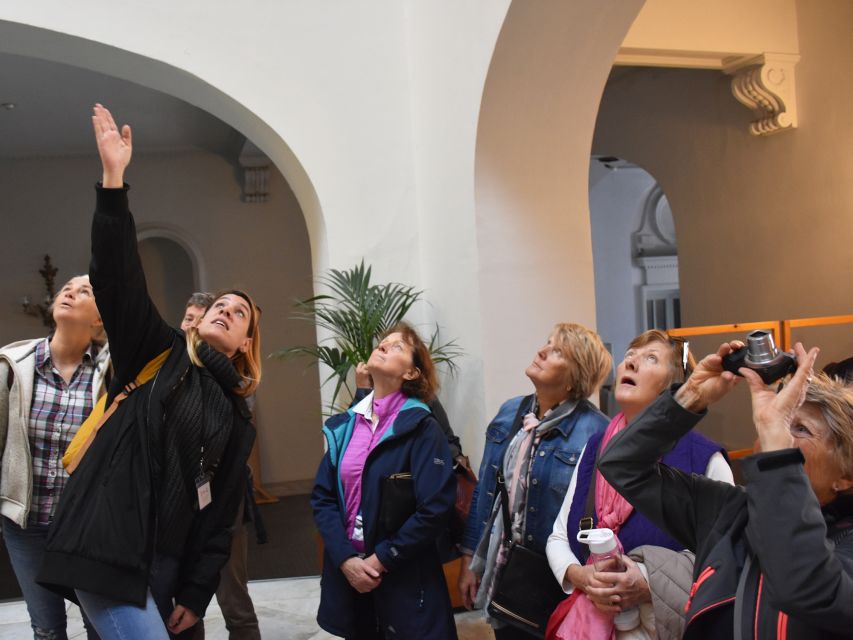
The tour meets at the Tourism Hub in Estación del Norte, the north station by Valencia’s main rail lines. Stand at Carrer de Xàtiva 24, look for the West Tower on the right-hand side when you face the station, and head to the ground floor. If you’re using the metro, the stop is Xàtiva, which makes it pretty easy to tie this into your first or second day.
This matters more than it sounds. Valencia’s historic center can feel like a puzzle at first, and a guided start here helps you walk in the right direction without spending time re-checking maps every 30 seconds. You’ll also get a clear sense of how the city’s UNESCO sites fit into everyday streets, plazas, and institutions—so you’re not just collecting stops, you’re building a mental map.
The tour is designed to be straightforward: English-led with a live guide, and it’s listed as wheelchair accessible. In real life, that usually translates to an easy pace and a route that doesn’t feel like a forced march.
You can also read our reviews of more walking tours in Valencia
What the 2-hour pace feels like on the ground
This is a 2-hour walking tour, built as an essentials-style overview. The selling point is not speed; it’s efficiency. You hit major anchor points tied to Valencia’s World Heritage listings, then you leave with enough context to choose what you want to explore longer on your own.
From the guide style praised on the tour, expect explanations that come at a usable pace—enough to learn, not so fast that you’re playing catch-up. Many people specifically call out that the walking distances feel limited, making it a good fit if you’re visiting with older relatives, kids who can handle a couple hours, or just anyone who doesn’t want their vacation turned into an endurance test.
Also, this is the kind of activity where questions work. If you’re curious about why Valencia celebrates what it celebrates—like how Fallas links to identity—or you want help planning the rest of your day, the format gives you space to ask instead of just following along like a human GPS.
Entering Lonja de la Seda: the Silk Exchange, up close
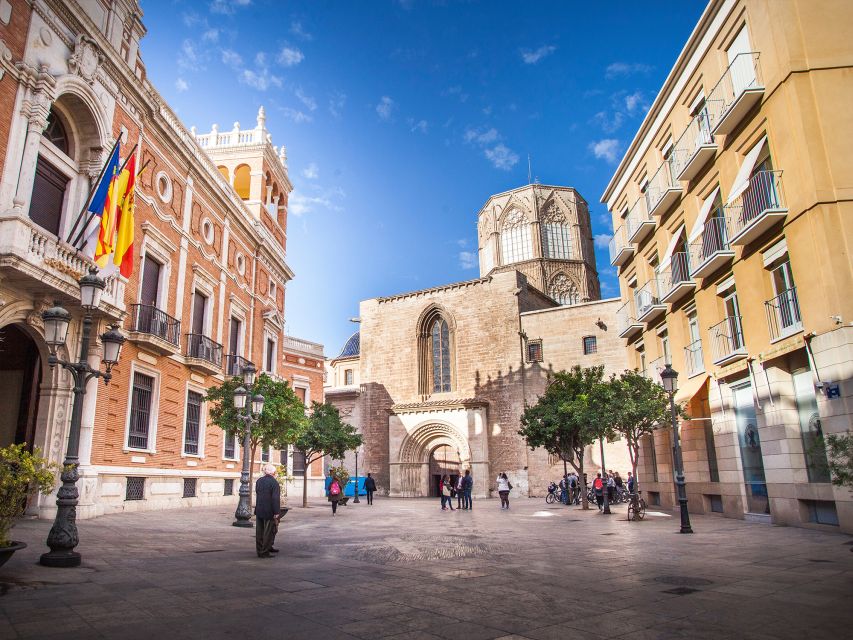
One of the tour’s biggest perks is that it includes the entrance fee to Lonja de la Seda (Silk Exchange), when the monument is open. That means you’re not stuck at the perimeter. You see the site as an interior experience, which changes how the whole story clicks.
Lonja de la Seda is one of Valencia’s UNESCO World Heritage properties, and this tour doesn’t treat it like trivia. The guide connects the Silk Exchange to Valencia’s broader identity—how the city’s historic commercial life shaped what you see today, and why this building is preserved as a key cultural reference point.
Here’s the practical part to know: sometimes monuments have event-related closures. The tour provider spells out what happens if the Silk Exchange is closed during your visit. They’ll either send the tickets to you so you can enter later in the afternoon by yourself, or they’ll try to exchange them for another museum/monument for the same amount. In either scenario, your afternoon plans may need a small adjustment, but you’re not left empty-handed.
Tribunal de las Aguas: a World Heritage tradition tied to water
The tour’s UNESCO focus isn’t only about grand buildings. You also learn about the Tribunal de las Aguas, listed as one of Valencia’s World Heritage properties. Even if you come in knowing almost nothing about the Water Tribunal, the guide’s job is to make it feel understandable and connected to Valencia’s life—past and present.
What you’ll get from this part of the walk is perspective. A UNESCO listing like this isn’t just about a location; it’s about a cultural practice. So instead of treating the Water Tribunal as another photo stop, you’ll leave with a clearer sense of why Valencia values this civic tradition and how it represents the city’s relationship with water and community rules.
If you like cultural practices—things people do, not only places people built—you’ll probably enjoy this stop a lot. It also pairs well with the City Hall segment, because both help explain how Valencia organizes civic life.
Fallas explained: ephemeral art, fire, and fireworks
Fallas is the third leg of Valencia’s UNESCO trio in this tour, and the format helps you understand it without needing the festival calendar in your head. You’ll discover how Fallas is an annual festival featuring ephemeral art, fire, and fireworks, and you’ll get the background that makes the event feel more like culture than spectacle.
Even when you visit outside the main dates, this is still useful. Fallas is about the city’s storytelling—how it turns creativity into something visible and temporary. A guided explanation helps you notice the logic behind the tradition, so when you later see references around town, you’ll recognize what they’re pointing to.
This is also a good stop for practical listening. If you’re the type who asks, What should I do during the festival? this tour sets you up with better questions. And if you’re the type who just wants to understand why locals care, the guide’s role is to make that emotional context come through.





City Hall entry and the civic side of Valencia
The tour includes an entrance fee to the City Hall, as long as it’s open. That’s a real value add, because it means you’re not only learning about civic life from the street; you also step into a key institution. One more useful detail: the guided City Hall visit is on working days unless an official event is taking place.
If you’re someone who likes institutions—how cities govern, how public spaces reflect priorities—you’ll likely enjoy the City Hall stop. It helps connect Valencia’s monuments to the way the city operates as a society. And because this tour is built around UNESCO properties, it reinforces that cultural heritage isn’t only about old stones; it’s also about organized civic identity.
The pace here is usually smooth. You’ll be moving between viewpoints and then pausing long enough for explanations to land. It’s a good blend for first-timers who want context but still want time to roam after the tour.
How much is $21 worth for an essentials UNESCO walk?
At $21 per person for a 2-hour experience, the value comes down to what you don’t have to plan. You’re paying for a guide plus entrance fees tied to the two big interior components: Lonja de la Seda and City Hall (when open). That combination saves both time and decision-making during your trip.
If you tried to DIY this, you’d have to:
- find the right meeting spot,
- figure out opening times,
- and connect the UNESCO dots yourself.
This tour does the connecting work, and it does it on foot while you’re in the neighborhoods where the stories make sense. The other value is emotional. People often finish these essentials walks saying the city finally clicked—because the guide gave names, reasons, and context. That’s hard to replicate if you’re just following a map pin.
The trade-off is also honest: two hours can’t replace days of wandering. After the tour, you’ll probably want to return to places you cared about most, especially the Silk Exchange and the areas around the civic sites.
Small-group energy, lots of Q&A, and guides with personality
The guides on this tour have a consistent pattern in the feedback: friendly approach, clear English, and explanations at a pace that keeps you engaged. You’ll see names like Gabor, Maria, Sara, Sofi, and Carlos showing up often, and people regularly mention that they answer questions and give recommendations for what to do after.
That matters because Valencia rewards curiosity. If you’re the kind of traveler who stops to ask why a tradition exists or how a festival connects to everyday life, you’ll get more from this tour than someone who only wants the quickest highlights.
Group size can also make a difference. Some departures feel small enough that you can actually talk with the guide rather than shouting over the crowd. If that’s your style, arrive a few minutes early and be ready to join in.
After the tour: how to keep the momentum going

This walk is a first-day or second-day tool. It gives you the scaffolding so your later wandering feels purposeful. When you leave, you’ll know what mattered most for Valencia’s UNESCO story: the Silk Exchange, the Water Tribunal tradition, and Fallas, plus the civic context of City Hall.
Here’s how to use that smartly:
- Pick one or two themes you liked most (trade and heritage at Lonja, civic ritual at Tribunal, festival culture at Fallas).
- Use your guide’s direction to choose what to revisit without over-scheduling.
- If the Silk Exchange didn’t work out due to an event, follow the provided ticket instructions right away so it doesn’t get lost in your afternoon plans.
Also, ask for practical follow-up. The best tours aren’t just a walk; they’re a relationship with the city. When the guide is giving restaurant or sightseeing suggestions, it’s usually because they’ve seen what works for different budgets and time limits.
Who should book this walking tour?
Book it if you:
- want a UNESCO-first introduction to Valencia in just 2 hours
- prefer a guide-led route with entrance fees included
- care about cultural practices like Fallas and not only monuments
- want an easy, manageable pace rather than long sightseeing sprints
- want English explanations and a local perspective
It’s also a good fit if you’re traveling with mixed ages, since people describe the walking distances as minimal and the overall experience as appropriate for different energy levels.
If you’re a serious architecture historian or you want deep museum time, you might find this tour feels short. In that case, use it as a launchpad and plan to return on your own for longer stops.
Should you book the Valencia Essentials and World Heritage Sites tour?
I think you should book this tour if your priority is clarity and value: UNESCO sites, a real interior visit to Lonja de la Seda, and City Hall access when open—all wrapped into a guided walk that keeps you oriented. It’s also a smart pick when you’re tight on time but still want to understand what makes Valencia more than just a pretty old town.
Skip or switch plans if you absolutely need uninterrupted monument time in one afternoon, because the Silk Exchange can be affected by events and the tour’s backup plan may change your schedule.
FAQ
What is the duration of the Valencia Essentials and World Heritages Sites Walking Tour?
The tour lasts 2 hours.
How much does the tour cost?
It costs $21 per person.
Where is the meeting point?
Meet at the Tourism Hub at Estación del Norte (north station of the main railway station), West Tower on the right-hand side when facing the station, ground floor, Carrer de Xàtiva 24. The metro station is Xàtiva.
What’s included in the ticket price?
The price includes the entrance fee to the Silk Exchange (Lonja de la Seda) (according to opening), the entrance fee to the City Hall (according to opening), and a tour guide.
Which World Heritage sites are covered?
The tour focuses on three World Heritage properties: Lonja de la Seda (Silk Exchange), the Tribunal de las Aguas (Water Tribunal), and Fallas.
What happens if the Silk Exchange is closed during the visit?
If Lonja de la Seda is closed due to an event during your visit, the provider will offer to send the tickets so you can enter in the afternoon, or they will try to exchange them for another museum/monument with the same amount.
When can you visit City Hall on this tour?
The guided City Hall visit is on working days, except if an official event is taking place.
What language is the tour guide?
The live tour guide is English.
Is this tour wheelchair accessible, and what are the cancellation options?
The tour is wheelchair accessible. You also get free cancellation up to 24 hours in advance for a full refund, with a reserve now & pay later option.