REVIEW · BARCELONA
Barcelona: 2.5-Hour Gaudí Segway Tour
Book on GetYourGuide →Operated by City Tours on Bike-eBike-Segway · Bookable on GetYourGuide
Segway through Gaudí beats walking. This 2.5-hour ride takes you through Barcelona’s Eixample and Gràcia, threading between big-name sights like the Sagrada Família and the showy Modernisme buildings on Passeig de Gràcia, all with a guide watching the flow. I like the mix of famous landmarks and slightly off-the-main-path architecture, and I also like that the pace keeps you moving without feeling rushed. One thing to weigh: you need to fit the Segway rules and be comfortable learning a new way to get around.
If you’re short on time but still want real architecture vibes, this tour is built for that. You’ll start near the Arc de Triomf, get coached on riding, then spend the bulk of your time in the photogenic corridor around Passeig de Gràcia and the nearby modernist streets, with a Gràcia stop for atmosphere. Bonus: you get one drink included, and the route is designed for easy sight-seeing rather than long, exhausting walking.
In This Review
- Key things I’d mark on your must-do list
- Why this Gaudí Segway route works in Barcelona
- Meeting at Passeig de Lluís Companys: training you’ll actually use
- Arc de Triomf to the first photo stops: get your bearings fast
- Passeig de Gràcia riding: Casa Milà and Casa Batlló in context
- Casa Amatller and Casa de les Punxes: Modernisme with character
- The Sagrada Família neighborhood stop: what to look for
- La Monumental and the stretch toward harbor views
- Gràcia’s Plaza de la Vila de Gràcia: the mood shift worth it
- Price and value: what $42 buys for 2.5 hours
- Fit check: who this tour suits best
- Who should consider skipping (or choosing differently)
- Should you book this Gaudí Segway tour?
- FAQ
- How long is the Gaudí Segway tour?
- Where do I meet the guide?
- What’s included in the price?
- What languages are the guides?
- What are the minimum requirements to ride?
- Is the tour suitable for pregnant women?
- Is the tour accessible for people with mobility impairments?
- Does this tour offer small groups or private options?
- What cancellation options are available?
Key things I’d mark on your must-do list
- Arc de Triomf start with a proper safety briefing and an easy first glide
- Passeig de Gràcia riding time right where the famous façades crowd together
- Casa Batlló and Casa Milà viewpoints from the outside, plus context from your guide
- Casa Amatller and Casa de les Punxes for faces of Catalan Modernisme most people skip
- La Monumental stop at the old bullring site with historical framing
- Plaza de la Vila de Gràcia for small-street charm and that distinct neighborhood feel
Why this Gaudí Segway route works in Barcelona
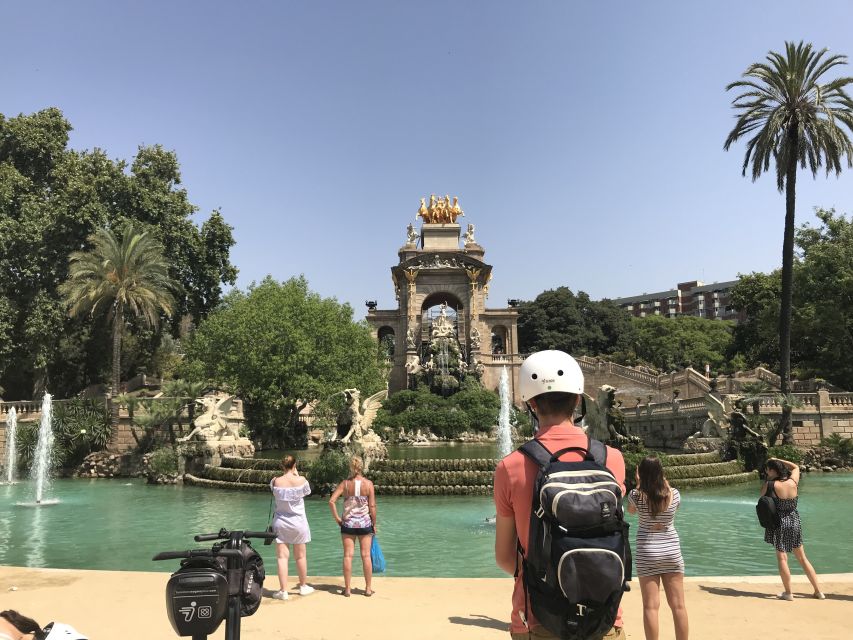
Barcelona is great on foot, but it can be slow when your day is packed. This tour solves that problem by using a Segway to cover ground quickly while still giving you time to look up at details you’d miss at street speed.
I especially like how the route is anchored in the city’s most architectural districts. Eixample’s grid makes navigation easier for you, and Gràcia’s low-rise lanes feel like a different mood shift. Add in the guided stops, and you get more meaning than you would from a bus tour or a self-guided sprint.
The other big plus is that the experience is designed around “seeing” rather than “getting tired.” You’ll do a short training, then mostly ride between photo points and exterior views of key buildings. That matters if you’ve got limited energy, limited time, or you just want a smarter way to do Barcelona’s Modernisme highlights.
You can also read our reviews of more tours and experiences in Barcelona.



Meeting at Passeig de Lluís Companys: training you’ll actually use
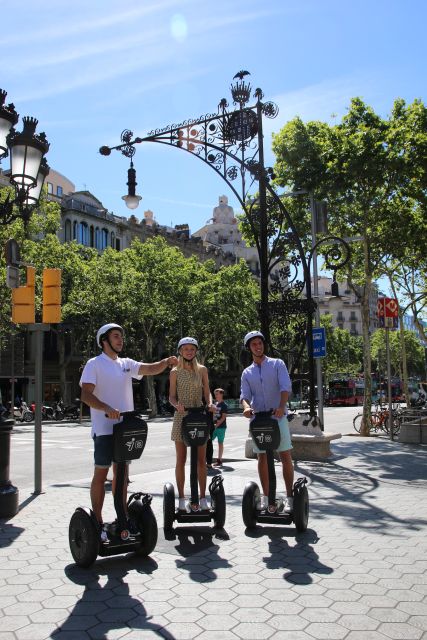
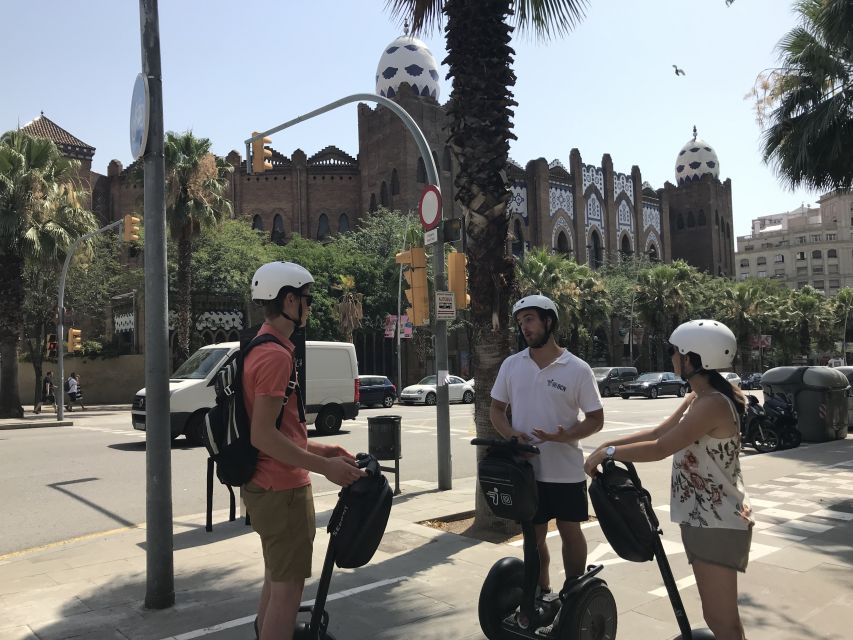
You meet at Passeig de Lluís Companys 10, where you’ll handle the practical stuff before you start rolling. You get helmet, safety equipment, and training, which is a big deal because the tour runs through pedestrian-heavy streets.
Here’s what you should expect from the training stage: you’ll learn how to control speed, start and stop, and handle turns safely. Local regulations also shape who can ride—participants must be at least 16, at least 110 cm tall, and weigh between 35–120 kg (not exceeding 120 kg). Riders also need the ability to make motions similar to climbing and descending stairs without assistance.
If you’re traveling with a group, keep in mind that small groups run about 2–6 people per guide, and bigger groups get split up with multiple guides for safety. I like this approach because it usually means you’re not stuck behind slow riders or squeezed into an awkward line.
Arc de Triomf to the first photo stops: get your bearings fast
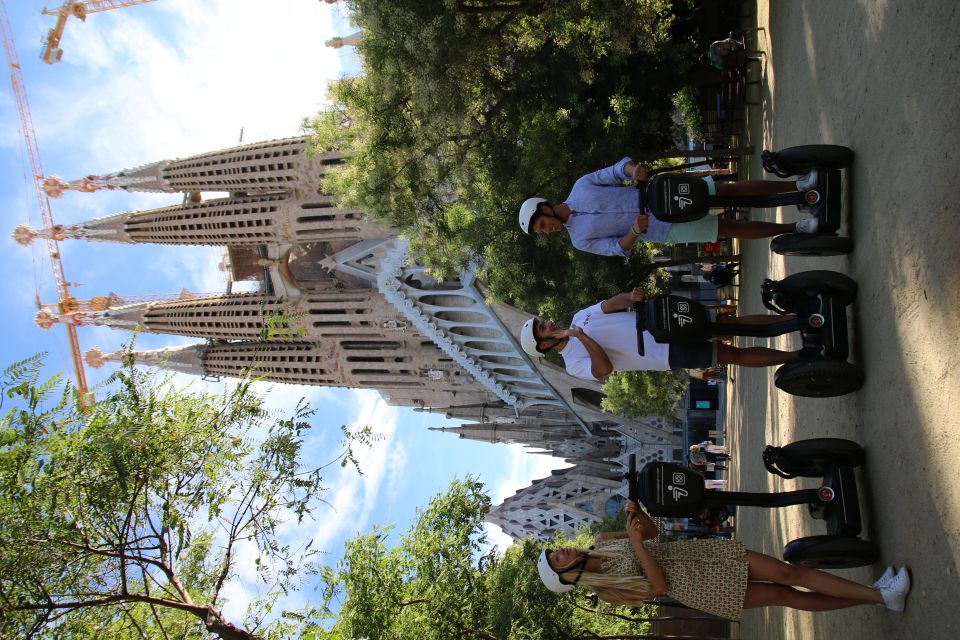
The tour kicks off near the Arc de Triomf on Lluís Companys Avenue. This is a strong start point because it gives you a sense of direction early, and it’s wide enough to help you settle in before the more sightseeing-dense parts of town.
Your first stop includes guided sightseeing and a photo break, along with the final push to ride confidently around pedestrians. One of the most helpful parts of the early section is simply learning how your guide manages spacing. In the better-guided groups—based on what I’ve seen in guide feedback—guides like Alex, Edwin, and Nico are praised for keeping things moving at a steady pace while staying calm and safe.
Tip for you: treat the first segment as your practice window. If you’re nervous, the first stop is when you ask questions. Once you hit the main architecture strip, you’ll want your body to feel automatic on the Segway.
Passeig de Gràcia riding: Casa Milà and Casa Batlló in context
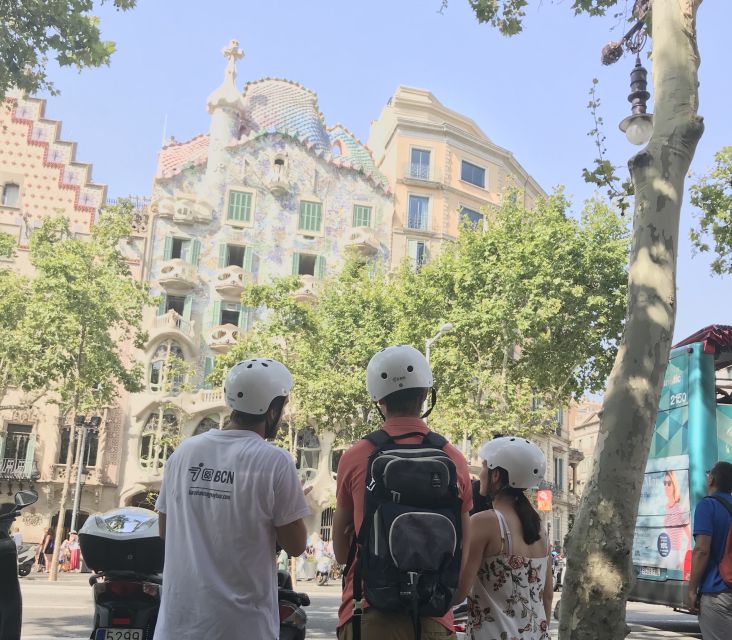
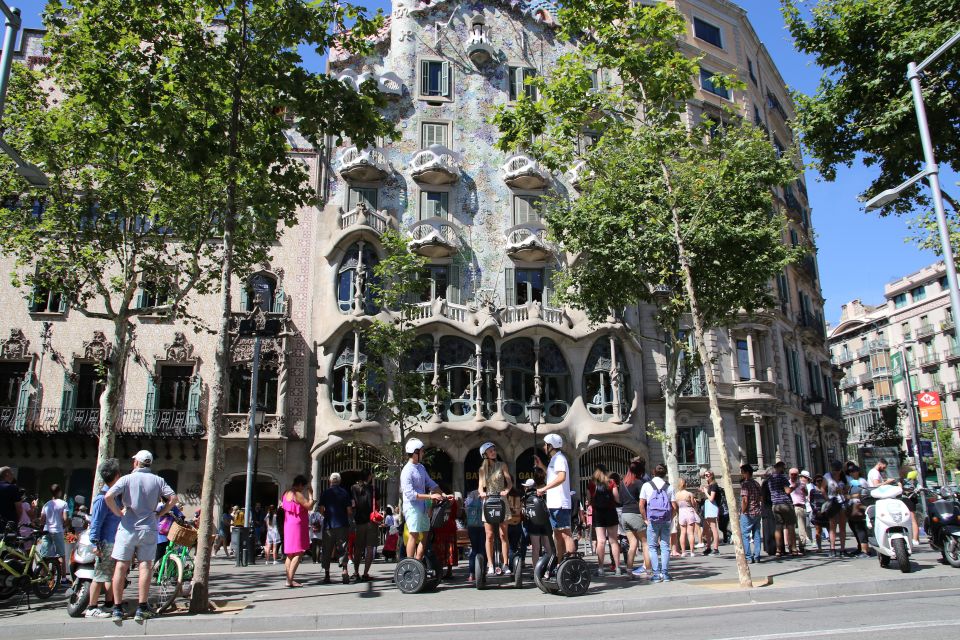
Passeig de Gràcia is the headline corridor for a reason. It’s where Gaudí’s influence—and Catalan Modernisme more broadly—becomes impossible to ignore. This is also where the Segway shines: you glide along a boulevard without losing the ability to look closely at façades.
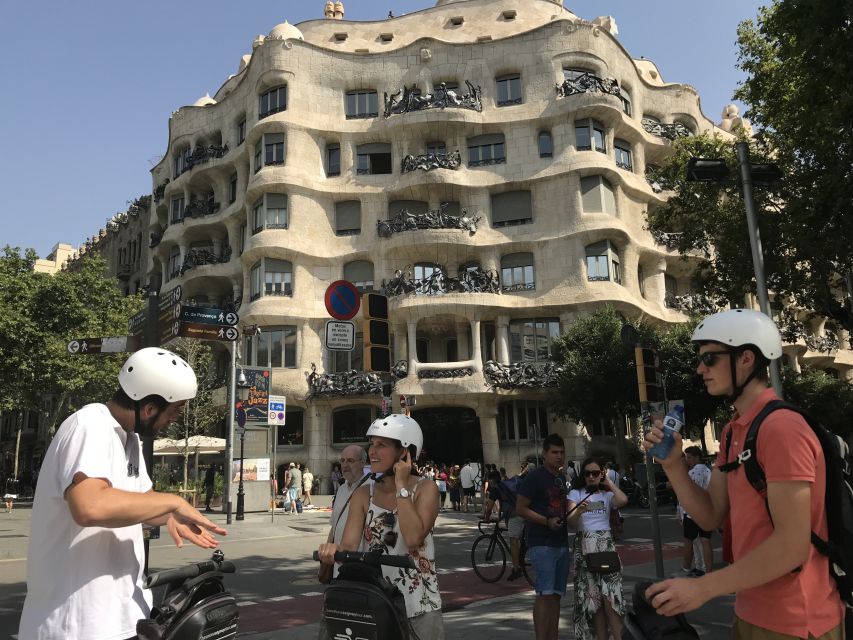
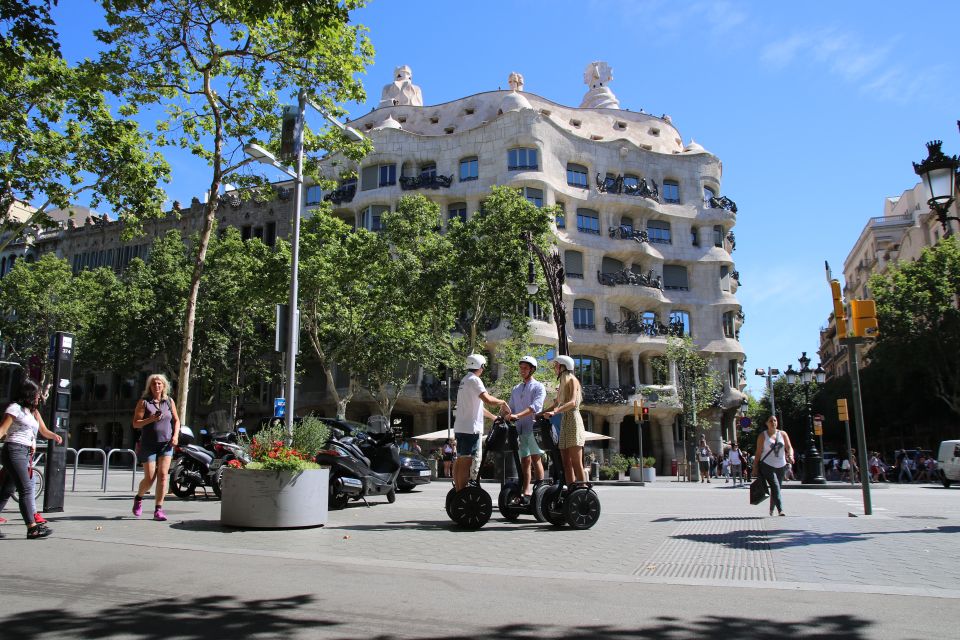
You’ll stop at Casa Milà (La Pedrera) for a photo moment and guided exterior time. The building’s stone-like surface and curving forms make more sense when you’re close enough to notice textures, not just stare from across a busy street. You also get short scenic ride segments that keep you from spending the whole tour halted.
Next is Casa Batlló, another essential stop. The tour includes guided viewing and sightseeing time here too, plus additional riding time to connect the sights efficiently. If you like your architecture with an explanation—why elements look the way they do—this is the part where the guide’s storytelling can really land.
What makes this section valuable is the contrast. You’re not only seeing two famous buildings; you’re seeing how the street itself turns into an outdoor gallery. And because you’re riding, you can keep your eyes up instead of constantly shifting your footing like you would on a long walk.
Casa Amatller and Casa de les Punxes: Modernisme with character
After the big-two Gaudí stops, the tour turns to other Catalan Modernisme standouts designed by architects associated with the broader movement. You’ll make photo stops and guided exterior time at Casa Amatller and Casa de les Punxes.
These are the buildings that often surprise you. People come to Barcelona for Gaudí, then assume the rest is secondary. But once you see these façades, you realize Catalan Modernisme has its own visual language—ornamental shapes, distinct silhouettes, and a very particular 19th-century flair.
Casa Amatller is especially interesting because you’ll hear the backstory connected to a wealthy chocolate tycoon and a commission in 1898. Even if you don’t remember every name afterward, that kind of detail helps you read the building like a historical object rather than just a pretty front.
Casa de les Punxes adds a sharper, more dramatic vibe. You get guided sightseeing and photo time, then continue by Segway without losing momentum. I like this structure: you get big icons first, then you broaden your understanding with buildings that feel less crowded and more personal.


The Sagrada Família neighborhood stop: what to look for
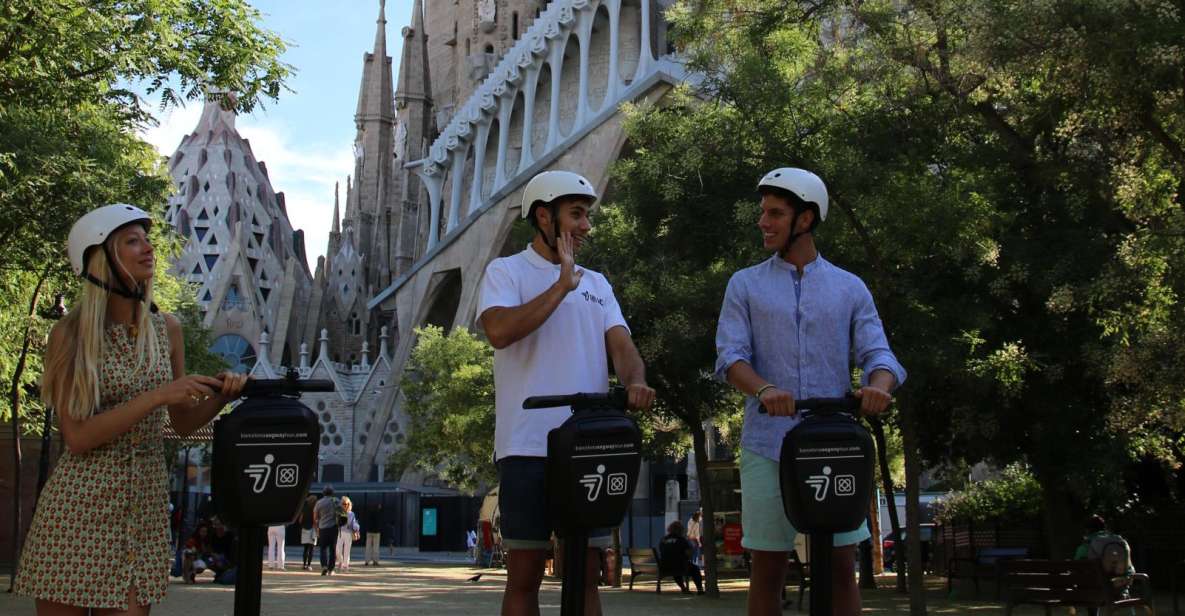
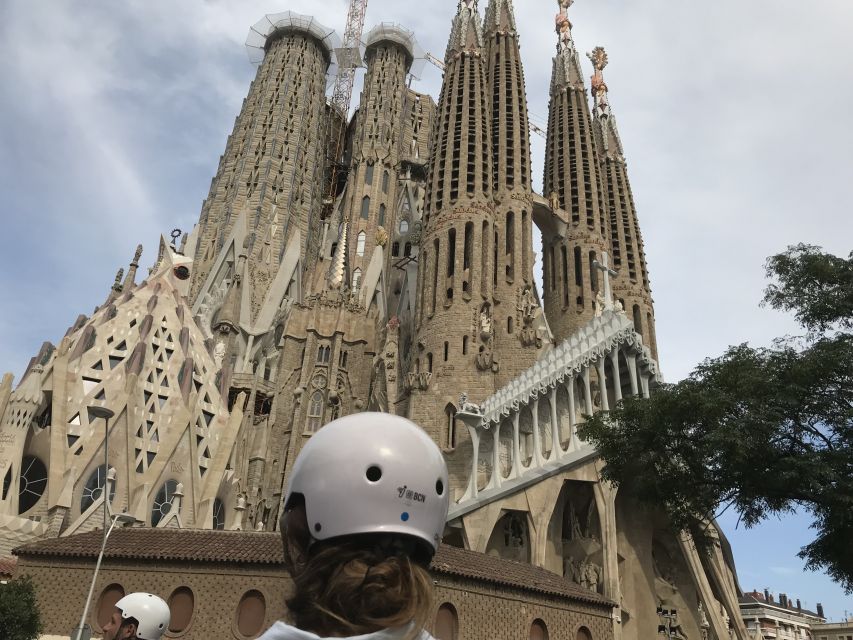
You’ll spend time in the Sagrada Família area, with a guided segment plus free time. Since the church is famous for being unfinished, it helps to treat this stop as an ongoing story rather than a simple checkmark.
During your guided time, you’ll likely focus on how the design reads from different angles and what the surrounding area adds to the experience. When your Segway ride brings you along the neighborhood streets, you also get a better sense of why this site sits where it does and how the city grows around it.
You’ll then have a bit of time to look around on your own. Use it to do two things:
- take photos from a couple of directions, not one
- slow down and actually scan the façade details instead of just zooming in mentally
This is also one of the most praised moments in guide feedback. Names like Daniel and Stephan pop up often for their pacing and the way they explain what you’re seeing, not just reading facts off a script.
La Monumental and the stretch toward harbor views
Next up is La Monumental, the last bullfighting arena where bullfights were held before they were banned by the Catalonian parliament. The stop includes guided sightseeing and photo time, and it’s a useful reminder that Barcelona’s culture isn’t only architecture and museums. It includes controversial history too, and your guide can frame that in a grounded way.
Then the tour heads through areas that set you up for those picture-perfect views toward the Olympic Harbour. The wording you may have heard about this part is about the visual payoff when you connect Las Ramblas area energy with the broader waterfront direction.
Because you’re on a Segway, this section can feel efficient rather than exhausting. You’re moving through the city’s contrasts—old central streets, grand boulevards, and the eventual open-sky stretch. That makes the ride feel like you’re changing scenery, not just repeating the same lane.
Gràcia’s Plaza de la Vila de Gràcia: the mood shift worth it
One of the smartest parts of this tour is the quick escape into Gràcia. The district started as an independent municipality until annexation by Barcelona in 1897, and that history shows in how it still feels like its own world.
You’ll arrive at the main square, Plaza de la Vila de Gràcia, where you’ll see the distinctive bell tower and the former city hall, La casa de la Vila de Gràcia. The stop includes guided time plus sightseeing, and then you continue by Segway through Barri de Gràcia.
What you’re really getting here is a different pace of Barcelona. Eixample can feel designed and formal. Gràcia feels more neighborhood-first: low buildings, small alleys, and a young, artsy street life with shops and cafés that feel locally owned rather than purely tourist-oriented.
If you like “where people actually hang out,” this Gràcia pocket does the job. It’s brief, but it’s specific, and it gives your day a stronger ending than another set of landmark photos.
Price and value: what $42 buys for 2.5 hours
At $42 per person for about 2.5 hours, the value depends on what you’d otherwise spend time doing. If you were going to walk between these sights, you’d burn energy and still miss some route efficiency. If you were going by taxi, you’d lose the guided architecture reading and pay more.
This price also includes key extras that make it feel more complete:
- Segway i2
- helmet
- guide
- training
- safety equipment
- insurance
- one drink
For you, the practical meaning is this: you’re not just renting an electric toy. You’re paying for instruction, supervision, and a structured way to see multiple neighborhoods and façades within a single afternoon or morning block.
If you’re the type who loves architecture but hates standing still for long periods, it’s a strong match. Guides like Maria and Fabio are specifically praised for knowledge and keeping the experience smooth, and that matters because the route depends on you feeling comfortable and safe quickly.
Fit check: who this tour suits best
This is a Segway tour, so it naturally suits people who want motion with guidance. It’s great for first-timers because training is part of the deal.
It’s not suitable for:
- pregnant women
- people with mobility impairments
And even if you’re physically able, you’ll want comfortable clothing and shoes. The tour notes that in winter you should expect to dress warm and wear water-resistant layers, plus gloves. I’d add one more practical rule: wear shoes with good grip. You’ll be on sidewalks and crossings with a lot of foot traffic.
If you’re traveling in a small group or even solo and prefer a more personal guided format, small groups (2–6 per guide) are ideal. Bigger groups still work, but they get split up with several guides, so you should expect a slightly more compartmentalized flow.
Who should consider skipping (or choosing differently)
If you’re prone to knee discomfort, you should know that at least one guide feedback mentions it being a bit hard on the knees. That doesn’t mean everyone will feel the same way, but it’s enough to take seriously if you have existing joint issues.
Also, if you strongly prefer to stroll and explore slowly on your own, a timed Segway tour may feel a little structured. You’ll get free time at a couple of stops, but the ride is still the core experience.
Finally, if you hate being around crowds, keep in mind you’re mixing with pedestrian zones. Your guide’s job is to manage that, and the best-rated guides are praised for safety and pace, but it’s still a city day with other people nearby.
Should you book this Gaudí Segway tour?
Book it if you want a high-efficiency architecture day that still includes context—especially if you’re pairing Gaudí must-sees with other Modernisme buildings you’d probably miss on a standard walking route. I’d also choose it if you like guided storytelling and you want that Gràcia neighborhood feeling at the end of your day.
Skip it if you don’t want to learn a new mobility device, if you know your body won’t handle the riding time comfortably, or if your travel style is all about slow wandering and unplanned detours.
FAQ
How long is the Gaudí Segway tour?
It lasts 2.5 hours.
Where do I meet the guide?
Meet at Passeig de Lluís Companys 10 at the activity provider’s office.
What’s included in the price?
The tour includes a Segway i2, helmet, guide, training, safety equipment, insurance, and 1 drink.
What languages are the guides?
Guides are listed as available in Dutch, English, French, German, Italian, Portuguese, Russian, and Spanish.
What are the minimum requirements to ride?
You must be at least 16 years old, at least 110 cm tall, and weigh between 35 and 120 kg (not exceeding 120 kg). You also need to be able to make motions similar to climbing and descending stairs without assistance.
Is the tour suitable for pregnant women?
No. Pregnant women are not recommended to participate for safety reasons.
Is the tour accessible for people with mobility impairments?
No. It is listed as not suitable for people with mobility impairments.
Does this tour offer small groups or private options?
Yes. Private or small groups are available, with small groups typically about 2–6 people per guide.
What cancellation options are available?
Free cancellation is offered up to 24 hours in advance for a full refund.