REVIEW · BARCELONA
Barcelona & Gaudi. Regular Tour
Book on Viator →Operated by Barcelona Architecture Walks · Bookable on Viator
Gaudí’s Barcelona feels like a living blueprint. This 3-hour Modernism Route traces Antoni Gaudí from social concerns toward the divine drive behind his work, with a practising architect guiding the story.
I love the small group size (max 20). It makes the walk feel personal, and it’s easier to ask questions while you’re comparing facades, courtyards, and stylistic shifts across the Eixample.
One key drawback to plan for: you don’t go inside the buildings. This is a street-and-exterior-focused experience, so it’s best if you enjoy details from the sidewalk rather than paid interior tickets.
Modernism Route, explained clearly: You’ll connect Gaudí’s work to politics, philosophy, and changing ideas about modern art and religion.
Practising architect-led narration: The guide frames Modernist architecture in a way you’re unlikely to hear from a typical sightseeing script.
Big names plus context: You’ll cover Casa Milà, Casa Batlló, Casa Calvet, and La Mansana de la Discordia, with extra discussion of Colònia Güell’s crypt and the Sagrada Família.
Eixample courtyards and contrast: The walk includes quiet moments and comparisons that help Modernism click as more than pretty buildings.
No interior stops: The format trades building tickets for sharper outside viewing and walking pace.
In This Review
- A Modernism Route That Explains Gaudí’s Ideas, Not Just Shapes
- What I Like About a Practising Architect Guide (And Why You’ll Care)
- Timing and Meeting Point: The 10:30am Start Makes Sense
- Stop 1: Casa Milà (La Pedrera) and the Gaudí Trajectory
- Stop 2: Casa Batlló and Modernist Storytelling in the Street
- Stop 3: Casa Calvet and the Eixample Neighbor Effect
- La Mansana de la Discordia: Courtyards, Comparisons, and Three Big Names
- Fundació Antoni Tàpies: When Architecture Meets Modern Art
- Price and Value: What $54.44 Buys You (And Why It’s Not Just a Walk)
- Who This Tour Fits Best (And Who Might Want Something Else)
- Should You Book Barcelona & Gaudí, Regular Tour?
- FAQ
- How long is the Barcelona & Gaudí Regular Tour?
- Is the tour offered in English?
- What group size should I expect?
- Do we go inside the buildings on this route?
- Where is the meeting point and when does it start?
- Which stops are included?
- What happens if the weather is poor?
- Is free cancellation available, and are service animals allowed?
A Modernism Route That Explains Gaudí’s Ideas, Not Just Shapes
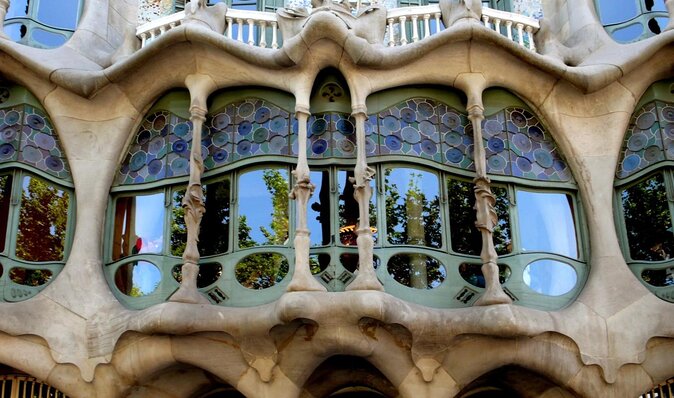
This tour is built around the Modernism Route, a guided path through Barcelona that treats architecture like a living argument. You’ll follow a line from Antoni Gaudí’s social concerns toward his later, intensely spiritual direction, explained in plain language as you walk.
What makes it feel different is the range of themes. You’ll hear how eclecticism fit into the mix, why Modernism ended, and how later conflict and ideas shaped what artists and patrons believed in. The guide also weaves in concepts like utopian socialism, positivist materialism, anarchism, and the aftermath of the Spanish Civil War.
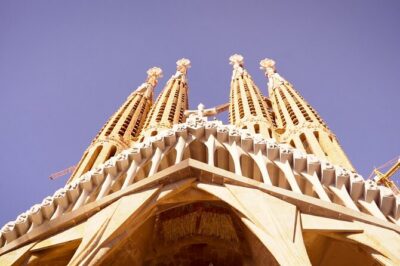
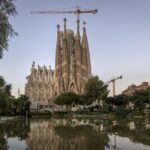
And yes, you’ll talk about the larger “cathedral builder” idea tied to Gaudí’s trajectory. Even though you don’t enter the Sagrada Família or the crypt of Colònia Güell, the tour uses those projects to help you understand what Gaudí was aiming for.
What I Like About a Practising Architect Guide (And Why You’ll Care)
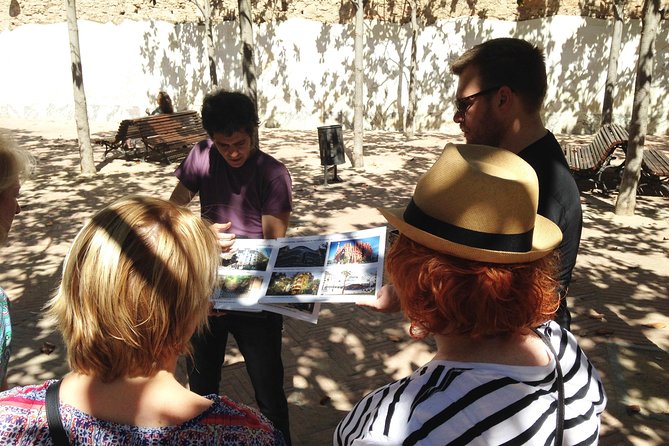
A practising architect can spot patterns most sightseeing tours miss. Here, you’re not just being told what to look at—you’re being taught how to read it. That’s where the value really is, especially if you’ve ever felt like Gaudí facts sound random without context.
The best part is how the guide makes serious material feel manageable. Topics like beatification and the idea of deliquescent surfaces can sound heavy on paper, but the walking format keeps it grounded. In interviews and tour conversations from the people who lead this route, a style like Pia’s shows up often: warm, humorous, and generous with context without turning it into a lecture.
You’ll also cover neighboring architects and their role in the Modernist wave, including Domènech i Montaner and Puig i Cadafalch. That matters because Barcelona’s Eixample isn’t one style—it’s a conversation happening street by street.
You can also read our reviews of more tours and experiences in Barcelona.
Timing and Meeting Point: The 10:30am Start Makes Sense
The tour starts at 10:30am. You meet at Monument al Llibre, Gran Via de les Corts Catalanes, 634 in the Eixample neighborhood, and you finish back at the same meeting point.
This timing is practical. Morning hours usually mean easier foot traffic and better light for noticing details on facades and courtyard edges. Since the tour is about walking and exterior viewing, you’ll feel the flow more than you’ll feel rushed.
Also, the tour runs about 3 hours. That’s long enough to connect the dots, but short enough that you won’t feel stuck on stone explanations if your feet need a breather.
Stop 1: Casa Milà (La Pedrera) and the Gaudí Trajectory
Casa Milà, also called La Pedrera, is where the tour kicks off. It’s a strong first stop because the guide uses early moments to set how you should “read” Gaudí: not just as decoration, but as a thinker moving through changing beliefs.
Since you don’t go inside, you’ll focus on exterior composition and how the building communicates. The value here is interpretive. The guide ties what you see to the route’s bigger storyline, so the architecture feels like evidence instead of a photo-op.
One practical consideration: because you’re standing outside and walking between viewpoints, wear comfortable shoes. You’re going to be looking up and stepping through city blocks, not wandering a museum floor.
Stop 2: Casa Batlló and Modernist Storytelling in the Street

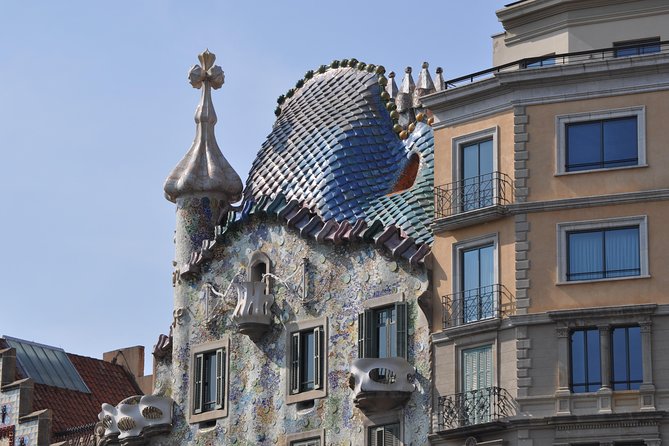
Next comes Casa Batlló, another Gaudí landmark that helps you feel how consistent ideas can show up in different forms. The guide keeps connecting the dots back to the Modernism Route themes, so you’re not just learning dates—you’re learning direction.
This stop works well if you like comparing styles on the fly. Even with no interior access, outside architecture gives you enough to notice rhythm, how shapes face the street, and how the building belongs to its neighborhood context.
A tip that helps: slow down for a full minute at the main viewpoints the guide marks. Most people skim. You’ll get more out of this tour if you give yourself time to actually see what the guide points out, then compare that impression to the next stop.
Stop 3: Casa Calvet and the Eixample Neighbor Effect
Then you move to Casa Calvet, which adds variety to the Gaudí-heavy early rhythm. This is where the tour shows you that Modernism in Barcelona isn’t one person’s style—it’s an ecosystem of designers responding to the same city pressures.
Because you’ll be walking the surrounding area, the guide can talk about how eclecticism and the changing end of Modernism show up in real buildings. You get a clearer picture of what patrons wanted, what intellectuals debated, and how politics and cultural shifts influenced architecture.
This stop is also a good moment to reset your brain. If you started the morning thinking only in terms of Gaudí, Casa Calvet helps you widen the frame before the tour hits the densest concentration of famous facades.

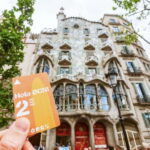

La Mansana de la Discordia: Courtyards, Comparisons, and Three Big Names
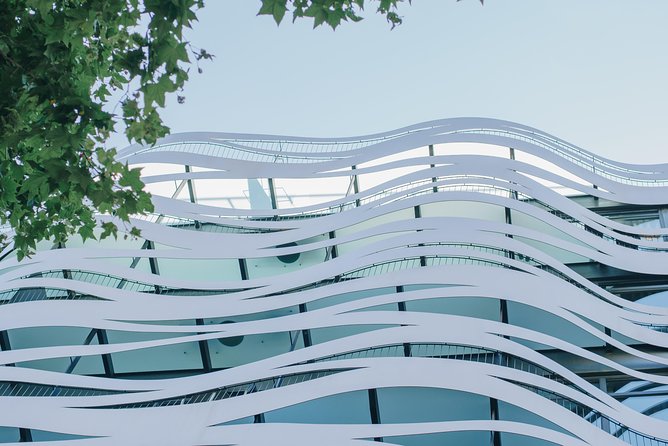
La Mansana de la Discordia is the tour’s comparison zone, and it’s where the Eixample feels like a stage. You’ll see how multiple architects shaped the same general block area with different Modernist approaches.
The guide uses this area to bring in names like Domènech i Montaner and Puig i Cadafalch, plus the specific buildings tied to them—Casa Lleó Morera and Casa Amatller. This is the part of the tour that turns “I saw buildings” into “I understand relationships.”
You’ll also get those calmer, hidden Eixample courtyards moments the route is known for. Even without interior access, courtyards teach you something important: architecture isn’t only what’s on the street. It’s also the air inside the block and how design shapes everyday movement.
If you hate crowds, this part can still be enjoyable. The group is limited to 20, which helps you pause without constantly weaving around other tour lines.
Fundació Antoni Tàpies: When Architecture Meets Modern Art
The walk finishes with the Antoni Tàpies Foundation (Fundació Antoni Tàpies). This stop shifts the lens from one era of Modernism to the broader cultural thread that follows.
It’s a smart choice because it keeps the tour from becoming a “only Gaudí” story. After you’ve mapped early Modernism ideas through the Gaudí-centered storyline, the foundation gives you a way to think about what artistic expression keeps doing as styles move on.
Since the tour doesn’t include interior access information here, treat this as a concluding viewpoint and conversation stop. You’ll leave with a sense of how Barcelona’s creativity continues beyond one signature architect, even while his influence remains a reference point.
Price and Value: What $54.44 Buys You (And Why It’s Not Just a Walk)
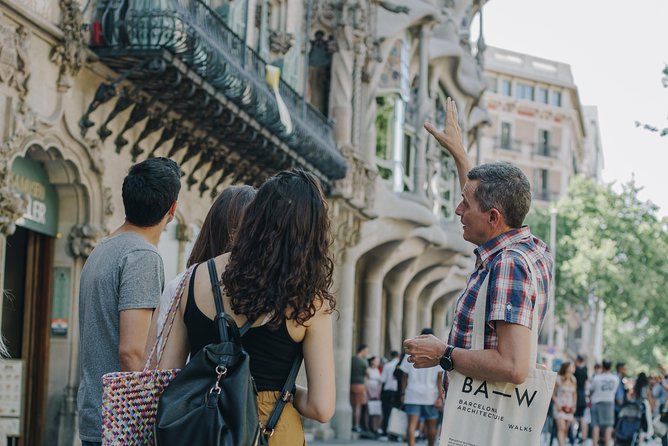
At $54.44 per person for about 3 hours, you’re paying for more than walking time. You’re paying for expert framing: the guide’s ability to connect buildings to the ideas behind them.
Here’s why that matters. Barcelona has plenty of tours that list landmarks. This one focuses on Modernist architecture as a system—social concerns, philosophical shifts, political shocks, and religious direction—explained in the same time you’d spend bouncing between viewpoints on your own.
The small group (max 20) also affects value. It’s easier to slow down, get answers, and adjust your attention based on what the guide highlights. That kind of flexibility is hard to get in large groups.
One more practical note: this tour is booked around 41 days in advance on average. If your dates line up with popular windows, booking early helps you avoid selling out.
Who This Tour Fits Best (And Who Might Want Something Else)
This walk fits you best if you want Gaudí through a bigger lens than postcards. If you enjoy architecture, city planning, and the human ideas behind design, you’ll likely feel the tour click.
It also works if you prefer active learning. The format is built for street comparisons, quick stops, and guided interpretation rather than long museum-style waiting.
If your goal is strictly interior access—seeing rooms, climbing, or viewing interiors up close—then this may feel limited. The route explicitly does not go inside the buildings, so you’re choosing the exterior experience on purpose.
Also, it depends on weather. This tour needs good conditions, so plan to bring layers or be ready for an alternate date if conditions are poor.
Should You Book Barcelona & Gaudí, Regular Tour?
Book it if you want a Modernism Route that treats architecture like an argument with history, politics, and belief. I’d especially recommend it if you like asking questions and you want a guided walkthrough led by practising professionals, not a script that just names buildings.
Skip it if you’re only interested in interiors or you expect Sagrada Família and Colònia Güell to be part of the visit itself. This is about explanation from the street, with those larger projects discussed to give you context.
If you’re on the fence, one simple decision rule helps: if you can spend time looking up at facades and comparing styles block by block, this tour will give you more than you pay for.
FAQ
How long is the Barcelona & Gaudí Regular Tour?
The tour is about 3 hours.
Is the tour offered in English?
Yes, it is offered in English.
What group size should I expect?
The tour has a maximum of 20 travelers.
Do we go inside the buildings on this route?
No. The tour does not go inside the buildings.
Where is the meeting point and when does it start?
The meeting point is Monument al Llibre, Gran Via de les Corts Catalanes, 634, L’Eixample, 08007 Barcelona. The start time is 10:30am, and it ends back at the meeting point.
Which stops are included?
You’ll see Casa Milà (La Pedrera), Casa Batlló, Casa Calvet, La Mansana de la Discordia, and Fundació Antoni Tàpies.
What happens if the weather is poor?
If poor weather causes cancellation, you’ll be offered a different date or a full refund.
Is free cancellation available, and are service animals allowed?
The tour offers free cancellation up to 24 hours in advance for a full refund. Service animals are allowed.