REVIEW · BARCELONA
Barcelona Walk Like a Local: El Born & Gothic 15+ Sights
Book on GetYourGuide →Operated by Side Routes · Bookable on GetYourGuide
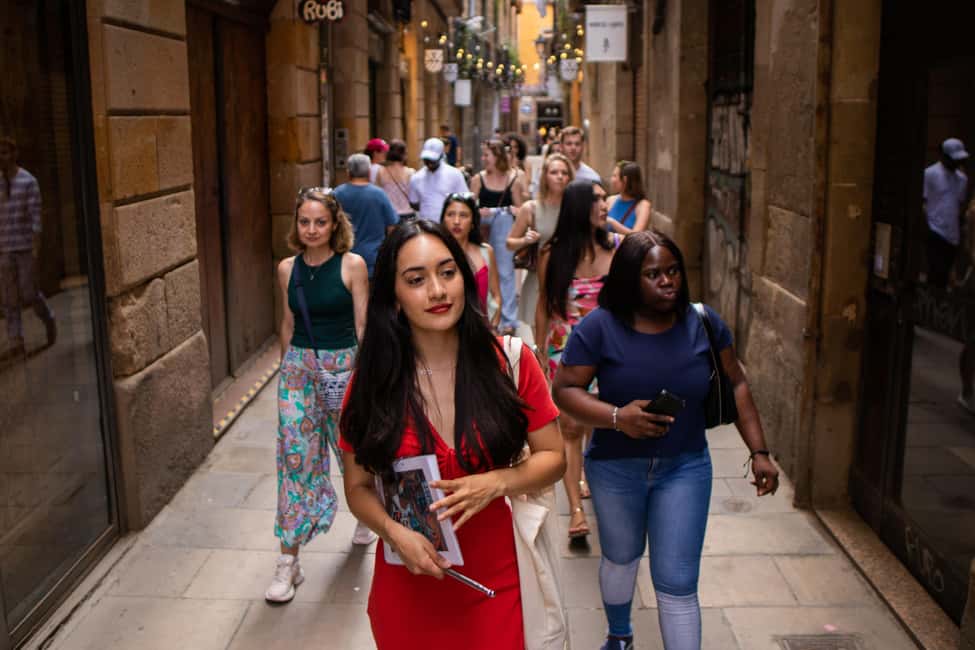
Barcelona has a way of rewriting your mental map fast. This walk is built for that, with El Born + El Gòtic streets and 15+ stops where the stories matter as much as the sights. I especially like how it mixes big names (like Santa Maria del Mar and Barcelona’s main cathedral area) with smaller, weird-in-a-good-way local details. One thing to consider: it’s still a walking tour, so if you hate uneven old-city sidewalks, bring patience and good shoes.
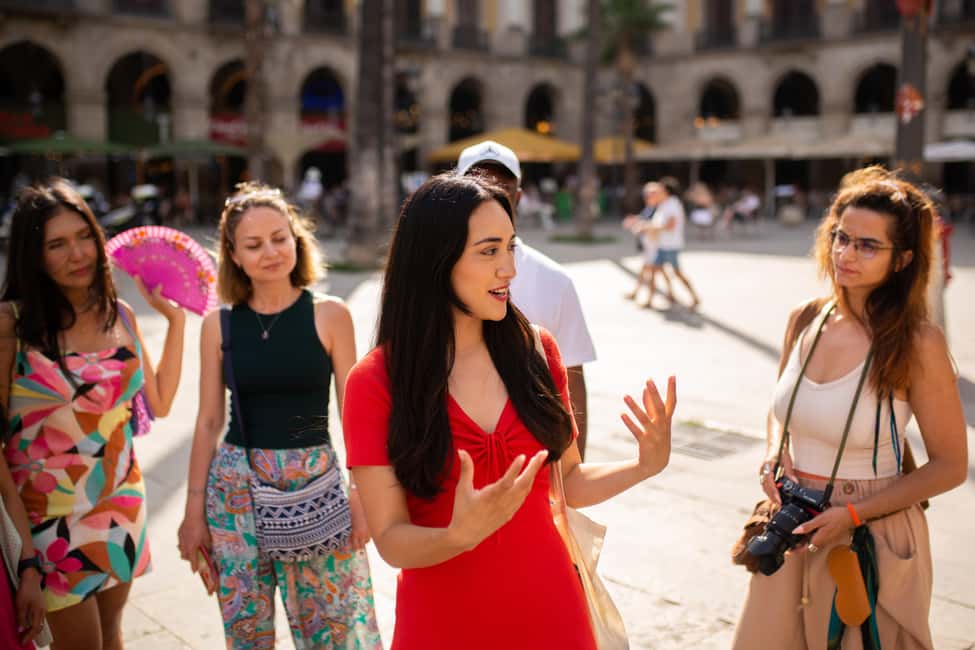
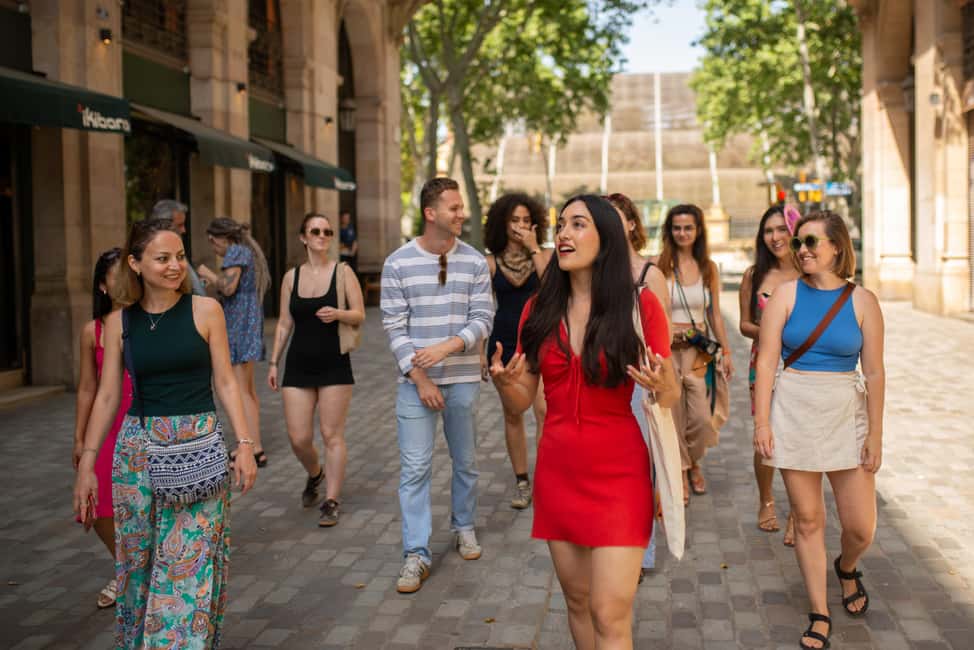
The best part is the guide energy. In the past, guides like Petra (very animated and organized) and Santiago (friendly, question-ready, enthusiastic) set a pace that feels easy and fast at the same time—like the city speeds up around you. You’ll also get practical local tips from the people leading you, not generic “take a photo here” instructions.
In This Review
- Key points before you go
- El Born + El Gòtic: why this walk feels different
- Getting to Passeig de Picasso 13 without wasting time
- How the 2.5-hour plan actually plays on the ground
- Stop-by-stop: El Born to Els Quatre Gats (what to watch for)
- 1) Starting point: Passeig de Picasso, 13
- 2) El Born (about 30 minutes)
- 3) Casa Gispert (about 10 minutes)
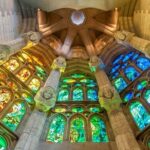
- 4) St. Mary of the Sea Cathedral, Santa Maria del Mar (about 15 minutes)
- 5) Picasso Museum (about 10 minutes)
- 6) Old City Barcelona sightseeing (about 45 minutes)
- 7) Gothic Quarter (about 30 minutes)
- 8) Barcelona Cathedral (about 15 minutes)
- 9) Bishop’s Bridge (about 10 minutes) and the cursed Bridge of Sighs angle
- 10) La Casa de l’Ardiaca (about 10 minutes)
- 11) Placa Sant Felip Neri (about 10 minutes)
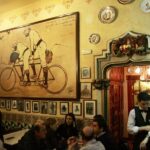
- 12) Els Quatre Gats (about 15 minutes) and the ending at Els 4 Gats
- What you’re really paying for: value at $17
- Guide quality: Petra, Santiago, Adri, and the “ask me anything” vibe
- Who this tour is best for
- Should you book this Barcelona walk?
- FAQ
- FAQ
- How long is the Barcelona Walk Like a Local: El Born & Gothic tour?
- Where do I meet the guide?
- What’s included in the price?
- Is transportation or meals included?
- What language is the tour in?
- Does the tour run in bad weather?
Key points before you go
- 15+ story stops across El Born and the Gothic Quarter, not just the headline monuments
- Cathedral time that’s actually explained, including Santa Maria del Mar and Barcelona Cathedral
- Picasso links worked into the walk, plus art moments you can photograph
- Roman Empire influence shows up in the way the city developed (you’ll know what to look for)
- Dark legends and quirky local stories, including the cursed Bridge of Sighs angle near Bishop’s Bridge
- Guides who make it feel comfortable, with clear communication and room for questions
El Born + El Gòtic: why this walk feels different
El Born and El Gòtic are close, but they don’t feel the same. El Born leans artistic and street-level—more “makers, murals, and small squares.” El Gòtic feels older and tighter, like the city is keeping secrets in plain sight.
What I like about this tour is that it uses that contrast on purpose. You’re not just moving from Point A to Point B. You’re switching “modes” as you go—first legend and medieval street texture, then cathedral gravitas, then art and modern connections. That makes the time fly. Several guides (Petra, Adri, Adriana, Jennifer, Mariah, Jan/Jen) are praised for doing exactly this: keeping people engaged while still giving solid context.
Is this ideal for everyone? It’s a great fit for families, couples, solo travelers, and friends. The one caution is physical: you’re walking for about 2 to 2.5 hours, and old Barcelona streets don’t do flat-surface promises.
You can also read our reviews of more walking tours in Barcelona



Getting to Passeig de Picasso 13 without wasting time
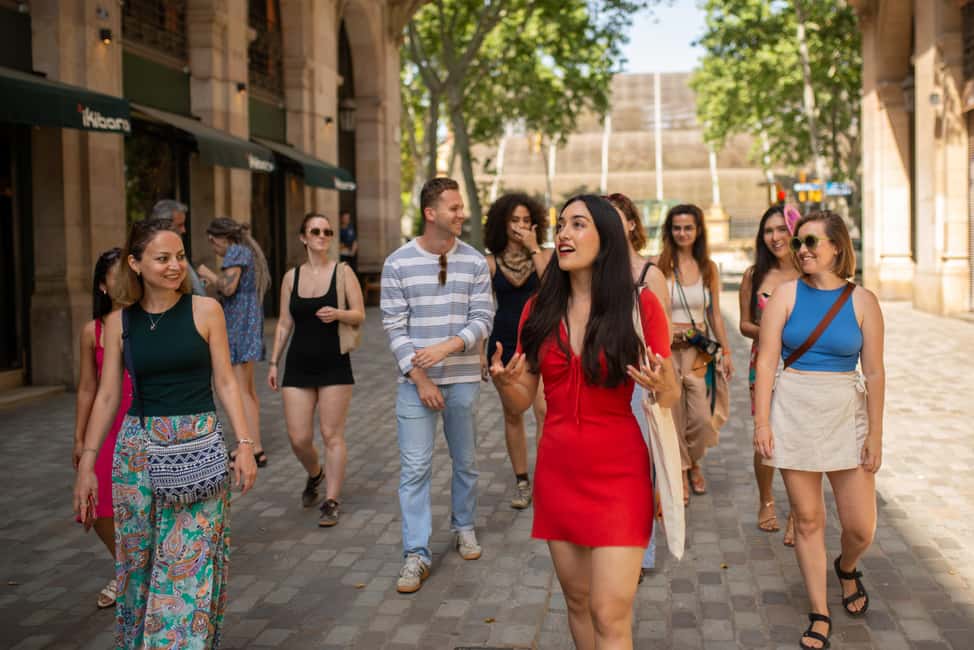
You’ll start at Passeig de Picasso, 13. The meeting point detail matters because it’s easy to show up, wander a bit, and lose 10 minutes you could spend looking.
Here’s the simple plan: find the big glass cube monument, and confirm you’re not heading into the nearby park area. The guide will be right next to it with a sign that says Side Routes.
This is one of those “small logistics, big payoff” moments. When the meeting point is clear, you start the walk relaxed instead of checking your phone every two minutes.
How the 2.5-hour plan actually plays on the ground
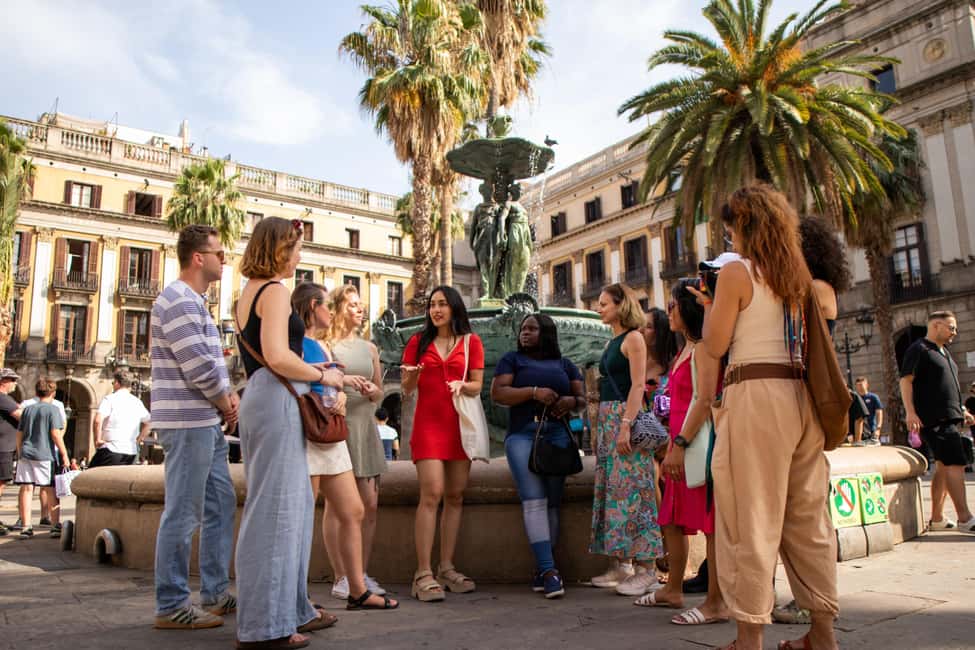
This isn’t a slow stroll where nothing happens. The tour is paced with guided segments and sightseeing stretches so you get both structure and freedom.
Expect this rhythm:
- shorter guided stops where you get the key story
- a longer sightseeing block where you can look around and absorb the street energy
- then more guided stops at major landmarks so you understand why they matter
The tour also runs rain or shine, so if the forecast looks sketchy, plan on staying out. Bring a camera anyway; you’ll be at spots where a photo feels earned rather than forced.
Stop-by-stop: El Born to Els Quatre Gats (what to watch for)
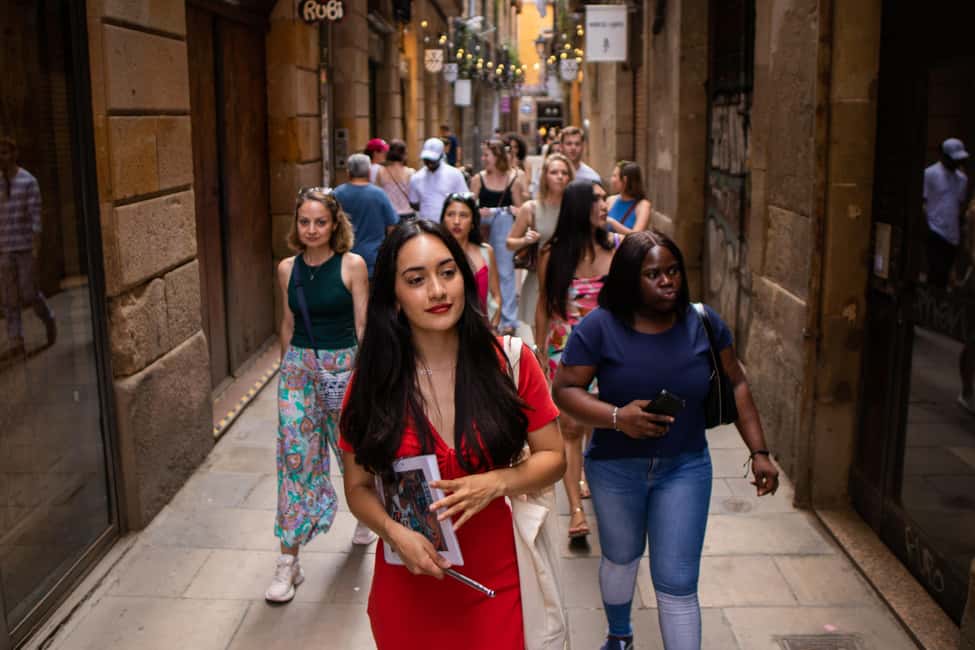
Below is how the walk unfolds, and what to pay attention to at each stop.
1) Starting point: Passeig de Picasso, 13
This first moment is where the guide sets the tone. Expect a quick orientation—what neighborhood you’re entering and what kinds of stories you’ll hear. If you’re the type who likes to ask questions, this is usually your best window. Guides in prior walks have been praised for welcoming questions and keeping communication clear.



2) El Born (about 30 minutes)
El Born is where you start feeling the “local Barcelona” vibe. This part of the tour is built around walking the ancient feel of the streets while also pointing out what tourists often miss. It’s also where the tour style shows: story-first, with practical hints about what to notice.
You’ll likely hear links tied to artistic influence (including Picasso) and the city’s changing identity over time. The tour highlights mention following footsteps of Picasso and revolutionaries—so keep an eye out for the art and political flavor of the area.
3) Casa Gispert (about 10 minutes)
Casa Gispert is one of those stops that can feel small on the map but big in atmosphere. The tour is described as including 100-year-old iconic businesses, and this is the kind of location where that idea makes sense: old doors, long-term presence, and local routines you can almost sense.
The value here isn’t just the building. It’s the story the guide connects to the wider neighborhood.
4) St. Mary of the Sea Cathedral, Santa Maria del Mar (about 15 minutes)
Santa Maria del Mar is one of the headline moments, and the tour doesn’t treat it as just a photo stop. It’s described as the “Cathedral of the People,” so the guide’s focus should be less about dry facts and more about the meaning behind the building in the context of the community.
One practical note: cathedral stops often shift your pace because you’ll want a few quiet minutes. That’s normal and worth it.
5) Picasso Museum (about 10 minutes)
Even if you don’t go deep inside, this stop is about connection. The tour explicitly includes Picasso in the storyline, and it also frames the walk around artistic influence and local culture.
This is a good segment if you like art history but don’t want a museum day. You get the thread that helps everything else make sense.
6) Old City Barcelona sightseeing (about 45 minutes)
This is your longer “look and listen” block. You’ll be moving, but it’s less structured than the shortest guided segments.
Use this time in the best way: slow down for one street corner at a time. The tour is described as covering medieval squares and also rebellious artistic murals. If you catch a mural, pause. The guide’s stories are often timed so you understand what you’re looking at right when you’re seeing it.
There’s also mention of a specific photo moment: the mural called World Comes to Life With Each Kiss. If you’re the sort who loves a good photo, this is likely one of those moments you’ll want to plan for.
7) Gothic Quarter (about 30 minutes)
Now you feel the neighborhood tighten again. The Gothic Quarter is where the tour leans into the “old Barcelona mystery” vibe—ancient streets, local legends, and the kind of details that make you slow your pace without trying.
The tour highlights emphasize hidden alleyways and “dark legends and quirky local stories,” which is exactly what the Gothic Quarter does well when a guide points them out.
8) Barcelona Cathedral (about 15 minutes)
This is another major landmark moment. You’ll get a guided visit style segment, not just a pass-by.
The value for you: a cathedral stop works best when someone explains what makes it significant to the city’s story. That’s the core approach here—architecture and local meaning, not just names.
9) Bishop’s Bridge (about 10 minutes) and the cursed Bridge of Sighs angle
This is one of the more fun, story-heavy stops. The tour highlights mention the cursed Bridge of Sighs, and Bishop’s Bridge is where that kind of legend fits naturally.
Even if you’re not a “dark stories” person, this segment is worth it because it changes how you look at the stonework. You start seeing the city as something people used to fear, joke about, and survive—not just something to admire.
10) La Casa de l’Ardiaca (about 10 minutes)
This stop adds texture: a building stop that likely feels “slightly off the usual tourist path.” The tour is marketed around locals’ hidden corners, so this is the kind of place where you might look at details you’d normally walk right past.
Again, the point isn’t just the facade. It’s the story thread the guide ties to the surrounding neighborhood.
11) Placa Sant Felip Neri (about 10 minutes)
Squares in older cities can be surprisingly powerful. You step into open space, and suddenly the streets make sense.
For you, it’s a mental reset moment mid-walk: a short pause where you can regroup, take a breath, and listen while you orient yourself.
12) Els Quatre Gats (about 15 minutes) and the ending at Els 4 Gats
Els Quatre Gats shows up as both a sight segment and the finishing point area. This is the art-and-culture emotional closer for the walk—where the neighborhood stories connect back to creativity and the city’s artistic reputation.
And yes: the ending at Els 4 Gats matters. It gives you a natural place to continue on your own afterward, instead of ending somewhere inconvenient.
What you’re really paying for: value at $17
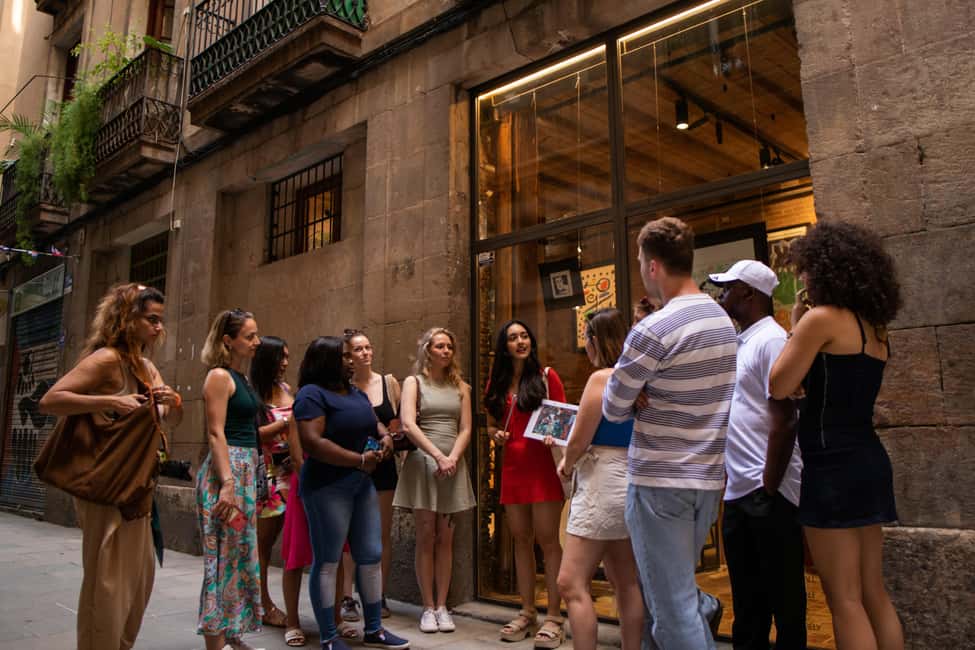
Price is listed at $17 per person, lasting 2 to 2.5 hours. On paper, walking tours can look similar. Here’s what makes this one feel like real value:
- A private local guide with insider tips to avoid tourist traps. That’s not a gimmick; it changes what you notice and where you spend your future time.
- Many guided moments. You’re not stuck with one long narration. There are multiple short, story-based segments plus a longer sightseeing block.
- The tour covers major landmarks (Santa Maria del Mar and Barcelona Cathedral area) and the smaller stops that make you feel like you uncovered the city rather than followed it.
Also, the guide quality seems to be a standout pattern in the feedback. People repeatedly praise clear communication, friendly energy, and guides who answer questions without making you feel rushed.
Guide quality: Petra, Santiago, Adri, and the “ask me anything” vibe
If you want a walking tour that feels human, the guides here have a track record. Names that come up often include Petra, Santiago, Adri/Adriana/Adriana, Jennifer, Mariah, and Jan/Jen.
The most consistently praised traits:
- Guides are energetic and animated without turning it into a performance.
- They’re described as friendly and question-friendly, which matters because you’ll want clarification when street history overlaps.
- Many guides are said to provide local recommendations, including restaurant tips. That’s the kind of bonus that extends the tour into the rest of your trip.
A small practical tip: if there’s something you care about—Picasso links, Roman Empire influence, cathedrals, or just the weird legends—tell your guide early. With this kind of storytelling-led tour, you’ll usually get better answers when you ask.
Who this tour is best for
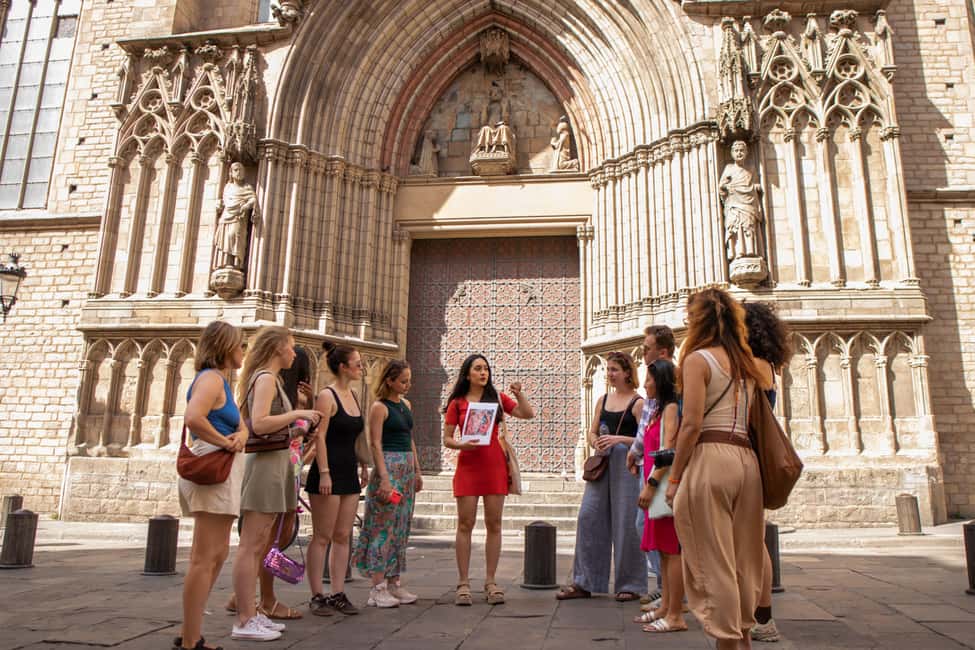
This walk fits well if you:
- want a first solid orientation to El Born and El Gòtic
- like history when it’s explained through stories and street-level details
- want both iconic sights and places tourists often miss
- travel solo or in a group and want a guide who keeps the experience easy to follow
It’s also family-friendly in tone and timing, since the structure is short guided segments instead of one long lecture.
Should you book this Barcelona walk?
I’d book it if you want Barcelona to feel like a lived-in place, not a checklist. For the $17 price, you’re getting a lot of “why this matters” moments—cathedrals with context, art connections, and legends that make the streets memorable.
Skip it only if you:
- hate walking for a solid 2 to 2.5 hours
- prefer quiet self-paced sightseeing with zero storytelling
- need a tour with guaranteed interior access, since the provided info focuses on guided visits and stop-based storytelling rather than extended museum time
FAQ
FAQ
How long is the Barcelona Walk Like a Local: El Born & Gothic tour?
The tour runs about 2 to 2.5 hours.
Where do I meet the guide?
Meet at Passeig de Picasso, 13. The guide stands next to a big glass cube monument with a sign that says Side Routes, and you should not go inside the park.
What’s included in the price?
A private local guide with expert knowledge of Barcelona is included.
Is transportation or meals included?
No. Transportation to the starting point and meals or drinks are not included.
What language is the tour in?
The live tour guide speaks English.
Does the tour run in bad weather?
Yes, the tour runs rain or shine. Wear comfortable walking shoes and bring a camera.