REVIEW · BARCELONA
From Barcelona: Costa Brava Typical Towns full day tour
Book on GetYourGuide →Operated by Barcelona Holiday · Bookable on GetYourGuide
Costa Brava starts with postcard-perfect coves. This full-day coach tour from Barcelona Nord strings together fishing towns, cliffside paths, and medieval stonework so you see a lot of the coast without planning a thing.
I especially love the Calella de Palafrugell stop—an hour to wander the sea-and-stone character of a traditional fishing village. I also like that the Camino de Ronda walk gives you real coastal viewpoints and a sense of the old maritime routes along the shore.
One thing to watch: the day is long, and there’s walking on hills and uneven ground, with a not-wheelchair-friendly route. Wear comfortable shoes and plan for a workout, not a stroll.
In This Review
- Key highlights at a glance
- Why this Costa Brava tour feels efficient from Barcelona
- Calella de Palafrugell: your first hour of old-school sea views
- The Camino de Ronda walk to Llafranc: cliff views and smuggler history
- Llafranc: beach time that actually gives you choices
- Begur’s Indian Houses: architecture with an America link
- Peratallada: medieval stone town on a rock
- Pals: hilltop medieval views and the cylindrical 12th-century tower
- Price and pacing: what you’re really paying for
- What to pack (and how to avoid a sore-day surprise)
- Should you book this Costa Brava full-day tour?
- FAQ
- Where do I meet for the Costa Brava day tour?
- How long is the tour from Barcelona?
- What’s included in the price?
- Is lunch included?
- Will I have time to swim?
- How much walking is involved?
- Is this tour wheelchair accessible?
- What languages are the guides?
- What should I bring?
- Are pets allowed on the tour?
Key highlights at a glance
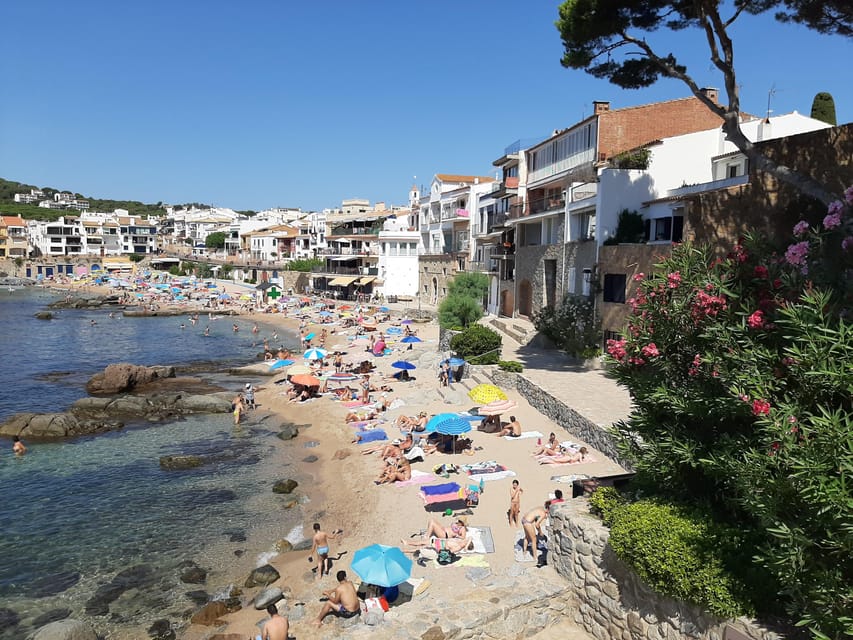
- Calella de Palafrugell: 1 hour of free time in a still-traditional fisherman’s village
- Camino de Ronda: about a 45-minute cliffside walk along the old smugglers path
- Llafranc: around 2 hours to explore and optional time to swim at the beach
- Peratallada: guided walk through medieval streets perched on a rock, with a moat carved into it
- Pals: a hilltop medieval town with a 12th-century cylindrical tower and big Costa Brava views
Why this Costa Brava tour feels efficient from Barcelona
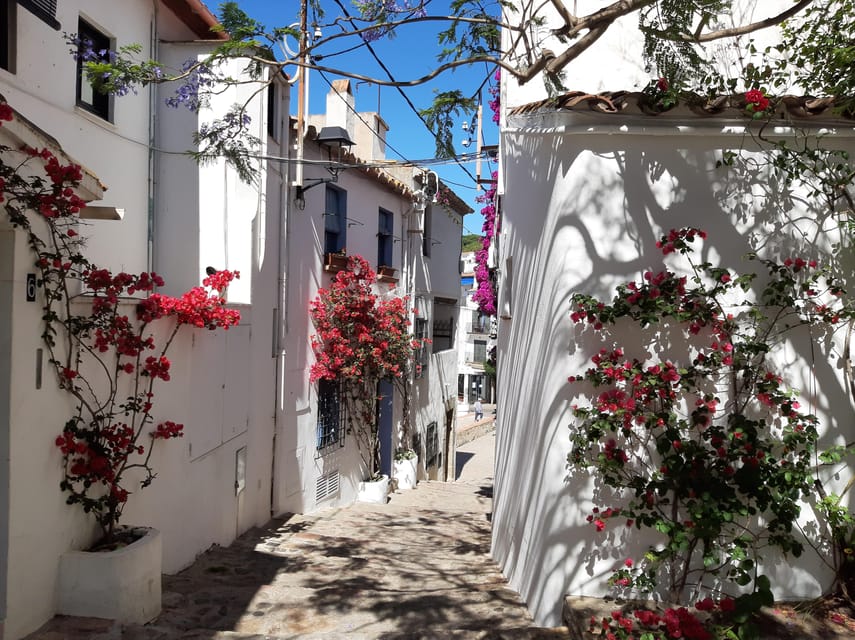
This is the kind of day trip that works because it mixes the Costa Brava in the right proportions: coast views early, a beach pause, then medieval towns that actually feel preserved. From the bus start at Barcelona Nord (Platform 12), you’re set up to see places you’d struggle to reach easily with just a rental car and parking headaches.
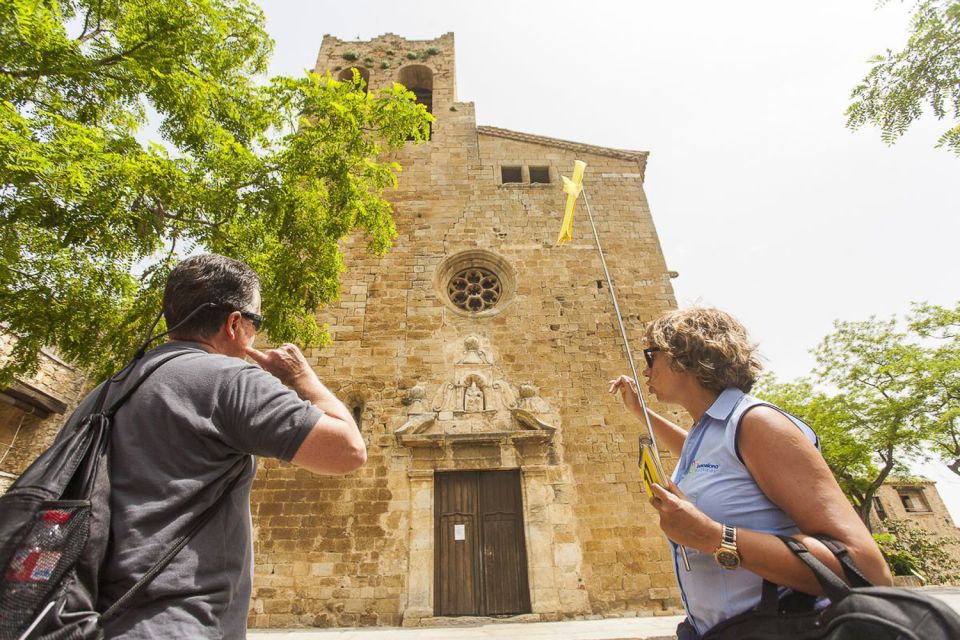
Another big plus is the live guiding. People repeatedly mention guides like Monika and Miguel for keeping the day organized and the explanations clear. That matters on a packed route, because you don’t want to spend your limited hours just figuring out what you’re looking at.
The value is also real for the price point. For about $74, you’re paying for coach transport, a guide, and tickets, plus time built into several stops. Lunch isn’t included, but you do get enough structured sightseeing to justify paying for the day rather than piecing it together yourself.
A few more Barcelona tours and experiences worth a look



Calella de Palafrugell: your first hour of old-school sea views
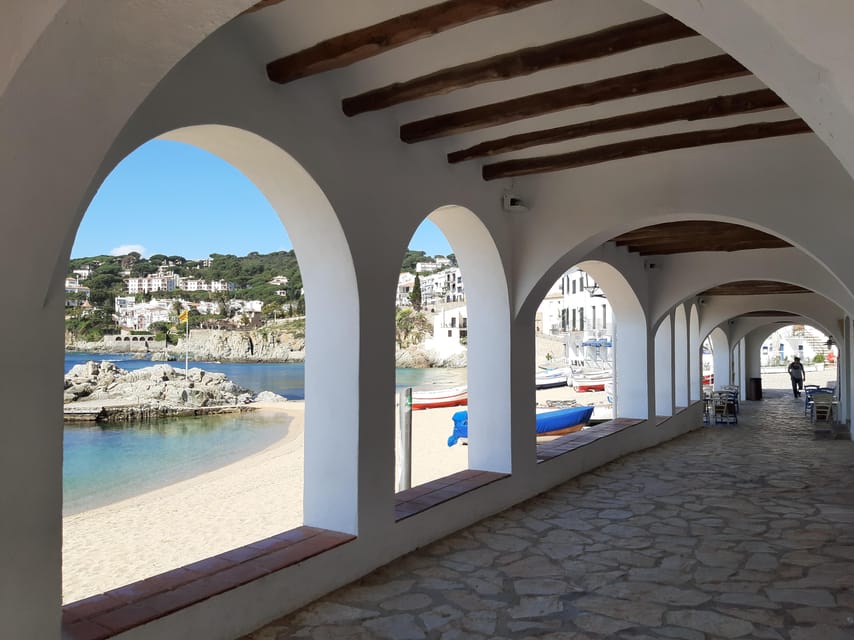
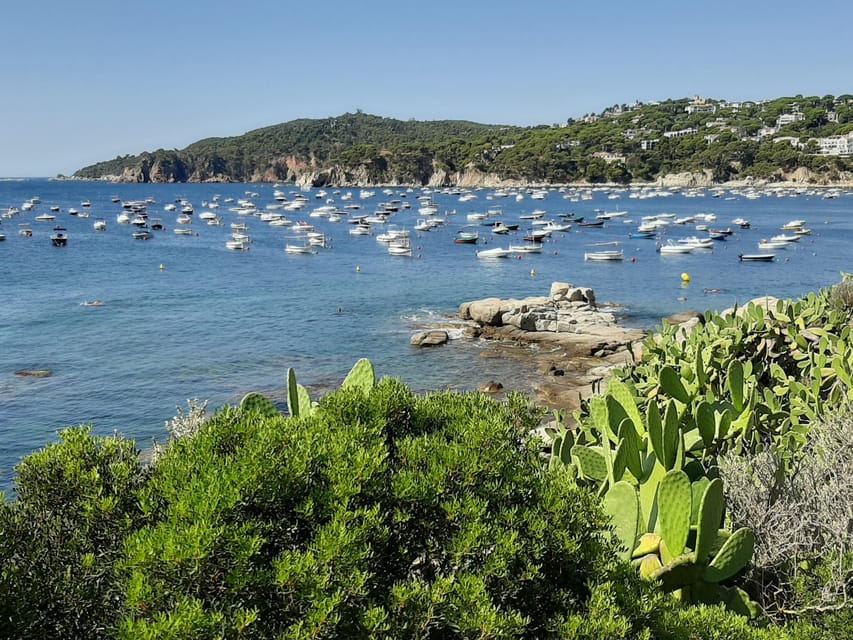
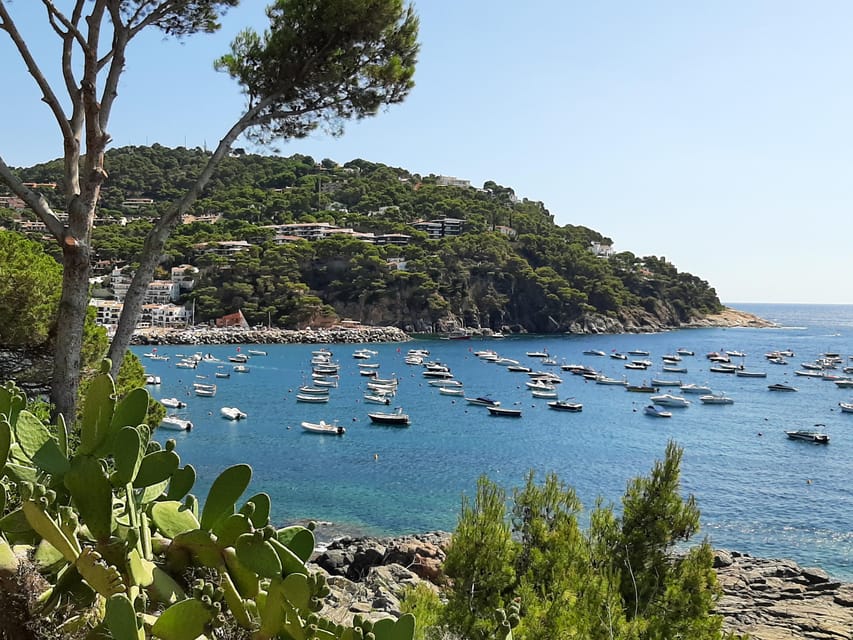
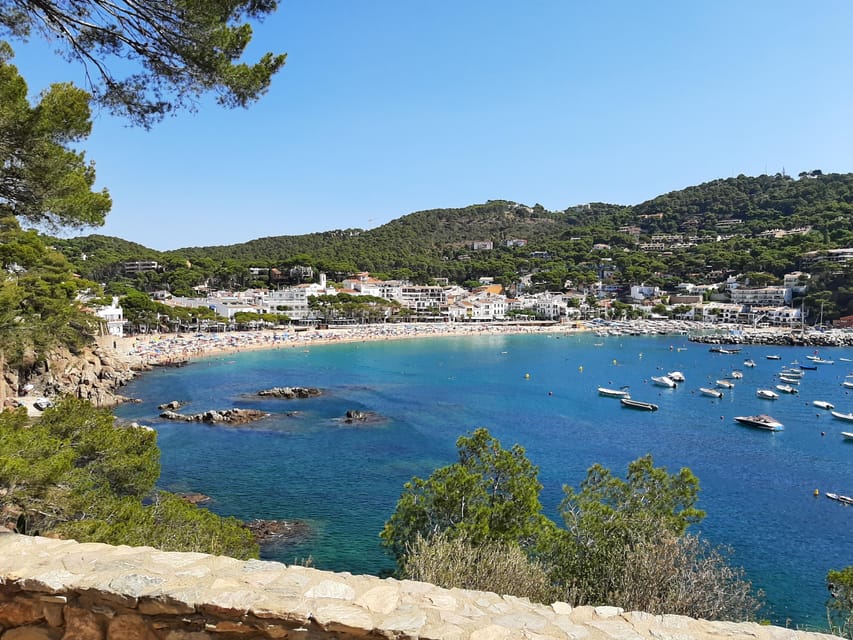
You arrive at Calella de Palafrugell around 10:15am, and you get about an hour to explore on your own. This is one of those places where the charm is in the details: architecture that hasn’t gone loud, and a coastline made up of small bays.
I like this stop because it’s not rushed on a tight schedule. You’ll have time to wander slowly, grab photos, and simply reset your eyes after the bus ride. If you’re the type who likes to find a viewpoint first and then move into the streets, this is a good town to do that.
Practical tip: use this hour for practical things too. Pick a lunch place plan (even if lunch isn’t included, you can get your bearings), and check where the stairs and slopes are if you’re planning to keep moving for the later coastal walk.
The Camino de Ronda walk to Llafranc: cliff views and smuggler history
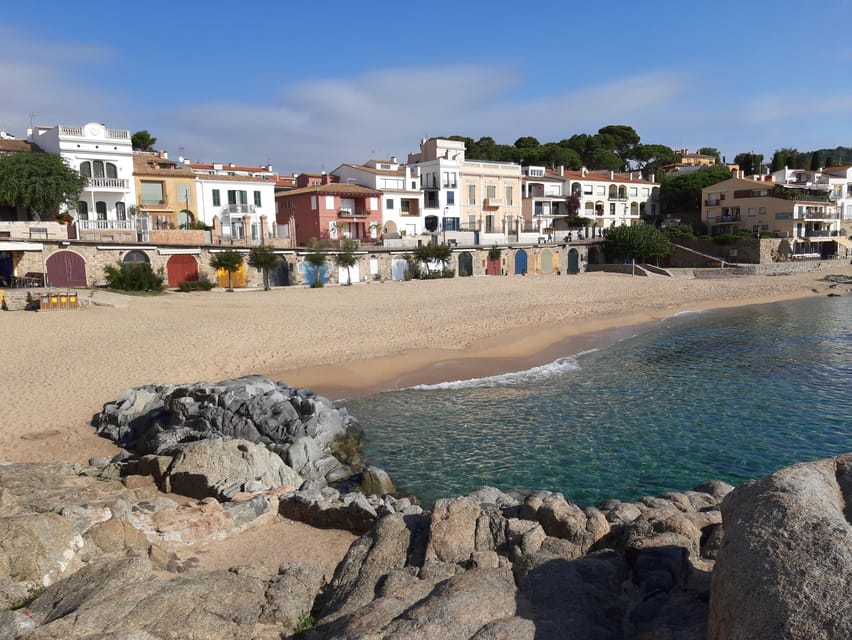
After Calella, you step onto the Camino de Ronda for about 45 minutes toward Llafranc. This path runs along the Costa Brava and was historically used to control maritime smuggling. Today, it’s a scenic route, but knowing the purpose behind it makes the walk feel more meaningful than just pretty scenery.
The best way to enjoy it is to think in short segments. You don’t need to force a hike pace. Pause for the sea views, look for the way the coast pinches into coves, and let the route do its job: getting you to a different stretch of coastline without needing a boat or a car.
Wear shoes with grip. The day includes walking on uneven ground later too, and this part starts setting that tone. If you’re sensitive to hills, keep your expectations realistic and take a few slower breaks rather than pushing through.
Llafranc: beach time that actually gives you choices
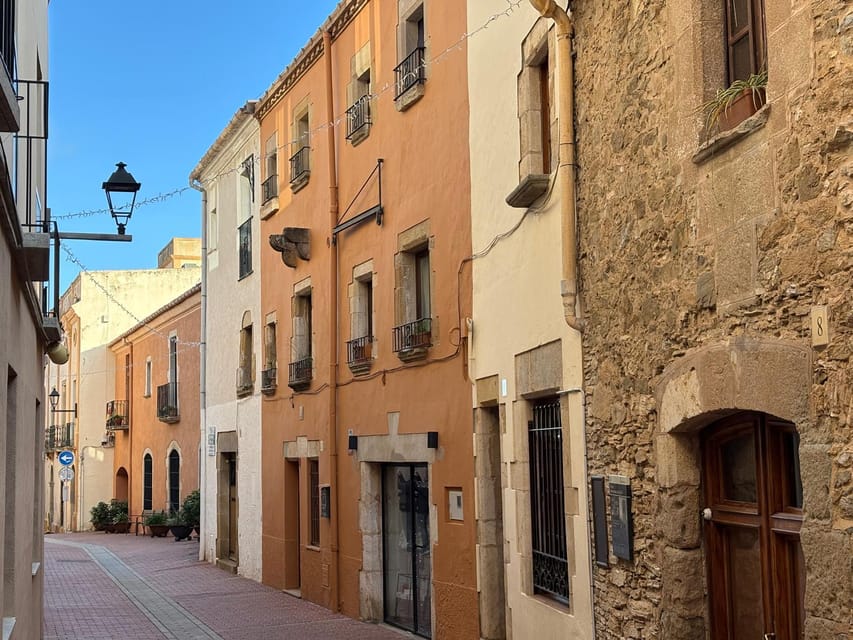
You reach Llafranc and get around 2 hours of free time. The town is described as small and elegant, and the main draw is simple: you’re by the Mediterranean, with that easy coastal feeling you came for.
Lunch is up to you here, since lunch isn’t included. In real terms, this is good because you can choose what fits your hunger level and your budget. If you want seafood, this is the moment to do it. If you just want a snack and a walk, you can keep things light.
You also have the option to swim at the beach. If you do, do it early in the free time window so you’re not late returning to meet the group. Morning walks can be deceptively tiring, and a swim can feel great when your legs are already warmed up.
A small reality check: the itinerary is built for sightseeing, so you won’t get “stay all day at the beach” freedom. Still, two hours is enough to breathe, eat, and reset before the medieval section.
Begur’s Indian Houses: architecture with an America link
Next up is Begur, guided for about 45 minutes. Begur sits under an old castle, and it’s known for the Indian Houses—mansions built by locals who emigrated to America in the 18th century, made fortunes, and returned later.
What makes this stop click is the contrast. You’re in a coastal region, but the architecture reflects a different life story: Mediterranean influences mixed with something more Caribbean in feel. Even if you don’t nerd out over architecture, the buildings tell you how wealth and migration shaped these towns.
A good way to enjoy the guided portion: listen for the “why” behind what you’re seeing. When the guide connects the buildings to the history, it stops being just pretty facades and becomes a timeline you can walk through.
Timing note: 45 minutes is tight but fair. You’ll likely want to see a few key streets and squares, not try to cover every corner. Focus on the exterior details and the viewpoints you can grab without sprinting.





Peratallada: medieval stone town on a rock
Then comes Peratallada, guided for about 1 hour. This is one of the highlights if you like medieval towns with structure. Peratallada is described as one of the best examples of medieval architecture in Catalonia, and the setting is a major part of the experience: the town sits on top of a rock.
You’ll hear about the moat excavated inside it, which sounds dramatic because it is. The guide walk helps you understand the fortification system rather than treating the town like a postcard you pass through quickly. Expect narrow, winding streets, stone houses, and a layout that feels like it was built to defend people, not to accommodate tourists with roller suitcases.
If you’re a photo person, this is where you slow down. Let your camera do the work—round arches, pointed window arches, and stone balconies keep showing up in different angles. Just remember: medieval streets are rarely flat and rarely wide.
The main consideration here is stamina. If you’ve already done the Camino and some walking in Llafranc, Peratallada’s slopes will be noticeable. Pace yourself. If you need a breather, step aside for a minute and then rejoin the group.
Pals: hilltop medieval views and the cylindrical 12th-century tower
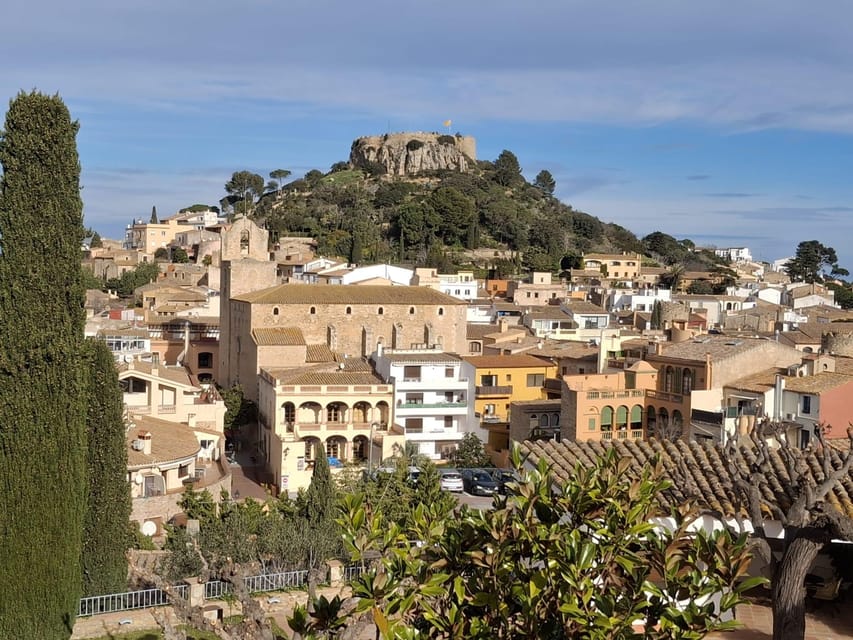
Your final medieval stop is Pals, with a guided visit plus about 1 hour of free time. Pals is described as an integrated medieval site built on a hill, and the top has a cylindrical tower from the 12th century that’s visible from far away.
This part of the tour is great for two reasons. First, you get the guided context on the town’s form and preservation. Second, the free time lets you enjoy views at your own pace—views matter here, because Pals is literally built to look out over the Costa Brava.
During the guided walk, listen for how the town is organized. The cobbled streets and the restored facades can feel almost theatrical, but the “why” is what makes it rewarding. After the guidance, use your free time for a slow wander, a snack, or a final round of photos before the return.
If you want a simple rule: treat Pals as your de-stress stop. You’ve already done the big coastal walk and the beach reset; now it’s about atmosphere and viewpoints.
Price and pacing: what you’re really paying for
At $74 for about 11.5 hours, you’re buying three things: transportation, guided interpretation, and access/tickets. In exchange, you accept a full day with limited time in each place. That’s not a flaw; it’s the math of a one-day Costa Brava sampler.
The pacing is the only real drawback risk. The day is packed, and several stops depend on moving with the group. A couple of practical points from how the day tends to play out:
- Bring sunscreen and at least basic hydration. On a long coastal day, it’s easy to underestimate how quickly you’ll feel it.
- Plan for some hills, stairs, and uneven ground. This isn’t a flat promenade day.
- Set expectations for “photo time” versus “hours to linger.” You’ll have breathing room, but it’s not a slow travel itinerary.
Also, this is a not-wheelchair-friendly tour. It’s not designed for mobility limitations, and it’s not the right fit for strollers either if your child needs a smooth surface.
For most people, though, the payoff is strong: coast views plus medieval towns in one day, with a guide who keeps the story straight and the group together.
What to pack (and how to avoid a sore-day surprise)
Here’s what will make the day easier:
- Comfortable shoes with grip
- Sunglasses
- Sunscreen and water (you can pick things up at stops, but don’t rely on it)
- A small bag that works on cobbles and stairs
If you’re the type who likes control, consider having your beach and snack plan ready before you reach Llafranc. Two hours goes fast when you’re hunting for where to sit, where the shade is, and which street leads back toward the meeting point.
And one more sanity tip: pace your photos. It’s tempting to stop every ten steps, but the route is timed. Pick your best angles, shoot them, then move.
Should you book this Costa Brava full-day tour?
Book it if you want a one-day Costa Brava hit that balances coast walking, a real seaside town pause, and well-preserved medieval towns like Peratallada and Pals. I especially think it’s a good fit for first-time visitors to the region who want context, not just sightseeing snapshots.
Skip it if you want a relaxed day with minimal walking, or if mobility limitations make hills and uneven streets a problem. This isn’t the tour for that. It’s also not a great match if you hate time pressure—because even with free time in each stop, the schedule is tight.
If you like structure, scenic payoff, and stories that connect the coast to the towns, this is an easy yes.
FAQ
Where do I meet for the Costa Brava day tour?
Meet at Estación de Autobuses Barcelona Nord, Platform 12. Check-in is at 8:15am.
How long is the tour from Barcelona?
The full day runs for about 11.5 hours. It ends around 6:00pm and you typically return to Barcelona around 8:00pm.
What’s included in the price?
It includes comfortable bus transport with free WiFi, a live guide, and tickets. The tour also includes skip-the-ticket-line entry.
Is lunch included?
No. Lunch is not included, so you’ll need to plan your meal during the free time (notably around Llafranc).
Will I have time to swim?
You have free time in Llafranc, and swimming at the beach is optional if you want to do it.
How much walking is involved?
There’s a planned Camino de Ronda walk of about 45 minutes, plus walking through medieval towns. Expect hills and uneven ground.
Is this tour wheelchair accessible?
No. The tour is not wheelchair accessible, and it isn’t suitable for people with mobility impairments.
What languages are the guides?
The live tour guide operates in Spanish and English.
What should I bring?
Bring comfortable shoes and sunglasses.
Are pets allowed on the tour?
No. Pets are not allowed.