REVIEW · MADRID
From Madrid: Ribera del Duero Tour of 3 Wineries w/ Tastings
Book on GetYourGuide →Operated by Gourmet Madrid · Bookable on GetYourGuide
Ribera del Duero is not a one-note wine story. This day trip strings together modern architecture and centuries-old cellars, and you’ll taste at least 8 wines with winery appetizers along the way. Two things I especially like are the tight focus on Ribera del Duero styles and the fact that you meet the people making it—not just the product on a shelf. One drawback to plan for: it’s a long day (10–11 hours) with lunch on your own, so bring patience for the drive.
What makes this tour feel “worth it” is the way it’s built around real winemaking contrasts: cutting-edge tech and buildings side-by-side with old tunnels carved into rock. Guides like Ismael/Ismail, Muna (driver and sommelier-type role), and others you may be assigned are consistently praised for turning technical points into simple takeaways. And yes, you get enough time at each stop—about 75 minutes for the winery experience—without turning it into a rushed tasting sprint.
In This Review
- Key Things You’ll Notice on This Ribera del Duero Wine Day
- Why Ribera del Duero Feels Different Than the Usual Spanish Wine Route
- Leaving Madrid at 9:15: The Real Schedule (and Why It Works)
- Meeting Point at Claridge Hotel: Simple, But Don’t Wander Off
- Stop 1 in Aranda de Duero: Boutique Wines and Avant-Garde Architecture
- Stop 2 in Aranda de Duero: Modern Structures Meet the Vineyard
- Lunch Break Around Ribera del Duero: Choose Castilian Food and Keep It Moving
- Stop 3: The Medieval Underground Cellar (7 km Long)
- What You Actually Taste: At Least 8 Ribera del Duero Wines
- The Guide Factor: When English-Spanish Translation Actually Works
- Small Group Energy (and a Note on Comfort)
- Price and Value: Why €-to-Wine Math Is Actually Reasonable Here
- Who Should Book This Tour (and Who Might Want Something Else)
- Should You Book This Ribera del Duero 3-Winery Tour?
- FAQ
- How long is the Ribera del Duero day trip?
- What time does the tour leave Madrid and when do we return?
- How many wineries are visited?
- How many wines will I taste?
- Is lunch included in the price?
- What’s the minimum age for wine tastings?
- What group size should I expect?
- Where is the meeting point in Madrid?
- What languages are offered?
- Is the tour wheelchair accessible?
Key Things You’ll Notice on This Ribera del Duero Wine Day
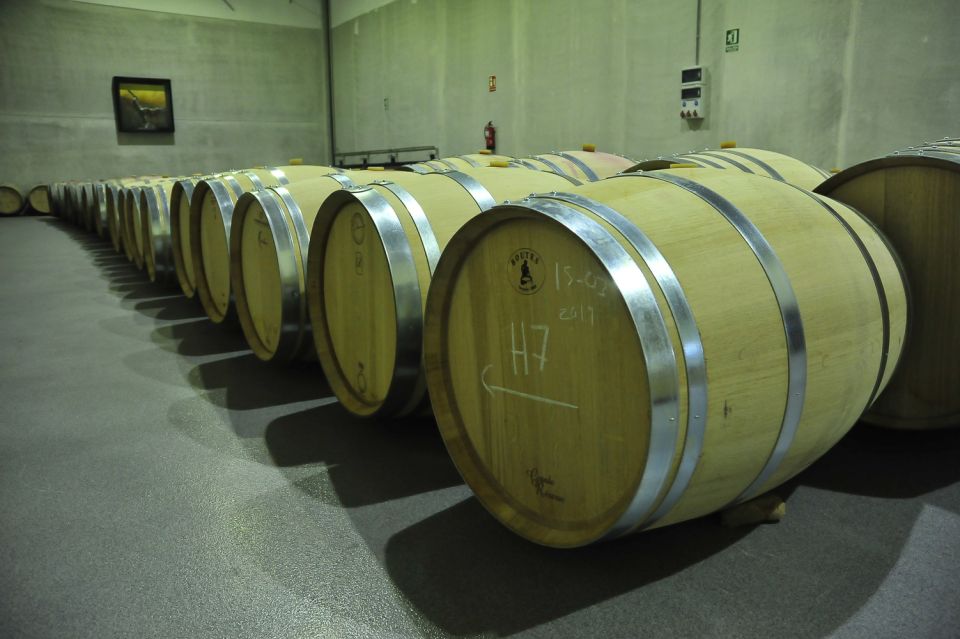
- Three distinct wineries that show modern methods, family tradition, and different production styles in one day
- At least 8 Ribera del Duero wines tasted with local appetizers at each stop
- Aranda de Duero area visits where the setting helps you understand the region, not just memorize notes
- A 16th-century underground cellar concept at the last winery: about 7 km long and excavated roughly 13 meters deep
- Guides in Spanish and English that can run bilingual service in the same group, often handled smoothly by Ismael/Ismail
- A real lunch window (about 1.5 hours) where you choose your Castilian meal nearby and keep the day moving
Why Ribera del Duero Feels Different Than the Usual Spanish Wine Route
If you’re in Madrid and thinking Rioja, Ribera del Duero is a fun change of pace. This Denomination of Origin is built around a specific place: the Duero River system, starting in Spain and stretching all the way to Portugal. That shared geography matters because it shapes the climate and the grapes’ character across the region.
What I like about Ribera del Duero as a target for a day trip is that it naturally supports comparisons. You can taste how different wineries aim for different goals—more focused, more traditional, more modern in technique—while staying inside one official style region. That makes your tastings easier to learn from, because you’re not jumping between completely unrelated wine worlds.
You can also read our reviews of more tours and experiences in Madrid.

Leaving Madrid at 9:15: The Real Schedule (and Why It Works)
The tour starts with a morning departure from Madrid around 9:15 AM, and you’re back at about 20:00. The full day is listed as 10–11 hours, depending on traffic, and the drive to the Ribera del Duero area is about 2 hours each way.
You’ll move in a way that feels practical for a wine day:
- Two winery experiences in the Aranda de Duero area, each with about 75 minutes of guided visit + tasting + local snacks
- A break for lunch/free time for roughly 1.5 hours (your lunch is not included, but the guide gives recommendations)
- A final winery visit with another tasting experience (again about 75 minutes)
If you tend to get restless on long coach rides, bring something that kills time—headphones, water, and a light layer. The upside is that the tour uses the drive time for region context, so it doesn’t feel like dead time.
Meeting Point at Claridge Hotel: Simple, But Don’t Wander Off
Meet at Plaza del Conde de Casal, 6, at the front door of the cafeteria of Hotel Claridge, right next to the main hotel entrance. The closest metro station is Conde de Casal (Line 6).
This matters because departures happen on a tight schedule for a full-day itinerary. If you’re arriving late, you risk missing the whole day’s pacing, since the tour is built around that morning departure.
Stop 1 in Aranda de Duero: Boutique Wines and Avant-Garde Architecture
Your first winery stop in the Aranda de Duero area is described as a boutique operation with avant-garde architecture. The point of this place isn’t just looks. The design is meant to create optimal conditions for winemaking—so you’ll see how architecture supports consistency, temperature control, and the “production flow” of the winery.
This is also the stop that comes with a big credentials note: in 2025, six wines were rated +95 points on the Tim Atkin scale, and one founder was awarded Winemaker of the Year. Even if you don’t track scores, it tells you this isn’t a sleepy hobby cellar. It’s a winery that’s aiming at the international stage while staying rooted in Ribera del Duero.
The experience here typically includes:
- A guided tour of the winery facilities
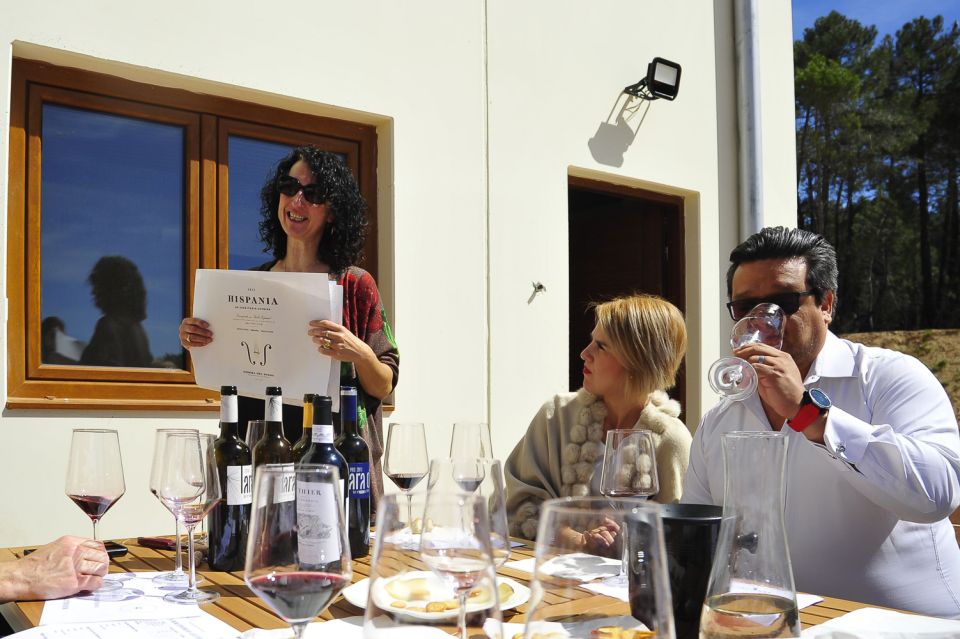
- A tasting with local appetizers
- Time to ask questions while the guide translates the technical stuff into plain language
Potential drawback to keep in mind: boutique wineries can be more design-forward than tradition-forward. If you’re chasing the most rustic feel, you may find the last stop’s cellar more emotionally memorable.
Stop 2 in Aranda de Duero: Modern Structures Meet the Vineyard
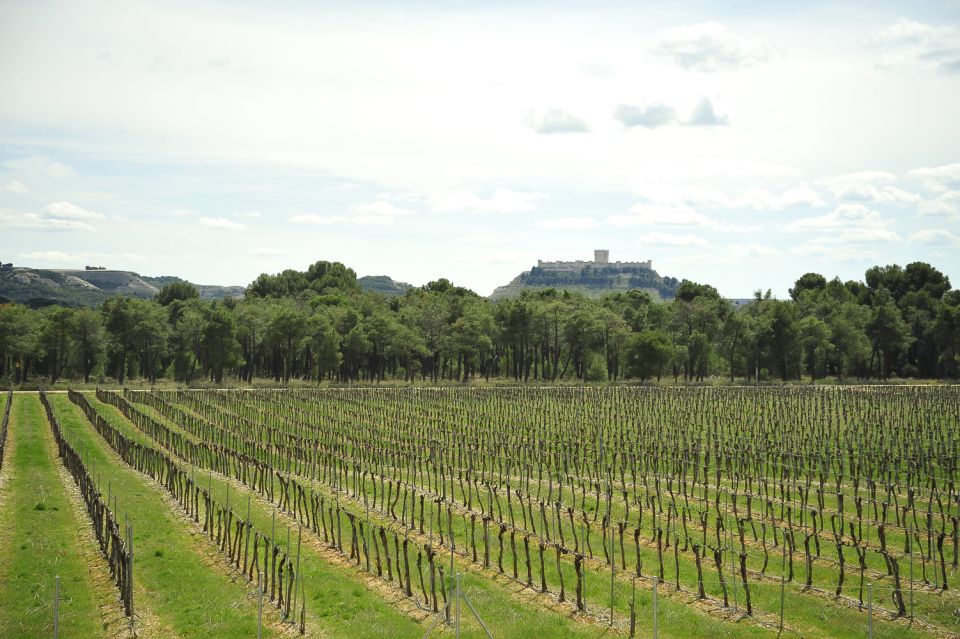
The second winery is described differently on purpose. Think spaces that connect with vineyards, with modern buildings and architecture blending into the natural setting. This stop is good for tasting with your eyes open: you can compare what happens when a winery uses its layout and tools to support its production goals.
Why I like stopping here right after the first one: it creates a clean learning curve. You’ve already tasted one style shaped by boutique precision, so now you can focus on contrasts—how the setting, the building, and the winemaking approach translate into the glass.
In practical terms, this stop still delivers the same core package:
- Guided tour of facilities
- Wine tastings
- Local snacks/appetizers




Lunch Break Around Ribera del Duero: Choose Castilian Food and Keep It Moving
Between the second and third winery, you get a free time window of at least 1 hour, and the schedule says about 1.5 hours total for lunch/free time. Lunch isn’t included, but the guide will recommend options.
You can expect choices ranging from:
- Tapas-style lunch around €12–15
- Or a more complete 3-course meal around €30
My advice for lunch: treat it like fuel, not a celebration. You’ve already had multiple tastings, and you still have one more winery experience coming. Order something you can digest easily, and don’t go too heavy on alcohol if you want to enjoy the last stop—especially the cellar tour.
Also, don’t count on a fast meal if you wander. Use the guide’s recommendation so you don’t burn your lunch time hunting.
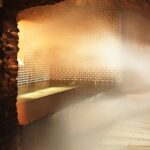
Stop 3: The Medieval Underground Cellar (7 km Long)
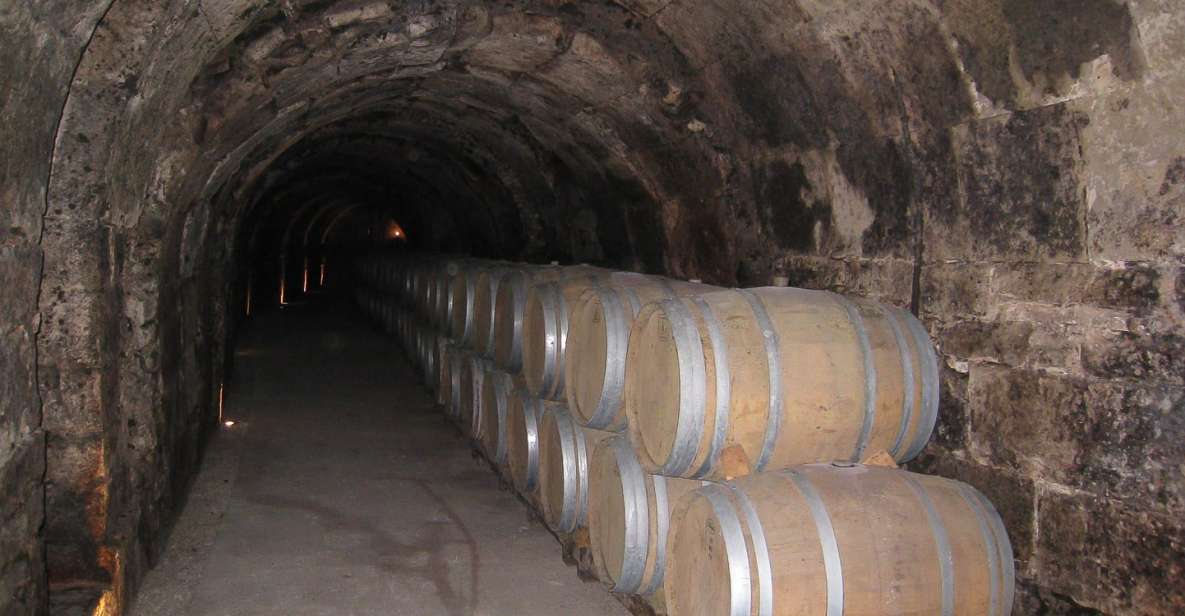
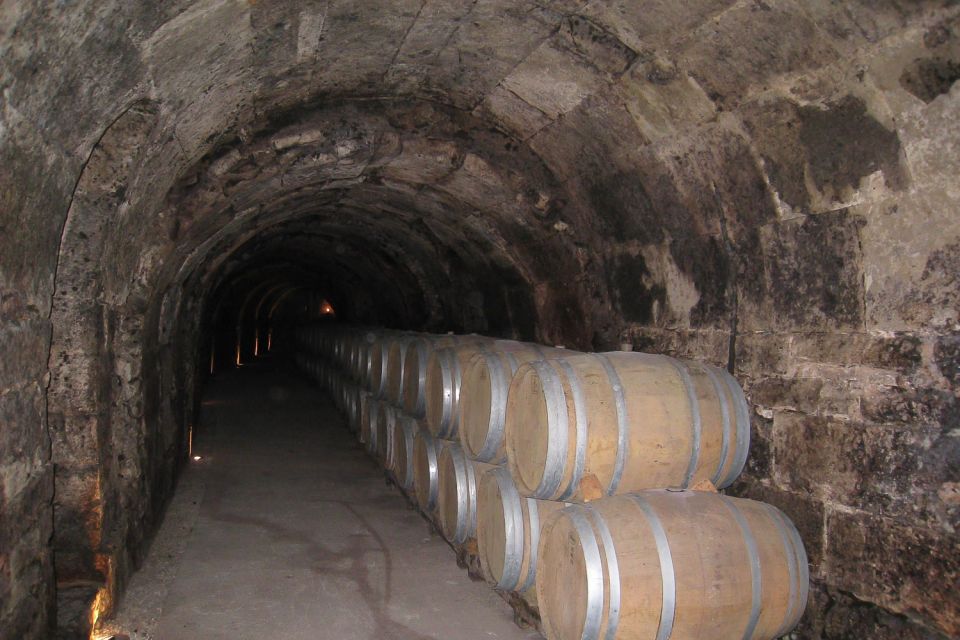
The final winery is the one that turns the day from “tastings and buildings” into “story you can feel.” Here, winemaking tradition is passed down for 400 years, and the winery was founded before the Denomination of Origin existed—making it a kind of forerunner in the region.
The most striking feature is the medieval underground cellar:
- Excavated from rock
- Roughly 7 km long (tunnels)
- About 13 meters deep
- Dating to the 16th century
- Still in use
Even if you’re not a cellar-history person, the scale helps your brain understand how different underground wine storage is from modern tanks. You’ll usually walk through parts of the facility as part of the guided visit, and the tasting here feels like the last chapter of the day’s theme: tradition plus place.
The payoff is emotional as much as educational. The setting makes you slow down, look around, and connect wine to geography in a way that’s harder when you’re only in bright tasting rooms.
What You Actually Taste: At Least 8 Ribera del Duero Wines
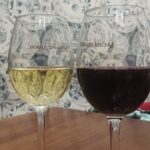
The tour is built around a minimum tasting target: at least 8 wines from Denomination of Origin Ribera del Duero. You’ll taste these at the wineries with local appetizers, so it’s not just wine on your palate—it’s wine paired with food that fits the region.
What I think you’ll appreciate most is how the three wineries give you a natural comparison set:
- A boutique, architecture-driven winery with notable modern acclaim
- A second winery focused on a different balance of modern design and vineyard connection
- A historically rooted winery ending with the underground cellar experience
If you want to get the most out of tastings, do this simple thing: when you taste, ask yourself which part you like most—aroma, acidity/structure, or finish length. Then use the next stop to see if those traits shift. That’s how you turn “drinking wine” into learning.
The Guide Factor: When English-Spanish Translation Actually Works
This tour shines when the guide turns the technical bits into approachable moments. Names that show up again and again in the experience include Ismael/Ismail, Muna, and others like Antonio, with one standout trait: they manage the group’s questions and keep both Spanish and English working smoothly.
In real life, bilingual group tours can be messy—someone always feels left out. Here, the tour notes it can run Spanish and English simultaneously if needed, and the execution sounds strong from the way guides handle mixed groups.
You’ll also get help with how to taste—what to pay attention to beyond “this is good.” That matters because wine tastings can otherwise turn into a blur of similar pour sizes.
Small Group Energy (and a Note on Comfort)
The tour is set as a small group experience:
- Minimum 4 participants
- Maximum 20
- Average group size around 8
That size is a big deal for wine tours. It typically means more time with the guide, less waiting at each winery, and easier pacing inside small spaces—especially underground.
One practical heads-up: this is still a full-day coach ride. A few people have raised comfort issues about bus audio and air conditioning. You can’t control the vehicle, but you can prepare. Pack a light layer, and bring something for noise (earbuds or even just earplugs).
Price and Value: Why €-to-Wine Math Is Actually Reasonable Here
The listed price is $218 per person for an 11-hour day trip. That sounds high until you break down what’s included:
- Round-trip transportation from Madrid
- A bilingual expert guide
- Visits to 3 family-owned wineries
- Tastings at each winery
- Local appetizers at each winery
- Skip-the-line style access via a separate entrance
Lunch is the main extra cost. And yes, lunch can add up depending on your choice.
So where does value come from? You’re paying for the “all-in” structure: transport + guided access + multiple tastings across different types of wineries. If you tried to do this on your own, you’d spend time arranging visits and private tastings—then pay for transfers anyway. This tour gives you a full Ribera del Duero education day with far less friction.
If you only want one winery and you want a relaxed pace, this could feel like too much. But if you’re a wine person, or you want to understand Ribera quickly, the structure is a strong match.
Who Should Book This Tour (and Who Might Want Something Else)
You’ll likely love this tour if:
- You’re in Madrid and want more than one winery day without stressful planning
- You want to compare modern winery design vs. older underground storage
- You enjoy learning as you taste, and you like the idea of asking questions
It may not fit if:
- You hate long days or long drives
- You’re traveling with kids under 12 (they can’t take part)
- You need wheelchair access (the tour is not suitable for wheelchair users)
- You’re hoping for a super-flexible day—this is a timed, structured experience
Should You Book This Ribera del Duero 3-Winery Tour?
I’d book it if you want the fastest honest way to understand Ribera del Duero’s range in one day. The combination of three different winery styles, at least 8 wines, and that final 7 km underground cellar makes it more than a “tasting bus tour.”
Skip it if you’re chasing a relaxed afternoon or you only want the most old-school vibe—because the day includes modern architecture and a full schedule. And if you book, plan your lunch like a smart adult: eat enough to enjoy the final stop, then pace your taste so you can fully appreciate the cellar experience.
If you want a Ribera del Duero education day with real people behind the wine, this tour checks the big boxes.
FAQ
How long is the Ribera del Duero day trip?
It runs about 10 to 11 hours total, depending on traffic.
What time does the tour leave Madrid and when do we return?
You depart Madrid at around 9:15 AM and return at about 20:00.
How many wineries are visited?
You visit 3 wineries in the Ribera del Duero region.
How many wines will I taste?
You’ll taste at least 8 Ribera del Duero wines, with local appetizers at each winery.
Is lunch included in the price?
No. Lunch is not included, but you’ll have free time (about 1.5 hours) to choose food nearby, and the guide provides recommendations.
What’s the minimum age for wine tastings?
The minimum age for wine tastings is 18. Children under 12 can’t take part in the tour.
What group size should I expect?
The group size is small, with a minimum of 4 and a maximum of 20, with an average group size around 8.
Where is the meeting point in Madrid?
Meet at Plaza del Conde de Casal, 6, at the front door of the cafeteria of Hotel Claridge, next to the main hotel door. The closest metro is Conde de Casal (Line 6).
What languages are offered?
The tour operates in Spanish and English.
Is the tour wheelchair accessible?
No, it is not suitable for wheelchair users.