REVIEW · GRANADA
Granada: Sierra Nevada Veleta Peak Trek with Lunch
Book on GetYourGuide →Operated by D.I.M. TRAP S.L. · Bookable on GetYourGuide
Veleta Peak feels close, even before you start climbing. This Sierra Nevada trek from Granada takes you up to Veleta Peak (3,396 m) with sweeping mountain views and that steady, encouraging rhythm that helps you keep going. I also love the chance for big-sky scenery like the Mediterranean Sea views on clear days. One consideration: weather and icy conditions can make the day tougher, and the exact effort level may feel different than you expect.
The summit break is the real payoff. You get a picnic lunch at the top, plus water and snacks along the way, so you’re not scrambling for food mid-climb. If you hike in winter, you’ll use snowshoes and poles, and in summer you’ll switch to walking sticks. In fact, several groups highlighted how much the guide’s support helps you move safely over snow.
Logistics are simple, too. You meet at Centro comercial Neptuno, then ride up by van, with a small group capped at 10. Just note this is not for kids under 14, not for pregnant travelers, and not for mobility impairments, so read the fit checklist before you book.
In This Review
- Veleta Peak Trek at a Glance: what makes this day work
- Sierra Nevada from Granada: why this trek feels special
- Centro comercial Neptuno to Hoya de la Mora: the ride that sets your day
- Winter snowshoes vs summer walking sticks: same goal, different feel
- The climb to Veleta: what you’ll feel and what to watch for
- Summit picnic lunch at 3,396 m: the break you’ll remember
- Guide support (Harry and others): value comes from how you’re handled
- What’s included in the $112 price: where the money goes
- What to pack: don’t let cold hands ruin your summit photos
- Who this Veleta trek is best for (and who should skip it)
- Should you book the Veleta Peak trek from Granada?
- FAQ
- Where do I meet for the trek?
- What time does the tour start?
- How long is the trek?
- Will I have lunch during the trek?
- Do I get transportation from Granada?
- What languages are the guides?
- Is the group size small?
- What gear is provided?
- What should I bring for the hike?
- Is the trek suitable for children or mobility needs?
- FAQ
- Can I cancel and get a refund?
- Is there an option to pay later?
- When do I use snowshoes?
- What do I use in summer?
- Do you adapt the hike to my fitness level?
Veleta Peak Trek at a Glance: what makes this day work
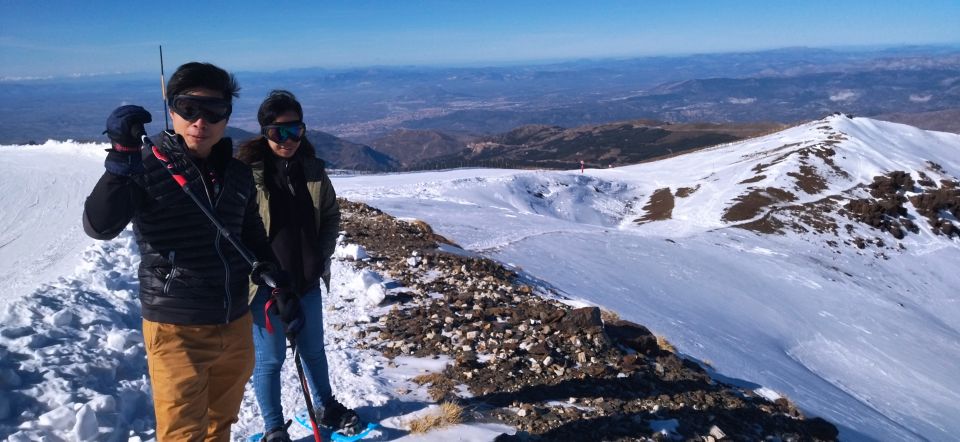
- Veleta Summit (3,396 m): a real high-mountain target in the Sierra Nevada.
- Small-group pace (max 10): easier to get personal help when the slope gets steep.
- Winter gear included: snowshoes and poles when snow and ice show up.
- Summit picnic lunch: you eat where the views earn the break.
- Views you can read: you’ll look toward key peaks like Mulhacén when conditions are clear.
Sierra Nevada from Granada: why this trek feels special
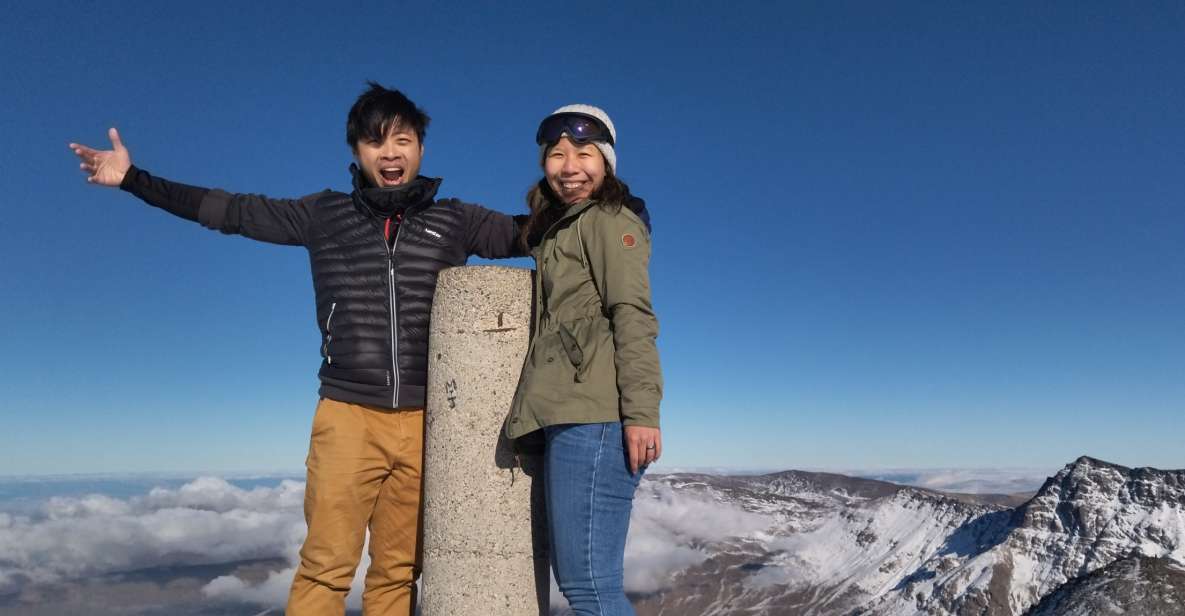
Sierra Nevada is the kind of place where altitude changes everything. Within a single day you go from the Granada area’s lower elevation feel to high-mountain air, with colder temps and a stronger sense of space. That shift is part of why Veleta is such a fun goal: you don’t just hike, you step into a different climate.
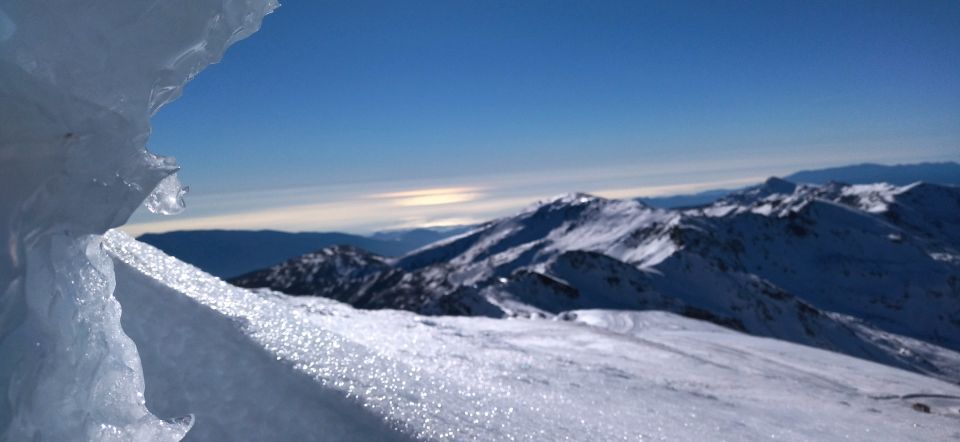
This is also a “views with context” hike. The route is designed so you can see major landmarks while you climb, including the summit of Mulhacén and the way Veleta sits among the ridgelines. On clear days, you can even see out toward the Mediterranean Sea, which turns the day into more than cardio.
You’re paying for more than footsteps. With the guide, included gear (snowshoes and poles in winter), safety briefing, and lunch, the trip is built to run smoothly at altitude. For $112, that matters because the cost isn’t only the guide. You’re also getting transport, a planned summit break, and equipment so you’re not improvising.
A few more Granada tours and experiences worth a look
Centro comercial Neptuno to Hoya de la Mora: the ride that sets your day
You start at Centro comercial Neptuno. From there, you’ll take a van up toward the Sierra Nevada area, with a total transfer time of about 45 minutes each direction. Depending on the day, you’ll either depart Granada at 09:00 or meet at Hoya de la Mora at 10:00, where the trek begins.
Why I like this setup: you waste less time in transit and more time actually moving on the mountain. Also, the guide can do the first safety and route talk while everyone is fresh and organized, rather than after people are already worn out.
The day is paced for a full block of hiking. Once you’re up, you’re in the mountains for roughly 6 hours of trekking time on the Sierra Nevada portion, then you descend and regroup for the ride back. You’ll return to Hoya de la Mora, and you’re back in Granada by around 18:00.
Winter snowshoes vs summer walking sticks: same goal, different feel
This trek is year-round, and the gear changes with the season. In winter, you’ll use snowshoes and poles. The poles help with balance when footing is slick, and snowshoes spread your weight so you don’t sink as much.
In summer, you hike with lighter support: walking sticks instead of snowshoes and poles. The challenge shifts from “slip and sink” to “step and climb,” meaning you’ll rely more on steady pacing and leg strength. Either way, the guide keeps you moving with the right technique for the conditions.
A few people in the group comments specifically called out how helpful it was to get instructions for walking on different surfaces, especially with snowshoes. That’s a big deal. When gear matches the terrain, you spend less energy fighting the ground and more energy going up.
The climb to Veleta: what you’ll feel and what to watch for
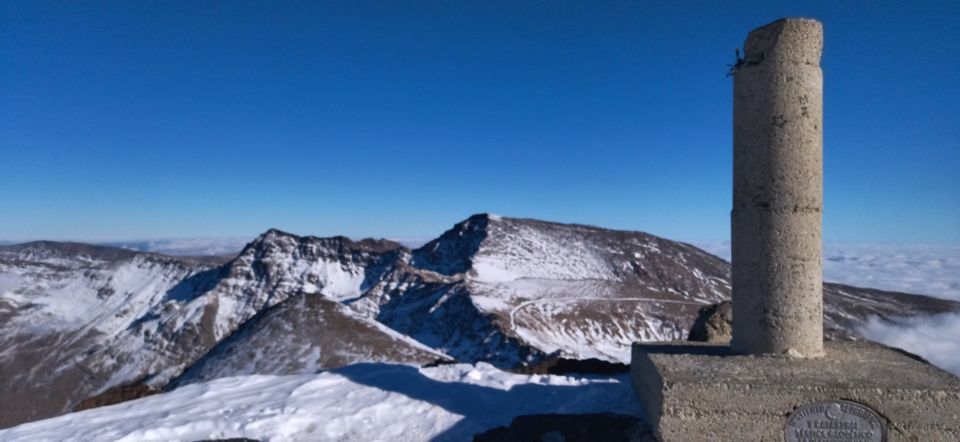
Your main objective is Veleta Peak at 3,396 meters. That altitude isn’t just a number. You’ll feel it in the cold factor (especially at the top), and you’ll notice how quickly your body asks for shorter, steadier efforts.
The good news is the day is designed to be adaptable. The activity notes that it can be adjusted based on each participant’s sportive level. In practice, that kind of flexibility matters on a steep mountain approach because it lets the guide manage pace, breaks, and effort so more people can reach the summit.
For a practical sense of exertion, one participant logged about 8.1 miles and around 2,946 feet of climb in roughly 6.5 hours. Your personal numbers can vary with your pace and conditions, but it helps you understand: this isn’t a casual walk. It’s a real hike with a strong payoff.
What I’d watch for most is weather comfort at the top. The summit is where wind and temperature can surprise you. Even on clear days, it can feel much colder up there than you expect from the start point.
Summit picnic lunch at 3,396 m: the break you’ll remember
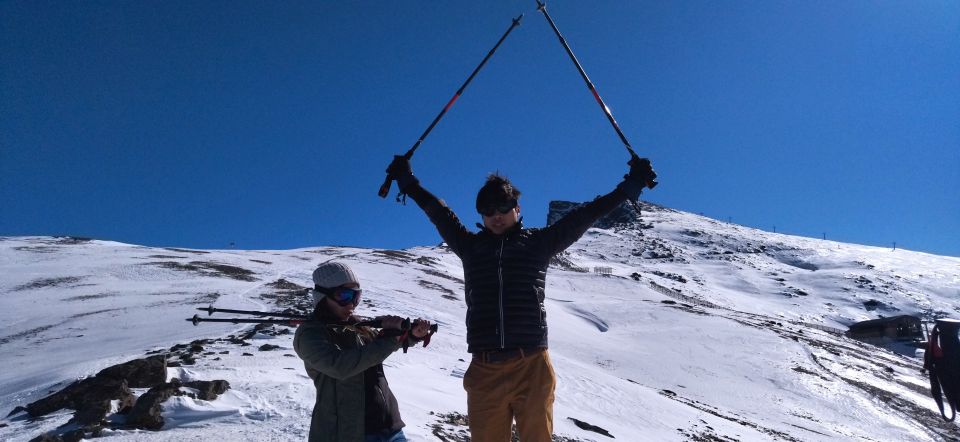
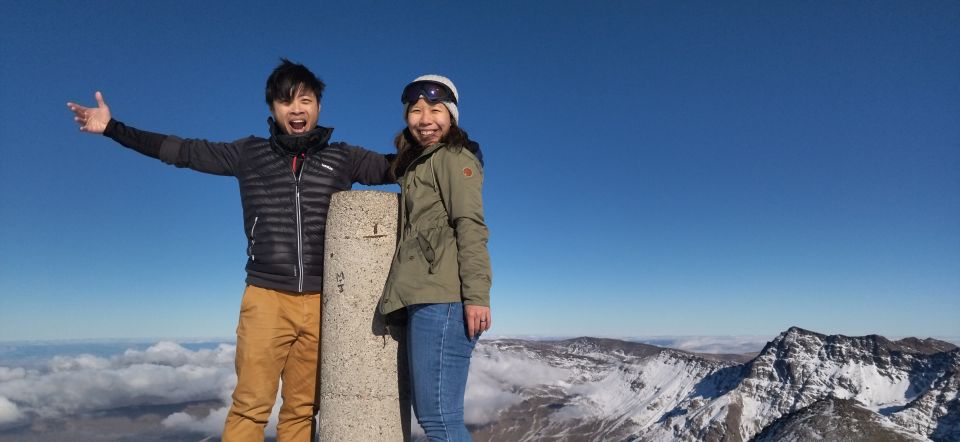
The summit break is built into the route on purpose. Once you reach the top, you get a rest period and a picnic lunch before you start the descent. It’s not just food. It’s a mental reset, a chance to look around, and a moment to enjoy that “we actually made it” feeling while your legs cool down.
This is where the experience gets personal. People repeatedly praised the lunch quality, including mentions of special diets such as vegan lunch upon request. If you eat differently, I’d plan to tell the guide clearly when you meet so they can do the best they can with the picnic setup.
You’ll also get the basics covered: water and snacks along the way. That means you’re not stuck calculating how long you can go before your energy runs out. At altitude, that matters more than on lowland hikes.
Small tip from the style of the day: keep your camera ready. The route gives you a lot of sightlines—ridgelines, the Granada plain when it’s visible, and sometimes long-distance views toward the sea. If you dress and pack for cold hands, you’ll enjoy the photo stops more.
You can also read our reviews of more hiking tours in Granada
Guide support (Harry and others): value comes from how you’re handled
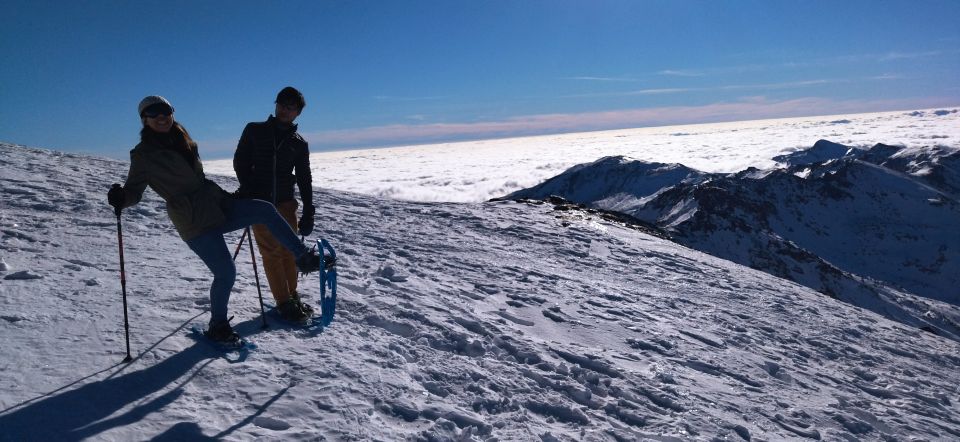
The guide isn’t just “someone who leads.” This trek leans hard on guide experience and coaching style. Multiple groups highlighted how supportive and encouraging the lead guide can be. Names that came up include Harry, but also other guides like Ariadna and Jakub.
One of the highest-praise themes was tailoring. People described having the hike adjusted to things like knee comfort and heart conditions, while still reaching the top. That tells me the guide isn’t following a rigid script where everyone does the same thing no matter what. Instead, you’re getting route management and pacing guidance.
You’ll also get a safety briefing before the climb. In winter, that matters extra because snow footing changes everything. In summer, it still matters because the slope can force rushed steps if you don’t slow down early.
If you’re the type who likes learning while you hike, you’ll probably appreciate the guide’s stories and explanations about the area. That kind of talk doesn’t slow you down when it’s timed well, and it helps the mountains feel less like a background and more like a place with real geography.
What’s included in the $112 price: where the money goes
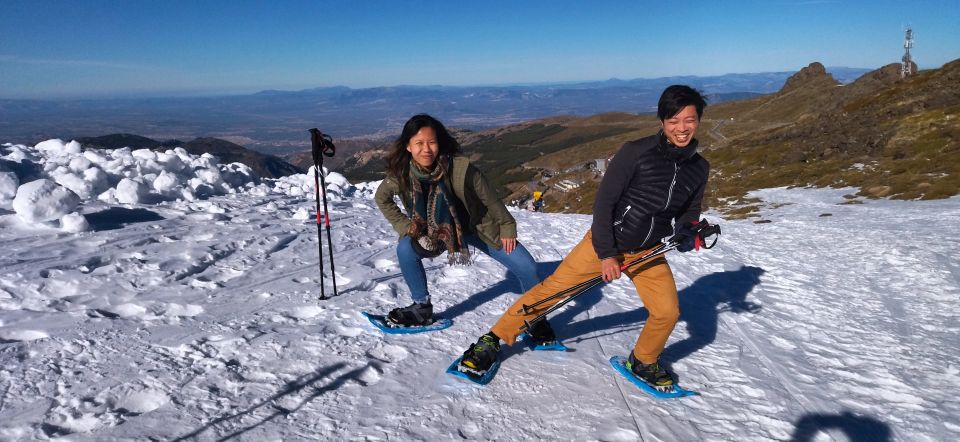
This is a “pay once, get the day” type of tour. Included items reduce the normal add-ons you’d have to figure out on your own.
You get:
- round-trip transportation between Granada and the mountain area (meeting at Centro comercial Neptuno)
- a mountain guide in English or Spanish
- civil liability and accident insurance
- snowshoes and poles in winter (equipment provided)
- a digital photographic report
- picnic lunch
- water and snacks
That last list is the quiet value. Hikes often sell you the view but make you bring your own food and gear. Here, the tour absorbs the logistics, so your day stays focused on the climb and the views instead of checklists.
Also, the group is capped at 10. That means less crowding at rest stops and more chance for the guide to notice who needs a breather.
What to pack: don’t let cold hands ruin your summit photos
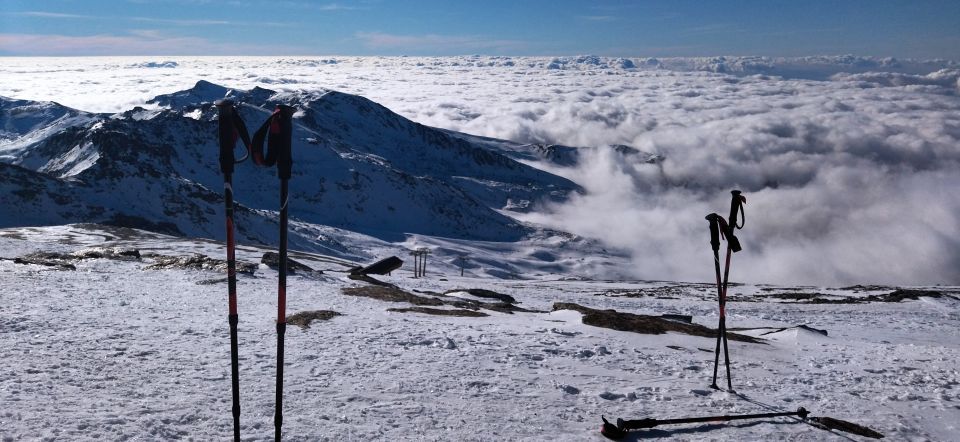
The essentials are spelled out, and you should treat them like real gear, not optional suggestions.
Bring:
- sunglasses and sunscreen
- a sun hat (and a proper jacket)
- gloves
- hiking shoes and hiking pants
- a daypack
- waterproof shoes if you have them
- extra layers that work in cold air
Even in summer, you’re at high elevation, so pack for temperature swing. In winter, gloves and a real jacket become non-negotiable. People who had a great day still stressed cold top conditions, so plan for it rather than hoping for the perfect weather.
One practical mindset: pack so you can stay outside comfortably during the summit pause. Lunch at the top means you’ll be standing still for a bit, and that’s where heat disappears first.
Who this Veleta trek is best for (and who should skip it)
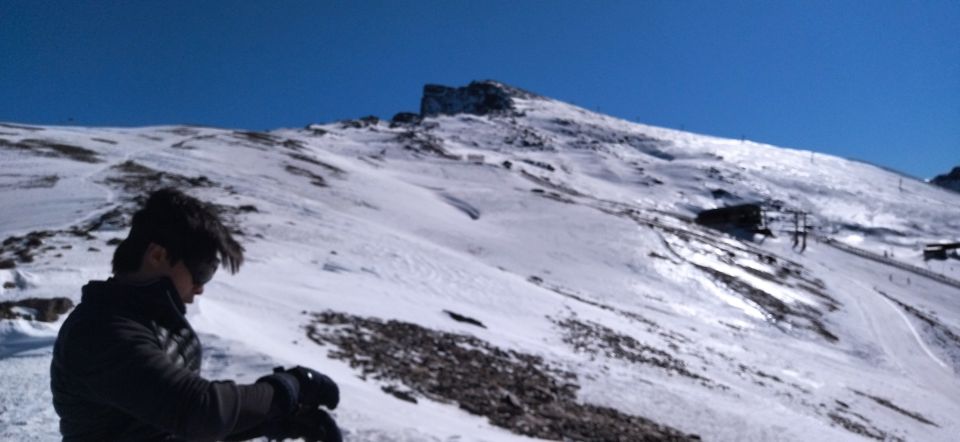
This trek suits you if you want a guided hike with a clear objective and a serious view reward. You’ll likely enjoy it if you like mountains, want high-altitude scenery, and prefer a small group where pacing can be adjusted.
It’s adaptable to different sportive levels, and the guide support is a major plus if you want help managing effort. Several people also appreciated that the guide didn’t treat the mountain as one-size-fits-all.
But skip it if you’re outside the activity’s fit rules: it’s not suitable for children under 14, not for pregnant women, and not suitable for people with mobility impairments. If any of those apply, choose a different Granada experience that matches your needs.
Should you book the Veleta Peak trek from Granada?
I’d book it if you want a mountain day that feels organized, not chaotic. The combination of Veleta’s real summit target, guided coaching, included picnic lunch, and provided snow gear in winter makes this a solid value for $112. You’re also not stuck carrying the heavy parts of the logistics.
I would think twice only if you’re expecting an easy walk. This is a hike with steep sections and high-altitude conditions, and cold or icy weather can make it feel demanding. If you dress right, move at the pace your guide sets, and come prepared for the climb, you’ll get the kind of panoramic payoff that makes the effort worth it.
If you’re on the fence, choose the season that matches your comfort. Winter snowshoeing is a different skill feel; summer hiking is more about steady climbing. Either way, the summit break is the highlight you’ll talk about after you get back to Granada.
FAQ
Where do I meet for the trek?
Meet your guide at Centro comercial Neptuno.
What time does the tour start?
The day starts with either a 09:00 departure from Granada or a 10:00 start from Hoya de la Mora.
How long is the trek?
The duration is about 7 hours.
Will I have lunch during the trek?
Yes. You’ll have a picnic lunch after reaching Veleta.
Do I get transportation from Granada?
Yes. Round-trip transportation from Granada is included.
What languages are the guides?
The guide is available in English and Spanish.
Is the group size small?
Yes. The group is limited to 10 participants.
What gear is provided?
Snowshoes and poles are provided (especially in winter). Water and snacks are also included.
What should I bring for the hike?
You should bring sunglasses, a sun hat, hiking shoes, sunscreen, a jacket, gloves, a daypack, hiking pants, and waterproof shoes if you have them.
Is the trek suitable for children or mobility needs?
It’s not suitable for children under 14, pregnant women, or people with mobility impairments.
FAQ
Can I cancel and get a refund?
Free cancellation is available up to 24 hours in advance for a full refund.
Is there an option to pay later?
Yes. You can reserve now and pay later.
When do I use snowshoes?
In winter, you’ll use snowshoes and poles to enjoy the snow and ice.
What do I use in summer?
In summer, you use walking sticks.
Do you adapt the hike to my fitness level?
Yes. The adventure is adaptable according to the sportive level of each participant.