REVIEW · GRANADA
Hiking experience in the High Sierra Nevada National Park
Book on Viator →Operated by Sierra Nevada Guides · Bookable on Viator
A sky-high hike from Granada starts with one simple pickup. This full-day trek climbs from the San Juan glacier valley up toward Tajos del Campanario in the UNESCO-listed Sierra Nevada Biosphere Reserve, with chances to spot mountain goats and eagles along the way. The payoff is wide-open, north-face views of Mulhacén, Veleta, and Alcazaba.
I love the way this trip handles the altitude and effort: you’re not left to struggle alone. The guide sets a group pace, keeps making stops, and stays close enough that you can ask questions when you want the story behind the rocks and plants.
One possible drawback: it’s a real workout. You’re hiking at elevation on steep, rocky ground, so if you’re not used to uphill cardio, you’ll feel it fast.
In This Review
- Quick Takes: What You’ll Remember Most
- From Granada to 2,500 Meters: The Pickup That Makes It Worth Doing
- San Juan Valley: Glacial Ice, Wildflowers, and Animals That Actually Show Up
- Posiciones del Veleta: Fortifications, Big Expanse, and a History Stop That Doesn’t Feel Like a Museum
- Tajos del Campanario: The Summit Area Views of Muhacén, Veleta, and Alcazaba
- Pace, Weather, and Gear: Sneakers Can Work, But Smart Adds Win
- Footwear and poles
- Layers, gloves, and possible snow
- Food and water
- Guide + Dog Energy: Why Jaime (and Others) Make the Day Feel Safe
- Price and Value: Why $71.35 Makes Sense for This Kind of Hike
- Who This Hike Fits (and Who Might Want a Softer Day)
- Should You Book This Tajos del Campanario Hike from Granada?
- FAQ
- What time does the Sierra Nevada hike start, and how long is it?
- Where do I meet for pickup in Granada?
- How many people are in the group?
- Do I need hiking shoes, or are sneakers okay?
- What’s included in the tour price?
- Is food provided?
- What if weather turns bad?
Quick Takes: What You’ll Remember Most
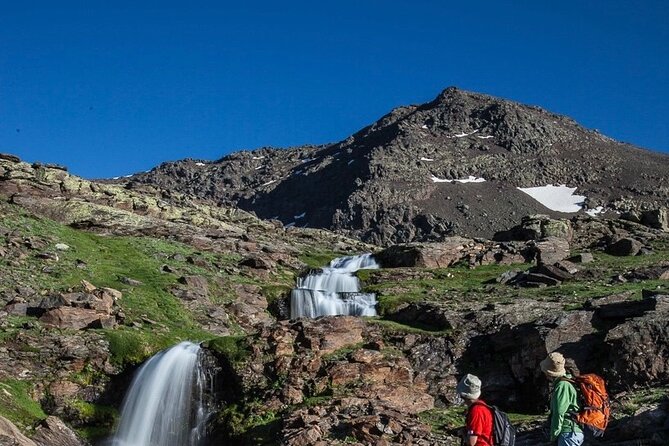
- Up close glacier scenery in San Juan Valley, where ice carved the rocks over thousands of years
- Posiciones del Veleta viewpoints, tied to Spanish Civil War-era fortifications
- Small-group size (max 8), which means fewer bottlenecks and more guide attention
- Wildlife odds: mountain goats, eagles, migratory birds, plus plants and insects that only live here
- Pace control and safety mindset, especially when snow or rain shows up
From Granada to 2,500 Meters: The Pickup That Makes It Worth Doing
The day starts easy, but the elevation hits quickly. You meet at Plaza de Mariana Pineda in central Granada at 9:00 am, then a private vehicle takes you up into the Sierra Nevada area to the trail’s starting point at about 2,500 meters (8,200 feet). This matters more than it sounds: starting high means you skip the stress of figuring out mountain transport on your own, and you get moving before crowds decide to appear.
The drive is part of the fun. You’re watching the city heat fall away while the mountain air cools down, and the views from the road help you mentally switch from sightseeing mode to hiking mode. In a group tour setting, that transition is a big deal—because once you start climbing, you’ll want your head in the right place.
A small group limit (up to 8 people) is also practical. Fewer people means the guide can pause when someone spots wildlife, and you’re less likely to feel like you’re stuck behind a line.
You can also read our reviews of more hiking tours in Granada
San Juan Valley: Glacial Ice, Wildflowers, and Animals That Actually Show Up
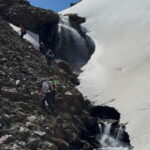
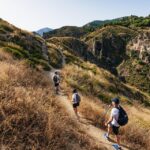
Your first big “wow” comes in the glacial San Juan Valley. This is the kind of place where geology isn’t trivia—it’s scenery. You walk through a valley shaped by ice excavation over thousands of years, and the trail puts you near flowing water, lakes, waterfalls, and shiny rock surfaces. In plain terms: you’ll see more than “a nice path through the mountains.” You’ll see evidence.
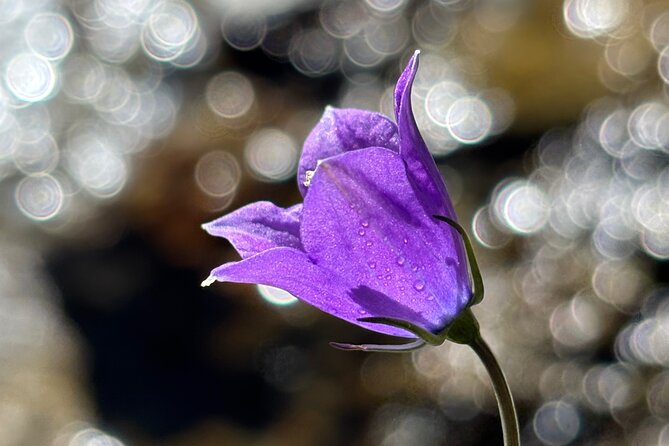
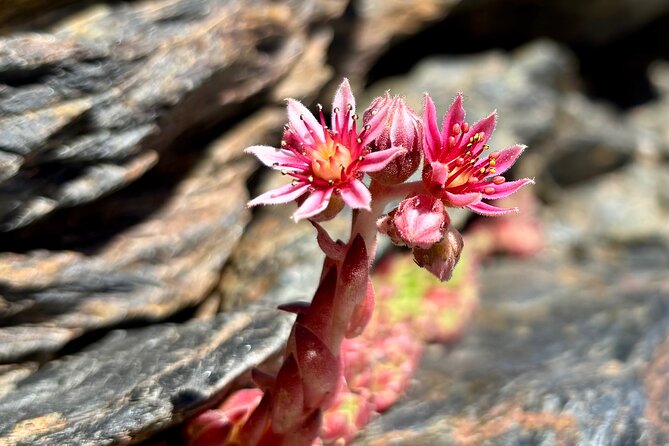
This is also where the Sierra Nevada feels alive. The tour has a strong chance of mountain goats, eagles, and migratory birds. Even if you don’t spot every animal, the fact that the habitat is intact matters. You’re hiking in the Sierra Nevada Biosphere Reserve, so you’re walking through a protected zone where endemic plants and local insects can do their thing.
Wildflowers are part of the appeal too, especially when the trail is blooming at the edges. One practical point: blooming conditions vary by season, but the valley character doesn’t. Expect water sounds and cooler air as you climb.
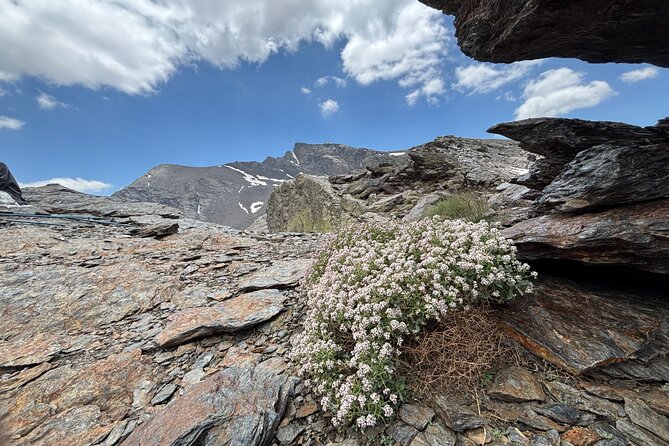
What to watch for: glacier valleys can mean the ground stays slick longer than you’d expect. In real-world terms, that translates to uneven footing and loose rock. I’d treat this as a “train your balance” hike, not a casual stroll—especially near steeper sections.
Posiciones del Veleta: Fortifications, Big Expanse, and a History Stop That Doesn’t Feel Like a Museum
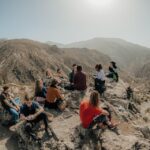
Midway through the hike you reach Posiciones del Veleta, a strong viewpoint across Sierra Nevada’s northern face. This is one of the trip’s clever moves: you’re earning a view, then you get a reason for it.
Here you can see Spanish Civil War-era fortifications—built into the landscape for strategic advantage. The value isn’t that you’ll memorize dates. It’s that you’ll understand why people bothered to build here: the terrain provides wide visibility, and the mountains shape what humans can do.
From a hiking perspective, this is a welcome “reset moment.” You stop, breathe, and switch from climbing effort to observation mode. If your legs are getting heavy, this kind of viewpoint break can be the difference between pushing through and mentally tapping out.
Also, Posiciones del Veleta sits high enough that the air can feel thinner. You don’t need to be scared by that. Just use it as a cue: hike slower than you think you should, take the breaks your guide offers, and don’t force speed.
Tajos del Campanario: The Summit Area Views of Muhacén, Veleta, and Alcazaba
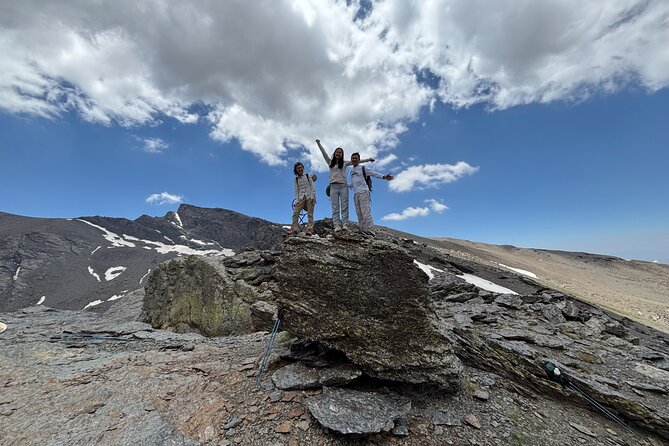
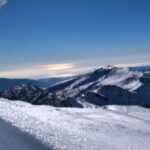
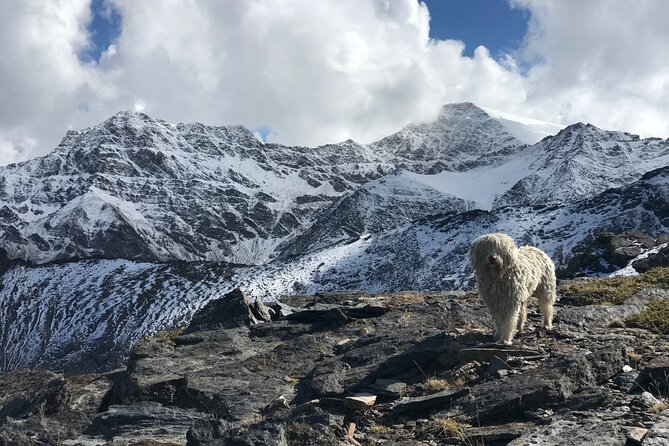
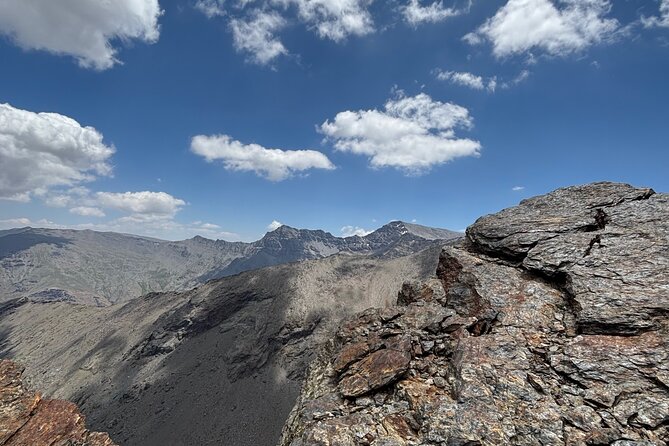
The main goal is the climb to Tajos del Campanario, where you get north-face views across Muhacén, Veleta, and Alcazaba. This is the part that feels most “Sierra Nevada specific.” You’re not just looking at mountains—you’re looking at the major faces and peaks that define the massif.
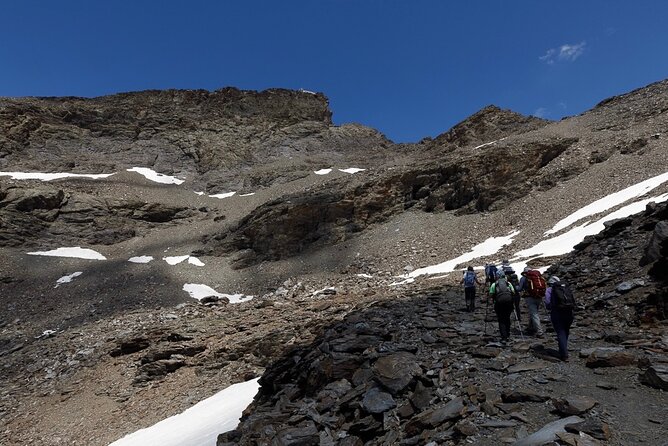
The terrain on the way up tends to be steep and rocky. More than one person in the experience feedback highlights that the last pushes can feel tough, especially when you’re not trained for uphill at altitude. The good news: the guide paces the group and builds in stops, so the goal is consistent movement, not sprinting.
You can also get lingering snow in some seasons, and that changes everything. Snow patches can make steps slick, and they can make wind more noticeable. That’s why the operator’s approach to gear matters here—more on that next.
My advice: treat the summit segment like a long, careful climb rather than a dramatic final ascent. If you stay smooth, you’ll enjoy the views more.
Pace, Weather, and Gear: Sneakers Can Work, But Smart Adds Win
The tour is rated for people with moderate physical fitness, and the altitude is real. One common theme from the experience notes: you’ll do enough uphill that baseline cardio helps. Also, you start at high elevation, so it’s not just muscle effort—it’s breath effort too.

Footwear and poles
You don’t strictly need hiking boots. The tour notes say sneakers/trainers are OK, and some people do the hike with trainers. But the reviews also warn that the rock can get slippery, particularly on loose slate and in wet or windy weather. If you’re choosing, I’d pick shoes with solid grip and some ankle support.
The tour includes hiking poles, and poles are genuinely useful on steep, uneven terrain. One important caveat: a participant reported poles weren’t available as expected in their group. So if poles are part of your confidence (or you know you rely on them), I’d either bring your own or double-check expectations with the provider.
Layers, gloves, and possible snow
The experience includes warm clothes for guests, which is a big comfort win. That matters because weather in Sierra Nevada can flip fast—sun at the top can still turn into wind chill. Multiple notes mention gloves being handy when snow appears, and extra layers can save you from feeling cold during pauses.
Pack for changeable conditions: sun protection, a hat, and a light jacket. If you’re someone who runs warm, you might not need heavy layers, but you’ll appreciate having something for the wind.
Food and water
Food isn’t included. Bring a lunch, snacks, and water. A few people emphasize packing at least a couple liters of water for the long day and eating at the top or during viewpoint breaks. This isn’t a short “pop out and back” hike—so plan like it’s one.
If you want an easy lunch idea, a sandwich works well because you can eat quickly and get back to enjoying the view.
Guide + Dog Energy: Why Jaime (and Others) Make the Day Feel Safe
One reason this hike rates so highly is the human factor: the UIMLA mountain guide and the guide’s style. You’re hiking with a professional who stays attentive and helps manage the group’s energy. People highlight how the guide adjusts the pace, walks alongside the group, and offers help when someone gets tired on the steeper sections.
The name that shows up again and again is Jaime, and several notes also mention his dog Kai—which adds a unique, down-to-earth vibe to the day. It’s not a gimmick. When you’re on a long, steep trail, having a companionable guide dynamic can keep the mood calm and the group moving.
Another plus: the guide is described as asking you how you’re doing and giving breathing room. That matters for a hike like this, where the pace can feel different depending on how your body handles altitude.
And if you care about language: Jaime is described as speaking both English and Spanish, and he’s open to practicing Spanish with people who want to use it.
Price and Value: Why $71.35 Makes Sense for This Kind of Hike
At $71.35 per person, the value comes from what’s included—not just that you pay for a tour.
You get:
- Private transport from central Granada to the high starting area and back
- A UIMLA mountain guide
- Assistance and liability insurance
- Hiking poles and the option for warm clothing
- Small group size (max 8), which keeps your guide time efficient
For me, that’s the real bargain: you’re paying to remove logistics friction. You’re not renting a car, you’re not guessing routes, and you’re not spending time figuring out how to start a high-altitude hike correctly.
Could you hike Sierra Nevada on your own? Sure. But the combination of elevation access, professional pacing, and practical gear support is what you’re buying here.
Also, the experience is offered in English, and it uses a mobile ticket. Those two details might sound minor, but on a long day in the mountains they reduce stress.
Who This Hike Fits (and Who Might Want a Softer Day)
This tour fits best if you:
- exercise regularly and can handle an all-day effort
- don’t mind steep uphill sections at elevation
- want more than views—like history at Posiciones del Veleta and real glacier-valley scenery
- like small groups and a guide you can ask questions to
You might want to choose a less demanding option if you:
- hate uneven footing and loose rock
- get anxious at altitude or fatigue quickly without a structured pace
- don’t have solid shoes with grip (or aren’t willing to bring them)
The good news is that the guide adjusts when needed. The key is honesty before you suffer: if you feel tired, you’ll find spots where you can pause while the group moves on.
Should You Book This Tajos del Campanario Hike from Granada?
If your ideal Granada day is trading tapas lines for cool mountain air and big views, this is a strong pick. I’d book it if you’re comfortable with uphill effort and you want a guided day that mixes geology, altitude, wildlife odds, and a viewpoint tied to Civil War fortifications.
I’d hesitate only if you’re unsure about rocky steep terrain or you’re hoping to do it with minimal prep. This is doable, but it’s not a walk in the park.
One final, practical rule: pack sun protection, bring water and a simple lunch, and wear footwear you trust on slippery rock. If you do that, the day has a way of turning into one of those rare hikes you remember for the calm, clear views and the sense of real time spent in the Sierra Nevada.
FAQ
What time does the Sierra Nevada hike start, and how long is it?
The tour starts at 9:00 am and runs about 7 hours total (approx.), including time for driving and hiking.
Where do I meet for pickup in Granada?
You meet at Plaza de Mariana Pineda in central Granada (Pl. de Mariana Pineda, Centro, 18009 Granada, Spain).
How many people are in the group?
The group is limited to a maximum of 8 travelers.
Do I need hiking shoes, or are sneakers okay?
Sneakers or trainers are OK for this tour. That said, the terrain can be rocky and slippery, so shoes with solid grip and some ankle support can make the hike easier.
What’s included in the tour price?
Included are private transportation, a UIMLA mountain guide, assistance and liability insurance, warm clothes (on request), hiking poles, and a small-group tour.
Is food provided?
Food and drinks are not included unless specified. Plan on bringing lunch and snacks.
What if weather turns bad?
This experience requires good weather. If it’s canceled due to poor weather, you’ll be offered a different date or a full refund.