REVIEW · MADRID
Inquisition, The Executioner, Witches, Expulsion Jews and Muslims
Book on Viator →Operated by Tours Madrid | TOURSTILLA · Bookable on Viator
Fear walked these Madrid streets. This 2-hour, 15-minute guided route connects the Spanish Inquisition to the city’s churches and plazas, where Christianity, Islam, and Judaism collided with accusations, punishment, and official edicts. You’ll also end with a wider look at legacies and religious conflict, not just old torture stories.
I love how the guide keeps it clear and ordered, moving stop by stop through investigation, confession, and punishment so it feels like a timeline, not random horror. I also like the practical pacing: most stops are about 10–20 minutes, with free exterior-focused viewing and teaching tools that help you follow the big ideas fast.
One drawback to consider: the subject matter is dark. You’ll hear about torture methods, executions, and accusations, so it may feel heavy if you prefer lighter sightseeing or if you’re sensitive to violence.
In This Review
- Key things I’d circle before you go
- Madrid’s Inquisition Walk: What to Expect in 2h15
- From Plaza Mayor to Iglesia de Santa Cruz: Three Religions Under Pressure
- Plaza de la Provincia: The Executioner and the Investigation Process
- Casa de la Carnicería: Cars of Faith and the Painting of the Trial
- Basilica de San Miguel: Identifying False Jews and False Moors
- Casa Cisneros: Cisneros vs. Torquemada
- Plaza de la Cruz Verde: The Gallows, Beheading, Garrote Vil, and More
- Catedral de Sta Maria la Real de la Almudena: Vatican Archives, a Pardon, and 1974
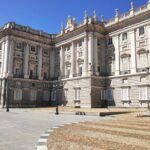
- Plaza de la Armería: Legacy, Conflict, and a Closing Reflection
- Price and Value: What $3.61 Gets You (and What Doesn’t)
- Guides, Tips, and Staying Comfortable With the Tone
- Who This Tour Is Best For (and Who Might Want to Skip)
- Getting There and Making the Most of the Walk
- Should You Book the Inquisition, The Executioner, Witches, Expulsion Jews and Muslims Tour?
- FAQ
- How long is the tour?
- Where does the tour start and end?
- Is the tour offered in English?
- Do I need tickets or entry fees for the sites?
- How big are the groups?
- What’s included in the price?
Key things I’d circle before you go
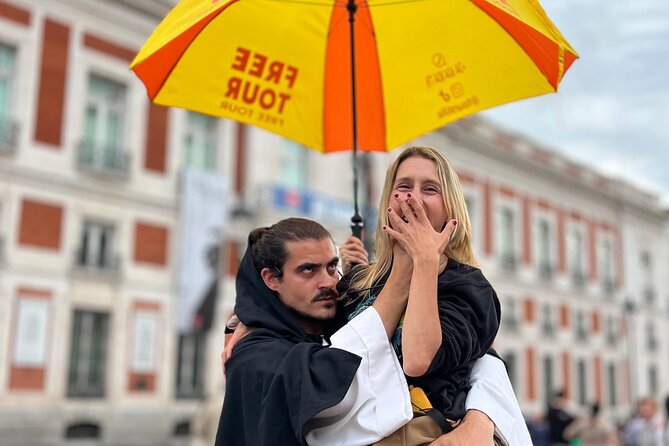
- A street-by-street timeline: from religious targeting to trials, edicts, and punishment methods.
- Specific city markers: churches and plazas tied to investigation and public executions.
- Strong guiding energy: in past groups, guides like Jackie and David Onion have kept the story easy to follow, with David Onion using dramatic storytelling.
- No site tickets needed: entries aren’t required, which saves time and money on the day.
- A finish that widens the lens: legacies in Spain and even modern questions about holy wars and conflict.
Madrid’s Inquisition Walk: What to Expect in 2h15
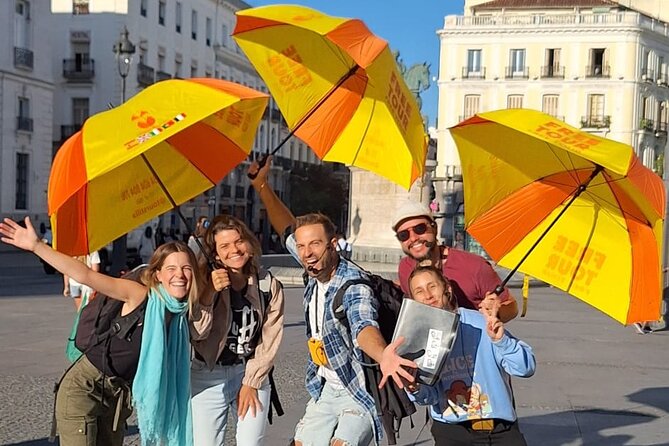
This tour is designed like a guided “history walk” through central Madrid, using the city itself as the classroom. You’ll start at Plaza Mayor and finish at Plaza de la Armería, with a focus on the Inquisition’s machinery: how accusations formed, how confessions were forced, and how public punishment was staged.
Timing is tight but not rushed. Most stops are short (around 10–20 minutes), which works well because the route is packed with emotional weight. The guide’s job is to keep you from getting lost in dates and names, and to translate the city’s religious language into something you can actually understand on the sidewalk.
One practical plus: you’re not required to pay entry fees for the stops. That means you can spend your time listening and looking, instead of waiting in lines or hunting tickets. You’ll still get teaching tools and printed material to help you connect the dots later.
You can also read our reviews of more tours and experiences in Madrid.

From Plaza Mayor to Iglesia de Santa Cruz: Three Religions Under Pressure
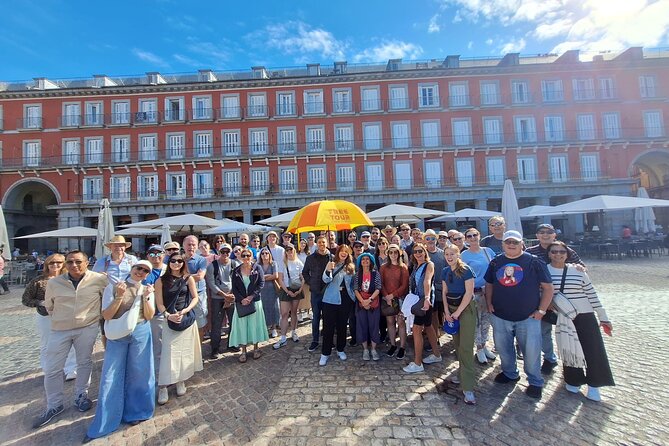
The tour begins near Plaza Mayor, then heads to Iglesia de Santa Cruz, where the relationship between Christianity, Islam, and Judaism is explained through the Inquisition lens. This is a useful starting point because it answers a basic question you might have in your head: was this only about punishment, or was it also about control over identity?
At this stop, you’ll get context for how monotheistic communities were treated when power leaned toward one side. The guide’s explanation helps you see why the language of faith could turn into a system of suspicion—especially when the Inquisition framed some people as threats.
My advice: if church history ever feels too academic, trust that this first stop is meant to ground you. It sets the themes so later stops about edicts and “false” accusations make sense, instead of sounding like random propaganda.
Plaza de la Provincia: The Executioner and the Investigation Process
Plaza de la Provincia is where the story sharpens. You’ll talk about the executioner and the Inquisition’s investigation process—how cases were built, how torture and confession fit into the system, and why people could be condemned even when facts were unclear.
This stop is important for understanding the Inquisition as an institution, not just a villain label. The executioner wasn’t an isolated figure. He was part of a whole public script: questioning, escalating pressure, confession, and then punishment as spectacle.
What to watch for: the guide links ideas, not just events. You’ll hear how confession could become the tool that “proved” guilt, and how that fed the cycle. If you only listen for the most brutal details, you’ll miss the structural lesson—how fear became a method.
Casa de la Carnicería: Cars of Faith and the Painting of the Trial
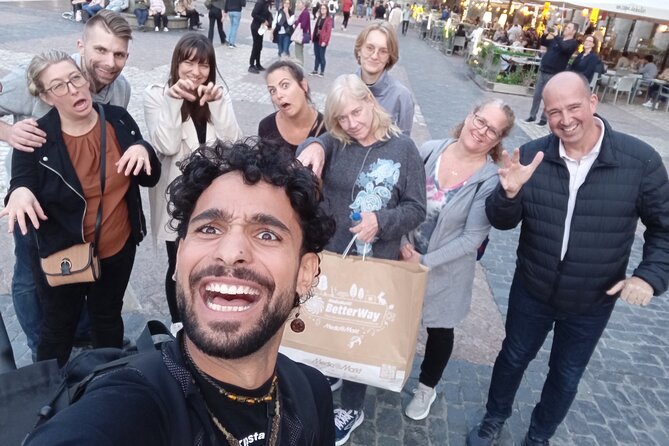
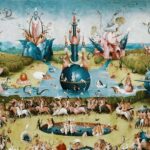
Next up is Casa de la Carnicería, tied to the idea of “cars of faith” (public religious spectacles) and the big trial scene connected to famous art. Even if you’re not an art person, this stop is a smart way to learn. Art often preserves how power wanted events remembered.
Here, the guide connects the city landmark to the Inquisition’s public performance side: the message for the crowd, the timing of spectacle, and the way religion and politics blended in one show.
Potential drawback: because this stop touches on a famous painting and the idea of public trials, it can feel more “interpretive” than strictly documentary. If you want hard factual reporting only, you might crave more dates here. Still, it’s valuable for understanding how the Inquisition communicated through culture.
Basilica de San Miguel: Identifying False Jews and False Moors
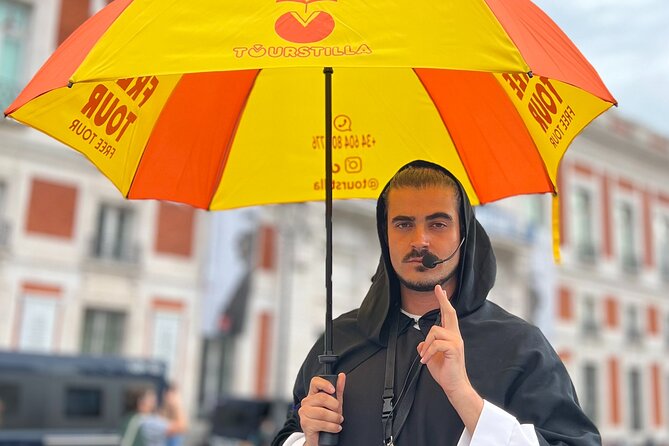
At Basilica de San Miguel, the tour shifts into the logic of accusations. You’ll hear about how proclamations worked and the language used to mark someone as a false Jew or a false Moorish. This stop also covers edicts of faith and the way false allegations could spread inside an official framework.
This is one of the most crucial stops for readers who want to understand the human impact. The Inquisition didn’t only punish after the fact. It also created categories—labels that made suspicion feel official.
Listen closely to the guide’s examples of how accusations were framed. The goal here is not to sensationalize. It’s to show you the steps that turned rumor, fear, and power into a sentence.



Casa Cisneros: Cisneros vs. Torquemada
Casa Cisneros brings in a name-checking lesson that makes the whole story feel less anonymous. You’ll learn about Cisneros versus Torquemada—historical characters connected to the rise and direction of the Inquisition.
This stop is short, but it plays a big role. Without it, the story can feel like faceless “the Inquisition” acting on its own. With the political and religious leadership context, you start to see how decisions got made and justified.
Why this matters: once you know who drove policy and ideology, you understand why certain tactics were chosen—and why they stuck. It’s the difference between watching lightning and understanding the weather system.
Plaza de la Cruz Verde: The Gallows, Beheading, Garrote Vil, and More
Plaza de la Cruz Verde is a symbol stop. Here, the tour lays out “implementation” methods: the gallows, beheading, the Garrote Vil, and burning at the stake. You’ll also hear Bruges mentioned as part of the broader picture of punishment practices.
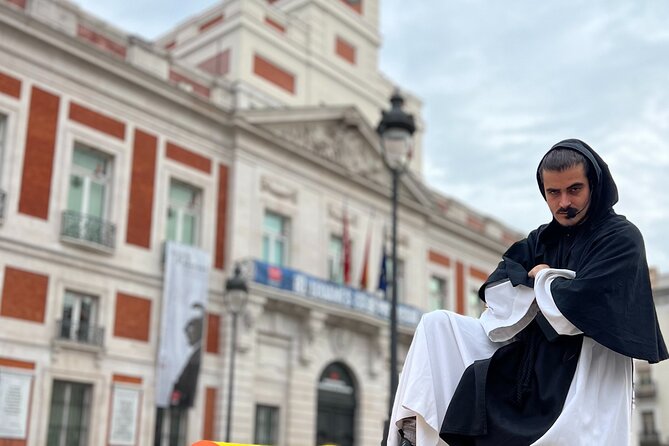
This is the heavy section, and the guide’s delivery matters a lot. In past groups, guides have used strong storytelling techniques to keep people engaged without turning it into a circus. David Onion, for example, has been praised for using dramatic talent while explaining the Inquisition in a way that stays easy to follow.
What I’d do differently if you’re coming with friends: agree on a “pause” plan. This topic can hit hard, and short breaks between stops help you reset your head. The route’s structure already supports that, since you’re not stuck at one grim spot for long.
Catedral de Sta Maria la Real de la Almudena: Vatican Archives, a Pardon, and 1974
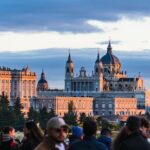
Then you reach the Almudena Cathedral area, where the story moves from punishment to records and consequences. You’ll hear about Vatican Archives, and how John Paul II is connected to a pardon of the Catholic Church. The tour also talks about the end of the Inquisition and asks whether there was a last execution tied to 1974 and the Garrote Vil.
That part can feel shocking if you only associate the Inquisition with centuries ago. But it’s also useful, because it challenges the simple idea that history stops when textbooks end. The tour emphasizes legacies—especially those tied to Jews and Muslims in Spain.
My take: this is where the tour earns its “more than a dark walking tour” reputation. It uses the end-of-era discussion to point to real long-term effects, not just dramatic chapters.
Plaza de la Armería: Legacy, Conflict, and a Closing Reflection
The walk ends at Plaza de la Armería, where the guide brings the conversation into the present. You’ll cover current religious conflicts and the idea of holy wars, then connect that back to legacies in Spain. The final minutes are a closing reflection: what the past teaches you about how fear and identity can be weaponized.
This section won’t give you political solutions. Instead, it gives you a framework for seeing patterns. If you leave feeling unsettled but also more informed, that’s the point.
Practical note: take a moment to look around the plaza and reset your expectations. You’re not in “museum mode” anymore. You’re in a working city, and the guide is trying to help you connect what you just learned to what you might still see today.
Price and Value: What $3.61 Gets You (and What Doesn’t)
The price listed is very low—$3.61 per group (up to 15)—which is one of the main reasons this route is such good value. But here’s the honest part: what you’re really paying for isn’t a ticket to a major museum. You’re paying for a guide, plus printed material and teaching tools that make complex subject matter make sense.
Also, entries to the sites are not required, which keeps costs down and keeps the day moving. You’ll get a mobile ticket and the tour is offered in English.
Where you may want to budget your own time: you’ll likely feel like reading more afterward. The tour includes printed materials and a link to personalized recommendations for what to do in Madrid, plus the guide offers personalized attention after the tour. That’s a big value-add if you like having next-step guidance.
Guides, Tips, and Staying Comfortable With the Tone
The guide experience seems to make or break this tour. In top-rated feedback, Jackie was praised for being very knowledgeable and making the story interesting and easy to follow. Another guide, David Onion, was specifically commended for explaining the Inquisition with dramatic talent while keeping the group engaged and entertained, with no hustle for tips.
That last part matters. Some history tours turn into awkward money talk. Here, the guide’s approach (based on feedback) is more respectful: at the end, there’s a normal procedure explained for valuing a free-tour style experience, but without pressure.
My advice: bring the right mindset. This is a story built on persecution and violence. If you show up treating it like a normal sightseeing walk, you’ll feel more discomfort than you need. Treat it like education, ask your own questions in your head, and let the guide lead the pacing.
Who This Tour Is Best For (and Who Might Want to Skip)
This tour fits well if you:
- like walking tours with a clear narrative structure
- want context on the Spanish Inquisition and its links to Christianity, Islam, and Judaism
- enjoy city history tied to real locations, not just generic facts
- can handle heavy topics and want to understand the system behind the violence
You might want to skip (or choose a different style of tour) if you:
- strongly prefer only upbeat or purely architectural sightseeing
- get overwhelmed by discussions of torture and executions
- need a lighter tone and minimal exposure to violence
It’s also a good choice for travelers who appreciate short stops and a guide-led timeline. You won’t be stuck listening for two hours inside one room.
Getting There and Making the Most of the Walk
Start is Plaza Mayor in central Madrid. The tour ends at Plaza de la Armería, a short walk from Plaza Mayor and also close to Metro Opera.
Because most stops are exterior viewing and short educational moments, you’ll benefit from showing up on time. Bring water, especially if the weather’s warm. And wear shoes you’re comfortable standing in for 2+ hours of city walking and reading your guide’s notes.
If you like to plan ahead, decide how you’ll handle the final reflection. Some people want to immediately keep exploring nearby. Others prefer to take a break afterward and process. Either way works.
Should You Book the Inquisition, The Executioner, Witches, Expulsion Jews and Muslims Tour?
Yes, if you want a structured, city-based story about the Inquisition that connects accusations, punishment methods, and lasting legacies—without making you buy site tickets or spend your day stuck in lines.
It’s especially worth booking if you care about clarity and pacing. The route is built around short stops and a guided timeline, and guides like Jackie and David Onion have a track record of keeping it engaging even when the topic is brutal.
Skip it only if heavy content will ruin your trip mood. If you’re okay with dark history and want to understand it in context, this is one of the best ways to learn it while still enjoying Madrid around you.
FAQ
How long is the tour?
The tour lasts about 2 hours 15 minutes.
Where does the tour start and end?
It starts at Plaza Mayor (Centro, Madrid) and ends at Plaza de la Armería (Centro, Madrid).
Is the tour offered in English?
Yes, it is offered in English.
Do I need tickets or entry fees for the sites?
No. Site entries are not required for this route.
How big are the groups?
The tour has a maximum of 30 travelers.
What’s included in the price?
The tour includes a local guide, printed material and teaching tools, a link to personalized recommendations for Madrid, and personalized attention from your guide after the tour. Tips and food/drink are not included.