REVIEW · SEVILLE
Seville Jewish Quarter walking tour: Santa Cruz District
Book on GetYourGuide →Operated by Guides and Tours · Bookable on GetYourGuide
Santa Cruz can feel like a maze you want to wander slowly. This guided walk turns that maze into a story, with legends and real places tied to Seville’s Jewish past. I especially like how the tour uses street names and corners as clues, not just postcard stops.
Two things I like a lot: the guided explanations of famous figures like Susona and Miguel Mañara, and the way the route keeps pointing out courtyards, plazas, and small details you’d miss on your own. One drawback to consider is that the streets are narrow and you’ll be on your feet for about 1.5 hours, so comfy shoes really matter.
In This Review
- Key highlights to look for
- Starting at Plaza del Triunfo: where Santa Cruz starts to make sense
- Plaza de la Alianza and Hospital de los Venerables: Seville’s Golden Age in stone
- Plaza de Doña Elvira: orange trees, romance, and a pause that helps you focus
- Calle Susona: the legend you hear, then see in the street
- Miguel Mañara and Barrabás: folklore that turns corners into clues
- Callejón del Agua: poetry, whispers, and the hidden role of water
- Casa Murillo and the courtyard effect: seeing Seville’s private side
- Rosina’s Balcony and Calle Ópera Carmen: where art history meets street life
- Patio de Banderas: finishing in the heart of the city’s old texture
- Price and practical value: what $15 gets you in real terms
- Who this Seville Jewish Quarter walk suits best (and who might want something else)
- Should you book this Santa Cruz walking tour?
- FAQ
- Where do I meet the guide?
- How long is the tour?
- How much does it cost?
- What languages are the tours offered in?
- What’s included in the price?
- Is food or drinks included?
- Is the tour wheelchair accessible?
- Is free cancellation available?
- Where does the tour end?
Key highlights to look for
- Susona’s legend brought to life with the street connections you can actually see
- Miguel Mañara and the Barrabás ghost stories folded into everyday Seville scenery
- Courtyard and patio moments that make Santa Cruz feel intimate, not staged
- Plaza de Doña Elvira with orange trees and that classic Seville “stop and breathe” mood
- Guides who teach like historians, including favorites mentioned in past groups like Julio, Anna, Alfredo, and Valentin
Starting at Plaza del Triunfo: where Santa Cruz starts to make sense
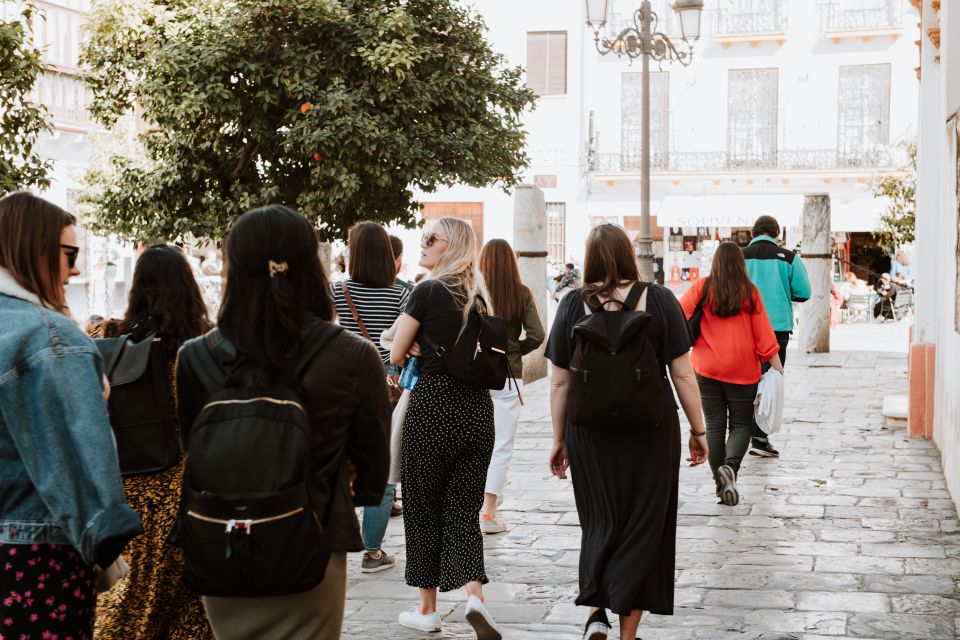
You begin at Plaza del Triunfo, meeting under the Virgen de la Inmaculada statue. Your guide will be easy to spot with a blue umbrella or a Sevilla Guías & Tours nametag. From the first minutes, the vibe is practical: you’re not just walking into a pretty neighborhood, you’re learning how to read it.
This is where I think the value really starts. Santa Cruz looks simple from afar, but once you’re inside, street layout and names start carrying meaning. A good guide helps you connect what you see—white walls, tight alleys, shaded corners—to why the neighborhood feels the way it does.
If your group ends up small, you may get more back-and-forth time. Several past guests mentioned guides like Juan being happy to tailor the pace to the group’s interests, which is a nice bonus when you care about specific themes like Jewish heritage or Seville folklore.
You can also read our reviews of more walking tours in Seville


Plaza de la Alianza and Hospital de los Venerables: Seville’s Golden Age in stone
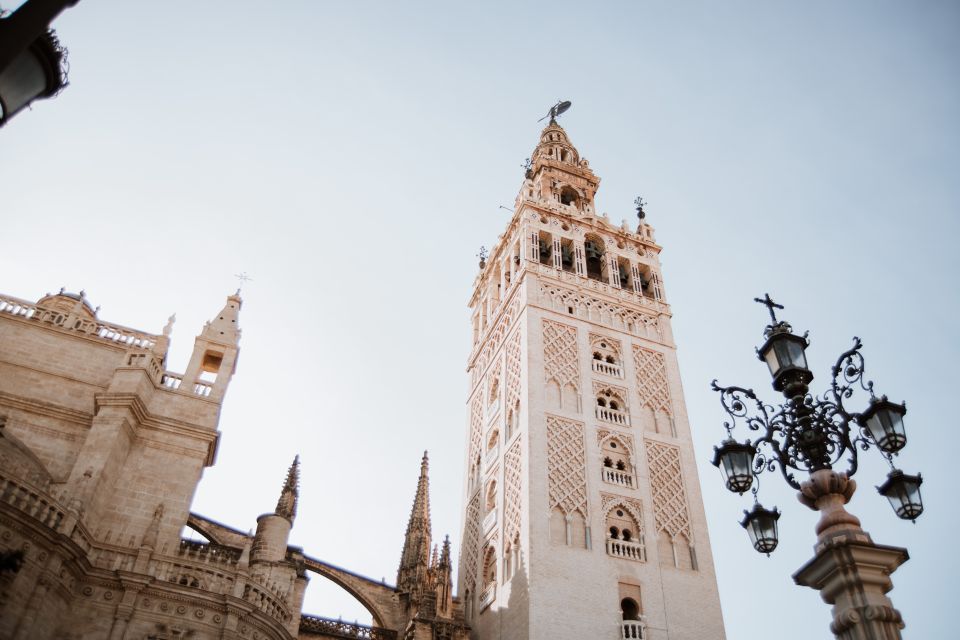
One of the first meaningful stops is Plaza de la Alianza, followed by Hospital de los Venerables. These spots matter because they anchor Santa Cruz in Seville’s bigger story—when the city had money, power, and strong religious institutions.
What I like here is the shift from legend to physical place. Instead of treating the Jewish Quarter as only a “backdrop,” the tour ties the neighborhood to the Golden Age era and the institutions that helped shape Seville. Guides point out how places like these gave the city a long memory, and that memory still shows up in the layout around you.
The potential catch: if you prefer pure legend only, these historical institutional stops can feel more “context” than story. But for most people, they’re the bridge that makes the myths feel less like random trivia and more like Seville’s way of processing real life.
Plaza de Doña Elvira: orange trees, romance, and a pause that helps you focus
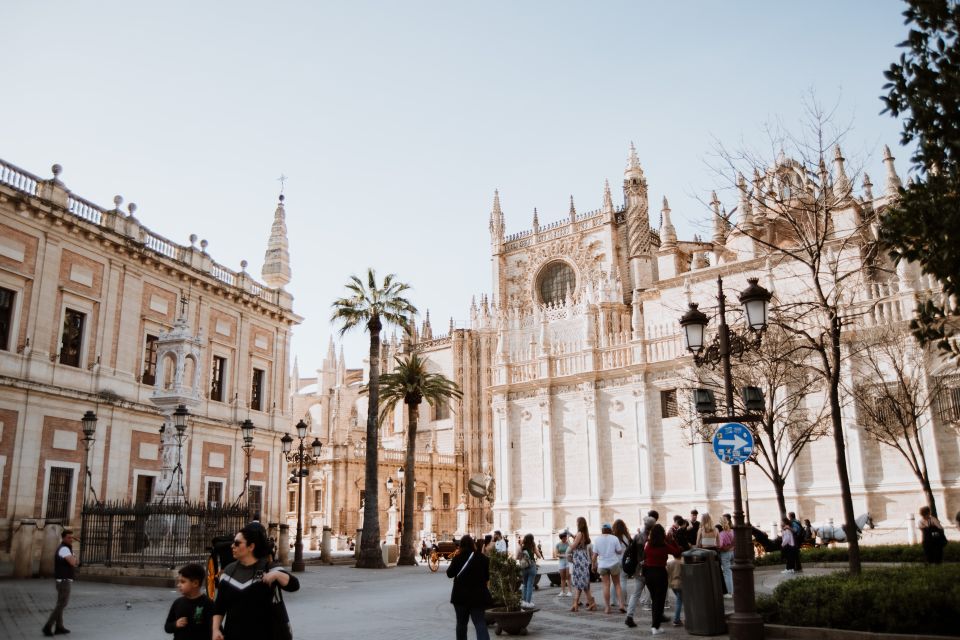
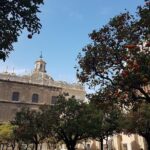
Next comes Plaza de Doña Elvira, known for its orange trees and that classic romantic atmosphere. After you’ve been threading through narrower streets, this plaza works like a reset button. You get space for photos, yes, but more importantly you get a breather so the stories stick.
I love plazas like this on foot because they help you slow down. Your guide can point out relationships between buildings, why water and light matter in Seville, and how courtyards and open squares shaped daily life. Even if you don’t catch every detail, the feel of the place keeps the tour from becoming a lecture.
Tip for your comfort: in Seville sun can hit fast. Plan to take your shade when it shows up, and use sunblock even if the morning feels cool. You’ll walk for 1.5 hours, and that time adds up when you’re stopping often.
Calle Susona: the legend you hear, then see in the street
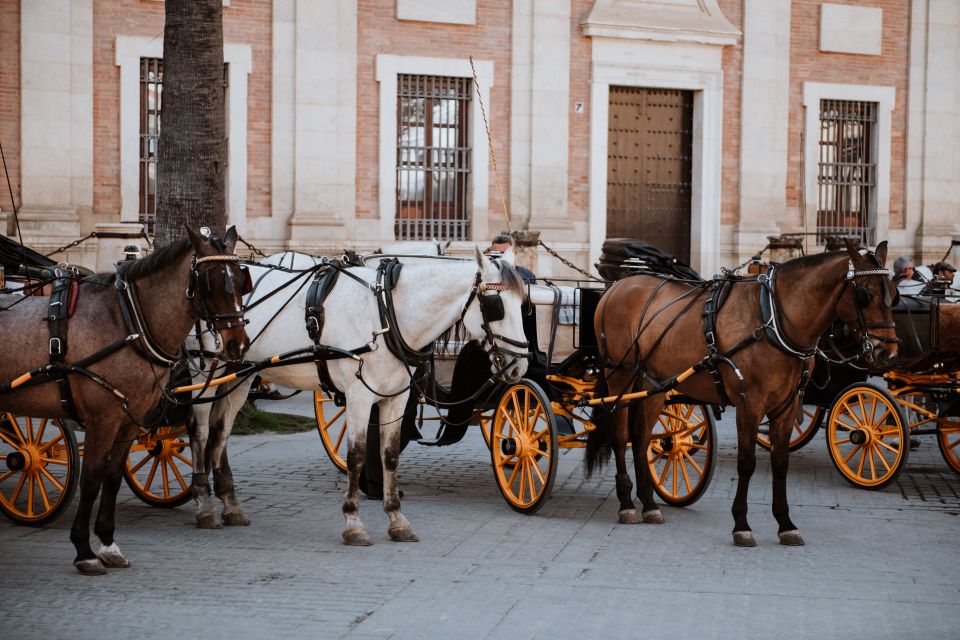
One of the tour’s most talked-about stops is Calle Susona. This is where the legend of Susona takes center stage—the story of a young Jewish woman caught between love, betrayal, and identity. Even if you’ve never heard the tale before, the street itself makes the story feel earned. It’s not mythology floating in the air; it’s something Seville remembers enough to name a place after.
What makes this stop especially worthwhile is how your guide connects the legend to the neighborhood mood. Susona becomes a lens for understanding what Santa Cruz was like for people living there—tight spaces, layered identities, and rumors traveling fast down narrow alleys.
If you’re the type who likes to ask questions, this is often a good moment. Several guests praised guides for inviting questions at the end of stops and answering thoughtfully, often with extra connections beyond just the legend.
Miguel Mañara and Barrabás: folklore that turns corners into clues
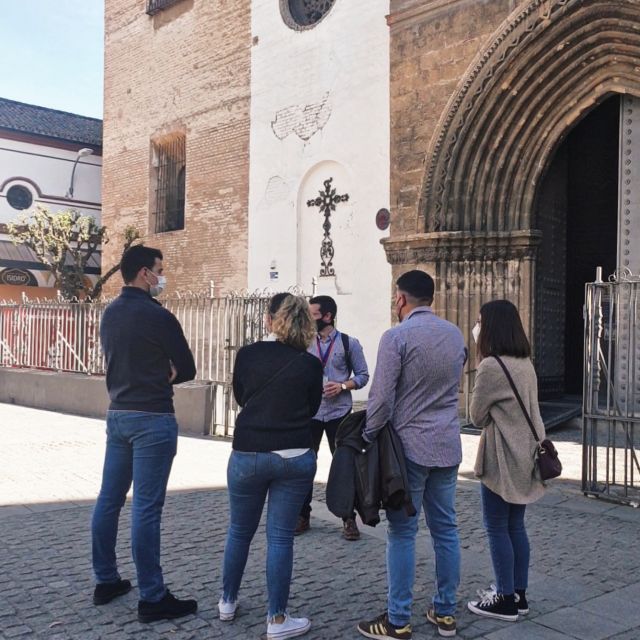
Santa Cruz isn’t only about one legend. Your guide also weaves in Miguel Mañara and the mysterious ghost of Barrabás. These stories work best when you think of them as cultural shortcuts—ways Seville explains morality, temptation, justice, and fear without writing it all out.
This is also where you’ll notice why the tour format is guided. In a guidebook, you might read names. On the street, your guide points to where you can sense the “why.” Miguel Mañara’s dramatic life is often linked to the inspiration behind Don Juan stories, and that connection helps you place Seville in the wider web of Spanish literature and drama.
For the Barrabás ghost, the tour leans into folklore. The goal isn’t spooky thrills. The goal is to show how legends got attached to specific streets, sayings, and local imagination.
One thing I’d be mindful of: if you want strictly documented history only, you’ll still enjoy the walk, but some parts will be story-driven. That’s not a problem if you’re there for the way Seville remembers itself.



Callejón del Agua: poetry, whispers, and the hidden role of water
The tour highlights Callejón del Agua, described as a place where poetry and whispers echo through stone walls. Even if you don’t come expecting that kind of atmosphere, this is one of the best kinds of stops for helping you understand Seville’s physical reality.
Water is a big deal in this city—cooling courtyards, feeding traditions, shaping how houses were built. Guides often point out how older systems influenced what you see today. Some past guests specifically mentioned hearing about original walls and water systems still in place in parts of the area.
So here’s the practical takeaway: when your guide talks about water in Santa Cruz, don’t treat it like a side note. Treat it like the reason Seville’s architecture and street life work.
Casa Murillo and the courtyard effect: seeing Seville’s private side
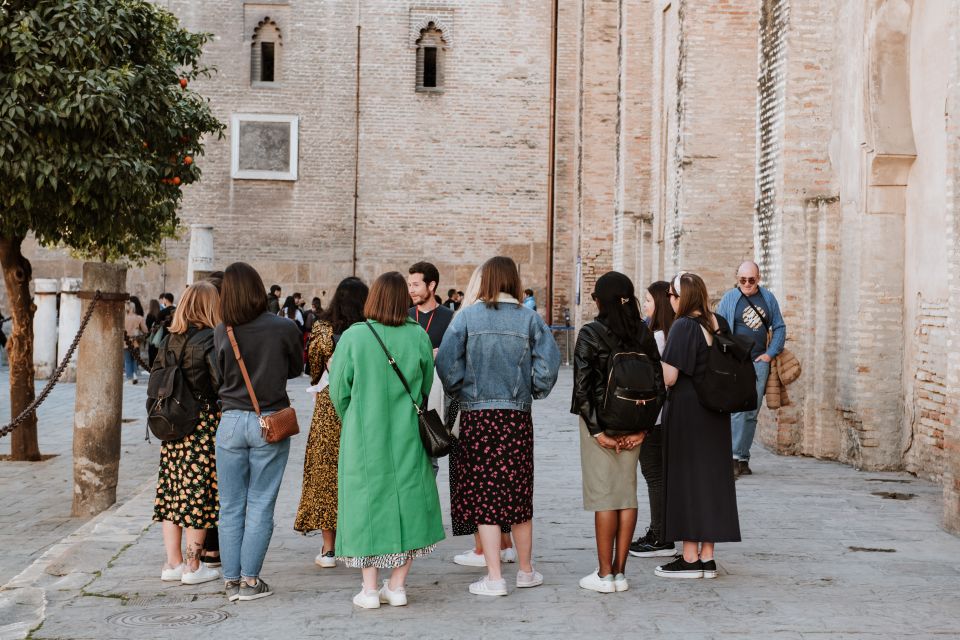
You also visit Casa Murillo. After you’ve heard legends and learned a bit about the neighborhood’s bigger historical frame, stops like this help you picture daily life in a more human way.
A lot of Santa Cruz’s magic is what’s behind doors: courtyards, small garden spaces, and built-in quiet. That’s why the tour includes so many “pause and look” moments. It’s not only about what’s on the street. It’s about how Seville uses space.
In many guided walks, courtyards can feel like random photo opportunities. Here, the courtyard moments are tied back to story—why certain spaces mattered and how they supported social life. That makes the architecture feel purposeful instead of decorative.
Rosina’s Balcony and Calle Ópera Carmen: where art history meets street life
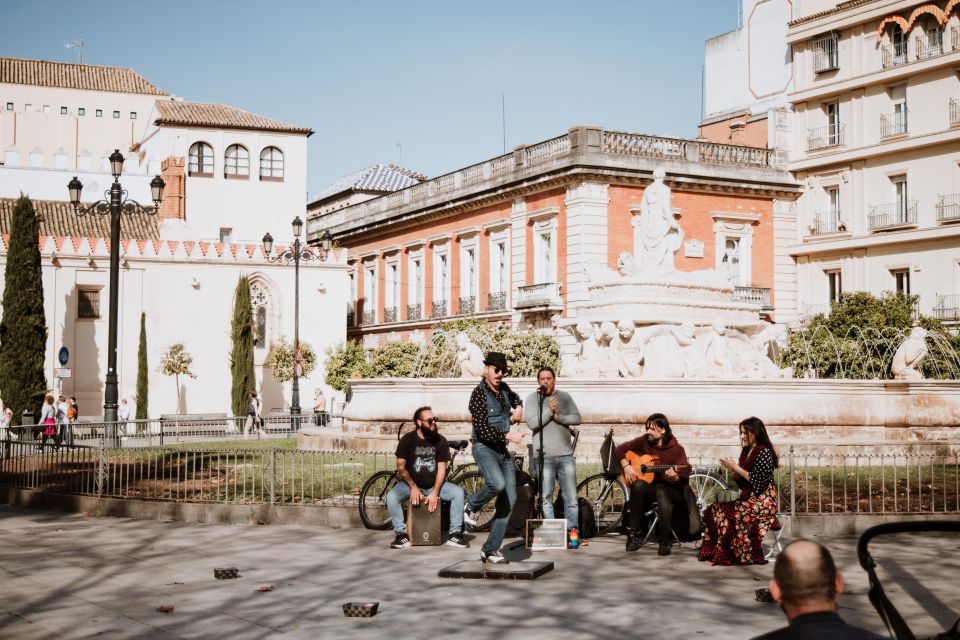
Two fun, very Seville stops follow: Rosina’s Balcony and Calle Ópera Carmen. The tour uses these as a bridge between the neighborhood’s myths and the city’s cultural output—how opera and storytelling grew around places like this.
If you’re wondering why opera belongs on a Jewish Quarter walk, here’s the honest answer: Seville doesn’t keep its cultural threads in separate boxes. Street legends, literary figures, and famous characters all share the same city walls. Your guide helps you connect those threads so the neighborhood feels like one living system.
Past guests also mentioned the way guides explained how history and folklore connect to operas. That’s the point here: you’re leaving with a sense that Seville’s storytelling isn’t confined to museums. It’s in streets and signs and names.
Patio de Banderas: finishing in the heart of the city’s old texture
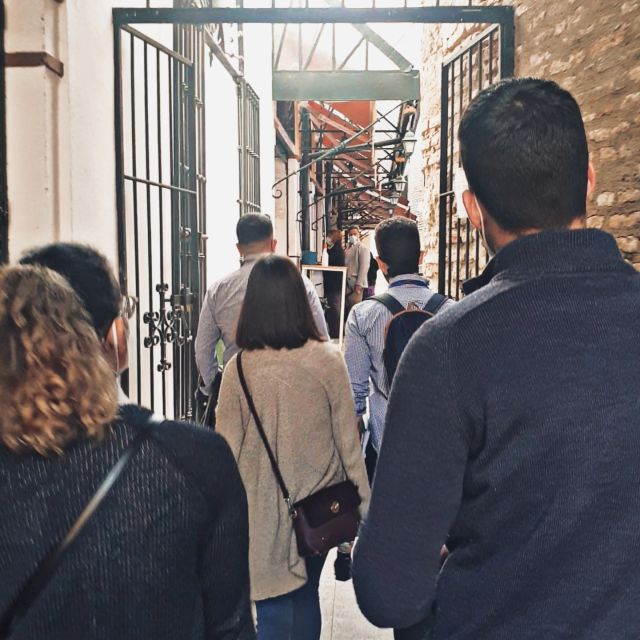
The tour ends at Patio de Banderas. It’s a fitting finish because the area gives you a final “Seville in miniature” feel: history, foot traffic, and those classic courtyards and old-stone textures blending into one scene.
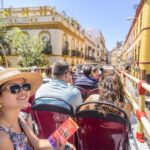
You’ll also pass a brief hop-on hop-off stop for about 10 minutes. Think of it as a moment to regroup, grab water if you need it, and reset before the last stretch.
By the time you reach the end, Santa Cruz won’t just look pretty. It will feel mapped. You’ll know why the places matter, and you’ll understand why the legends survive: because they’re tied to real addresses, real corners, and a real urban fabric.
Price and practical value: what $15 gets you in real terms
At $15 per person for about 1.5 hours, this is the kind of tour that works because it’s focused. You’re not paying for hours of transit or long bus time. You’re paying for concentrated storytelling in the streets where it counts.
You’ll likely feel the value in three ways:
- You get a guided thread so your walking doesn’t turn into random wandering.
- You get context for names like Susona and stories like Barrabás that you’d never connect on your own.
- You see places in a tight route with a local guide who can answer questions as you go.
Also, there’s an optional flamenco show that you can ask about at the meeting point or by contacting in advance. That can be a nice add-on if you want to keep the cultural momentum going after the walk.
Who this Seville Jewish Quarter walk suits best (and who might want something else)
This tour is a great fit if you:
- want Seville stories tied to real addresses
- like folklore alongside historical context
- enjoy walking and stopping often to look closely
It’s also ideal if you’re traveling with mixed interests. Reviews mentioned that guides can adapt when a group is small and that Q&A time is part of the experience. That helps when one person loves legend and another wants history.
You might want a different option if you dislike story-based tours. Some parts lean into folklore—Susona, Barrabás, and theatrical literary connections—so the experience is more “Seville imagination” than museum-only facts.
And yes, narrow streets mean comfortable shoes are not optional. Wheelchair access is listed as available, but any seated comfort still depends on your comfort navigating uneven old streets.
Should you book this Santa Cruz walking tour?
If you’re spending limited time in Seville and you want the Santa Cruz experience to feel meaningful, I’d book it. The short duration, the price, and the story-first guiding make it a strong value for first-timers. Even if you’ve been to Seville before, the legends and the way the walk connects Susona, Miguel Mañara, and Barrabás to specific corners can change how you see the district.
If you hate walking for 90 minutes, or you need fully documented history only, you may find some sections more myth-forward than you want. But for most people, the mix is the point. You’ll end the tour with a neighborhood you can actually picture, not just a blur of white walls and flowered patios.
FAQ
Where do I meet the guide?
Meet at Plaza del Triunfo under the Virgen de la Inmaculada statue. The guide will be holding a blue umbrella or wearing a Sevilla Guías & Tours nametag.
How long is the tour?
The tour lasts about 1.5 hours.
How much does it cost?
It costs $15 per person.
What languages are the tours offered in?
The guided tour is available in English or Spanish.
What’s included in the price?
You get a guided walking tour in English or Spanish. An optional flamenco show is available if you ask your guide at the meeting point or contact in advance.
Is food or drinks included?
No. Food or drinks are not included.
Is the tour wheelchair accessible?
Yes, it is listed as wheelchair accessible.
Is free cancellation available?
Yes. You can cancel up to 24 hours in advance for a full refund.
Where does the tour end?
The tour finishes at Patio de Banderas.