REVIEW · SEVILLE
Seville: Small-Group Jewish Quarter Discovery Walking Tour
Book on GetYourGuide →Operated by Seville Unique Experiences · Bookable on GetYourGuide
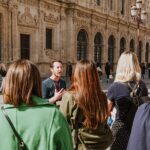
Seville’s narrow streets tell a story. This small-group Jewish Quarter walk in Seville turns everyday alleyways into medieval scenes with a real local guide and plenty of time to ask questions. You start near the Plaza del Triunfo statue and head straight into the warren of Santa Cruz.
I especially like that the tour points you to specific synagogue-related spots and not just general vibes. You’ll pass key places like Plaza de Doña Elvira and Callejón del Agua, then keep moving through the heart of Santa Cruz with context about how Jewish life shaped the city. That makes the neighborhood easier to understand after you leave.
One thing to plan for: it runs rain or shine, and if you’re late, the group won’t wait once you’re past the departure point. Bring comfortable shoes and be ready for cobblestones and tight turns.
In This Review
- Key things that make this walk worth $29
- A 90-minute walk that gives the Jewish Quarter its real meaning
- Where you start: Pl. del Triunfo, the statue, and fast orientation
- Plaza del Triunfo and Patio de Banderas: setting the medieval stage
- Plaza de Doña Elvira: where the anecdotes gain weight
- Callejón del Agua and C. Agua 2: water, alleys, and the kind of details you remember
- Santa Cruz Square: classic scenery, explained like a living neighborhood
- Jardines de Murillo: where the walk cools down and the context sticks
- Off-the-beaten-path traces and synagogue-adjacent sites
- Finishing at Santa María la Blanca: seeing the story land at the end
- Price and value: is $29 a smart use of time?
- Who should book this walk, and who might want a different style?
- Should you book the Seville Jewish Quarter discovery walk?
- FAQ
- How long is the walking tour?
- Where does the tour start?
- Where does the tour end?
- How many people are in the group?
- Is the tour in English?
- Is the tour wheelchair accessible?
- Does the price include entry tickets?
- Does the tour run rain or shine?
- What if I arrive late?
- Is free cancellation available?
Key things that make this walk worth $29
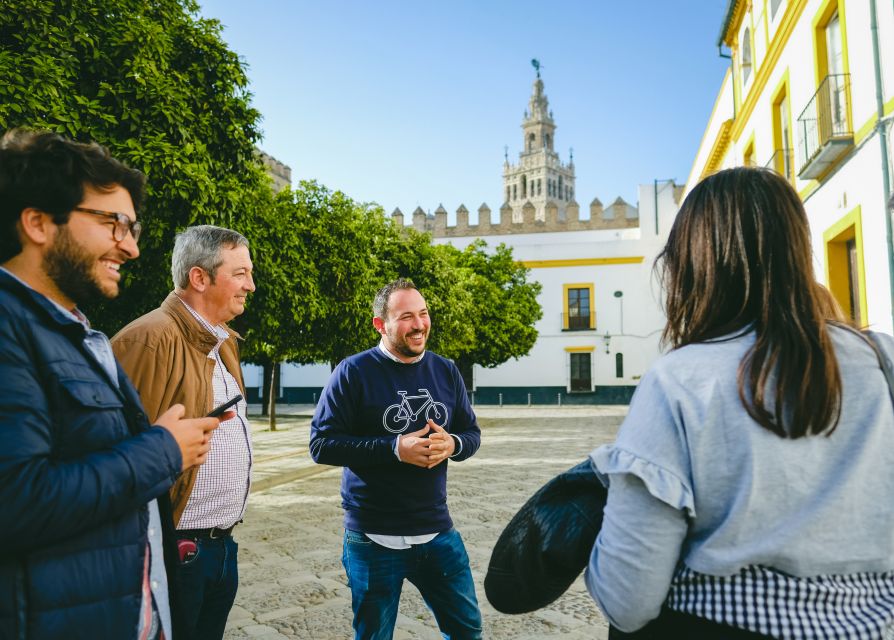
- A max group size of 10 means real conversations, not silent walking.
- Synagogue locations and tangible traces are part of the route, not just storytelling.
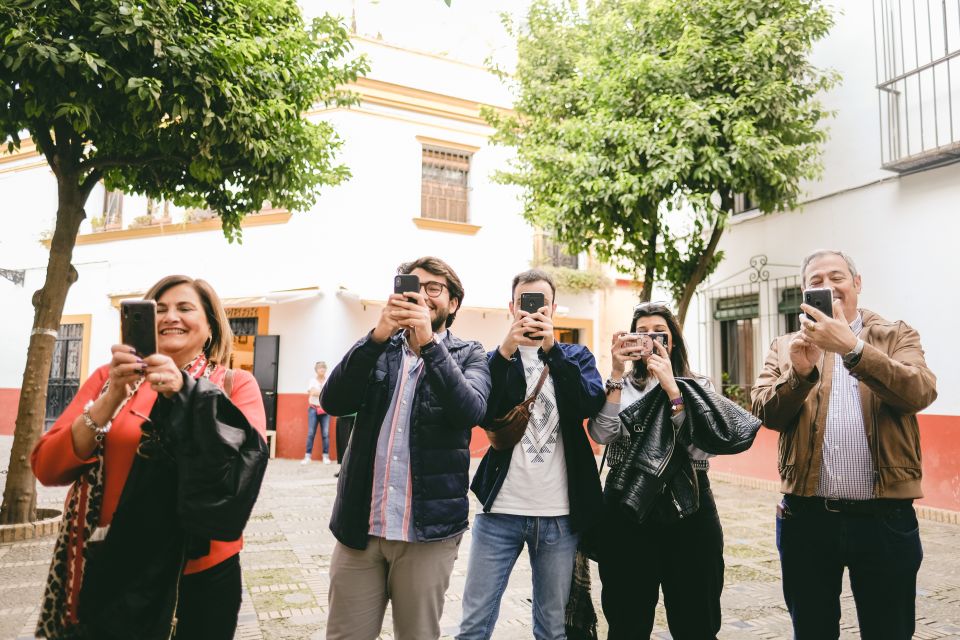
- Santa Cruz Square and Jardines de Murillo give you classic photo backdrops tied to the Jewish Quarter story.
- Callejón del Agua and Plaza de Doña Elvira bring in place-specific anecdotes you won’t get from a quick stroll.
- Different guides, same careful pacing—people often note clear English, thoughtful answers, and a not-rushed tempo.
- Some guides share surprising on-the-ground details (like recently mentioned finds tied to mikvahs or underground discoveries), so the tour can feel more like local history than a script.
A 90-minute walk that gives the Jewish Quarter its real meaning
This tour is short on paper—about 1.5 hours—but it doesn’t feel like a “quick stop.” Instead, you get a structured walking route that explains what you’re seeing as you’re seeing it. That’s the difference between looking at a historic neighborhood and actually understanding why those streets matter.
Seville’s Jewish Quarter (often discussed through the Sephardi lens) is woven into the Santa Cruz area. The streets are pretty—winding, cobbled, made for photos—but this experience treats the beauty like the wrapper, not the main dish. You’ll hear the human stories behind the spaces: community life in the Middle Ages, how it changed over time, and how different cultures left marks you can still notice today.
The guiding style is the other big reason it works. Many guides leading these tours are described as locally rooted and story-driven. If you happen to get someone like Bárbara (described as born in Seville and having history studies there), you’re likely to get a tone that’s both personal and grounded. If you get Marta, people highlight her clarity and passion. If you get Carmen or Valentín, you can expect energy and careful explanations. The specifics vary by guide, but the common thread is strong communication and lots of room for questions.
You can also read our reviews of more walking tours in Seville


Where you start: Pl. del Triunfo, the statue, and fast orientation
You meet at Plaza del Triunfo, right by the big statue of the Monumento a la Inmaculada Concepción. In other words, you’re placed at a visible landmark where it’s easy to spot your guide without wandering for 20 minutes.
This start matters more than you might think. Once the walk begins, you’re quickly moving into the older street pattern that can feel confusing if you don’t have a map in your head. A good first ten minutes helps you understand the geography: where Santa Cruz sits, how streets connect, and which corners are worth slowing down at.
Also, the tour is explicitly set up for a smaller group (up to 10 participants). That’s a big deal in a neighborhood like this. Tight lanes and frequent turns make it hard to keep a big crowd together, so you’ll feel the difference right away: you’re not fighting space, and you’re not being shoved along.
Plaza del Triunfo and Patio de Banderas: setting the medieval stage
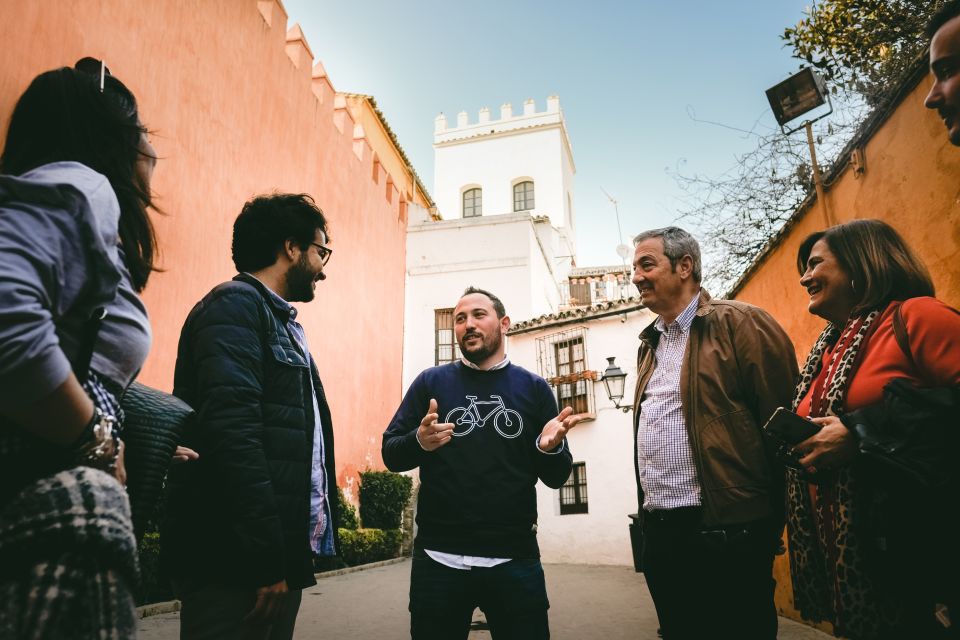
From the meeting point, you’ll cover the area around the Plaza del Triunfo and then head toward the Patio de Banderas area. Even without entering any building, these stops help you frame what’s coming next.
Think of this segment as your “permission to look closely.” Instead of treating the Jewish Quarter like a photo gallery, you start to notice how the streets guide movement and how the city layers time. The guide’s job here is to give you a mental storyboard: where you are, why the neighborhood mattered, and what you should listen for as you walk.
A practical note: because it’s a walking tour on historic paving, you’ll want steady footing from the first steps. The streets are part of the attraction, but cobblestones mean you’ll be thankful for shoes with grip.
Plaza de Doña Elvira: where the anecdotes gain weight
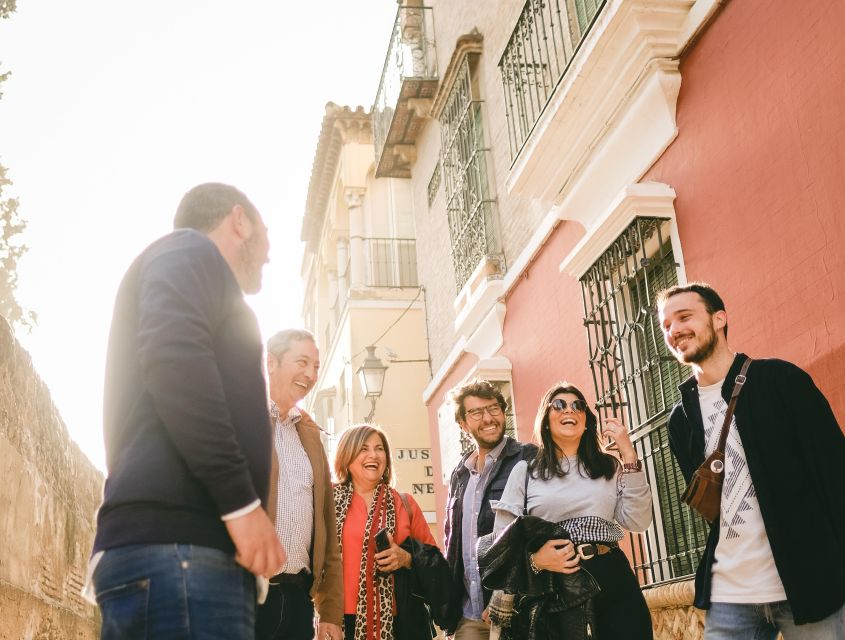
One of the first true story stops is Plaza de Doña Elvira. A plaza in a historic neighborhood often acts like a crossroads—people gather, stories circulate, life happens. In this tour, that idea becomes concrete through what your guide tells you about the community and its changing circumstances.
This stop is a good moment to slow down, look around, and let the explanation land. Plaza spaces are also easier for photos without everyone constantly squeezing past each other. If you care about pictures, this is one of the spots where you can take your time.
Because the group stays small, you can also ask a question that would feel awkward in a bigger group. If you want clarity on timelines, terms, or how Seville’s Jewish life connects to broader Andalusian history, this is usually where the conversation can start.
Callejón del Agua and C. Agua 2: water, alleys, and the kind of details you remember
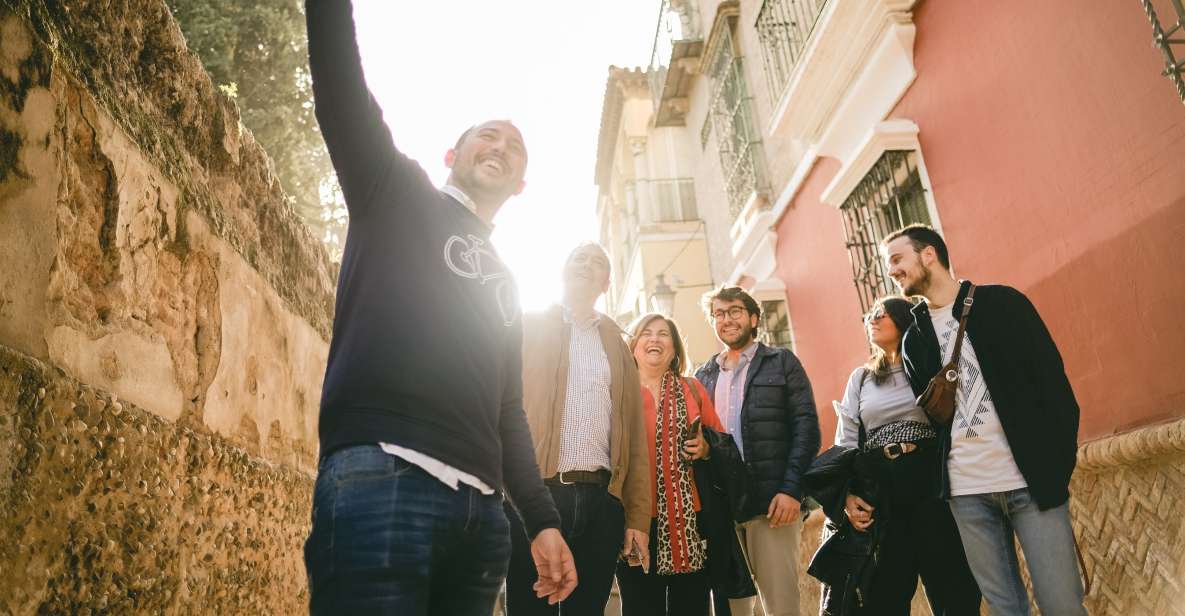
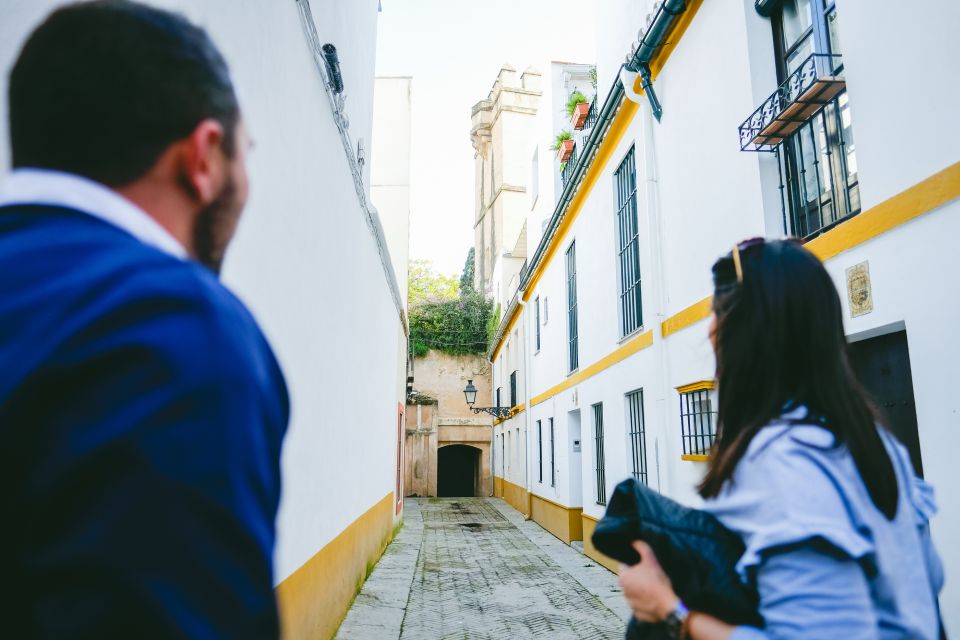
The tour then shifts into tighter lanes, including the area tied to Callejón del Agua and the stop at C. Agua 2. This is where the experience turns from “I learned some facts” into “I can picture it.”
Why? Because alleys and specific street corners are where daily life becomes visible. Water references matter in a city built on neighborhoods that relied on shared infrastructure. When your guide connects those physical details to the past, you start to understand how people moved, worked, and lived.
This is also the kind of segment where some guides have offered extra, eye-opening context. In past experiences described by participants, guides have shared mentions of discoveries tied to Jewish life—like references to a mikvah in the context of newer construction, or a hidden tomb in an underground setting. You shouldn’t assume you’ll see those exact items, but the point is real: the tour often aims to connect the story to what’s physically present (or recently reported) in the area.
If you’re the type who likes to understand how cities function, this stretch is a highlight.





Santa Cruz Square: classic scenery, explained like a living neighborhood
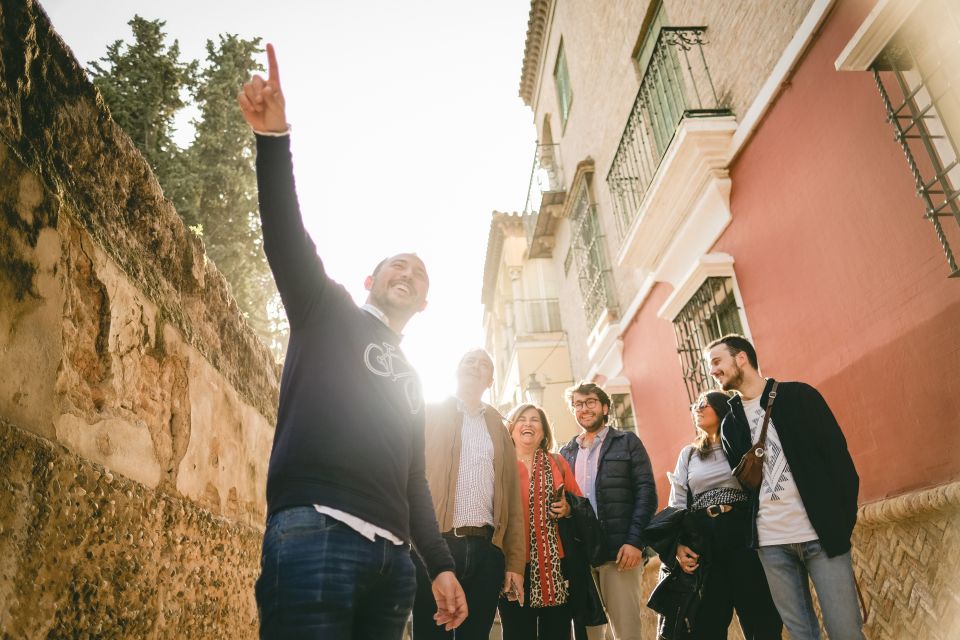
Next comes Santa Cruz Square, a place many people recognize for its beauty. Here, the tour does something useful: it ties the scenic stop to the history you’ve been building in your head for the previous hour.
You’re not just snapping pictures. You’re using the square as a checkpoint to compare what you’re seeing now with what the guide is describing from the medieval period. That helps the neighborhood feel less like a set and more like a timeline.
Also, Santa Cruz Square is a practical pause. If you need a breather, this is where you can take one without breaking the flow of the walk. In a small-group setting, your guide can also adjust pacing if someone’s struggling with distance or footing.
Jardines de Murillo: where the walk cools down and the context sticks
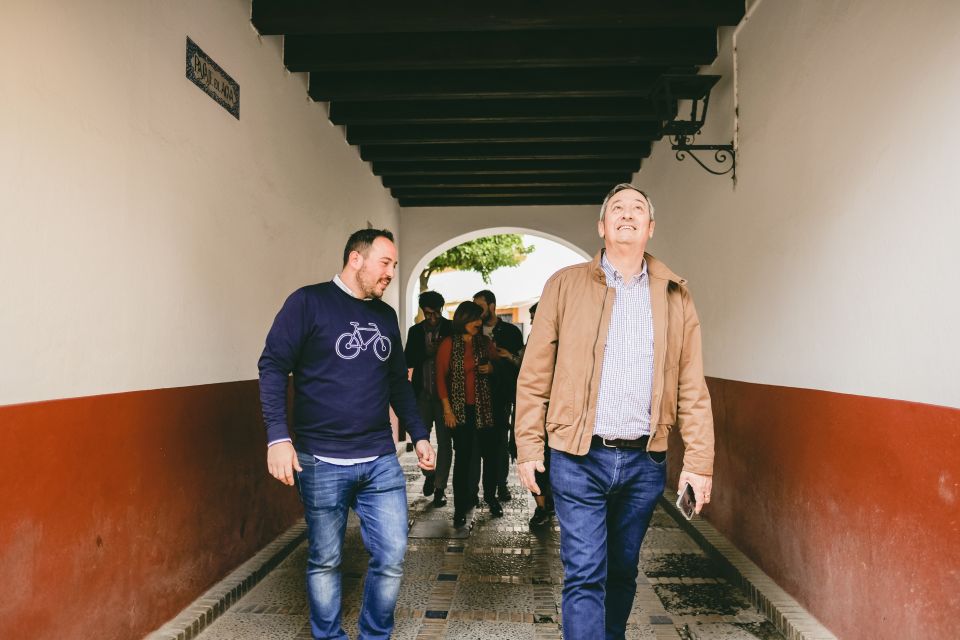
Then the route includes Jardines de Murillo. Parks and gardens in older cities can feel like an escape hatch—an in-between space where you can reset before the final stretch.
What makes this stop valuable is the “context stickiness” it creates. By the time you reach the gardens, you’ve already heard about community life, synagogue-related locations, and the neighborhood’s layered changes. In a calmer setting, you’re more likely to remember the connections the guide has made.
This is also a strong photo moment. Even if you’re not a dedicated photographer, you’ll probably appreciate the contrast: lush greenery and softer space after cobbled lanes.
Off-the-beaten-path traces and synagogue-adjacent sites
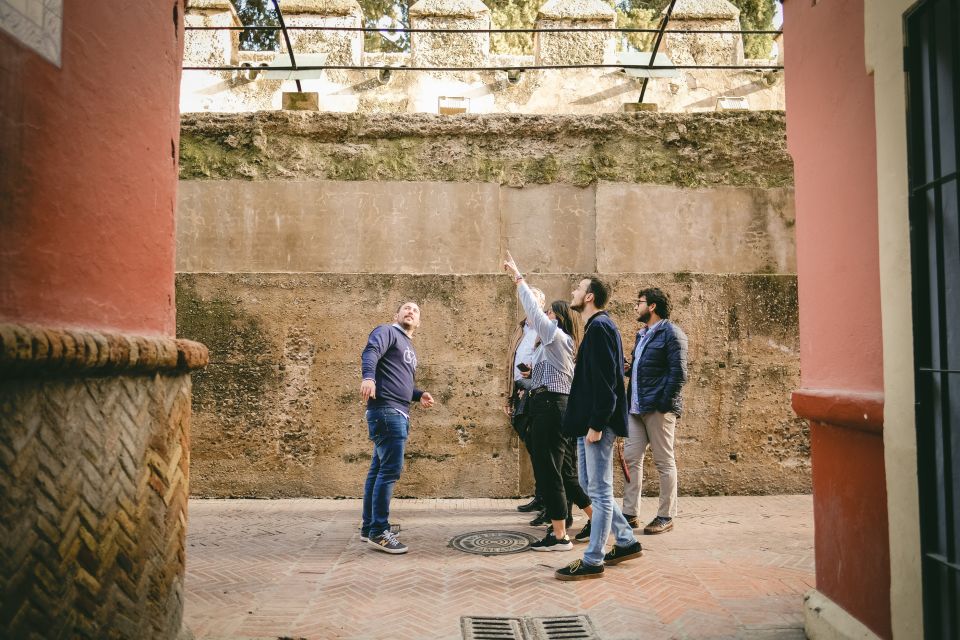
A key part of the experience is that you don’t only walk the most obvious streets. The tour includes time for off the beaten path moments where your guide points out physical remains or lesser-noticed traces of the former Jewish Quarter.
This is where small-group size really matters again. If you’re squeezed into a large crowd, you can’t stop at subtle spots. With a group capped at 10, your guide can pause, point, and explain without turning the street into a traffic jam.
It’s also where guides can show their real skill: knowing what you’re looking at, why it matters, and how to explain it in a way you can repeat later. Many people leave these tours talking not just about where they went, but about how to interpret what they’re looking at around Seville afterward.
Finishing at Santa María la Blanca: seeing the story land at the end
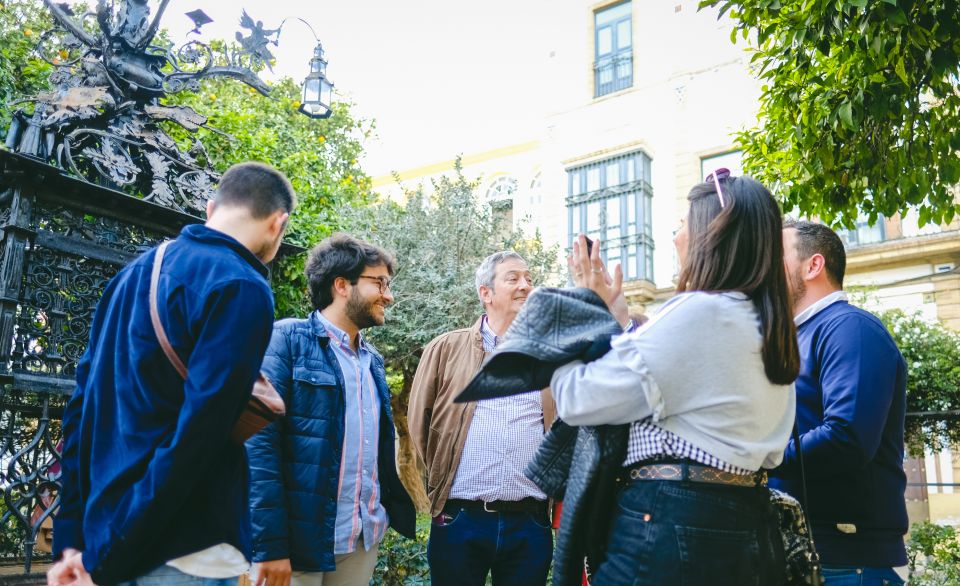
You finish around the church of Santa María la Blanca. Ending here gives the walk a concrete “bookend.” It’s one thing to learn the story in the abstract; it’s another to end at a landmark tied to the neighborhood’s earlier Jewish legacy.
By the finish point, the walking pace is already established and you’re ready to shift from listening to reflecting. This is a good time to ask any final questions—especially if you’re curious about how Seville’s cultural layers show up today.
A simple tip: take 30 seconds right at the end to look back at the route you just covered. In my experience, that quick glance turns the walk into a mental map for future days in Seville.
Price and value: is $29 a smart use of time?
At $29 per person for about 1.5 hours, this is priced like a focused, guide-led experience rather than a long day tour. You’re paying for three things that are hard to replicate alone:
- A narrative guide that links street corners to medieval Jewish life in Spain.
- Place-specific context tied to synagogue-related locations and recognizable Santa Cruz stops.
- Small-group interaction, where questions are welcomed and answered.
Entry tickets are not included, but the value here doesn’t depend on paid access to museums or timed sights. The tour’s value is in interpretation—how a guide helps you see what you might otherwise miss in a neighborhood you could wander through on your own.
If you’re doing only one guided walk focused on Jewish heritage in Seville, this is the kind of length that fits neatly into a morning or afternoon. If you’re already planning a full day of major landmarks, consider treating this as your “understanding Seville” block.
Who should book this walk, and who might want a different style?
This tour suits you if you:
- enjoy walking in historic neighborhoods and want the story behind the stones
- like asking questions and getting direct explanations in English
- want a smaller group (max 10) rather than a crowd flow
- care about respectful, sensitive treatment of history, not a dry lecture
It may feel less ideal if you:
- prefer strictly sightseeing without historical context
- want a tour that includes paid site entries (tickets aren’t included)
- arrive late without building in buffer time (the group doesn’t wait)
One more practical fit point: it’s wheelchair accessible, which is great for travelers who still want a guided story without giving up mobility.
Should you book the Seville Jewish Quarter discovery walk?
Yes, if you want your time in Seville to feel connected instead of random. This is the rare short walking tour that tries to do more than point at famous streets. You’ll leave with a clearer picture of how medieval Jewish life in Spain connected to the streets you walked—especially after seeing places like Plaza de Doña Elvira, Callejón del Agua, Santa Cruz Square, and finishing at Santa María la Blanca.
If you’re choosing between options, I’d weigh it on two things: small-group conversation and synagogue-related, place-specific storytelling. That combination is exactly what makes this one feel worth the money.
FAQ
How long is the walking tour?
The tour lasts about 1.5 hours.
Where does the tour start?
You meet next to the big statue at Plaza del Triunfo (Monumento a la Inmaculada Concepción), with the starting location listed as Pl. del Triunfo, 6.
Where does the tour end?
It finishes in the surroundings of the church of Santa María la Blanca.
How many people are in the group?
The group is limited to a maximum of 10 participants.
Is the tour in English?
Yes, the guided tour is offered in English.
Is the tour wheelchair accessible?
Yes, it’s wheelchair accessible.
Does the price include entry tickets?
No. Entry tickets are not included.
Does the tour run rain or shine?
Yes, it takes place rain or shine.
What if I arrive late?
Latecomers cannot join once the group leaves the meeting point.
Is free cancellation available?
Yes. You can cancel up to 24 hours in advance for a full refund.