REVIEW · SEVILLE
Seville: Museum of Illusions Entry Ticket
Book on GetYourGuide →Operated by Metamorfosis MOI · Bookable on GetYourGuide
A visit to Seville turns silly in the Museum of Illusions. This self-paced ticket leads you through touch-and-feel optical tricks and photo-friendly rooms that warp perspective, play with scale, and make your brain question what it’s seeing. The main thing to plan around is time: the museum is small, so you may finish sooner than you expect, especially during busy moments.
I like that the experience is playful but not confusing—there’s a clear flow from the desk to the big rooms (like the upside-down and infinity areas), plus plenty of puzzles and holograms to keep both adults and kids engaged. The other practical note: some installations can make people feel dizzy, so go slow and take breaks if you’re sensitive to visual motion.
In This Review
- Key Highlights to Know Before You Go
- A Ticket to Optical Chaos in Seville
- Your Self-Guided Game Plan: What Happens Once You Enter
- Start at the desk, then follow the “wow” rooms
- The Upside Down Room: where photos do half the work
- Infinity Room: endless depth in a small space
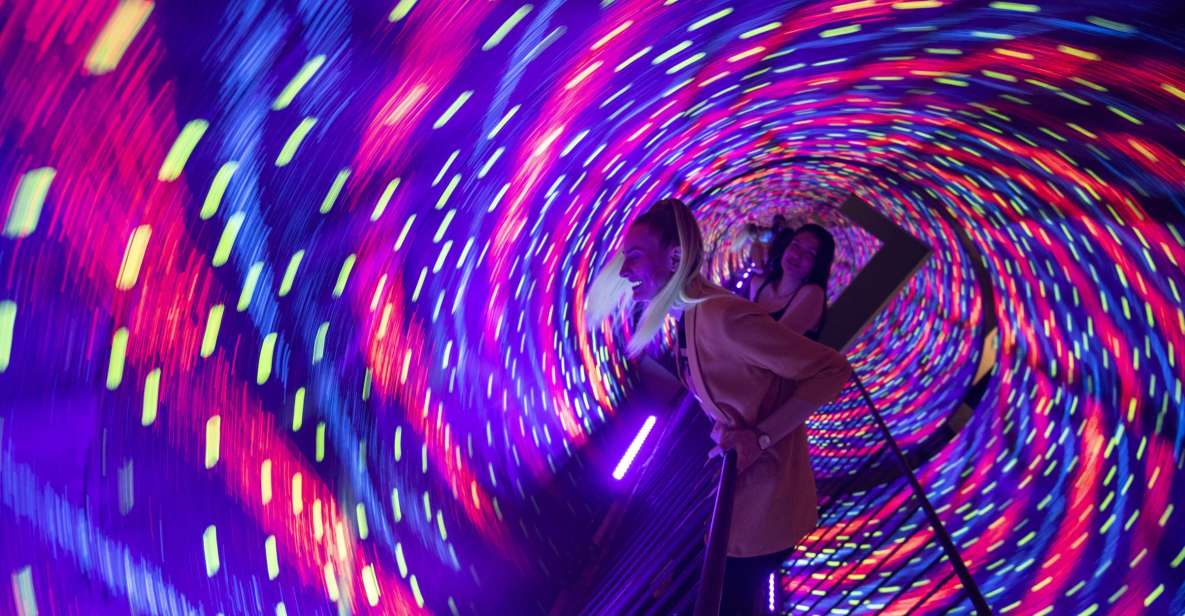
- Vortex Tunnel: test your senses, not your ego
- Rotating rooms, gravity tricks, and scale puzzles
- Holograms, mirages, and the pleasure of close looking
- Camera Tricks That Turn the Museum Into a Shared Laugh
- How Long You’ll Need: Small Museum, Realistic Timing
- Price and Value: What You’re Paying For in Seville
- Who Should Book This Museum of Illusions Ticket
- Should You Book the Seville Museum of Illusions Ticket?
- FAQ
- How much is the Seville Museum of Illusions entry ticket?
- How long is the Museum of Illusions experience?
- Where do I show my voucher?
- Is a guide included with the ticket?
- What languages are staff available?
- Is the museum wheelchair accessible?
Key Highlights to Know Before You Go
- Upside-down Room: a simple concept that still gets a big laugh when you test what looks normal.
- Infinity Room: lights and angles that create that endless-depth effect for fun photos.
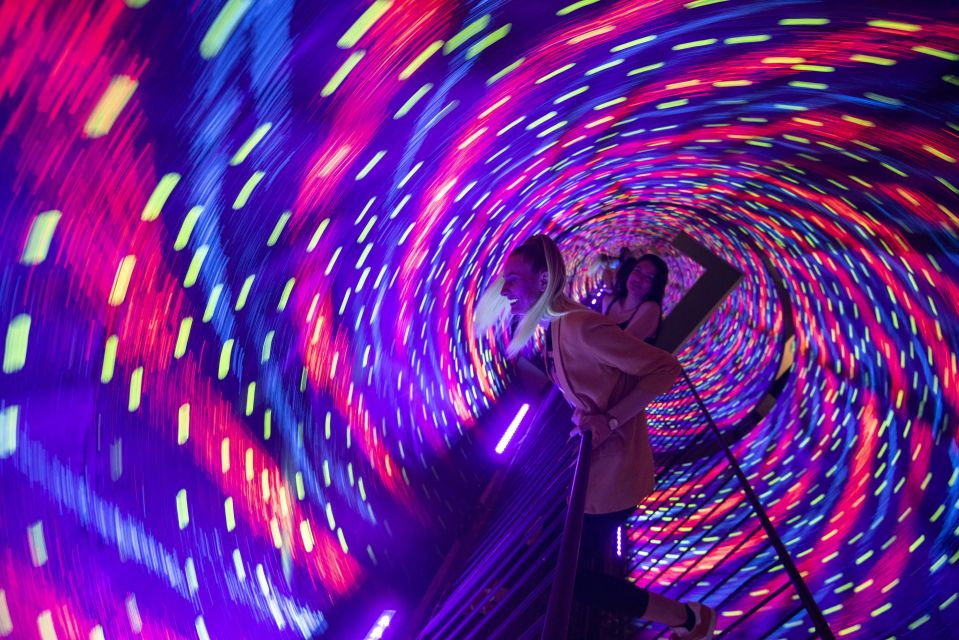
- Vortex Tunnel: a bold sense-check of your balance and perception.
- Hands-on 3D puzzles: you don’t just look—you solve, turn, and try again.
- Holograms and mirage-style effects: great for curious kids and adults who like science-ish surprises.
- Staff who help with photos: if you’re traveling with a group, this saves time and frustration.
A Ticket to Optical Chaos in Seville
Seville is built for long walks, shaded plazas, and sudden side streets. The Museum of Illusions is the opposite of that: a compact, indoor, air-conditioned-style reset where the only thing you need to follow is what your eyes think they see.
You’re buying an entry ticket (not a guided tour), which matters. It means you control your pace. You can spend extra time at the optical set-ups that catch your attention and skip the ones that don’t. If you’re traveling with kids, this is a big win: you can pause, re-try the photo angles, then move on before anyone gets bored.
Also, the “museum vibe” here is practical. You’ll see installations designed for interaction—touch points, rotating elements, and puzzle areas—so it’s not like wandering through quiet galleries. It’s more like a series of short challenges, each one training your brain in a different way.
A few more Seville tours and experiences worth a look
Your Self-Guided Game Plan: What Happens Once You Enter
After you arrive, show your voucher at the Museo de las Ilusiones. From there, you move through a sequence of rooms and exhibits. The layout is easy to understand because the big, headline experiences are spaced out, so you don’t have to hunt for what’s worth your time.
Here’s how the experience typically feels as you work your way through:
Start at the desk, then follow the “wow” rooms
The museum is designed so the first steps get you into the illusion mindset fast. Instead of feeling like a lecture, it feels like a warm-up. You’ll find interactive pieces right away, and then you’ll run into the heavier hitters that are built for camera moments.
The Upside Down Room: where photos do half the work
The upside-down concept sounds basic, but it’s effective. The room is made to scramble your body’s sense of orientation, so you can stand, turn, and pose while the background does the opposite of what your brain expects. For families, it’s usually the first place kids and parents both want to repeat angles.
Practical tip: bring a camera that can handle quick snapping. You’ll likely want multiple tries because the best effect depends on your position and the exact moment you’re in the frame.
Infinity Room: endless depth in a small space
The infinity area is all about perspective and reflection. You get that illusion of a never-ending tunnel or corridor, often with a strong “what is this wall?” reaction. The fun part is that you don’t need special skills. You just need to line up your shot and play with where you stand.
If you’re with others, this is a good room for rotating who takes photos. It reduces waiting and keeps the energy moving.
You can also read our reviews of more museum experiences in Seville



Vortex Tunnel: test your senses, not your ego
The vortex tunnel is one of the most memorable sections, and it can also be the most intense. It’s designed to mess with your visual tracking and make you feel slightly off-balance. Some people even report feeling dizzy with certain visuals, so treat it as optional. If you’re sensitive, try it once, then step out and continue exploring.
I like how this doesn’t turn the visit into a test. It’s more like: try it, see how you react, then decide what’s next.
Rotating rooms, gravity tricks, and scale puzzles
Beyond the headline rooms, you’ll encounter additional optical effects that work by changing your reference points. Some areas challenge your assumptions about gravity or size ratio, and others rely on motion or arranged visual cues.
These are the parts where adults often get more out of it. You can pause, look closely, then re-check what changed. That slow “wait, how did that work?” moment is where the museum earns its keep.
Holograms, mirages, and the pleasure of close looking
You’ll also find hologram-style installations and mirage-like effects. These tend to reward patience. If you rush through, you’ll miss the subtle cues that create the illusion.
My advice: pick one or two installations to truly study. Move closer, check the angles, then take your photo after you’ve figured out the trick.
Camera Tricks That Turn the Museum Into a Shared Laugh
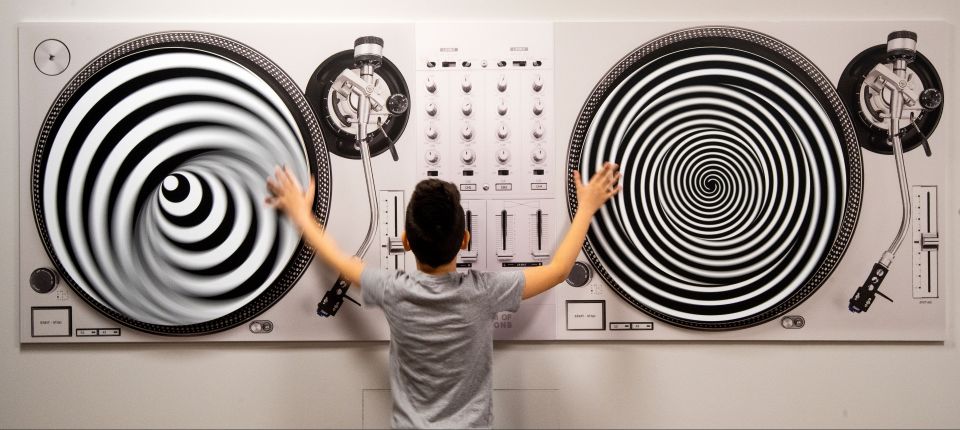
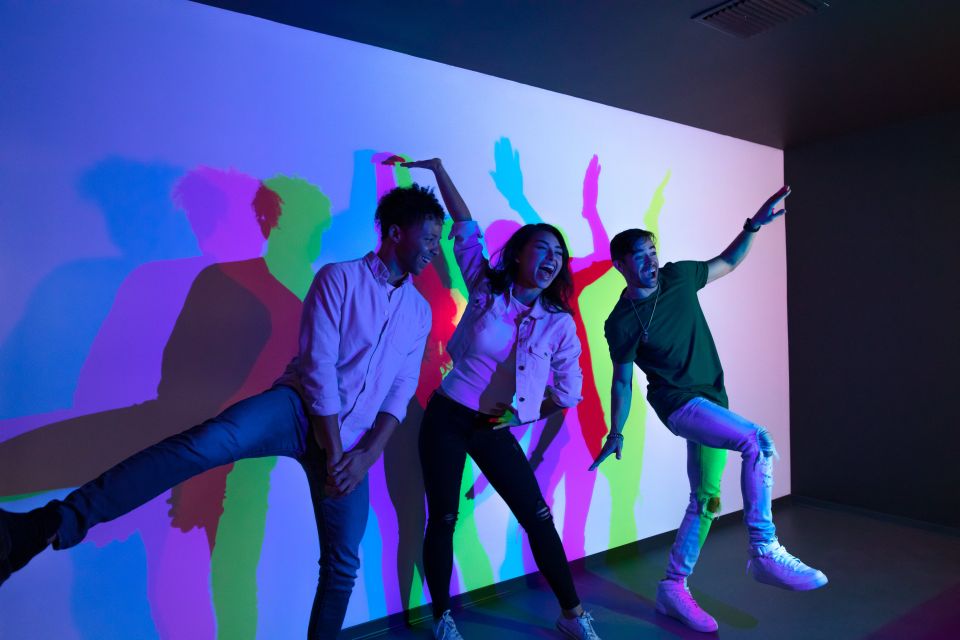
This ticket is built for photos, and not in a superficial way. Many exhibits are designed around perspective, so the camera isn’t just recording the experience—it’s part of the effect.
Here’s what makes the photo fun work:
- You control the perspective by where you stand and how you pose.
- The room design amplifies the illusion, so even a simple shot can look hilarious.
- Staff can help with photos, which is a big deal if you don’t want to hand your camera to a stranger or fumble with timing.
Bring a camera (the museum specifically suggests it). Phone cameras are fine, but make sure you have enough storage and battery. In rooms like the upside-down and infinity area, you’ll likely take more pictures than you think.
One more practical point: the museum can get busy. If it’s crowded at a popular time, do your big photo rooms first or last—either way, plan for some waiting so you don’t lose momentum.
How Long You’ll Need: Small Museum, Realistic Timing
This is the one consideration that changes the value for different people: the museum is compact.
Depending on your group and how much you repeat photo poses or re-try puzzles, you’ll likely spend around 40 minutes to about two hours. Families sometimes move fast through the “wow rooms” and circle back for photos. Other visitors slow down to solve more of the interactive elements.
A smart approach if you’re on a tight schedule: treat it like a flexible stop. Go through once, then pick one room to revisit while everyone is still in a playful mood.
Also, keep in mind that your ticket has a valid 1-day window and you’ll check availability for starting times. If you want smoother walking and less waiting, you’ll do better by choosing a time slot that avoids peak crowds.
Price and Value: What You’re Paying For in Seville
The ticket price is about $17 per person, and that can feel like a lot for something that isn’t huge. Here’s the honest value math I’d use:
You’re paying for:
- A hands-on, interactive format (touch points, puzzles, rotating elements)
- A concentration of picture-worthy optical effects (upside-down, infinity, vortex)
- A short, family-friendly indoor break from Seville’s heat and walking days
If you want a big museum with hours of galleries, this won’t be that. But if you want a concentrated experience that works for kids, teens, and adults, it makes sense—especially when the alternative is another long, sit-and-sweat afternoon.
It’s also a good deal if you’re traveling with a camera mindset. The illusion rooms are designed to turn a normal group picture into something you’ll actually want to share.
Who Should Book This Museum of Illusions Ticket
This is a great fit if:
- You’re traveling with kids and want a hands-on activity that gets them away from screens.
- You want a short indoor stop that still feels playful and memorable.
- You enjoy optical puzzles and like learning by experiencing instead of reading labels.
- You’re building a day with a mix of classic Seville sights and lighter fun.
It’s also worth it for solo travelers, but you’ll likely get more energy from it with someone to swap turns in the photo rooms and compare what you’re seeing.
If you’re very sensitive to dizzying visuals, go gently with the vortex-style installations. You can always opt out and still complete the main experience.
Should You Book the Seville Museum of Illusions Ticket?
I’d book it if you want a high-interaction, camera-friendly indoor activity that doesn’t require deep planning or a tour group. The self-guided format is easy, and the room highlights—upside-down, infinity, and vortex—are the kind of experiences that get you laughing fast and thinking longer.
Hold off if you’re expecting a large, multi-hour museum. This one is compact, and the biggest risk is finishing earlier than you planned, then wishing there was more to explore.
If you’re deciding on timing, aim for a moment when you won’t be stuck waiting at the most popular rooms. And pack that camera. You’ll thank yourself when you start lining up the perspective shots.
FAQ
How much is the Seville Museum of Illusions entry ticket?
The ticket price is listed as $17 per person.
How long is the Museum of Illusions experience?
The experience is set up as a 1-day entry ticket. The time you spend inside will vary based on how many rooms you revisit for photos and puzzles.
Where do I show my voucher?
Show your voucher at the Museo de las Ilusiones.
Is a guide included with the ticket?
No guide is included. This is a self-paced museum visit.
What languages are staff available?
Staff or greeters are available in Spanish and English.
Is the museum wheelchair accessible?
Yes, the museum is wheelchair accessible.