REVIEW · BARCELONA
Wine Tasting Experience in Barcelona
Book on Viator →Operated by Vivinos Barcelona Tastings · Bookable on Viator
One street, five pours, and a crash course in Catalan wine. I like that this is small-group and conversational, and I also like the hands-on way the sommelier trains you to taste, not just sip. You’ll start in Barcelona’s historic El Born area and end back where you met, with a simple plan that makes it easy to fit into an afternoon or early evening.
If I had to flag one possible drawback, it’s that this is an intro-friendly tasting, not a lab-grade wine course. You’ll get solid guidance and pairing context, but if you’re hunting for heavy technical depth on vineyards and winemaking, you might want something more advanced.
In This Review
- Key highlights I’d plan around
- Where the tasting starts in El Born (and why that matters)
- The Catalonia lesson: five varietals and what you’re really learning
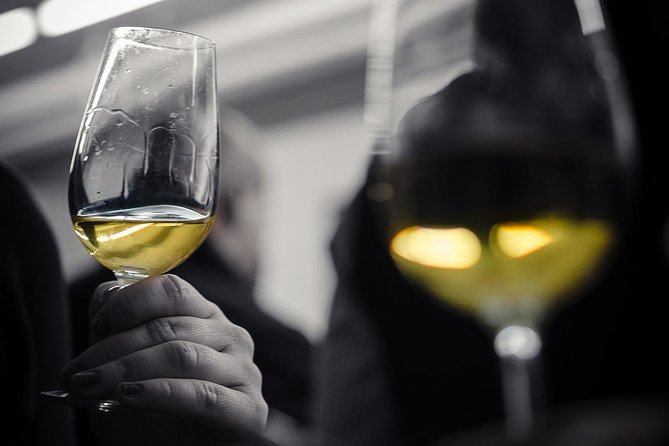
- The sommelier’s tasting technique: how your palate gets better fast
- The food pairing that makes the wines make sense
- What happens after the tasting: bring home bottles (and bites)
- Price and value: why $42.34 can work (if you want learning)
- Logistics that actually help you have a smoother night
- Who should book this Catalan wine tasting?
- Should you book Vivinos Barcelona Tastings?
- FAQ
- How much does the Barcelona wine tasting cost?
- How long is the wine tasting experience?
- What language is the tour offered in?
- How many people are in the group?
- What wines and food are included?
- Is there a vegetarian option?
- What dietary requirements should I share?
- What is the cancellation policy?
Key highlights I’d plan around
- El Born meeting point in Ciutat Vella, easy to reach and built for a walk-in day
- Five wine varietals taught step-by-step with basic tasting technique
- Food pairing that includes local produce like olive oil, bread, and cheese
- English-speaking sommelier-hosts who keep it relaxed and question-friendly
- Go-to souvenirs: you can buy the same wines and food in the shop after
Where the tasting starts in El Born (and why that matters)
This experience is set up for people who want to spend their time learning and tasting, not hunting around Barcelona all evening. You meet at Carrer de l’Arc de Sant Ramon del Call, 5, Ciutat Vella, 08002 Barcelona, and the activity ends right back at the same meeting spot. That round-trip design is a quiet win for travelers. You don’t have to re-plan transport at the end of a fun (and slightly wine-warm) night.
El Born is one of the best areas for this kind of activity because it already feels like you’re in the story—historic streets, lively edges, and lots of local food nearby when you’re done. If you rely on maps, do yourself a favor: one solo traveler noted the exact location can be hit-or-miss in Apple Maps, while Google Maps tends to find it more reliably. So, I’d check twice before you head out.
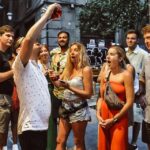
You’ll also appreciate the format. The tasting runs about 1 hour 30 minutes, and the group size stays small, with a maximum of 20 people. That matters because good wine instruction needs back-and-forth. When the room isn’t packed, you can actually ask a question and get an answer that helps your palate, not just a general speech.
One more practical detail: you’re using a mobile ticket, so make sure your phone is charged and your confirmation is easy to find. The tasting is offered in English, which keeps things comfortable if your Spanish is still on the “learning phase” stage.
You can also read our reviews of more food & drink experiences in Barcelona

The Catalonia lesson: five varietals and what you’re really learning
The tasting starts with context: a quick overview of Catalonia’s winemaking history. This isn’t a museum lecture. It’s the kind of framework that makes your glass make sense. Catalonia has its own winemaking identity within Spain, and once you understand the basics, tasting becomes more than flavor guessing.
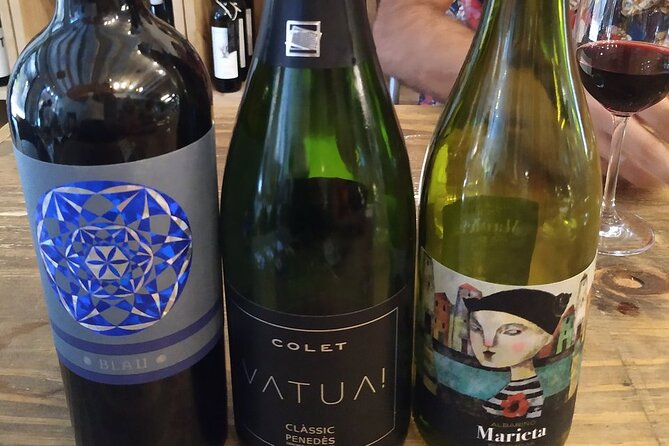
Then you move into the main event: sampling five wine varietals, guided by your sommelier-host. In many sessions, the lineup often includes cava, followed by two whites and two reds—a structure that gives you a nice sweep across styles. You’re not stuck drinking only one type of wine, and you’re not left with only one “best” category. You’ll get to compare crisp vs. round, dry vs. more structured, and sparkling vs. still.
Here’s what I think is the sneaky value in this part: five varietals is enough to teach you patterns without overwhelming you. Too many tastings jump from wine to wine so fast you can’t remember what you actually liked and why. This one slows you down. The sommelier gives you a roadmap and then you apply it.
You’ll also hear explanations tied to the glass in front of you—things like what to notice first and how to connect aroma to flavor. You’ll pick up a simple mental checklist, the kind you can reuse later when you’re eating in Barcelona. That’s how you turn one guided hour into multiple future good meals.
And yes, you’ll have a chance to ask questions. Several standout comments mention hosts answering questions with confidence and staying warm rather than stuffy. Names that show up in past tastings include Omar, Robert, Vivienne, Vincent, and Augustina—so you’ll likely feel like you’re in good hands no matter which sommelier you get.
The sommelier’s tasting technique: how your palate gets better fast
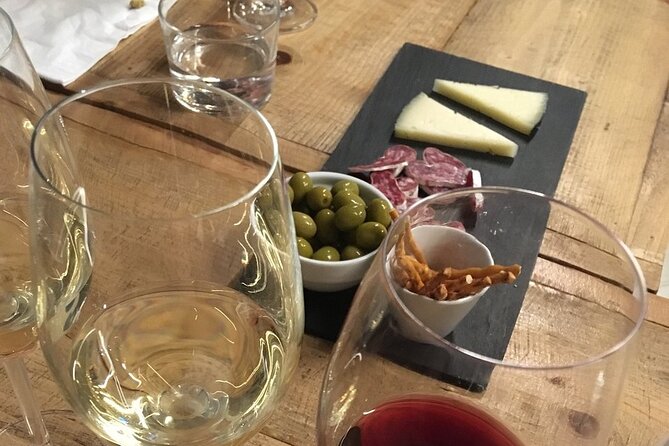
What makes this experience different from a casual “try a few wines” stop is the way the guide teaches you to taste. The session includes an education on recognizing subtle differences between varietals using basic wine tasting techniques.
Instead of telling you what to think, the sommelier walks you through how to notice. Typically, that means guiding you through appearance, smell, and taste, with prompts that help you stop guessing. You learn how to describe what you detect, which is where most people get stuck. You can like a wine, sure. But once you can say why, you start ordering smarter.
This is especially helpful if you’re not a self-described wine person. One common theme in feedback is that the host was friendly for both novices and experienced drinkers. That balance is rare. If you’re already into wine, you still get enough explanation to sharpen your palate. If you’re new, you won’t feel lost in a wall of terminology.
I also like the pace. You’re guided through the process, but it doesn’t feel like a strict classroom. People keep chatting and asking questions, and the whole thing feels social. That matters because wine tastes better when you’re relaxed and paying attention.
You should also expect a decent pour. Multiple comments mention full glasses across the five wines. That’s important for value and for learning. If you get only tiny sips, you might end up with more confusion than clarity. With fuller glasses, you can actually taste and re-taste as the flavors develop.
One practical note: this is a tasting, not a driving instruction. Since the minimum drinking age is 18, plan your evening accordingly if you’re using transit or staying out afterward. The session’s length is manageable, but the wine adds up.
The food pairing that makes the wines make sense
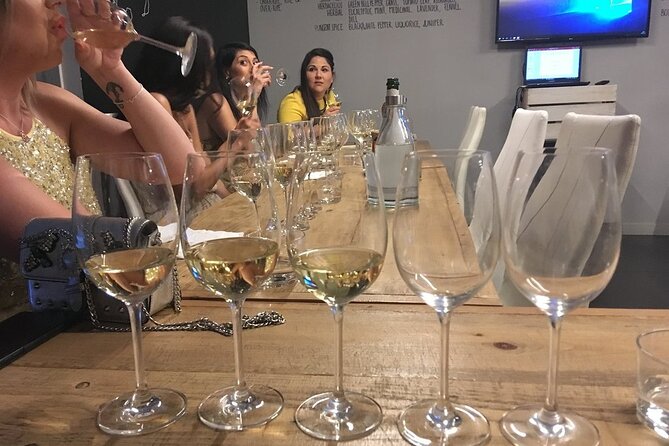
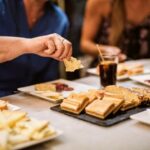
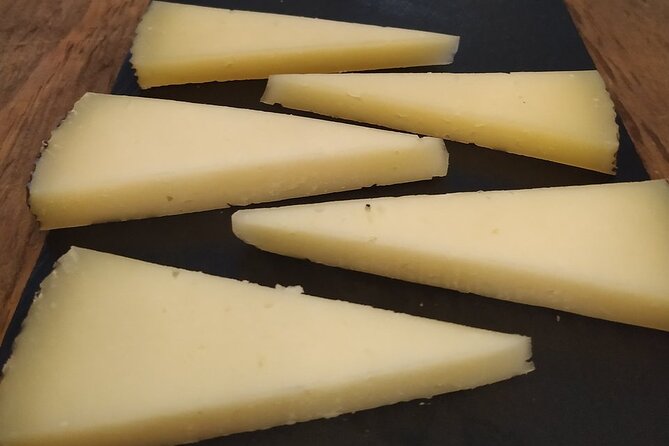
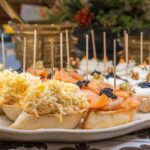
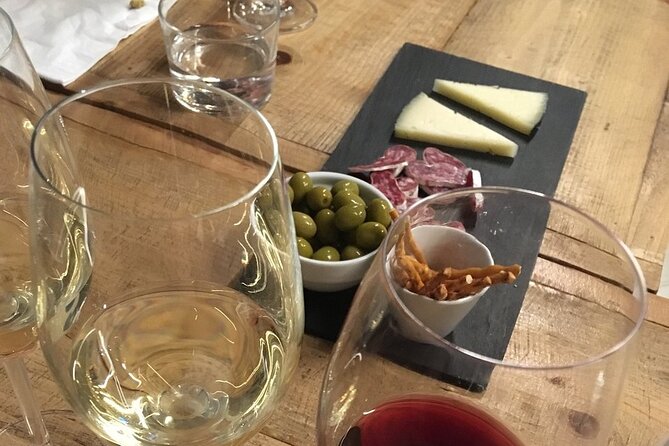
Wine alone can be fun. Wine plus food is where it starts clicking. Your tasting includes a spread of local produce to accompany the pours. The menu features items like olive oil, fresh bread, and cheese—and some pairings focus on how cheese changes what you perceive in the wine.
This part is often the favorite for a simple reason: pairing reveals your preferences. One comment noted that the wines felt only okay at first, but when the cheese came out and they matched wine to cheese, the wines seemed to come alive. That’s exactly the kind of lesson you want. You stop relying on hype and start relying on your own palate in real conditions.
You’ll also get access to the included cheese portion. The experience lists cheeses as an included item, and the tasting is built as a small-group food-and-wine pairing, not just a sip-and-go. Some sessions also include options like a set of regional cheeses paired to the wines, and pairings can include elements such as fig jam depending on what’s available that day.
If you’re wondering what you’ll actually eat, think simple and local. Olive oil and bread set the stage for tasting. Cheese gives you contrast—fat, salt, and texture that interact with acidity and tannins. That combination helps you learn faster because your senses have multiple signals to compare.
Dietary notes: vegetarian options are available. If you have dietary requirements, you need to advise them when booking. That’s the responsible way to make sure the pairing actually works for you, not just “mostly does.”
What happens after the tasting: bring home bottles (and bites)
Here’s a feature that’s easy to miss until you’re standing in the shop: after the tasting session, the wine and food samples can be purchased in the store. That means you can leave with tangible memories, not just a new set of opinions about what you like.
For gift-giving, this is gold. Wine and regional foods are the kind of souvenirs that actually get used. For friends back home, this beats another generic trinket because it’s tied to your experience. And since the shop offers what you tasted, you’re not stuck buying blind.
Some experiences like this end with a speech and a goodbye. This one keeps momentum. You finish tasting, the flavors are still fresh in your head, and then you can match what you liked to a bottle you can take home. It’s a neat closing loop.
You can also read our reviews of more wine tours in Barcelona



Price and value: why $42.34 can work (if you want learning)
At $42.34 per person for about 1 hour 30 minutes, this sits in the “worth it if you’re in the mood to learn and taste” category.
Here’s how I judge the value:
- You’re getting five wine varietals (often spanning cava, whites, and reds), which is more than the common “two or three wines” approach.
- You’re also getting food tasting and cheese, with local produce like olive oil and bread.
- The group stays small, with a max of 20, which tends to make the instruction more personal than big-bus tastings.
- You also get the advantage of being able to buy the same wines and foods afterward, which extends the value beyond the hour and a half.
If your goal is mostly to drink and you don’t care about tasting technique, you might question the price. But if your goal is to improve how you pick wines for dinners in Barcelona, this kind of guided tasting is one of the cleaner ways to do it. It’s basically turning a meal decision into a skill.
Also, it’s booked in advance often enough that it’s smart to plan ahead. The average booking window is about 24 days. That doesn’t mean you can’t find a slot late, but it does mean popular times can fill.
Logistics that actually help you have a smoother night
Let’s keep it practical.
- Language: English offered, so you won’t need to guess.
- Meeting: meet at Carrer de l’Arc de Sant Ramon del Call, 5 in Ciutat Vella (Carrer del Canvis Nous is associated with the shop area in El Born, so you’ll be in that historic district zone).
- Transport: it’s noted as near public transportation, which matters because you’ll likely be hopping between sights earlier.
- Age: minimum drinking age is 18.
- Group size: maximum 20.
- Timing: around 1.5 hours, and you return to the meeting point.
One last thing: some reviews mention the location can be a little easy to miss if you aren’t watching street signage closely. If you’re the type who likes to walk and not sprint, give yourself a few extra minutes at the start.
Who should book this Catalan wine tasting?
This is a strong fit if you:
- Want a starter course in Catalan wine for better ordering later
- Like learning through tasting, not just listening
- Enjoy pairing wine with simple local foods like cheese and bread
- Prefer small-group experiences where you can ask questions
- Are traveling solo or in a mixed group and want a social activity that still feels structured
It may be less ideal if you:
- Want a long, technical wine class focused on advanced viticulture and deep jargon
- Are looking for a full meal replacement (this is a tasting with snacks and cheese, not a restaurant dinner)
The sweet spot is anyone who wants to spend 90 minutes doing something useful in Barcelona: you’ll walk away with a palate framework and a short list of things to buy or order again.
Should you book Vivinos Barcelona Tastings?
Yes, if you want a simple, high-value way to understand Catalan wine and eat local flavors without committing to a sit-down wine course. The standout strengths are the small-group feel, the sommelier-led tasting technique, and the pairing with cheese that helps the wines click. At $42.34 for five varietals plus food tasting, it’s priced like an intro experience that’s actually built to teach.
If you’re the kind of traveler who likes quick wins—learn something, taste something, and then apply it that same evening—this is a great bet. Just book ahead, double-check your meeting point in Google Maps, and plan for an easy end to your night since you’ll want your senses sharp for the pairing.
FAQ
How much does the Barcelona wine tasting cost?
The price is $42.34 per person.
How long is the wine tasting experience?
It lasts about 1 hour 30 minutes.
What language is the tour offered in?
The experience is offered in English.
How many people are in the group?
The tasting is small-group, with a maximum of 20 travelers.
What wines and food are included?
You’ll taste five wine varietals, plus food such as snacks and cheeses. The food spread includes local produce like olive oil, fresh bread, and cheese.
Is there a vegetarian option?
Yes. A vegetarian option is available if you advise the provider at the time of booking.
What dietary requirements should I share?
If you have specific dietary requirements, you should provide them when booking.
What is the cancellation policy?
Free cancellation is available up to 24 hours in advance for a full refund. After that, the amount paid is not refunded.