REVIEW · GRAN CANARIA
3 Wheel Motorcycle like Quad/Buggy Tour Gran Canaria (Maspalomas)
Book on Viator →Operated by Tourist Discovery · Bookable on Viator
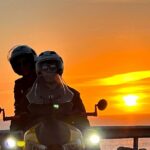
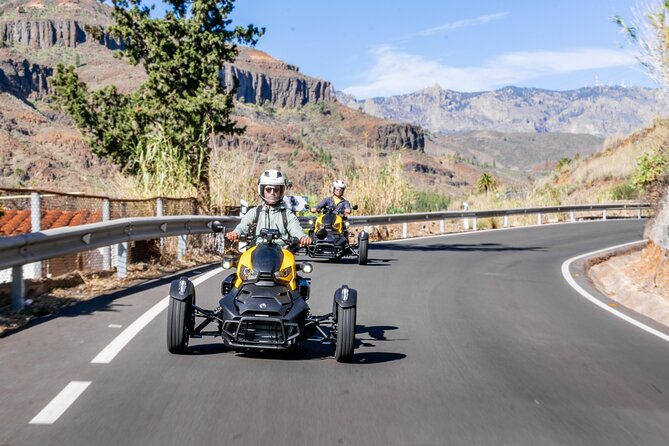
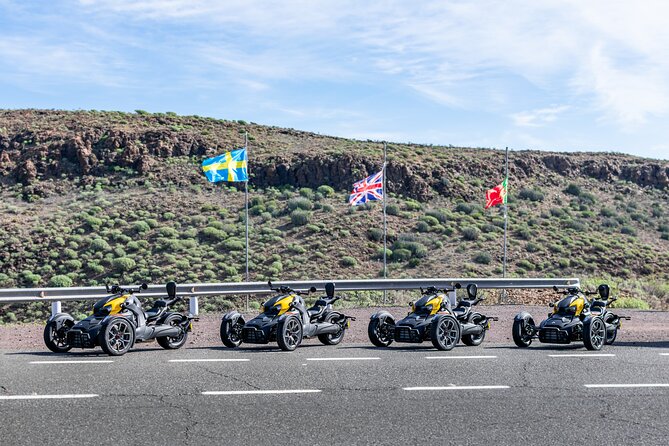
This is one of the fastest ways to see Gran Canaria. You’ll drive automatic three-wheel trikes and watch the island roll from mountain roads to coastal views, with Adrian guiding the route and helping you feel confident fast. I like that it mixes big-scenery driving with real breaks in towns, so it doesn’t feel like you’re just speeding past everything.
What really made this stand out for me is the clear instruction and safety focus. You get a briefing before you roll out, plus helmets and insurance coverage if anything happens and it’s not your fault. I also love the route variety—mountain hairpins, then calmer coastal stretches—so you get different types of views in just 2 hours 30 minutes.
One consideration before you book: you’ll need a car license, and the roads include winding sections with hairpin bends. If you get easily cold, plan for cooler temperatures up in the higher areas, not just sunny beach weather.
In This Review
- Key things I’d bank on before you go
- Why these automatic trikes feel like the right kind of adventure
- Price and value for a 2.5-hour guided trike loop
- License, onboarding, and safety: what you need to know upfront
- Entering the Fataga area: mountain driving and photo-ready pauses
- Maspalomas riding: the in-between segment that makes the day feel long
- Playa de Amadores finish: sea breeze, ocean views, and an easy landing
- Group size and sharing: how your day may work with another adult
- Tips to make your first ride feel smooth (and not stressful)
- Dress for altitude and changing weather
- Start slow on the winding parts
- Use photo breaks like a pro
- Should you book this 3-wheel motorcycle tour from Maspalomas?
- FAQ
- Do I need a car license to drive the three-wheel motorcycle?
- How long is the tour?
- How many people are in the group?
- Is the bike automatic, and do I need motorcycle experience?
- What are the main stops on the route?
- What’s included in the price?
- What does the insurance cover, and what doesn’t?
- Where does the tour start and end?
- What should I bring for the ride?
Key things I’d bank on before you go
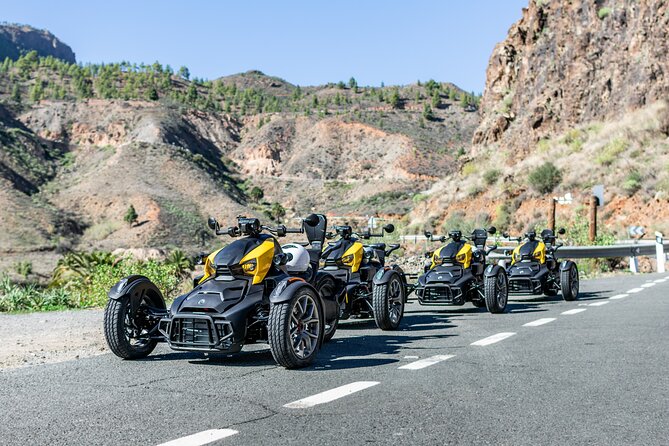
- Automatic 3-wheel riding: easier to learn than a manual motorcycle, especially for first-timers with a car license.
- Small group size (max 10): it’s controlled, not chaotic.
- Mountain roads with hairpins: expect twists and turns and ride at the pace of the group.
- Guided stops with photo moments: Fataga and the Maspalomas/Amadores area break up the driving.
- Helmet, fuel, and accident insurance included: you show up and ride, with the basics handled.
- English instruction plus translation support: you’ll get explanations in your language through a translator.
Why these automatic trikes feel like the right kind of adventure
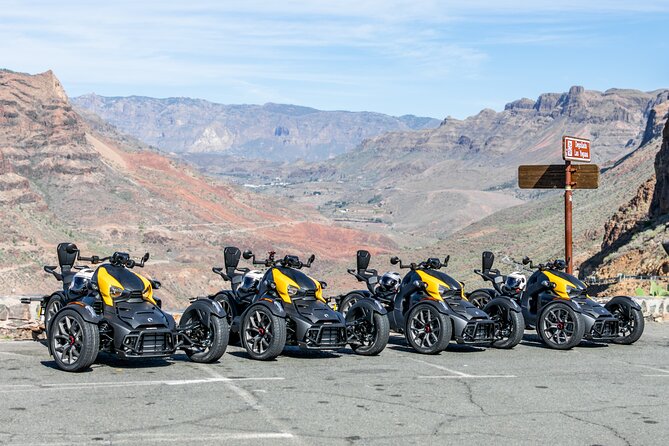
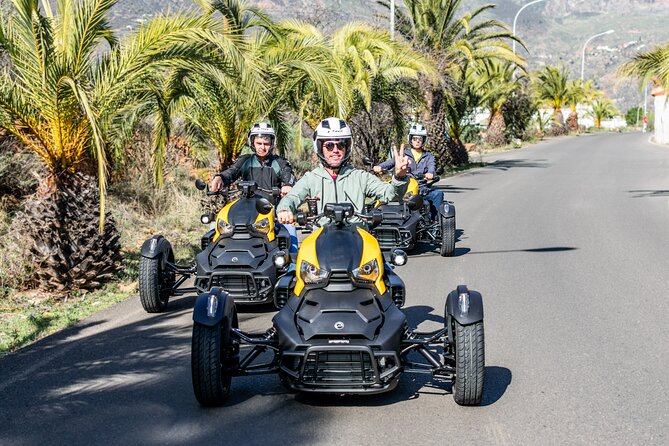
If you’ve ever wanted the thrill of a quad or buggy without the stress of complicated controls, this is built for that. The three-wheel setup is stable, and the bikes are fully automatic, so you’re mostly focused on steering, mirrors, and enjoying the ride. After a short onboarding, you’re not stuck thinking about the mechanics.
Gran Canaria can look very different in an hour. Starting from Maspalomas, you’ll work your way toward mountain roads with rugged terrain, then swing back toward the southern coast. That mix is the whole point: you cover way more ground than you would by foot, yet you’re still outside and able to react to what you see.
The best part is that the day is structured enough to feel safe, but still fun enough to feel like you’re out exploring. You’re not herded onto a bus with a distant view through glass.
You can also read our reviews of more tours and experiences in Gran Canaria.

Price and value for a 2.5-hour guided trike loop
At $90.74 per person for about 2 hours 30 minutes, this sits in the “active tour bargain” category for southern Gran Canaria. You’re paying for three things you’d otherwise have to piece together:
- A guide to handle the route and group management
- Safety gear (helmets are included)
- Fuel, plus accident insurance coverage if you’re not at fault
That matters because the real cost of self-guided riding isn’t just money. It’s figuring out roads, navigating, and not knowing what hazards to watch for. Here, you’re getting a plan.
Also, the tour is typically booked about a month in advance, and that’s a good sign. Demand usually means the route and experience are consistent, not random.
License, onboarding, and safety: what you need to know upfront
You’ll need a car license for this tour. That’s non-negotiable, and it’s one of the main filters for who should book. The good news: you do not need prior motorcycle experience to enjoy it. The onboarding is designed to get you driving smoothly and comfortably.
Before you start, you’ll get a thorough explanation of how to ride. Adrian’s style in particular comes through in the feedback: calm, clear instructions, time for everyone to feel ready, and constant attention to safety. You’ll also be given safety equipment (helmets), and you’ll drive Can-Am style three-wheel machines that are automatic, so there’s no gear juggling.
One detail worth taking seriously: these are winding roads with hairpin bends. The tour isn’t about reckless speed. It’s about controlled fun—think rollercoaster energy, not a racetrack. Go in expecting turns and letting the guide set the pace.
Entering the Fataga area: mountain driving and photo-ready pauses
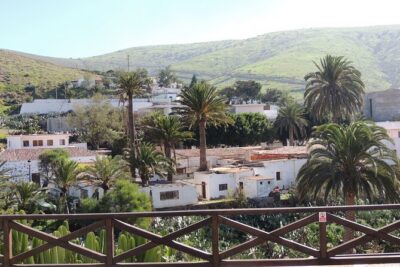
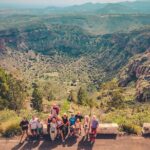
Your first stop is Fataga, and it’s a strong choice for getting that classic Gran Canaria feel. This is where the driving shifts into mountain mode, and the scenery changes fast once you’re higher up.
Why Fataga works well in a half-day tour:
- It breaks up the ride so you’re not just driving continuously for 2.5 hours.
- It gives you a town-style moment for photos and a mental reset between winding sections.
- It’s part of the route logic: mountain air and views early, then you gradually move toward the calmer coastal side.
Some riders also note stops tied to photo moments such as an aloe vera plantation area. If that’s part of your specific route timing, it’s a nice contrast—less about speed, more about atmosphere and stopping to look around.
If you’re sensitive to temperature, pack for altitude. One of the clearest practical tips from the experience: the higher you go, the cooler it gets compared with the coast. A jacket is an easy win.
Maspalomas riding: the in-between segment that makes the day feel long
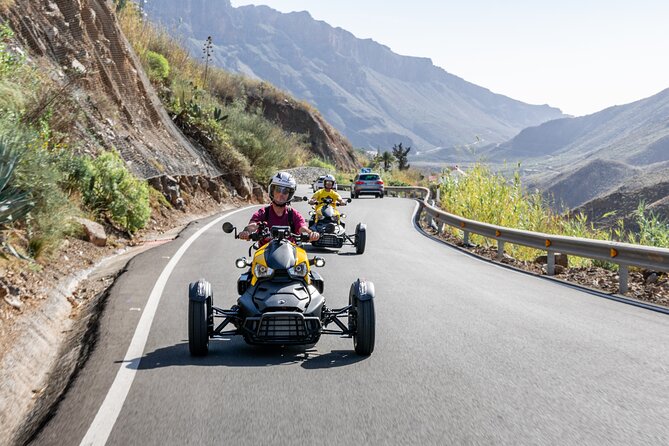
After Fataga, you head toward Maspalomas again as part of the loop. This middle stretch is where the tour balances excitement and comfort.
You’re likely to feel the difference between:
- roads that challenge you with curves and elevation changes
- and stretches where you can settle into a steady rhythm
That’s not just “nice scenery.” It affects how your body feels during the ride. A controlled, guided route helps you avoid the fatigue that comes from being tense the whole time.
Maspalomas also gives you a sense of where you are on the island. You start here, ride away to mountains, and then angle back toward the southern area. It helps the day make sense, instead of feeling like a random collection of roads.
If you want a quick photo moment, this is often when you can snap pictures without the rush of the first climb or the final coastal views.
Playa de Amadores finish: sea breeze, ocean views, and an easy landing
Your final scheduled stop is Playa de Amadores, and it’s a strong way to end. The last part of the ride is where you benefit from the contrast: after winding mountain roads, you get that coastal feel with sea air and open ocean views.
This is also where you’ll be thinking less about control and more about enjoyment. The driving becomes more about flow, with long sightlines and the kind of scenery that makes you want to stop and actually look at it for a moment.
When you’re picking what to wear, treat this as your reminder that you’re still outside. Even if the coast is warm, the day can start cooler and change with altitude. If weather shifts, a light rain layer can save you. One rider recommendation was to bring a raincoat because conditions changed with elevation.
Group size and sharing: how your day may work with another adult
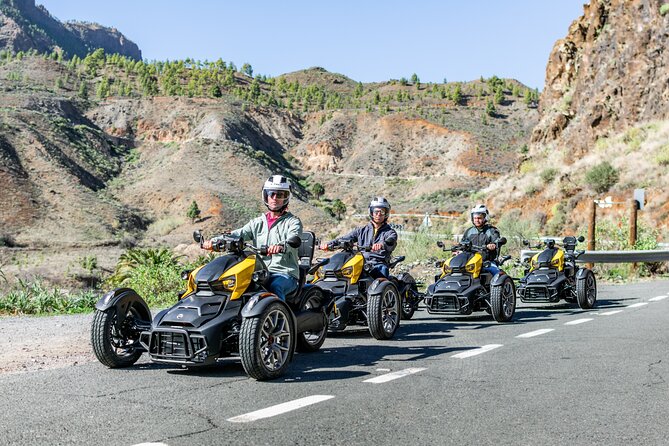
The tour caps at 10 travelers, which matters because it keeps the ride organized and gives you more attention from the guide. That also usually means you’re not stuck waiting around forever.
There’s also a practical detail about vehicle sharing: if you book for 2 or more adults, you’ll generally share the vehicles. You can purchase more vehicles with the operator if you want less sharing.
Here’s how to plan around it:
- If you’re okay sharing time on the same trike, this works great for couples and small groups.
- If you want maximum seat time for each person, consider adding another vehicle option.
- If you’re riding as a pair and one of you learns faster, sharing can still feel fun, but you’ll want to communicate calmly and stick to the guide’s rhythm.
Tips to make your first ride feel smooth (and not stressful)
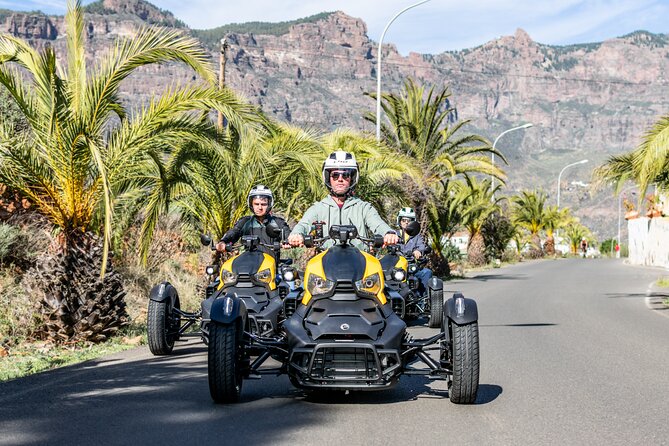
This tour is easy to learn, but that doesn’t mean you should wing it with zero prep. A few small choices make a big difference.
Dress for altitude and changing weather
- Bring a jacket for the mountain sections. The air can feel noticeably cooler than down by the coast.
- Pack a light raincoat, especially if you see clouds building as you climb.
- Wear closed-toe shoes you can move in comfortably. You’ll be adjusting your posture while turning and braking.
Start slow on the winding parts
Hairpin bends can feel intense at first. The key is smooth inputs—steady throttle, gentle steering corrections, and staying relaxed through turns. The guide’s job is to manage the group, so you’ll get more fun if you stop trying to match speed with confidence you don’t have yet.
Use photo breaks like a pro
You’ll have stops for sightseeing and photos. Take the chance. The scenery is what you’re paying for, and the most dramatic views often happen while you’re stopping, not while you’re accelerating.
Should you book this 3-wheel motorcycle tour from Maspalomas?
Book it if you want:
- a guided ride that covers more island highlights than walking
- automatic three-wheel trikes you can learn quickly with a car license
- mountain views plus coastal scenery in one outing
- a small-group experience led by Adrian, with a strong safety focus
Think twice if:
- you don’t have a car license
- you strongly dislike winding roads, hairpins, or feeling a bit cool at altitude
- you’re expecting a totally hands-free experience (this is driving, not sightseeing-by-bus)
If you’re the kind of traveler who loves being active and doesn’t mind a little thrill, this is one of the better-value ways to see southern Gran Canaria up close.
FAQ
Do I need a car license to drive the three-wheel motorcycle?
Yes. A car license is required.
How long is the tour?
It’s approximately 2 hours 30 minutes.
How many people are in the group?
The tour has a maximum of 10 travelers.
Is the bike automatic, and do I need motorcycle experience?
The three-wheel bikes are fully automatic, and no prior motorcycling experience is required.
What are the main stops on the route?
The tour includes stops at Fataga, Maspalomas, and Playa de Amadores.
What’s included in the price?
Helmets, fuel, and insurance in case of an accident when the client is not responsible are included.
What does the insurance cover, and what doesn’t?
Insurance is included for accidents where the client is not at fault. Accidents caused by client mistakes such as speeding or doing something wrong are not covered.
Where does the tour start and end?
It starts at Av. de Moya, 6, 35100 Maspalomas, Las Palmas, Spain, and ends back at the same meeting point.
What should I bring for the ride?
Wear something appropriate for changing temperatures. The mountain areas can be cooler than the coast, and a jacket (and possibly rain protection) can help if conditions change.