Two hours can make Barcelona click. You’ll walk through layers from a Roman colony to the Golden Age, then keep going into darker chapters like the Spanish Inquisition and Civil War—told in a way that makes the streets feel personal. Expect English-language storytelling at more than a dozen key points, from big landmarks to off-the-main-path corners.
What I like most is the way the guide turns history into street-level meaning. I’ve seen praised energy even in rain (Sonia was repeatedly mentioned for staying upbeat), plus that local-and-archaeology perspective that adds weight to what you’re seeing. I also love the practical pacing and group handling—guides like Juan are described as funny, attentive, and great at keeping a steady walking pace while still answering questions, so you don’t feel rushed.
One thing to consider: cathedrals and basilicas aren’t included (so you’ll enjoy the exterior views and guided context, but you may need to plan separately if you want to go inside).
In This Review
- Key things to notice before you go
- A 2,000-year story you can walk: what this tour really delivers
- Price and value: why $22 can beat a solo walking plan
- Where you meet at Plaça del Vuit de Març (and how not to start late)
- Roman Barcino: starting where Barcelona’s first layer still shows
- Els Quatre Gats: art, attitude, and the social side of Barcelona
- The Kiss of Freedom: a quick stop with a big meaning
- Barcelona Cathedral: seeing why the Gothic center feels so serious
- La Casa de l’Ardiaca and Carrer del Bisbe: architecture you feel in your feet
- Plaça de Sant Felip Neri: a quiet square in a loud city’s story
- MUHBA El Call: remembering a neighborhood, not just a location
- Plaça de Sant Jaume and Plaça del Rei: power meets public life
- Plaça de l’Àngel and the Pont del Bisbe legend: the fun part you’ll remember
- Santa Maria del Mar: a strong ending you can keep exploring
- What makes the guides stand out in real life: energy, humor, and real answers
- What to bring and how to set yourself up for a smooth 2 hours
- Who should book this tour, and who should consider something else
- Should you book this Barcelona walking tour?
- FAQ
- How long is the Barcelona walking tour?
- How much does the tour cost?
- Where do I meet the guide?
- Is entry into cathedrals and basilicas included?
- What language is the tour guide speaking?
- Do you offer private group options and free cancellation?
Key things to notice before you go
- Roman Barcino to medieval Barcelona: you’ll hear how one city grows over centuries, block by block.
- Dark history without the doom: Spanish Inquisition and Spanish Civil War stories are part of the narrative.
- Myth you can stand beside: the legend tied to the secret skull on Pont del Bisbe is built into the walk.
- Short, frequent stops: the tour rhythm keeps you moving, but each stop gets its moment.
- English guides who answer questions: many reviews highlight patient, welcoming Q and A.
- A strong finish at Santa Maria del Mar: you end in one of the Gothic city’s most memorable settings.
A 2,000-year story you can walk: what this tour really delivers
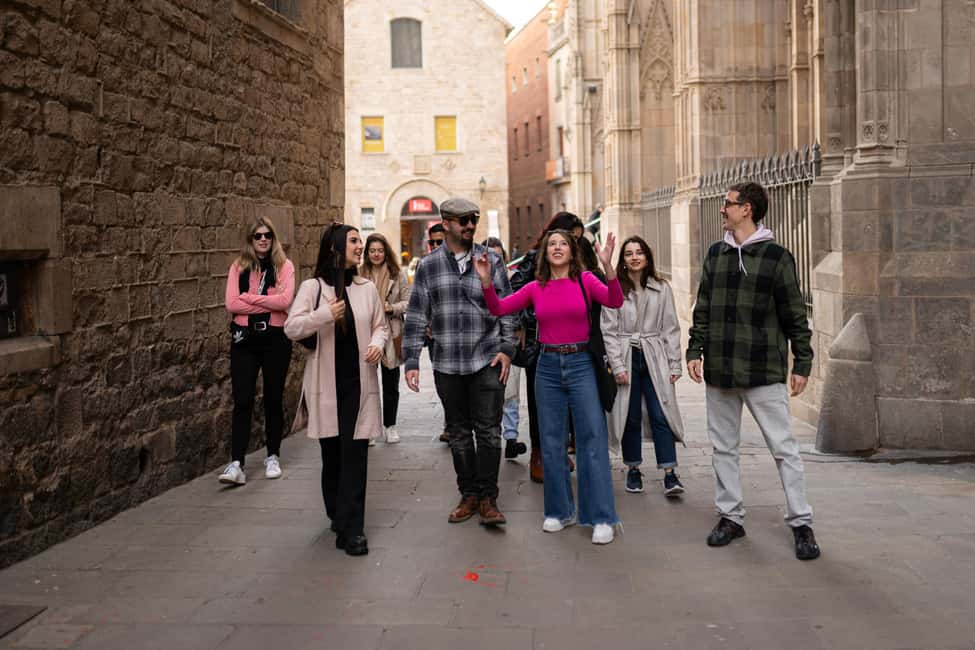
Barcelona is great at looking like a postcard. The trick is getting it to make sense beyond the photos. This walking tour is built for that. In about two hours, you get a timeline arc that starts with the Roman colony of Barcino, passes through medieval and Golden Age Barcelona, then reaches into the city’s harder chapters, including the Spanish Inquisition and the Spanish Civil War.
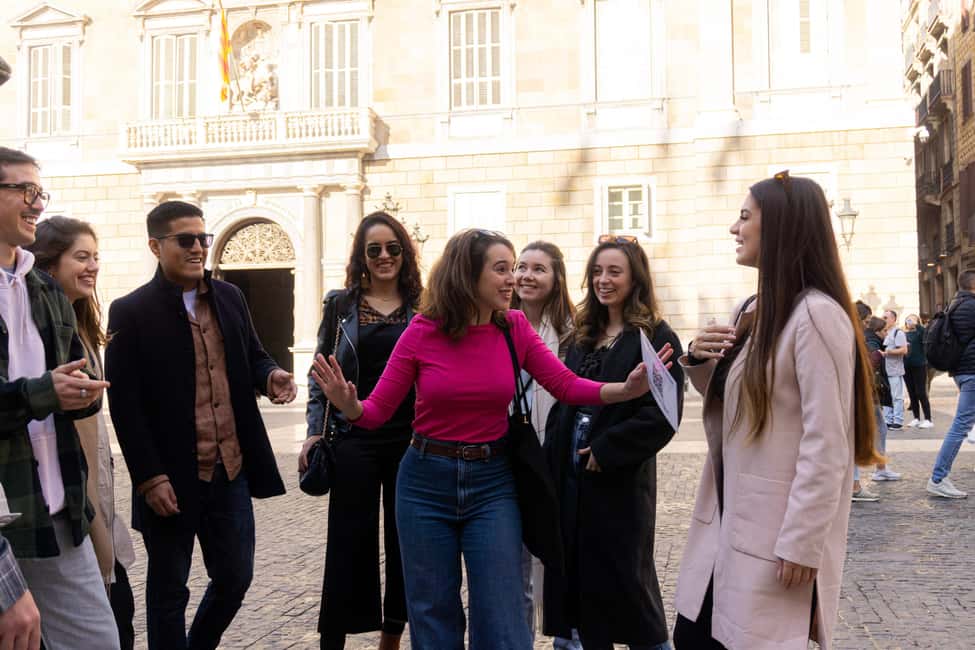
The best part is that it’s not just lectures in motion. The guide’s job is to connect what you see—cathedral stonework, narrow streets, plazas—to the people and the pressures that shaped the city. Reviews repeatedly point to guides who make stories feel alive, with humor and question-friendly pacing. If you want Barcelona to feel like a place with memory, not just monuments, this format works.
You’ll also get that street-level “wait, how did that happen here?” feeling. One minute you’re at a major religious building, the next you’re hearing about quirky cultural figures tied to a specific square. That mix helps the city feel whole.
You can also read our reviews of more walking tours in Barcelona



Price and value: why $22 can beat a solo walking plan
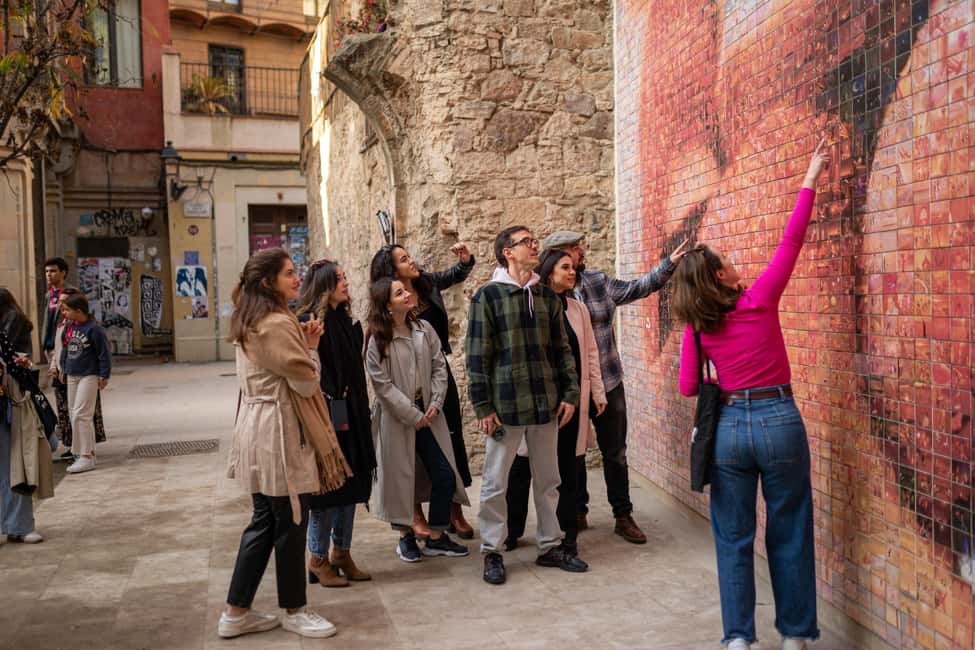
At $22 per person for a 2-hour guided walk, this isn’t priced like a museum ticket. It’s priced like what it is: guided time plus a route that strings together the most useful context in the Gothic core.
Here’s what makes the value feel real:
- You’re not spending that $22 to “see sights.” You’re paying for the meaning behind them—why these locations matter and how Barcelona’s identity formed.
- The walk is structured with 10-minute guided moments at many stops, so you get explanation without losing half your day wandering to figure out what’s where.
- Multiple reviews mention guides giving extra help: restaurant and bakery recommendations, and clear answers to questions. One stand-out example from the feedback: Sonia recommended a local bakery, and the croissant story shows the tour isn’t only history-facts. It helps with how you’ll enjoy the rest of your trip.
Important note: entry into cathedrals and basilicas isn’t included. If you want interior access, budget that separately. Still, even without entry, a good guide can make the exterior details and setting feel like a full experience.
Where you meet at Plaça del Vuit de Març (and how not to start late)
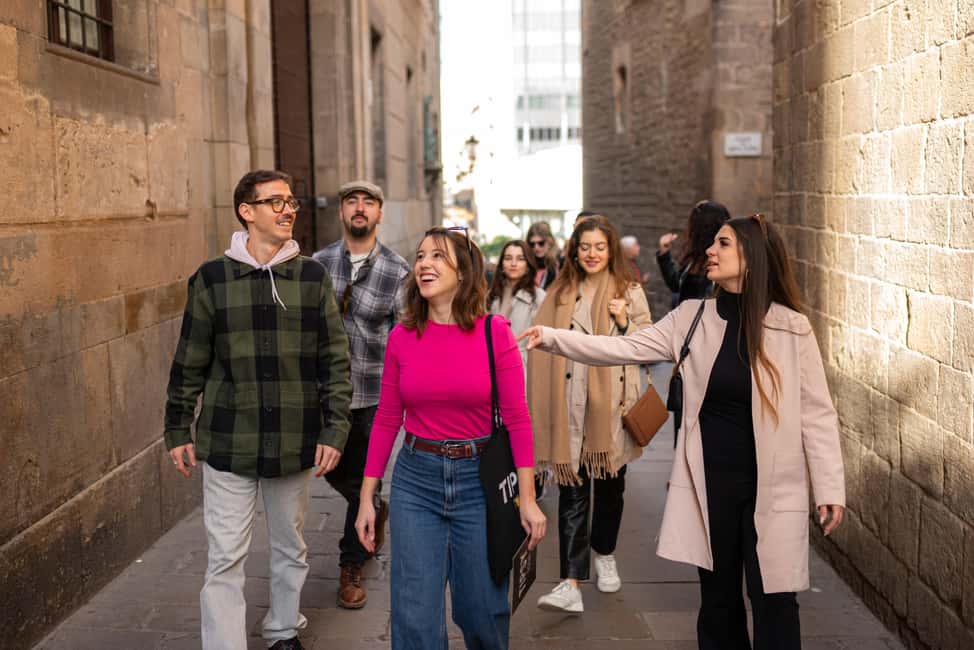
Your meeting point is Plaça del Vuit de Març, inside the park near Balmesiana Biblioteca Balmes and the Roman aqueduct remains, next to the white van. Look for the yellow Carpe Diem Tours flag.
Arrive about 10 minutes early. That matters more than you’d think: the tour is designed to move efficiently through a dense area. If you’re late, you’ll slow the group, and nobody wants that awkward shuffle while a guide is trying to get everyone aligned for the story.
If you’re doing Barcelona by foot, I also suggest you come ready to walk with a clear baseline plan for the day: this tour is best early, so the rest of your exploration has context.
Roman Barcino: starting where Barcelona’s first layer still shows
The tour starts around the Roman connection—either at the Barcino Sculpture (Escultura Barcino) or in the immediate area that links you to that Roman origin story. Even if you’ve only seen Barcelona’s classics in pictures, the Roman layer gives you a different map of the city.
Why this opening works: it sets up a mental timeline. When you later hear about medieval power and religious buildings, you understand that the city’s built environment didn’t appear out of nowhere. It grew. The route nudges you to see modern streets as chapters stacked over older ones.
Also, starting near Roman traces makes the rest of the walk more satisfying. You’re not just absorbing facts—you’re building a sense of place.
Els Quatre Gats: art, attitude, and the social side of Barcelona
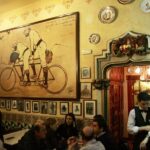
One of the first guided stops you’ll hit is Els Quatre Gats. This place matters because Barcelona’s identity has long been tied to conversation, creativity, and public life—not only royal decrees and churches.
The guide uses this stop to shift the tone from “ancient ruins” to “people and ideas.” You’ll learn how cultural life fed the city’s character, and you’ll likely get anecdotes about the kinds of figures who shaped Barcelona’s reputation.
What to do here: pause, look around, and treat it like a social hub from another era. Even if the building won’t feel Roman or Gothic, it’s a hinge point in the story.


The Kiss of Freedom: a quick stop with a big meaning
Next you’ll hear about The Kiss Of Freedom. Even if you’re not sure what it refers to before you arrive, the tour framing helps: it’s a way to connect Barcelona’s physical places to the city’s identity through symbolism.
You’re moving through layers—Roman, medieval, cultural—and the tour uses stops like this to show how Barcelona marks ideas in stone and street memory. It’s the kind of pause that breaks up longer formal landmarks and keeps the walk lively.
Barcelona Cathedral: seeing why the Gothic center feels so serious
You’ll get a guided look at Barcelona Cathedral. Since entry isn’t included, your experience here is focused on what you can see from outside and how the guide frames the building’s role in the city.
This is also where the tour’s “history through place” approach really helps. A cathedral can feel like one big impressive photo spot. With the guide’s context, it becomes a reference point for belief, power, and civic life.
The practical benefit: you’re learning how to read what you’re looking at, so the cathedral doesn’t stay a generic landmark in your mind.
La Casa de l’Ardiaca and Carrer del Bisbe: architecture you feel in your feet
Two nearby stops—La Casa de l’Ardiaca and Carrer del Bisbe—turn the street scale up a notch. This is where Barcelona feels older and tighter. The guide’s explanations help you notice the details you’d otherwise blow past.
Carrer del Bisbe is especially useful because narrow Gothic streets are where you really understand how the city functioned. It’s harder to imagine crowds moving through these lanes unless you’re physically there. A guided walk makes that mental picture click.
If you like architecture, this stretch is a sweet spot because it’s both visually interesting and narratively connected.
Plaça de Sant Felip Neri: a quiet square in a loud city’s story
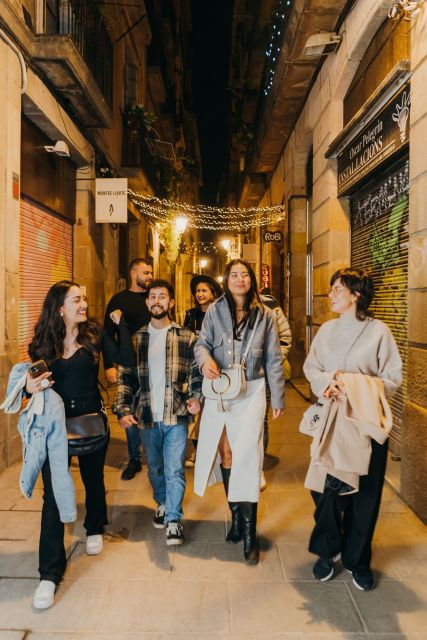
You’ll also visit Plaça de Sant Felip Neri. Squares in Barcelona aren’t just open-air rooms; they’re stages where civic life happens.
The guide uses plazas like this to slow you down for a moment. It’s a chance to catch your breath, absorb the surroundings, and understand how space shaped daily routines and community behavior.
This stop is one of those “you get more from it when you’re not rushing” moments. If your legs are fine, linger just a beat when the explanation ends.
MUHBA El Call: remembering a neighborhood, not just a location
Next is MUHBA El Call. You’ll hear guided context that connects this area to the history of the Jewish quarter. That’s a crucial part of understanding Barcelona beyond its major monuments.
Why this stop is valuable: it gives the city depth. Barcelona’s story includes communities shaped by tolerance and pressure, and El Call is a place where you can feel how urban space holds layered memory.
Even if you don’t go inside any additional exhibits, the guide’s framing helps you read the area as part of a bigger human story—one that sits alongside cathedral and royal square narratives.
Plaça de Sant Jaume and Plaça del Rei: power meets public life
Then you reach Plaça de Sant Jaume and Plaça del Rei. These are the kinds of squares where Barcelona’s identity shows up as politics, religion, and civic control all at once.
Here’s the practical way the tour helps you: it teaches you that plazas aren’t random open spaces. They’re where authority becomes visible and where the city performs itself to residents.
If you’re the type who likes connecting history to today, these stops are perfect. You’ll leave with a better sense of why Barcelona’s center looks the way it does.
Plaça de l’Àngel and the Pont del Bisbe legend: the fun part you’ll remember
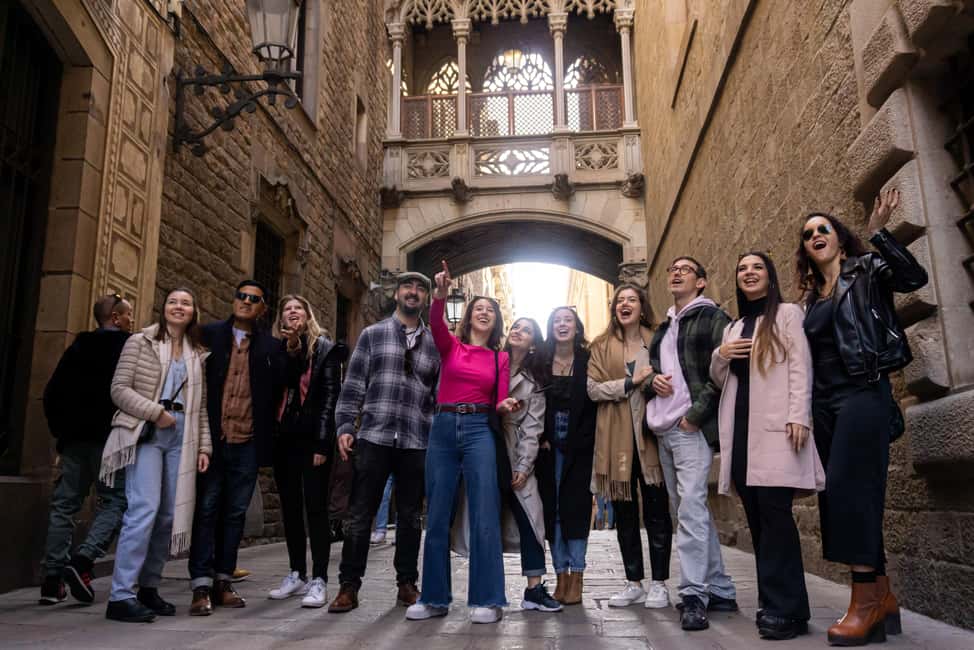
Plaça de l’Àngel leads you toward the area around Pont del Bisbe. This is where the tour turns into something you’ll talk about later: the guide includes the legend of the secret skull on Pont del Bisbe and what happens if you look at it.
Even if you’re skeptical of legends, that’s fine. The value is that you’re learning cultural storytelling—how locals pass along oddities that stick to landmarks over time. It’s the difference between walking past a bridge and walking past a bridge with a story attached.
This is also a great moment to take photos. The point isn’t only capturing the view; it’s capturing the place tied to an actual narrative you can recall.
Santa Maria del Mar: a strong ending you can keep exploring
The walk finishes at Basílica de Santa Maria del Mar. Like the cathedral and other major religious stops, entry isn’t included—so your time is guided context and surroundings.
Still, ending here is smart. Santa Maria del Mar is one of those buildings that makes the Gothic style feel grounded and human-sized compared to some of the more towering, dramatic church experiences. It’s a fitting last stop because it leaves you in a beautiful, emotionally coherent space.
After the tour, you’ll have a couple easy options: continue wandering nearby, or use what you learned to pick your next visit with more confidence.
What makes the guides stand out in real life: energy, humor, and real answers
The consistent praise across the guide names is striking. Sonia is repeatedly described as upbeat and energetic, including in rain, and she’s also linked to practical food advice (that bakery and croissant recommendation shows the tour’s impact can spill into your day). Guides like Juan are described as witty and passionate, with history feeling fun and alive; one review even mentions a stormtrooper surprise, which tells you the experience doesn’t take itself too seriously.
Other names that show up in the feedback include Petra, Craig, Darren, Tammy, and Mariah. Common themes:
- Guides keep a good walking pace while staying aware of the group’s needs.
- People feel comfortable asking questions.
- Stops feel well chosen and not rushed.
- Extra tips for where to eat and what to try show up naturally, not as an afterthought.
That combination matters. A tour that’s heavy on facts but light on group care gets tiring fast. This one aims for the opposite: movement plus story plus interaction.
What to bring and how to set yourself up for a smooth 2 hours
This walk is designed around comfortable mobility. Bring:
- Comfortable shoes (you’ll be on your feet for the full duration)
- A camera (there are plenty of photo moments, especially for the Pont del Bisbe area)
- Comfortable clothes for walking and weather changes
If you’re visiting in a season where rain can happen, plan accordingly. One review explicitly called out the experience continuing through rain with an upbeat guide, which suggests they handle weather with attitude—but you still don’t want wet shoes.
Who should book this tour, and who should consider something else
This tour is a good fit if:
- You want 2,000 years of Barcelona explained through the streets, not through a screen.
- You like short, frequent stops that keep your attention.
- You want a guide who answers questions and offers food suggestions.
It may not be your best match if:
- You’re primarily looking for guaranteed interior access to cathedrals and basilicas (entry isn’t included).
- You prefer long museum-style pacing where you can stay in one place for a while.
If you’re unsure, choose it as an orientation tour. It’s the kind of guide-led walk that makes the rest of the trip easier to navigate because the city stops being a bunch of separate attractions.
Should you book this Barcelona walking tour?
I think it’s an easy yes if you want value, context, and a route that hits the key stories of the Gothic core plus the darker historical threads that many first-time visits skip.
Book it if you like:
- learning history in plain language,
- getting a route you can trust,
- and ending with a satisfying finish at Santa Maria del Mar.
Skip it (or pair it with other tickets) if you know you only enjoy visits when you can go inside major churches. For that, you’ll want to plan separate entry before or after.
If you do book, do one smart thing: wear good shoes and come ready to ask questions. The experience is designed for that give-and-take, and that’s where the best moments tend to happen.
FAQ
How long is the Barcelona walking tour?
It lasts 2 hours.
How much does the tour cost?
The price is $22 per person.
Where do I meet the guide?
Meet at Plaça del Vuit de Març, inside the park near Balmesiana Biblioteca Balmes and the Roman aqueduct remains, next to the white van. Look for the yellow Carpe Diem Tours flag and arrive about 10 minutes early.
Is entry into cathedrals and basilicas included?
No. Entry is not included for cathedrals and basilicas.
What language is the tour guide speaking?
The live guide speaks English.
Do you offer private group options and free cancellation?
Yes, private group availability is offered, and you can cancel up to 24 hours in advance for a full refund.