REVIEW · BARCELONA
Barcelona: Sagrada Família Tour with Skip-the-Line Access
Book on GetYourGuide →Operated by the tour guy · Bookable on GetYourGuide
Sagrada Família works best with a guide. This skip-the-line tour pairs direct entry with a live English-speaking guide who explains Gaudí’s unfinished basilica, from the two outdoor facades to the soaring nave inside.
I love the skip-the-line entry that saves you from long queues, and I love how guides such as Miguel or Lena turn architecture into stories you can actually picture. One real consideration: tower access isn’t included, and parts of the church can close for special religious events.
In This Review
- Quick hits you’ll care about
- Skip-the-line access: what it changes at Sagrada Família
- Meeting point basics: where to show up without stress
- Outside first: how the guide teaches the Nativity and Passion fronts
- Inside the basilica: columns, ceilings, and stained-glass light
- Gaudí stories that make the unfinished part feel meaningful
- Guided time ends: how to use your free time well
- What’s included (and what isn’t) so you don’t get surprised
- Dress code and bag rules: small things that prevent big hassles
- Who this tour fits best (and who should rethink it)
- Price and value: is $46 worth it?
- Should you book this Sagrada Família skip-the-line tour?
- FAQ
- How long is the Barcelona Sagrada Família tour with skip-the-line access?
- Does this tour include skip-the-line entry?
- Is tower access included?
- What languages is the guide available in?
- What’s the tour like once the guided portion ends?
- What should I bring for entry?
- Are there any clothing restrictions?
- Can I bring luggage or large bags?
- Are there situations where parts of the basilica close?
- Is it suitable for wheelchair users or limited mobility?
Quick hits you’ll care about
- Skip-the-line entry so you spend more time inside and less time waiting outside.
- Nativity and Passion facades explained in plain language (joy vs. sacrifice).
- Tree-like columns and rainbow stained glass that make the interior feel unreal.
- Gaudí’s life and the project’s unfinished reality, including the accident that stopped him.
- Small group feel, which usually means better questions and better sightlines.
- Free time after the guided portion, including a chance to visit the Church Museum.
Skip-the-line access: what it changes at Sagrada Família
Sagrada Família is one of those places where timing matters. Lines can get slow fast, especially in peak hours, and this is exactly where a skip-the-line ticket earns its keep.
The other smart part is the rhythm: you start with a guide outside, then move inside for the big visual payoff. That matters because once you’re in the basilica, you’ll want context. You’re not just looking—you’re reading the building as you go, with your guide pointing out what to notice.
Also, this tour runs on a flexible length, typically 1.5 to 4.5 hours depending on the departure you pick. The shorter options still give you the core story and interior time, while the longer ones leave breathing room if you want to linger.
A few more Barcelona tours and experiences worth a look
Meeting point basics: where to show up without stress
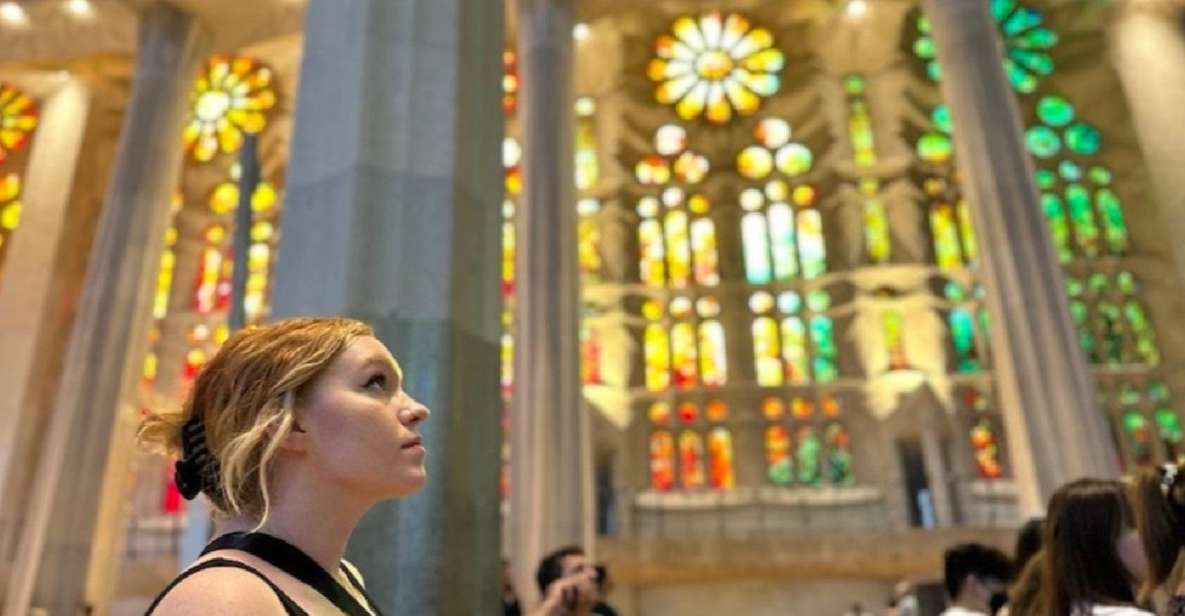
You’ll meet at a meeting point that may vary depending on the option booked. One stated starting location is Vivari, Ctra. del Carmel, 23, but don’t treat that as universal for every departure.
Because the meeting point can change, I’d build in a few extra minutes the day you go. This is one of those tours where arriving on time keeps the group moving—and it helps you avoid losing the best light and timing inside.
And yes, bring ID. A valid photo ID is mandatory for entry, and without it you’ll be denied. That applies to adults and also children, so don’t pack the passports in a bag you won’t carry with you.
Outside first: how the guide teaches the Nativity and Passion fronts
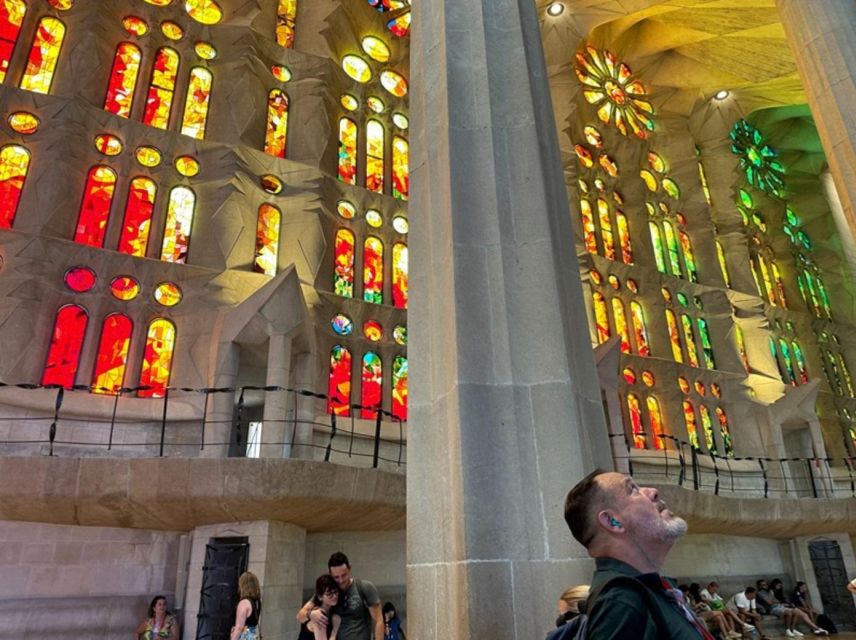
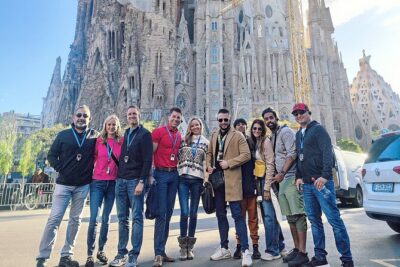
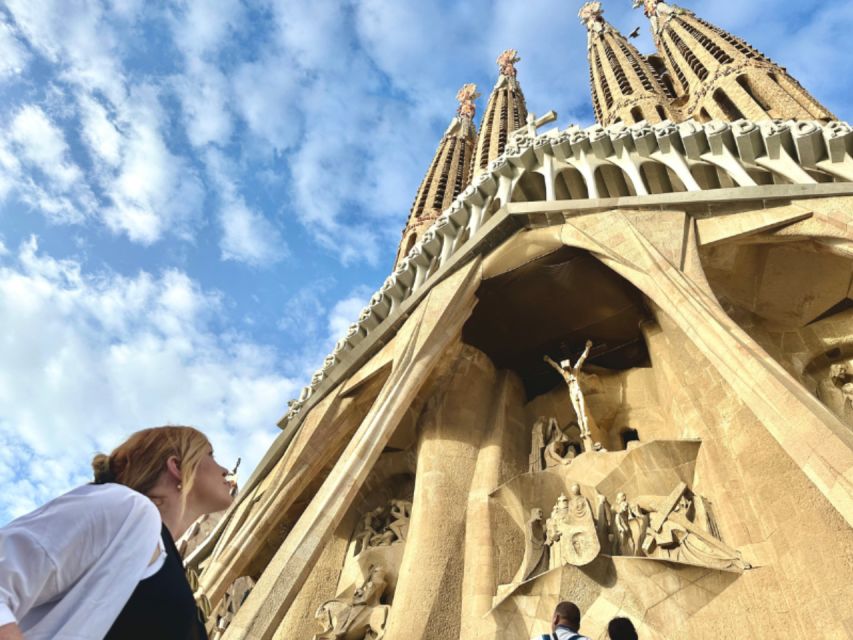
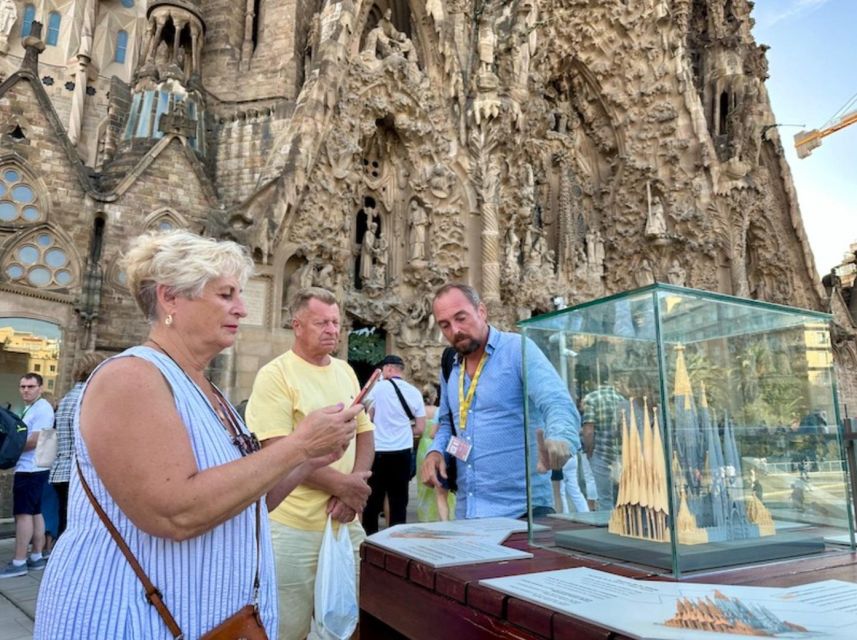
The tour starts outside with a guided explanation of the Nativity facade and the Passion facade. If you’ve ever felt like Gaudí’s work is “too much”—this is the antidote. Your guide helps you separate the symbolism from the decoration so everything starts to click.
The Nativity side is framed as the joyful face of the basilica, inspired by nature and life. The Passion side is the stark counterpart, focused on Christ’s sacrifice. The way these two fronts contrast is a huge part of why Sagrada Família feels both emotional and strangely modern, even though it’s unfinished.
What I like about doing the facades first is that it trains your eyes before you step inside. When you later see columns and light forming patterns like living things, the building stops being random fantasy and starts feeling intentional.
Inside the basilica: columns, ceilings, and stained-glass light
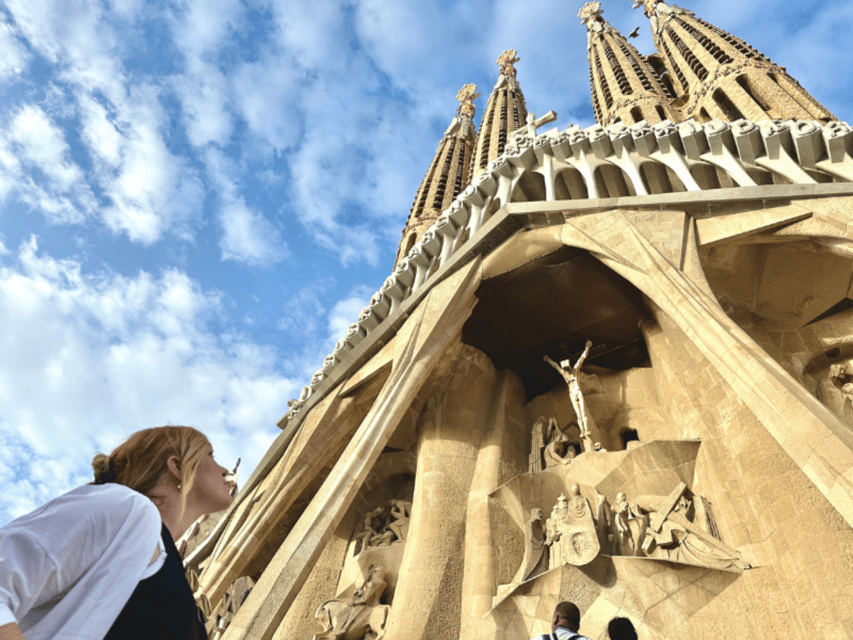
After the exterior context, you head inside for a guided tour of the basilica interior. This is where the “wow” moments become understandable.
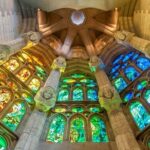
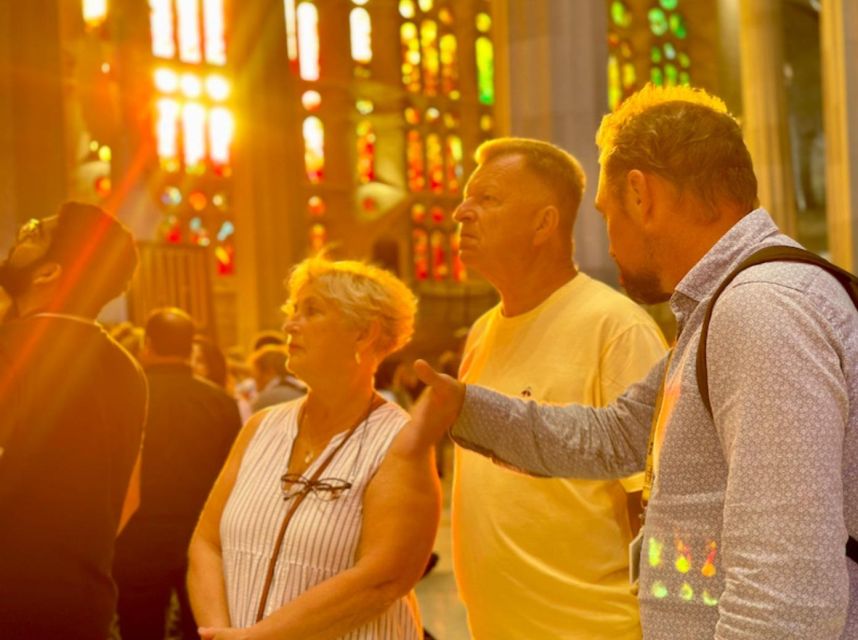
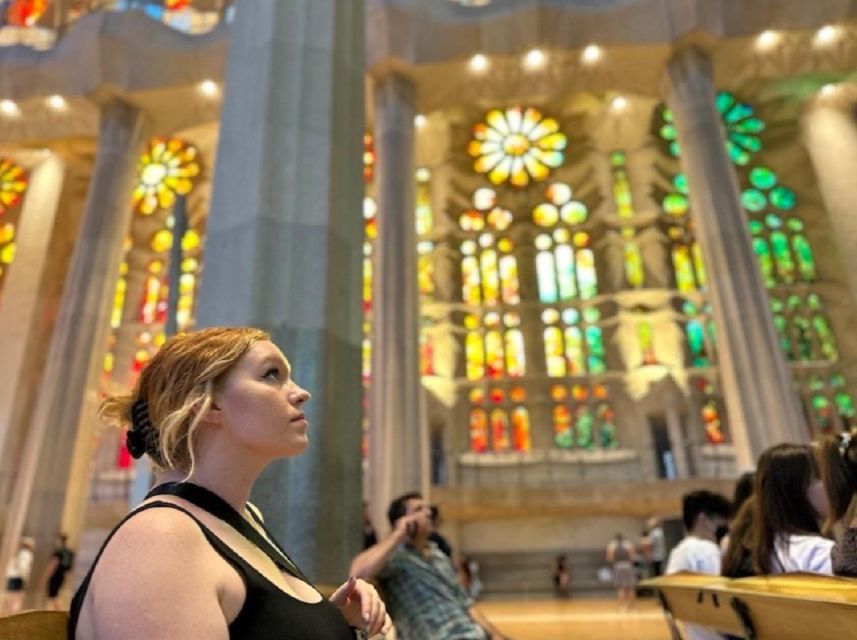
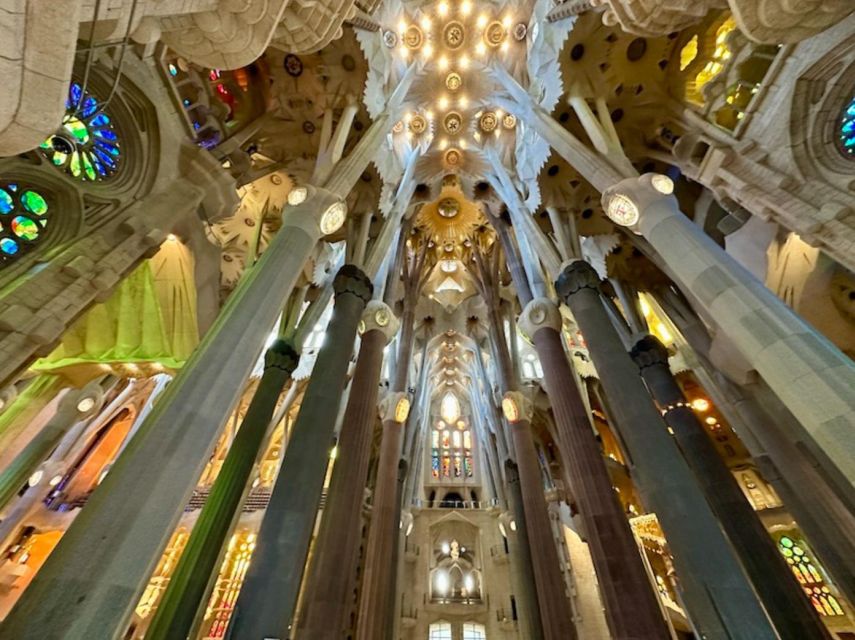
You’ll see columns that look like trees reaching upward, and a ceiling that feels designed for height and movement rather than flatness. The stained glass windows then do the rest. Light filters through in color, turning the space into a kind of moving color show—subtle at times, dramatic at others, depending on the light of the day.
If you’re someone who normally wanders and then later regrets not knowing what you were looking at, this interior portion fixes that. The guide ties the shapes and colors to what Gaudí was trying to say.
One practical note: your group may use audio support (some tours mention earphones so everyone can hear). If you see any system like that on your tour, wear it. The basilica is full of sound cues and stillness, and clear audio makes the explanations way more useful.
Gaudí stories that make the unfinished part feel meaningful
The basilica is unfinished, and that’s not a drawback—it’s part of the story. During the guided portion, you’ll hear about Gaudí’s life and vision, including the accident that stopped him from completing the project.
That detail matters because it changes your mindset from “construction site” to “continuing legacy.” You start noticing how the building’s planning and symbolism still hold together, even without a final completed version by its original creator.
This tour is built for people who want more than facts. You get narrative structure: what Gaudí believed, why he used specific symbolism, and how the design expresses spirituality through architecture.
It also helps if you like asking questions. Guides on this kind of tour are often praised for staying engaged and answering thoughtfully, even when kids or mixed ages are in the group—so if you’re traveling with family, that’s a good sign.
Guided time ends: how to use your free time well
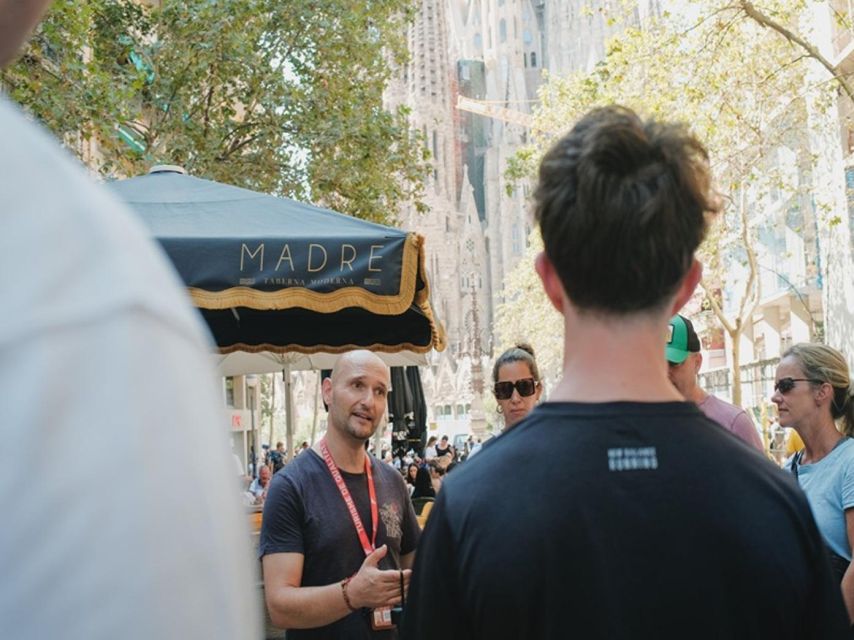
Once the guided portion wraps—about 1.5 hours for the main tour—you get free time to explore. This is your chance to slow down and let the space soak in.
You can also visit the Museum of the Church of the Sagrada Família during this free period. If you want a deeper feel for how the project has developed and how the church is understood beyond the big visual moments, the museum is a solid add-on.
Here’s how to spend your free time without getting overwhelmed:
- Go back to your favorite interior spot and take a second look after the guide’s explanations.
- Look up again. The columns and ceiling details make more sense once you know what to look for.
- If you’re curious about the building’s ongoing story, prioritize the museum area before you lose energy or daylight.
Weather can matter in Barcelona, and rain happens. Still, the guide experience often keeps things moving even when conditions aren’t ideal—because the key sights are inside and the facades are a quick, structured walkthrough.
What’s included (and what isn’t) so you don’t get surprised
Included:
- Skip-the-line entry
- A live guide (English and Spanish)
- Guided access to Gaudí’s basilica interior and the exterior facades
Not included:
- Tower access
So if your idea of the perfect day at Sagrada Família involves climbing for big city views, you’ll need a different option for that. This tour is designed around the basilica itself—architecture, symbolism, and interior light—not tower views.
Dress code and bag rules: small things that prevent big hassles
Sagrada Família has rules, and this tour follows them strictly. Plan ahead.
Not allowed:
- Shorts
- Sleeveless shirts
- Luggage or large bags
- Tripods
So wear something you’ll feel comfortable in, but also something that meets the dress expectations. If you’re traveling in warmer months, aim for lightweight long pants and breathable tops. If you’re visiting with kids, it’s worth double-checking clothing before you head out.
Also, keep bags small. You don’t want to reach a security point and then realize your “small backpack” counts as too big.
Who this tour fits best (and who should rethink it)
This is a great match if you want:
- a structured introduction to Gaudí’s symbolism
- a guided walkthrough of the Nativity and Passion facades
- time to explore after the guide leaves you (including museum access)
It’s also a good option for people who like learning with a real person. The tour’s format—outside context, then inside clarity—helps you avoid that common problem of seeing something famous and feeling like you missed the point.
Two groups should be cautious:
- People with limited mobility
- Wheelchair users
The tour is specifically marked as not recommended for limited mobility and not suitable for wheelchair users. If mobility is a concern, you’ll likely have a smoother day with an alternative plan that better fits your needs.
Price and value: is $46 worth it?
At $46 per person, you’re paying for three things working together: skip-the-line access, a live guide, and a guided orientation that covers both facades plus the interior. If you tried to do this on your own, you’d still need tickets, and you’d likely lose the “what am I looking at?” part that makes Sagrada Família unforgettable.
This price is also easier to justify if you care about learning, not just sightseeing. With Gaudí’s work, the difference between a good visit and a memorable one is often interpretation—why shapes and symbols are there, not just that they exist.
If you’re the type who enjoys museum-style explanation, this is a strong value. If you only want a quick look and you don’t want to spend time listening, the cost might feel heavier.
Should you book this Sagrada Família skip-the-line tour?
Book it if:
- you want skip-the-line entry and a guide-led experience
- you care about understanding the Nativity vs. Passion symbolism
- you like leaving with a clear picture of Gaudí’s vision, not just photos
- you want a little time to roam afterward, including the church museum
Consider a different option if:
- tower access is a must-have for you
- you need wheelchair-friendly routing or mobility accommodations
- you prefer to explore purely on your own and don’t want structured explanations
If you’re on the fence, here’s the simplest decision rule: if you want to see Sagrada Família and understand it, this tour is built for that. The whole format—outside stories, inside light, and then free time—matches how people remember this place best.
FAQ
How long is the Barcelona Sagrada Família tour with skip-the-line access?
The duration ranges from 1.5 to 4.5 hours, depending on the starting time you choose.
Does this tour include skip-the-line entry?
Yes, skip-the-line access to Sagrada Família is included.
Is tower access included?
No. Tower access is not included.
What languages is the guide available in?
The live tour guide is available in English and Spanish.
What’s the tour like once the guided portion ends?
After the guided portion, you get free time to explore and you can also visit the Museum of the Church of the Sagrada Família.
What should I bring for entry?
You need a passport or ID card. A valid photo ID is mandatory for entry to Sagrada Família, and children also need the required ID.
Are there any clothing restrictions?
Yes. Shorts and sleeveless shirts are not allowed.
Can I bring luggage or large bags?
No. Luggage or large bags are not allowed.
Are there situations where parts of the basilica close?
Sometimes areas can close for special religious events. If that happens, you’ll visit an extra site or gallery to compensate.
Is it suitable for wheelchair users or limited mobility?
No. It’s not recommended for people with limited mobility and it’s not suitable for wheelchair users.