REVIEW · CORDOBA
Córdoba: City Sightseeing Hop-On Hop-Off Bus Tour
Book on GetYourGuide →Operated by City Sightseeing Europe · Bookable on GetYourGuide
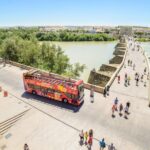
Córdoba’s best move is a bus first. In one day, you can connect the city’s top sights—Mosque–Cathedral area, major gates, palaces, towers, and river views—using a hop-on hop-off plan with 10-language audio. The appeal is practical: you get your bearings fast, then you decide what to linger on.
I love the two route options. The Red Panorámica route is the longer, main loop, while the Blue Intima minibus runs a shorter circuit that can handle tighter lanes better. I also love that the audio runs with headphones, so the story makes sense as you ride past places like the Alcázar de los Reyes Cristianos, Torre de la Calahorra, and the Palacio de la Merced.
One consideration: the sound and stop handling can be a little imperfect. The audio may lag the bus at times, and some seats can be less clear—so stay alert as you approach stops, and plan to ride where you can hear well.
In This Review
- Key things to know before you ride
- Why Córdoba feels easier once you start with a bus
- Red Panorámica vs Blue Intima: choose based on the streets you want
- Red Line: Panorámica Route (longer loop, main sights)
- Blue Line: Intima Route (minibus, shorter ride, tight lanes)
- How I’d mix both in a single day
- Timing your one-day pass: a smart way to avoid wasting daylight
- The stops that matter most (and what to look for once you get off)
- City gates: Puerta de Almodóvar, Puerta de Sevilla, Puerta del Puente
- Tower names that feel like a map
- Mezquita–Catedral area: learn the religious layers as you ride
- The Alcázar de los Reyes Cristianos and Torre de la Calahorra
- Palaces: Palacio de Viana and Palacio de la Merced
- Roman Córdoba: Templo Romano and Roman bridges/arches
- Markets, plazas, and pause points: Mercado de la Victoria and Plaza de las Tendillas
- Parks and gardens: Jardin Botanico – Zoologico and city green breaks
- Audio commentary: how to use it without getting lost
- The 6pm Judería walking tour from Puente Romano
- Comfort, heat, and where to sit so you enjoy the ride
- Price and value: why $32 can work (and when it won’t)
- Who this bus tour suits best
- Should you book this Córdoba hop-on hop-off bus tour?
- FAQ
- How long are the Red and Blue routes?
- What time do the buses run?
- Are attraction entry tickets included?
- Where does the Judería walking tour start?
- What languages are available on the audio?
- Is the tour wheelchair accessible, and are pets allowed?
Key things to know before you ride
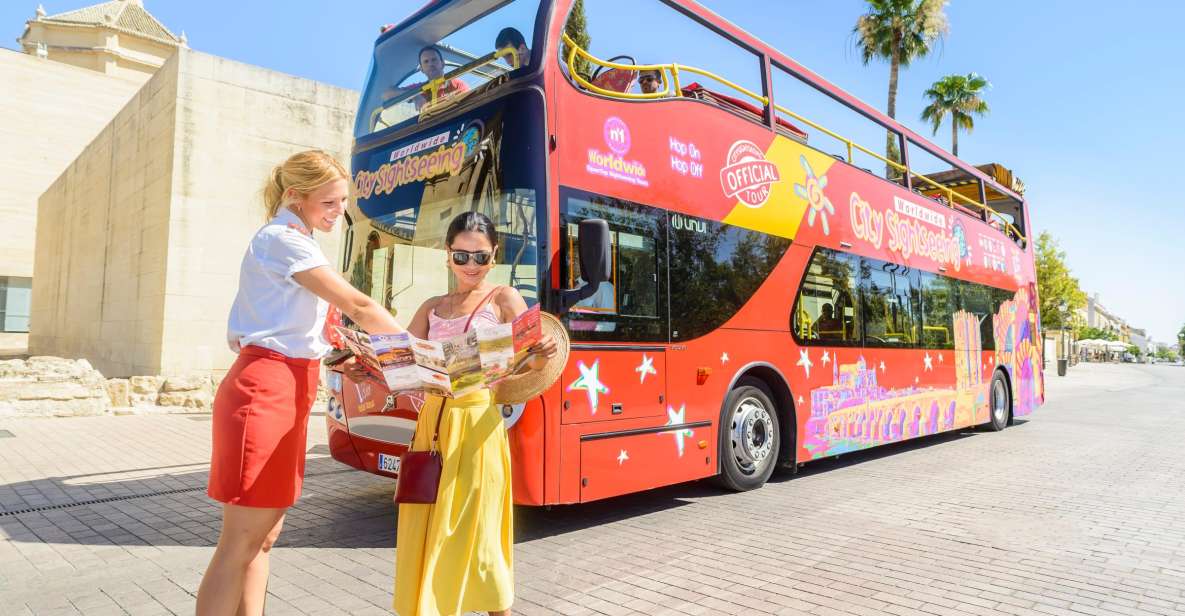
- Red Panorámica (70 minutes) covers the big highlights on a longer loop with frequent departures from the same start stop.
- Blue Intima (30 minutes) uses a minibus, which helps when streets get narrow and views are tight.
- Audio in 10 languages + kid audio (Spanish) turns a ride into a moving guide for the Mosque–Cathedral and city gates.
- A Judería walking tour at 6pm starts at Puente Romano and adds the human-scale side of Córdoba.
- You get near-stops for major sights, so you’re not forced into long, hot walks with a map in hand.
- Attractions aren’t included, so you’ll still budget entry tickets for the monuments you want inside.
Why Córdoba feels easier once you start with a bus
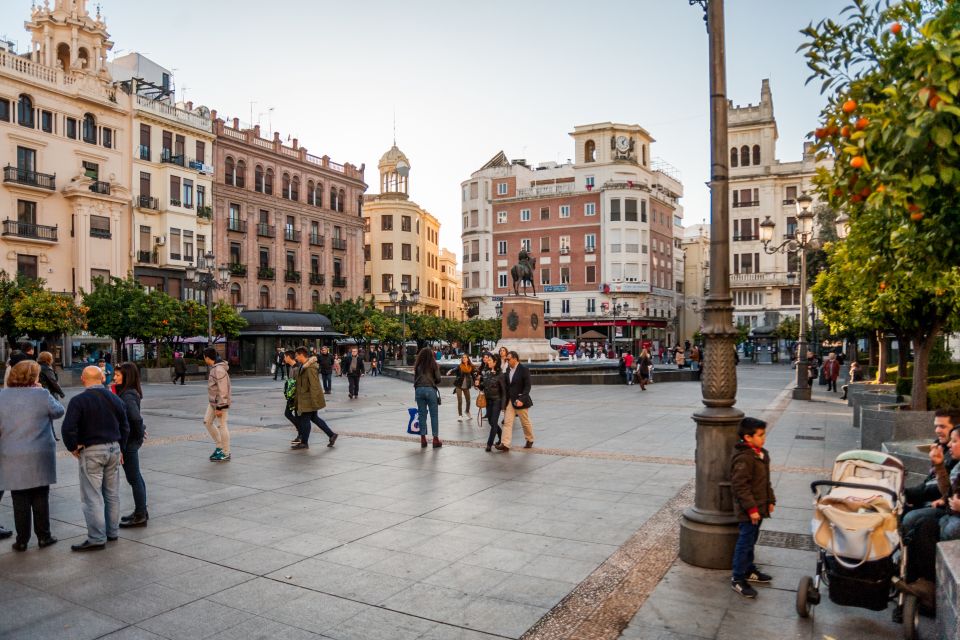
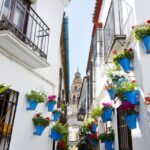
Córdoba can hit you with sensory overload—in a good way. Stone streets, whitewashed corners, courtyards, and sudden viewpoints make you want to stop everywhere. The problem is time. With this hop-on hop-off pass, you stop the guessing.
The bus gives you a slow-motion tour of how the city is put together. You pass the kinds of places that define Córdoba: original city gates, recognizable tower names, Roman-era structures, and the Mosque–Cathedral district. Then you can hop off at the exact spot that matches your interests, whether that’s a gateway arch you want to photograph or a palace you want to tour on foot.
And yes, the audio helps. Hearing commentary in multiple languages, with headphones, makes it much easier to connect what you’re seeing to what it means—especially around the Mosque–Cathedral’s layered religious history. Even if you only catch a few key segments, the whole day feels more intentional.
You can also read our reviews of more city tours in Cordoba

Red Panorámica vs Blue Intima: choose based on the streets you want
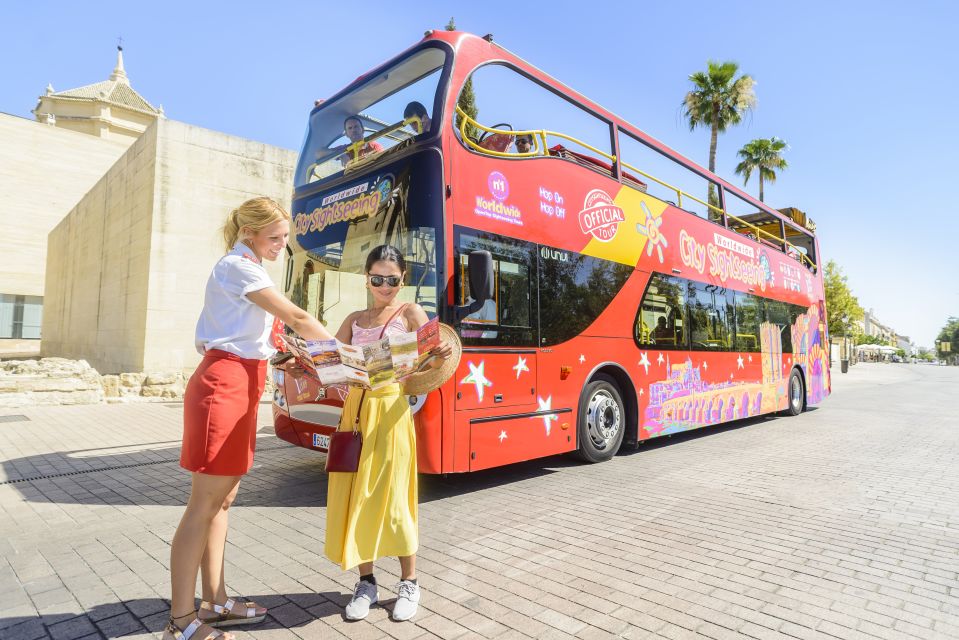
You’ll get two different ways through Córdoba.
Red Line: Panorámica Route (longer loop, main sights)
The Red Panorámica route runs about 70 minutes. First departure from Stop 1 is at 9:30am, last departure at 6pm, and buses run every 70 minutes (with an exception on Friday Feb 20, when buses run every 60 minutes).
This is your best choice if you want the bigger overview. You’ll see a lot of the city landmarks clustered around the historic center, including the areas tied to the Mezquita–Catedral and the river corridor. It’s also the route you’ll rely on most when you’re hopping between major points of interest.
Blue Line: Intima Route (minibus, shorter ride, tight lanes)
The Blue Intima route is about 30 minutes. Same daily window: 9:30am to 6pm, also with departures every 70 minutes.
This is the route I’d pick when you want to actually feel the city’s geometry instead of only seeing it from a bigger-road perspective. A minibus style route tends to help on narrower streets, and the experience is often more “street-level” for photos. One of the most practical perks here is simply seat time: you’re not spending it walking long distances between stops.
How I’d mix both in a single day
If you have one day, I’d use the Red route as your backbone, then switch to Blue when you want the short hops and closer-in streets. That mix is what turns the pass from a sightseeing bus into a flexible plan.
Timing your one-day pass: a smart way to avoid wasting daylight
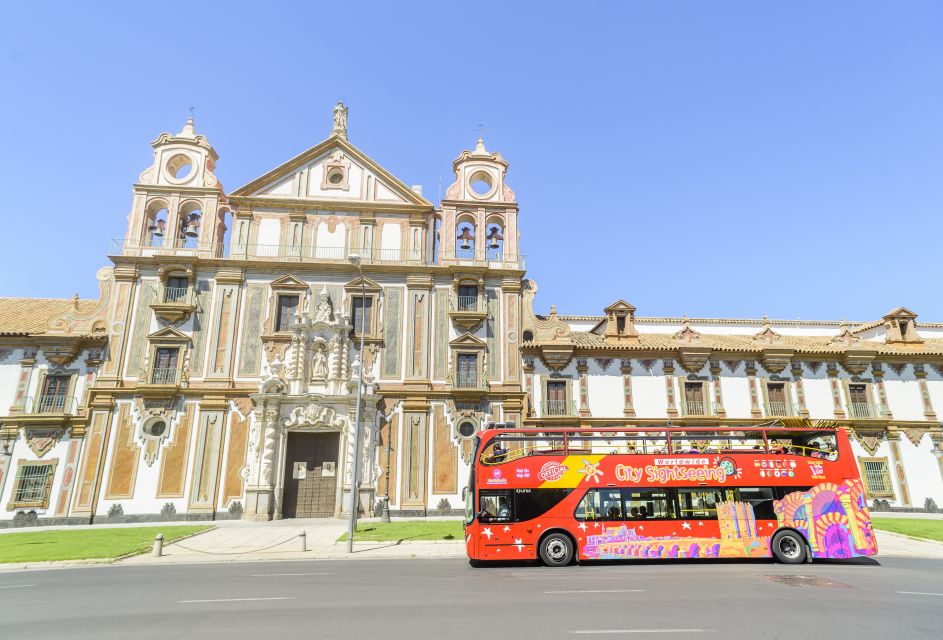
Your pass is valid for 24 hours, but you’ll still want a plan inside that time. The routes run only within the day window, with departures from Stop 1 starting at 9:30am and ending at 6pm.
The big advantage of hop-on hop-off isn’t speed. It’s control. You can do it like this:
- Start early with the route that best matches your first priority sight.
- Ride until you reach the “cluster” you care about most (for many people, that means the Mosque–Cathedral area).
- Hop off, tour on foot, and then re-board later when you’re ready to move again.
The Judería walking tour is a big deadline in the day: it starts at 6pm at Puente Romano (Stop 16 on the Panorámica route) and lasts 1 hour. If you want that extra walking piece, keep your last bus ride focused on getting you to Puente Romano with some cushion.
The stops that matter most (and what to look for once you get off)
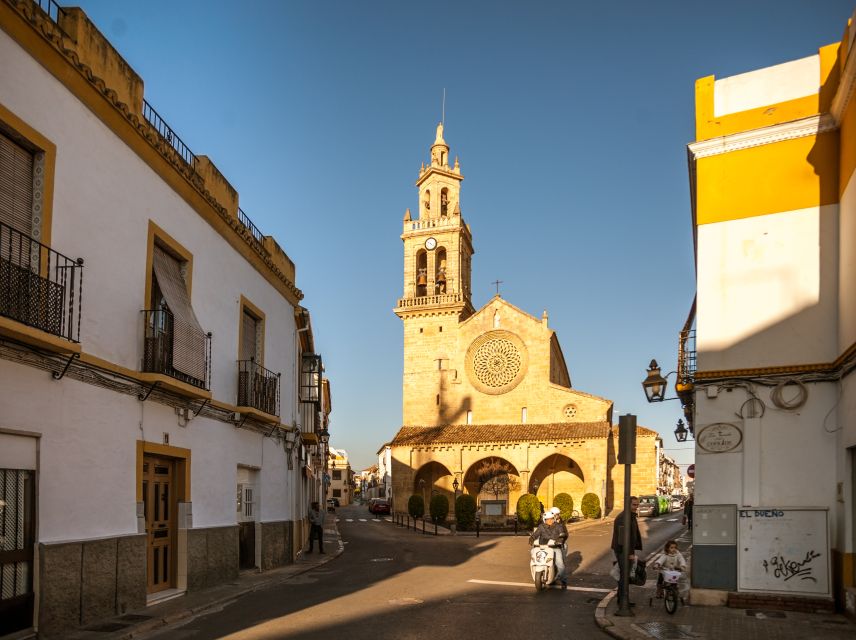
There are 27 stops across the day, with routes that pass by gates, towers, palaces, Roman landmarks, and river-side areas. You can treat this as a “choose your own history” menu.
Below are the stops and sight types I’d build around, based on what the route is specifically designed to show you.
City gates: Puerta de Almodóvar, Puerta de Sevilla, Puerta del Puente
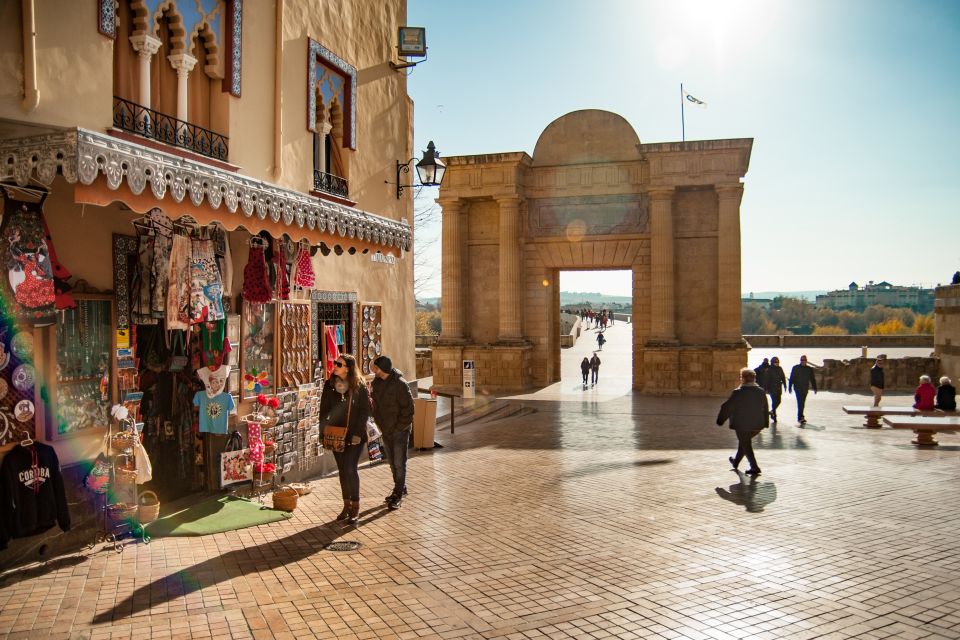
If you only remember one type of landmark, make it gates. The tour highlights several of Córdoba’s original gates, including Puerta de Almodóvar, Puerta de Sevilla, and Puerta del Puente.
Why gates are worth your time: they’re physical reminders that Córdoba has always been shaped by movement—trade, travel, defense, and city planning. They’re also easy to photograph because they frame views and street lines. If you like architecture that’s tied to real infrastructure (not just a pretty facade), you’ll enjoy this portion.
Tower names that feel like a map
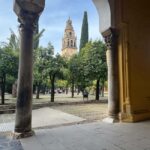
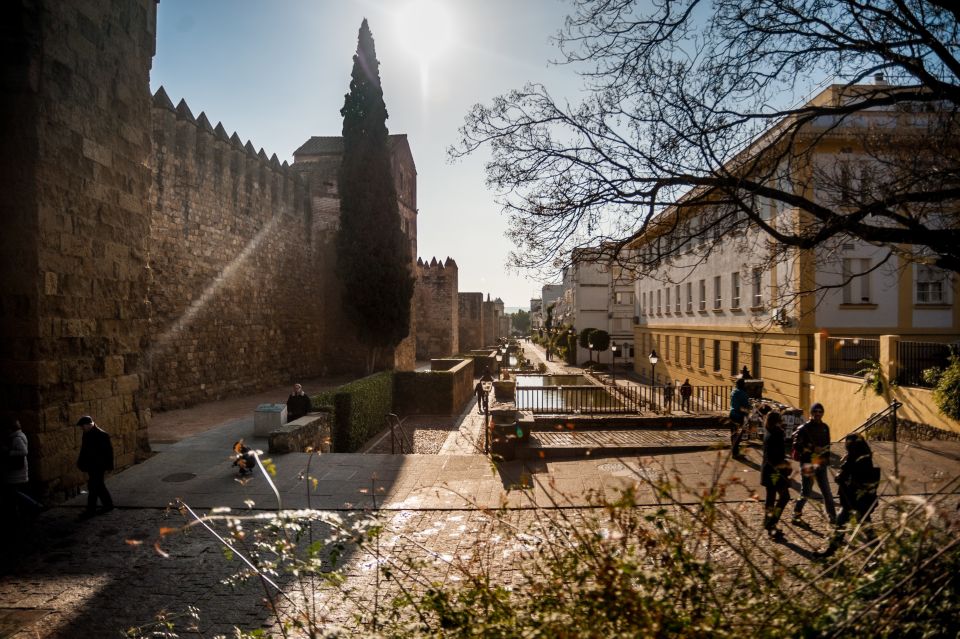
The tour calls out specific towers and fortifications you’ll spot around the old city fabric, including Malmuerta, Belén, Puerta del Rincón, Calahorra, and Donceles.
You may not visit every one inside (entry tickets aren’t included), but the benefit of the bus is orientation. Seeing these names in context helps you recognize them later when you’re walking or scanning the skyline from a courtyard.
Mezquita–Catedral area: learn the religious layers as you ride
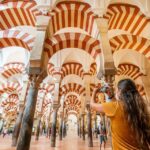
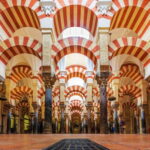
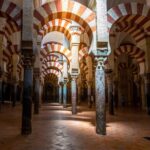
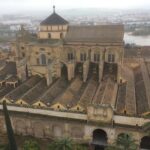
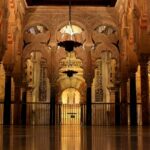
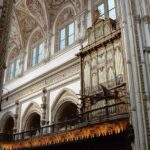
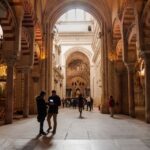
The Mosque–Cathedral of Córdoba is central to why people come here. The tour is built to help you understand the religious history as you move through the area. The pass includes stops near key sites tied to that story and provides audio narration intended to explain what you’re seeing.
Practical tip: don’t try to absorb everything from the bus. Let the audio give you the storyline, then hop off when you want to shift from explanation to your own quiet observations.
The Alcázar de los Reyes Cristianos and Torre de la Calahorra
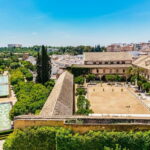
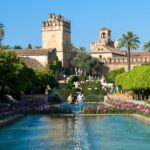
The pass is designed around famous landmarks you can jump between, including the Alcázar de los Reyes Cristianos and Torre de la Calahorra. It also includes a stop named Banos Califales – Alcazar, which is useful because you can pair a palace visit with another named historic area nearby.
Even if you’re not planning to enter every building, hopping off here helps because these sites act like anchors. You can plan your walking route around what you want to see inside, while using the bus to handle the long transfers.
Palaces: Palacio de Viana and Palacio de la Merced
Córdoba’s palaces can be some of the most satisfying stops because they connect art, family life, and architecture. The tour includes stops for Palacio de Viana and Palacio de la Merced (and the route also references Palacio de la Merced – Diputación).
If you like courtyards and quiet spaces more than big museum halls, these palaces are your sweet spot. You can hop off, spend your time in one place, and then use the bus to reset and move on without exhausting yourself in the heat.
Roman Córdoba: Templo Romano and Roman bridges/arches
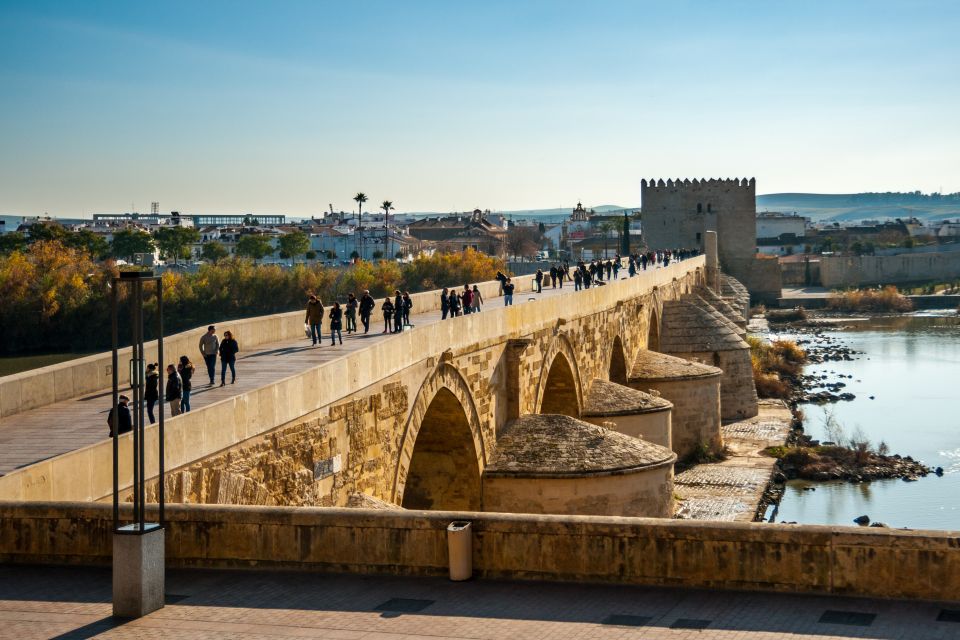
The tour includes stops tied to Roman-era structures, including Ayuntamiento – Templo Romano and Arco del Portillo, plus river landmarks like Puente Romano and Puente-area references (including the highlighted Puerta del Puente).
Why this is valuable: Córdoba is a city where eras overlap. If you want to understand how the old city layer-by-layer became the city you see today, Roman anchors are a helpful starting point.
Markets, plazas, and pause points: Mercado de la Victoria and Plaza de las Tendillas
Not every stop is designed only for monuments. The route also passes places that work well for breaks and people-watching, like Mercado de la Victoria and plazas such as Plaza de las Tendillas.
I like these stops because they give you a reason to step off without committing to a full attraction ticket. Walk, snack, and refill water, then re-board when you’re ready.
Parks and gardens: Jardin Botanico – Zoologico and city green breaks
Córdoba includes named garden and park areas on the routes, including Jardín Botánico – Zoológico and stops such as San Basilio and other neighborhood-style points. These work as cooling breaks if the sun gets intense.
Again, the value here is choice. If you find yourself tired, you can turn a sightseeing day into a more comfortable day without abandoning the plan.
Audio commentary: how to use it without getting lost
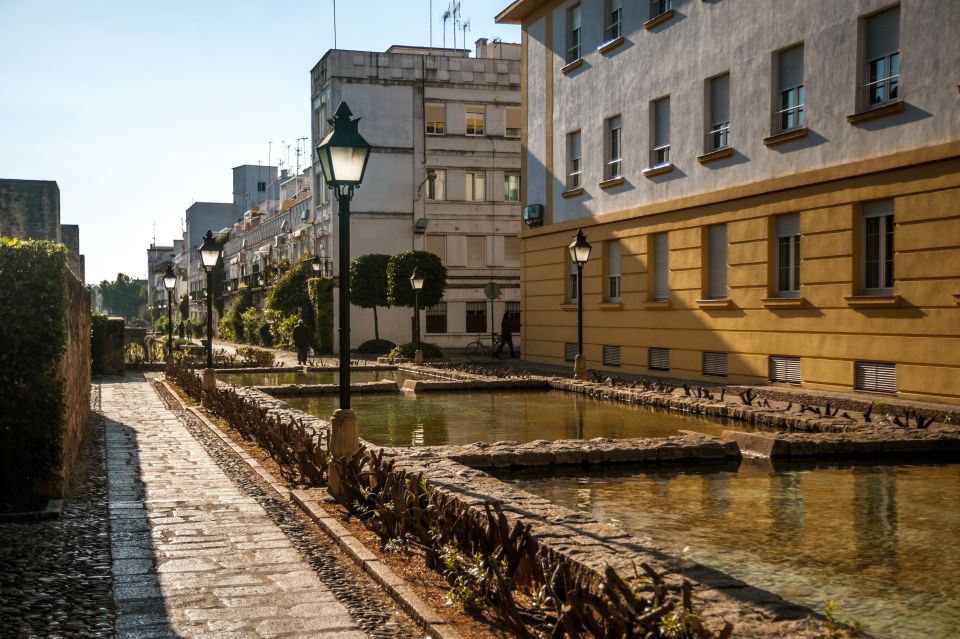
The tour includes audio commentary in Spanish, Chinese, English, French, German, Italian, Japanese, Arabic, Russian, plus kid audio in Spanish. You’ll also receive headphones.
Here’s how to get the most out of it:
- Listen during ride segments, not while you’re standing in the sun reading street names.
- Use the audio to decide which stops you’ll treat as “must-see” versus “quick photo.”
- Expect some timing mismatch between what you hear and what you see outside. If you wait for the audio to tell you, you can miss your moment.
One practical issue that matters: if your bus is double-decker, try to ride where sound is clear. Some people found the lower deck less reliable for audio, so choosing the top helps if you want consistent narration.
The 6pm Judería walking tour from Puente Romano
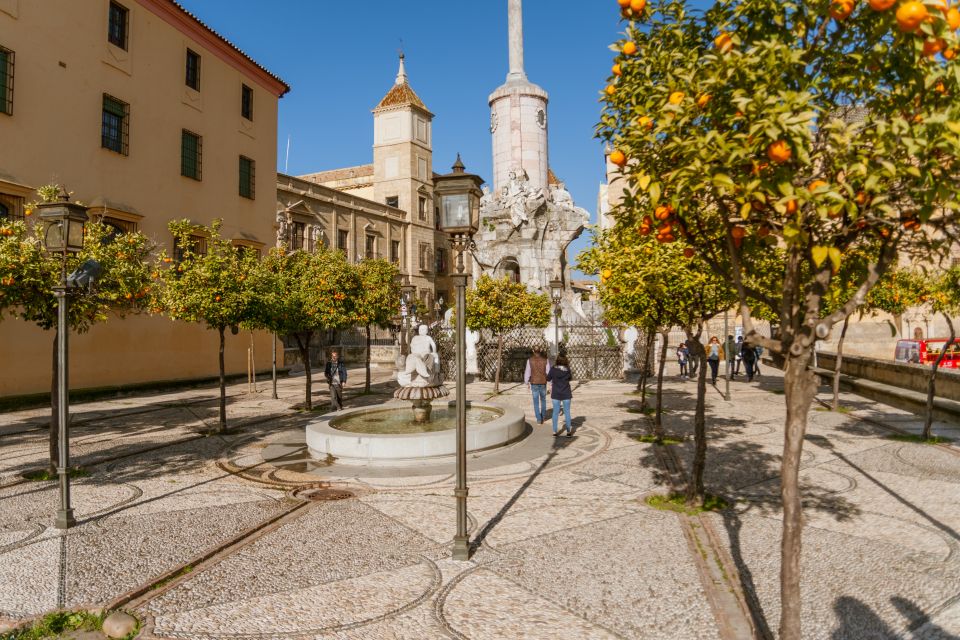
This is the part that gives the bus day a human scale.
The Judería walking tour starts at 6pm from Puente Romano (Stop 16 on the Panorámica route). It lasts 1 hour and runs in Spanish and English.
Why it’s worth planning for: the bus can show you where things are. A walking tour shows you how the place feels when you slow down—especially in the Judería area, where streets and corners shape your sense of Córdoba. If you love photo stops but also like context, build your last hour around this.
If you’re traveling with kids, the presence of a kid audio track on the buses can also make the day more manageable before you head into the evening walk.
Comfort, heat, and where to sit so you enjoy the ride
A hop-on hop-off bus day can feel long if you’re uncomfortable. A few practical choices can fix that:
- Plan to ride with shade in mind. Córdoba sun can be intense, and open-air upper decks mean strong light.
- If you’re sensitive to heat, consider using the minibus Blue Intima for shorter segments, then hop back to Red when you want the broader loop.
- Keep an eye on your headphones and audio pace. If audio feels delayed, treat it as a guide, not a perfect timing system.
Also note the essentials: the tour is wheelchair accessible, but pets aren’t allowed and smoking isn’t allowed on the buses.
Price and value: why $32 can work (and when it won’t)
At about $32 per person for a 1-day, 24-hour pass, you’re paying for three main things:
- Transportation with frequent re-boarding around the city
- Audio commentary in 10 languages with headphones
- Included extras like the Judería walking tour at 6pm
What’s not included: tickets to attractions. That matters for budgeting because entry fees can add up quickly if you plan to go inside several major sites.
So the value is best if you use the bus for what it’s good at: getting orientation, connecting multiple neighborhoods, and picking a few stops to tour deeply on foot. If your plan is to enter just one paid attraction, you might decide a different transport option makes more sense. But for a one-day visit where you want to see a lot without over-walking, this pass often pays for itself in time saved.
Who this bus tour suits best
This is a strong fit if:
- You have one day and want to cover many major sights
- You prefer building a flexible plan instead of a rigid guided day
- You like understanding the city through commentary before you explore on foot
- Your group includes different interests (palaces for one person, Roman-era stops for another, gardens for a break)
It’s less ideal if:
- You want to do only one monument and spend the rest of the day in deep, focused one-site time
- You’re sensitive to timing gaps and only want narration that perfectly matches each second outside the window
Should you book this Córdoba hop-on hop-off bus tour?
Yes—if you’re spending limited time in Córdoba and you want a practical way to connect the Mosque–Cathedral district with gates, towers, Roman landmarks, and palaces. The two-route setup is the real win: the Red Panorámica route helps you see the broad historic core, and the Blue Intima minibus helps you get through tighter streets without turning your day into one long walk.
I’d book it especially if you plan to catch the 6pm Judería walking tour. That evening hour adds the pacing you can’t get from riding past the streets.
If you already know exactly which one or two sites you’ll enter and you’re confident with the city on foot, you might not need a full 24-hour pass. But for most first-timers, this is the easiest way to get your bearings fast and make the day feel organized.
FAQ
How long are the Red and Blue routes?
The Red Panorámica route takes about 70 minutes, and the Blue Intima minibus route takes about 30 minutes.
What time do the buses run?
First departure is 9:30am and the last departure is 6pm. On Friday Feb 20, buses run every 60 minutes instead of every 70 minutes.
Are attraction entry tickets included?
No. The bus pass includes transport and audio, but tickets to attractions are not included.
Where does the Judería walking tour start?
It starts at 6pm from Puente Romano, Stop 16 on the Panorámica route, and lasts 1 hour.
What languages are available on the audio?
Audio commentary is available in Spanish, Chinese, English, French, German, Italian, Japanese, Arabic, and Russian. There is also kid audio in Spanish.
Is the tour wheelchair accessible, and are pets allowed?
The tour is wheelchair accessible. Pets aren’t allowed, and smoking isn’t allowed.