REVIEW · MADRID
Madrid: Museo Nacional Thyssen-Bornemisza Entry Ticket
Book on GetYourGuide →Operated by GetYourGuide Tours & Tickets GmbH · Bookable on GetYourGuide
Madrid’s art story starts fast. This ticket is a smart way to get into the Museo Nacional Thyssen-Bornemisza without fuss, and it covers major movements from Renaissance to late 20th-century art. I like that the experience gives you skip-the-ticket-line entry while still letting you choose your own pace through the permanent collection.
What I really enjoy is the range: you can move from artists like Caravaggio and Van Gogh toward heavyweight names such as Picasso, plus key rooms for Impressionism (Monet, Degas) and Expressionism (Kirchner, Kandinsky). The one thing to consider is that it’s a big museum with lots of walking, and if you’re not sure what you want to see, the layout can feel less organized by style than you’d hope.
In This Review
- Key Things I’d Book for
- Museo Thyssen-Bornemisza Ticket: What You’re Actually Buying
- Where It Is and How to Start Without Wasting Time
- Permanent Collection: Your Day’s Main Art Route
- Caravaggio to Picasso: The Big Name Strategy That Works
- Impressionism and Expressionism Rooms: Monet, Degas, Kirchner, Kandinsky
- Temporary Exhibitions With Time Slots: A Simple Way to Add Variety
- Pace, Seating, and the Reality of Lots of Walking
- Price and Value: Is $16 Worth It?
- Who This Works Best For (and Who Might Want a Different Plan)
- Pairing Thyssen With the Rest of Your Madrid Day
- If You Should Book This Ticket or Pass
- FAQ
- Where is the Museo Nacional Thyssen-Bornemisza meeting point?
- How long is the visit?
- What does the entry ticket include?
- Is a guided tour or audio guide included?
- Do temporary exhibitions require a time slot?
- Is the ticket refundable?
- Can kids and teens enter for free?
- Are pets allowed?
- Is permanent collection entry free on any days?
Key Things I’d Book for
- Skip-the-line entry so your day starts with art, not paperwork.
- A permanent collection that spans centuries, not a single school or era.
- Impressionism + Expressionism anchor rooms with recognizable names like Monet, Degas, Kirchner, and Kandinsky.
- Optional timed access to temporary exhibits, if you pick a ticket that includes them.
- Free permanent collection windows on certain days, if your schedule lines up.
Museo Thyssen-Bornemisza Ticket: What You’re Actually Buying
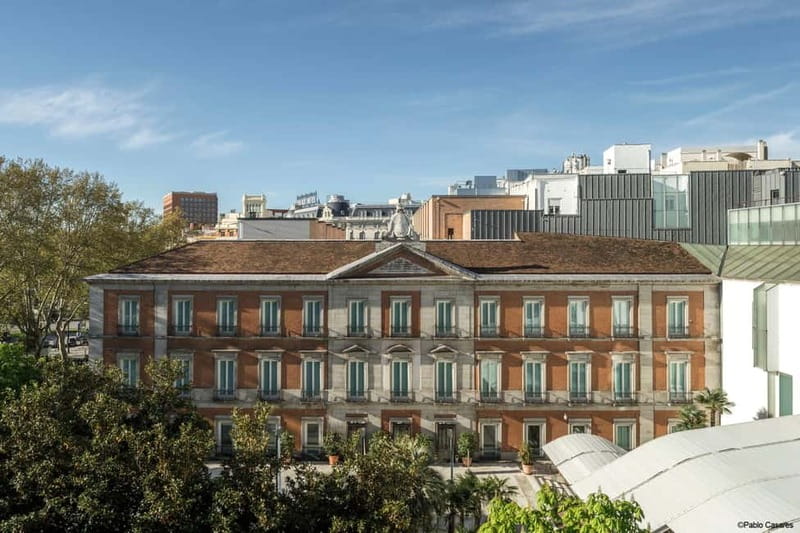
This experience is an entry ticket for the Museo Nacional Thyssen-Bornemisza in Madrid. The big value is simple: for one day, you get access to the permanent collection, and you may also get access to temporary exhibitions if you select that option.
Your ticket covers self-guided time in the museum, with no guided tour and no audio guide included. That matters because you’ll want to either enjoy browsing on your own, or plan your focus (a few artists or movements) so you don’t spend your energy wandering aimlessly.
The museum is wheelchair accessible, and you should know that pets aren’t allowed (assistance dogs are allowed). Also, this ticket is non-refundable, so it’s best for a visit you’re confident you’ll take.
A few more Madrid tours and experiences worth a look


Where It Is and How to Start Without Wasting Time
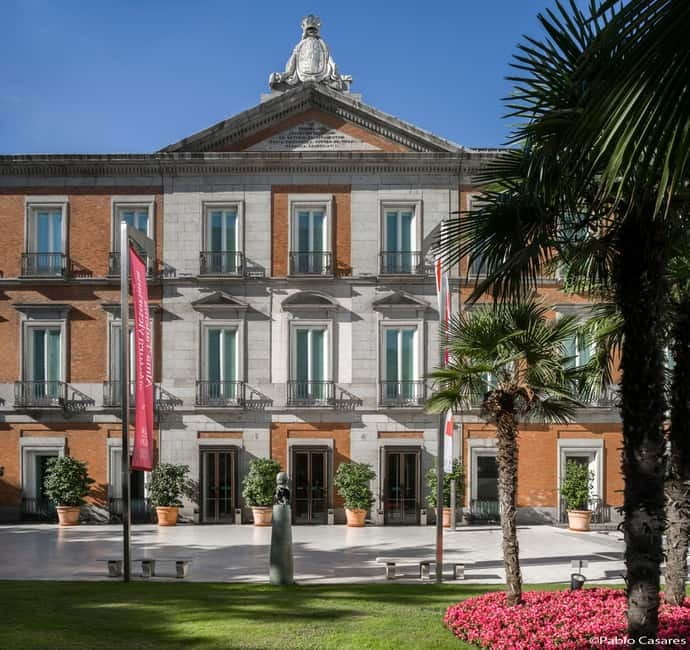
The meeting point is at Museo Nacional Thyssen-Bornemisza, Palacio de Villahermosa, Paseo del Prado 8. You’re in a prime Madrid location, close enough to other major sights that you can build a full culture day without shuffling across town.
One small detail that makes a difference: this ticket is designed to help you enter without going through the ticket office at your reserved time (for temporary exhibitions with time slots). Even for the permanent collection, skip-the-line entry reduces the “stand around” part of museum days.
If you’re visiting on a day where free entry applies to the permanent collection (more on that below), you might want to treat your paid ticket as optional—or at least double-check whether you’re paying when you could get in for free.
Permanent Collection: Your Day’s Main Art Route
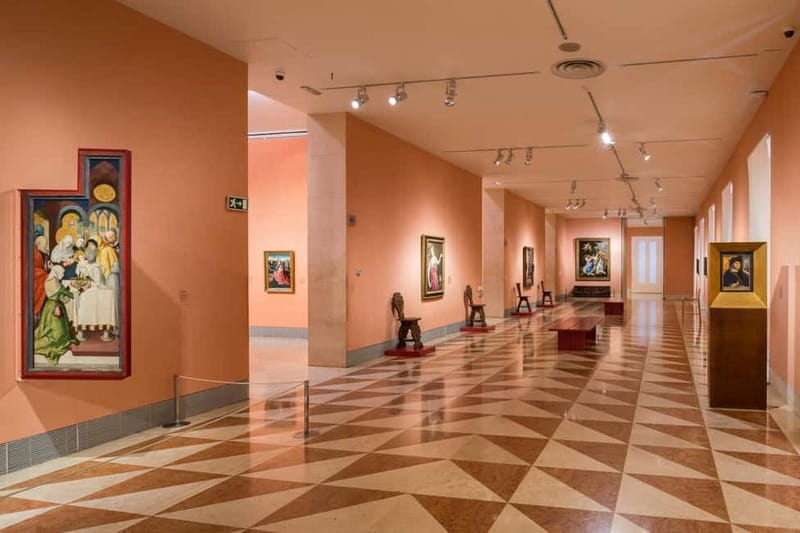
The permanent collection is where this ticket really earns its keep. The museum is known for showing a broad walk-through of Western art, moving from the Renaissance era up through later periods into the late 20th century.
In practical terms, you’re not just seeing famous names. You’re seeing how art changes—style, emotion, technique, and subject—over time. The way the collection is set up helps you notice contrasts: a shift from realism to mood, from classical composition to more modern ways of seeing, and from figurative scenes into styles that communicate feeling over literal detail.
I’d think about your visit like this:
- Spend early time on big “anchors” (artists you already know).
- Use the middle of your visit to connect eras (where the museum makes the artistic logic feel obvious).
- Save later time for what you like most, because that’s when you’ll linger.
Caravaggio to Picasso: The Big Name Strategy That Works
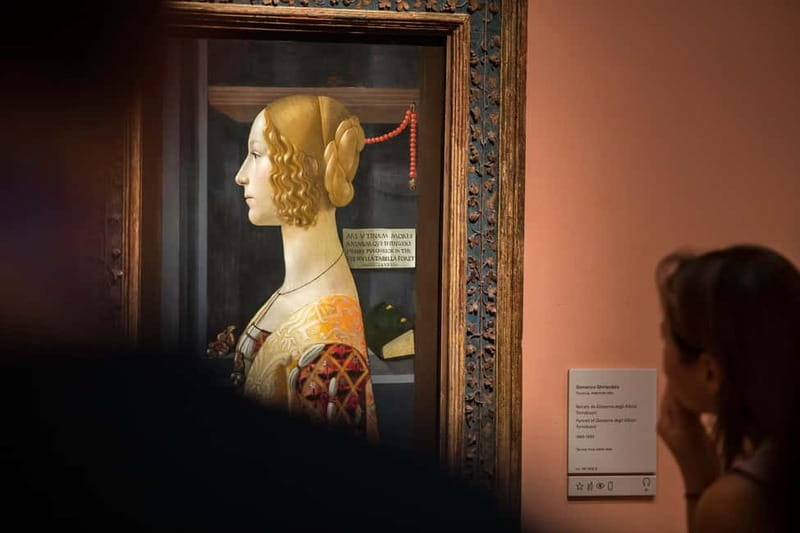
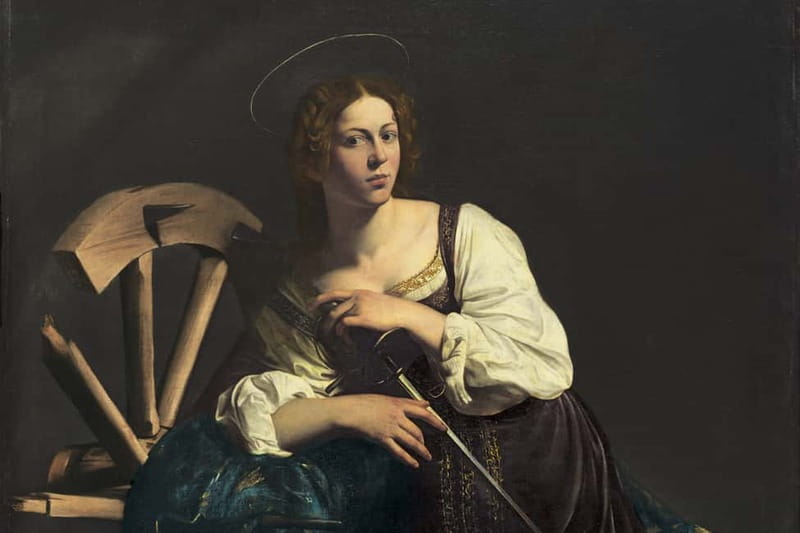
If you like art but don’t want to study every label, this is a good museum for a smart target list. The collection includes major artists such as Caravaggio, Van Gogh, and Picasso—names that instantly give you context.
Caravaggio is a great “first shock” kind of artist: you’ll typically notice dramatic subject treatment and strong attention to light and mood. Van Gogh is the next kind of pivot—more expressive color and personal intensity. Then Picasso pulls you toward modern art’s experimentation, where you may feel like the rules are changing right in front of you.
You don’t have to know art history to enjoy this. Your eyes can do the work. But if you show up with 3 to 5 names you care about, the collection becomes a conversation instead of a maze.
Impressionism and Expressionism Rooms: Monet, Degas, Kirchner, Kandinsky
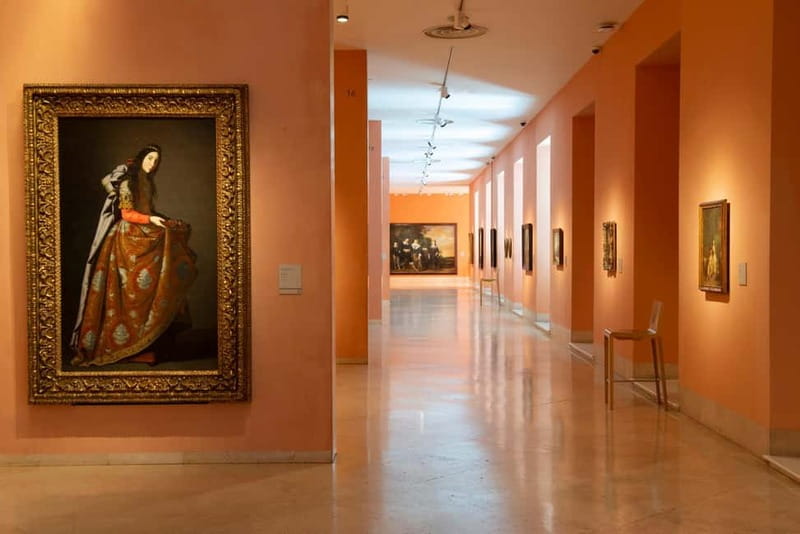
One of the strongest reasons to choose this museum ticket is the way it supports two major “moods” of painting: Impressionism and Expressionism.
Impressionism is where you can spend time noticing light, brushwork, and everyday subjects treated like something worth staring at. The museum highlights Monet and Degas, which is useful because both artists are famous enough that you can quickly tell whether their style hits your taste.
Expressionism is a different emotional dial. With Kirchner and Kandinsky, you’re more likely to feel the push-and-pull of intense color, shape, and atmosphere. It’s a good pairing after Impressionism because it shows a shift: from capturing a moment to exaggerating a feeling.
If you want the best experience, I’d time your day so you don’t exhaust yourself before you reach the Expressionism rooms. Big museums can tire you out, and Expressionism tends to reward your attention when you’re still fresh.




Temporary Exhibitions With Time Slots: A Simple Way to Add Variety
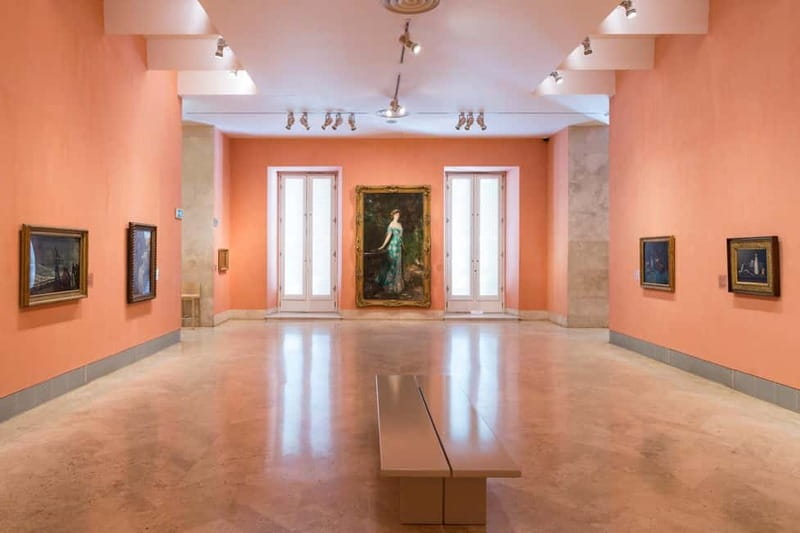
Temporary exhibitions are included only if you choose the option that includes them. Access uses specific time slots, and you enter at the reserved time without going through the ticket office.
This is where your planning matters. A time-slot exhibit can either be the highlight of your day—or a stressful add-on if you arrive late or move too slowly in the permanent collection.
My advice: if you’re adding a temporary exhibition, decide in advance which part is the priority. If the temporary show is the reason you booked, keep the permanent collection “anchor-based” and don’t try to see everything.
Pace, Seating, and the Reality of Lots of Walking
This museum is large, and you should expect a lot of walking. That’s normal for a major art collection, but it’s a big practical consideration if your feet need breaks.
One limitation to keep in mind is that seating can feel limited. If you tend to recharge by sitting and reading labels, plan shorter viewing sessions and build in rest stops as you go.
Also, organization can be less intuitive than you might want. If you’re not an art expert and you like works grouped neatly by genre or artist, you may feel like the collection doesn’t always follow the organizing principle you expected. That’s not necessarily bad—it can even be interesting—but it does mean you should arrive with a plan.
A simple fix: pick a few artists (like Caravaggio, Van Gogh, Monet, Degas, Kirchner, Kandinsky, Picasso) and let everything else support those stops.
Price and Value: Is $16 Worth It?
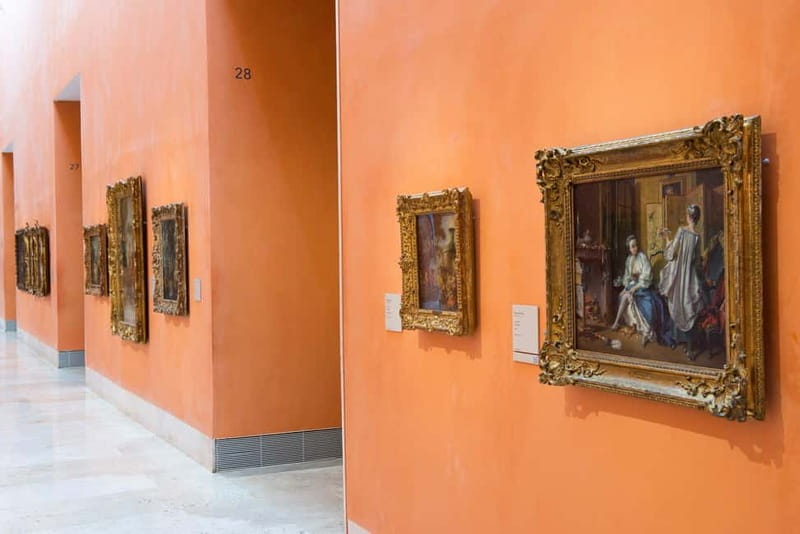
At $16 per person, this ticket sits in the “reasonable, if you use it well” category. The value depends on what you do with the time.
If you use the day to see the permanent collection and any optional temporary exhibit you selected, you get a lot of art coverage for a single admission price. If you walk through only a couple of rooms, then you’ll feel the cost more.
There’s also some savings potential that can beat the headline price:
- Adults over 65 and students can get a reduced fare when buying directly at the museum. That reduced ticket is only valid with proper ID, and you’ll stand in line to buy.
- Children and people under 18 can enter for free.
- Permanent collection entrance is free on Mondays from 12 PM to 4 PM.
- Permanent collection entrance is free on Saturdays from 9 PM to 11 PM.
So if you can visit during those windows, you might not need to pay the full price for permanent access. If you can’t, the ticket still makes sense because it’s built around self-guided time across major art periods.
Who This Works Best For (and Who Might Want a Different Plan)
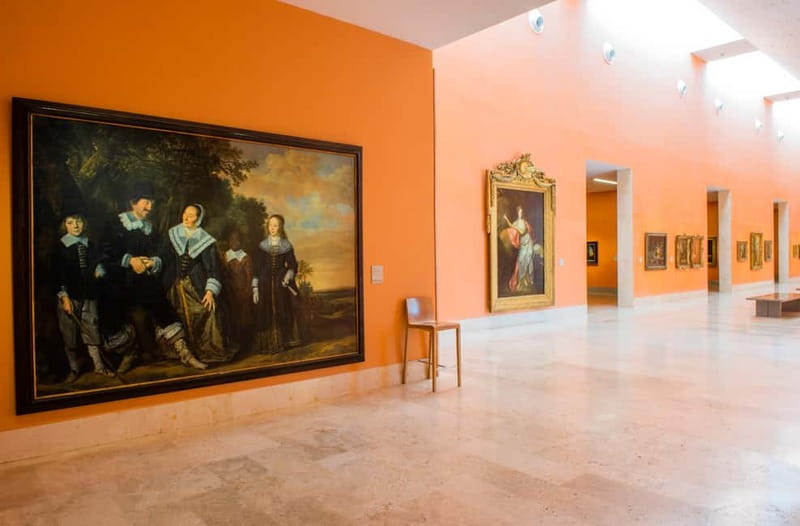
This ticket is a great fit if you:
- Want one solid museum in Madrid that covers multiple eras (Renaissance through late 20th century).
- Like big art names and want to experience how different movements feel side by side.
- Prefer exploring on your own instead of doing a structured tour.
It’s less ideal if you:
- Need lots of seating and a slow, label-heavy pace.
- Want the museum to group everything by one simple rule (like every artist together).
- Want interpretation from a guide or audio commentary—because those aren’t included.
If you’re the type who wants guidance, one guide name that pops up in feedback is Aurora, described as highly competent. If you’re considering any guided option in your broader planning, that kind of detail can help you choose the right format.
Pairing Thyssen With the Rest of Your Madrid Day
The museum is located near Madrid’s other major attractions, which makes it easy to combine culture without doubling your travel time. A smart approach is to pick one “anchor” museum and one “lighter” stop.
Because the Thyssen’s collection naturally covers many styles, it pairs well with another museum that gives you a different angle—so you can compare how Spanish museum spaces tell art stories. The Prado and Reina Sofía are the obvious neighbors on the cultural map, but even if you don’t lock in specific pairings, the location makes the day flow easier.
If You Should Book This Ticket or Pass
Book this ticket if you want value, you’re comfortable exploring at your own pace, and you care about seeing major art movements in one day. The $16 price is easier to justify when you take advantage of the range—from Caravaggio and Van Gogh to Monet, Degas, Kirchner, Kandinsky, and Picasso.
Pass or reconsider if any of these are your top priorities: you want a guided explanation, you rely heavily on seating breaks, or you’re strongly sensitive to museums that feel like they require more walking than you planned.
FAQ
Where is the Museo Nacional Thyssen-Bornemisza meeting point?
The meeting point is at Museo Nacional Thyssen-Bornemisza, Palacio de Villahermosa, Paseo del Prado 8.
How long is the visit?
The ticket is valid for 1 day.
What does the entry ticket include?
It includes entry ticket access to the permanent collection, and access to temporary exhibitions if you selected that option.
Is a guided tour or audio guide included?
No. A guided tour and an audio guide are not included.
Do temporary exhibitions require a time slot?
Yes. Temporary exhibition access is provided by tickets with specific time slots, and you can enter at the reserved time without going through the ticket office.
Is the ticket refundable?
No. The activity is non-refundable.
Can kids and teens enter for free?
Yes. Children and people under 18 can enter for free.
Are pets allowed?
Pets are not allowed. Assistance dogs are allowed.
Is permanent collection entry free on any days?
Yes. Permanent collection entrance is free on Mondays from 12 PM to 4 PM, and on Saturdays from 9 PM to 11 PM.