REVIEW · MADRID
Madrid: Nomad Immersive Museum – De Monet a Kandisky
Book on GetYourGuide →Operated by Nomad Museo Inmersivo · Bookable on GetYourGuide
A light sequence, then art that moves around you. That’s the core idea behind Madrid’s Nomad Immersive Museum, a ticketed, one-day experience that strings together major movements from Impressionism to Expressionism through HD projections, digital animation, and sound. I like that you get playful, interactive stops like VR glasses and a photo moment with your iris, not just sitting and watching. My only caution: the show can feel underwhelming if you expect lots of specific Monet works, or if you aren’t ready for a quieter, more focused flow.
At $22 per person, this is priced like a “one-and-done” art experience. You’re paying for the tech and the pacing, not for a classic museum gallery crawl. If you want a slow stroll through paintings at your own speed, this probably won’t scratch that itch.
In This Review
- Key highlights worth your attention
- First Look at Nomad Museo Inmersivo (and how to find it fast)
- From Monet to Kandinsky: why the 40-minute show feels different than a gallery
- VR glasses, the infinite corridor, and other perception-benders
- The rest of the sequence: light passage, main show, then hands-on art
- Where the value really comes from (and where it can fall short)
- Tips to make it land better: silence, screen etiquette, and timing
- Who should book Nomad Immersive Museum in Madrid
- Should you book it? A clear decision guide
- FAQ
- FAQ
- How long is the Nomad Immersive Museum experience in Madrid?
- Where do I check in?
- How much does it cost?
- Is transportation included?
- What languages are available?
- Is it wheelchair accessible?
Key highlights worth your attention
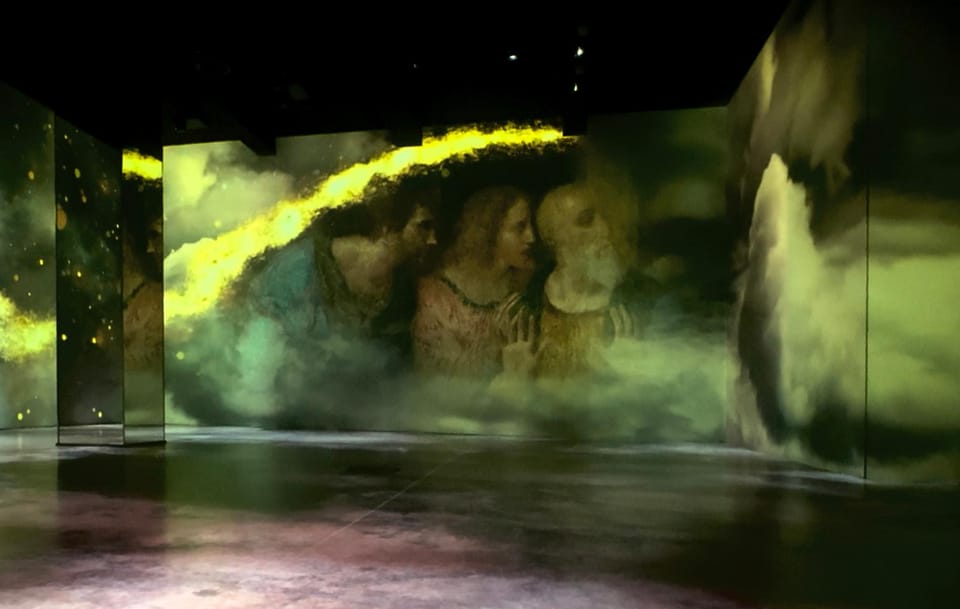
- A 40-minute projection show where paintings pulse and expand to the music
- Virtual reality glasses that add a game-like layer to the art history
- The infinite corridor moment, built to challenge how you judge depth and reality
- An iris photo activity, letting you turn your face into part of the experience
- Big, hands-on brush play, including a winter wonder scenery painting activity
- Expect a quieter vibe so the sound design and visuals land well
First Look at Nomad Museo Inmersivo (and how to find it fast)
The museum is easy to approach: when you arrive, you’ll show your ticket at the reception desk for Nomad Museo Inmersivo in Madrid. From there, you move into the experience itself. Plan on arriving a few minutes early so you’re not rushed when your time slot begins.
The basics matter here because the whole setup runs like a sequence. This is not a “wander until you feel like it” kind of visit. It’s also not designed like a typical exhibit with individual labels and long reading time. You’ll get the art story through visuals, sound, and timed activities.
Two practical notes from how people describe the flow:
- There’s a brief lights/intro passage before the main projection segment.
- Later, the experience shifts into hands-on activities, which can help if you like doing as well as watching.
If you’re sensitive to noise or you prefer a calm environment, this is one of those experiences where you’ll get more out of it when you keep voices low.
You can also read our reviews of more museum experiences in Madrid
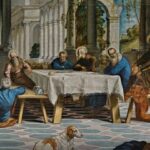
From Monet to Kandinsky: why the 40-minute show feels different than a gallery

The heart of the visit is a 40-minute journey through art changes that shaped the late 1800s and early 1900s. You’ll move across big styles like Impressionism, Pointillism, Post-Impressionism, Cubism, and Expressionism. The museum also names artists tied to that evolution, including Monet, Gauguin, Van Gogh, Munch, Gris, Delaunay, Klee, and Kandinsky.
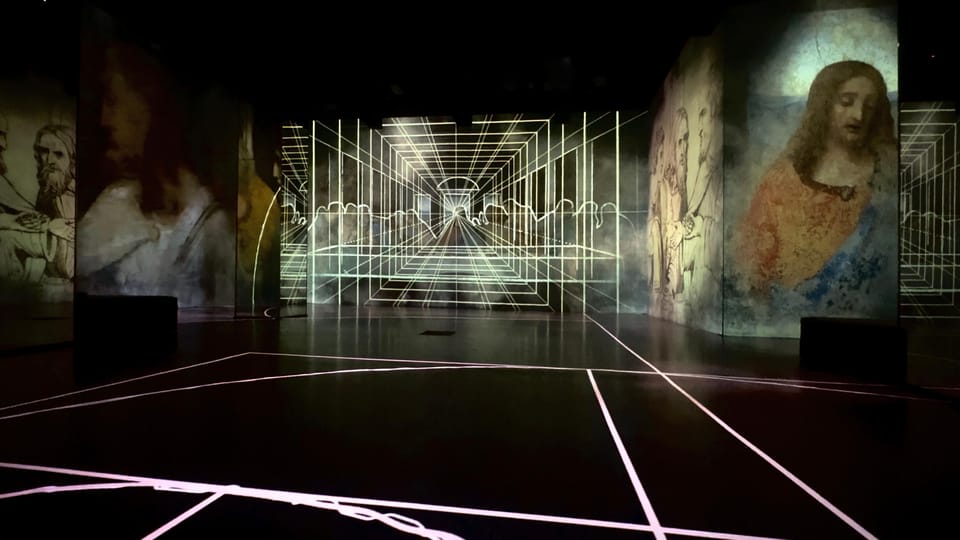
Here’s what makes this approach valuable: it uses motion to show how painters changed their goals. In a traditional museum, you mostly process paintings as still objects. In this format, HD projections and digital animation let you feel the “before and after” of how artists represented the world.
During the show, the effect is described like this: the works move, breathe, and surround you. Projections merge, glow, expand, and pulse to the rhythm of the music. That matters because it mirrors what these movements were reacting to in their own time. Impressionists chased light and fleeting moments. Post-Impressionists tightened form and emotion. Cubists fractured space. Expressionists leaned into inner feeling rather than realistic depiction.
So if your learning style is visual and emotional, the show can click quickly. You’re not reading walls of text. You’re watching the story of abstraction and perception change in real time.
And yes, it can also disappoint if you came hoping for a deep dive into specific masterpieces for long stretches. One common frustration is that the projections may not give you the specific Monet segment you hoped for, even though the broader timeline is the point.
VR glasses, the infinite corridor, and other perception-benders
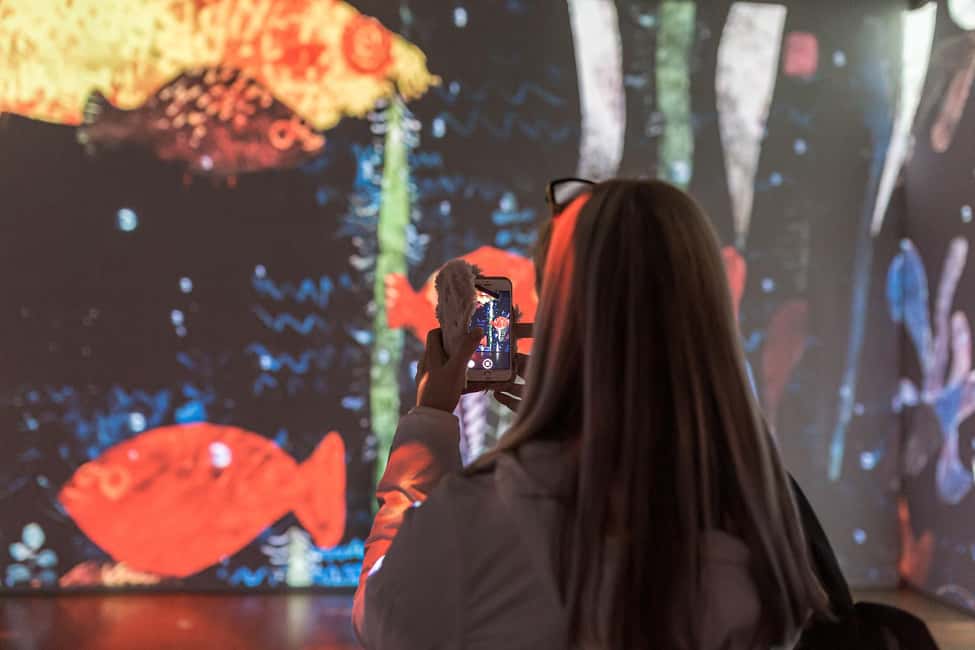
The museum uses technology to push you from “viewer” into “participant.” Three of the most concrete interactive pieces are:
1) Virtual reality glasses
You’ll put on VR glasses as part of the experience, designed to build new ways of seeing what’s playing around you. This is one of the big differentiators versus a standard audio-visual presentation. It also makes the visit feel more like a guided experience than a passive show.
2) The infinite corridor
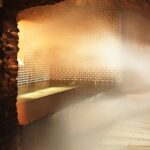
This is meant to challenge perception of space and reality. Think: a forced visual environment where distance, depth, and perspective can feel unstable. If you enjoy optical illusions or “how is this possible?” moments, you’re likely to remember this more than any single painting.
3) The iris photograph
You’ll take a photograph focused on your iris, then use it as part of the museum’s artwork or presentation. It’s a personal touch that makes the experience feel less generic. If you like having a tangible keepsake or an image you can reference later, this is the most “you were really here” activity.
One caution: these parts reward attention. If you rush through them or you’re distracted, you can miss the point. Also, the environment can be sensitive to movement and personal space because parts of the show are built around projection areas.
The rest of the sequence: light passage, main show, then hands-on art
The pacing matters a lot in how satisfying the experience feels. A typical flow described for the event goes like this:
- a brief lights sequence at the start,
- then a main display that lasts around 40 minutes,
- followed by activities that can include coloring and paint-play.
That structure is smart for a broad audience. It keeps the story moving, then offers a release into creativity. And for families or people who like interactive stations, the final hands-on stretch can be the highlight.
The hands-on options include:
- giant brushes where you help paint a winter wonder scenery,
- plus additional playful art activity time (like coloring).
What you should take from this: the museum isn’t trying to replace museum scholarship. It’s aiming for a mood shift and a sensory storyline. If you expect a museum with lots of quiet looking, you might feel shorted. If you expect performance and interaction, you’ll probably enjoy the rhythm.
Where the value really comes from (and where it can fall short)
At $22 per person for a one-day ticket, the value depends on what you want from “art” while traveling.
Why it can feel like good value:
- You get a full 40-minute multimedia show, not just a short clip.
- You’re not limited to one format. You’ll see projections, experience sound design, and use tech like VR glasses.
- You get at least one personal interactive moment (the iris photo), plus a physical art activity with big brushes.
Why it may feel weak for some people:
- If your dream is to see many specific works (or lots of Monet-focused content) for long segments, you might want a traditional museum route instead.
- Some visitors describe the feeling of a video-like presentation rather than a museum experience. That doesn’t mean it’s bad. It means it’s designed differently than classic art viewing.
My practical advice: treat this as an art-and-tech show with an art-historical storyline. If that matches your style, it’s a fun use of time in Madrid. If you want galleries and close viewing, plan a separate museum day.





Tips to make it land better: silence, screen etiquette, and timing
This kind of immersive projection setup doesn’t work like a normal gallery. You’ll likely have a better time if you do three things:
1) Keep your voice down
The sound design is part of the product. If there’s a section where attention is needed, it matters. One complaint is that voices from the public can pull you out of the experience. If you can, keep conversation low.
2) Don’t block projection areas
There’s specific mention that passing in front of the screen can be distracting. If you’re in a space where the visuals are built for your viewpoint, stay clear of the projection beam and follow staff guidance about where to stand.
3) Go when you can focus
This is not a “scroll phone the whole time” experience. The museum is asking for your attention during the main projection segment, and it’s noticeably better when you give it that.
For timing, remember you’ll need to check availability for starting times. Choose a slot that fits your day so you’re not rushing afterward.
Who should book Nomad Immersive Museum in Madrid
This is a strong fit if you:
- enjoy technology-based art experiences,
- want a fun but structured way to learn about major styles like Impressionism through Expressionism,
- like interactive photo moments and hands-on activities,
- are traveling with kids or someone who learns better by doing than reading.
It might not be the best fit if you:
- want a classic museum format with long close-up viewing of paintings,
- are obsessed with one artist and want a deep, lengthy focus,
- struggle with environments where quiet attention improves the show.
If you’re the “I want one memorable thing, then I’m off to explore streets” type, this can be a satisfying pick because it’s a single-day, single-ticket experience.
Should you book it? A clear decision guide

Book it if you like art that moves, sound that shapes the mood, and you’re open to a guided sequence rather than free-roaming galleries. The mix of VR glasses, the infinite corridor perception moment, and the iris photograph gives it enough variety that you shouldn’t feel like you paid only for one segment.
Skip it (or pair it differently) if your main goal is Monet in depth. The experience is built around a broader evolution of styles, and at least some people feel the projections don’t fully match their specific expectations. If you’re that kind of art lover, plan a dedicated time at a traditional museum and use this as a lighter supplement instead of your only art stop.
FAQ
FAQ
How long is the Nomad Immersive Museum experience in Madrid?
The experience is listed as 1 day. The main projection display is described as lasting 40 minutes.
Where do I check in?
Show your ticket at the reception for Nomad Museo Inmersivo in Madrid.
How much does it cost?
The price is listed as $22 per person.
Is transportation included?
No. Transportation is not included.
What languages are available?
The host or greeter is listed as Spanish and English, and the languages are also listed as Spanish and English.
Is it wheelchair accessible?
Yes, the activity is listed as wheelchair accessible.
If you tell me your travel month and whether you’re going solo or with kids, I can help you choose the best time slot and suggest a smart pairing with a nearby classic museum day.