REVIEW · MADRID
Madrid: Royal Collections Gallery Entry Ticket
Book on GetYourGuide →Operated by GetYourGuide Tours & Tickets GmbH · Bookable on GetYourGuide
Art, monarchs, and a 360° cube. It’s a lot in the best way, because the Royal Collections Gallery blends a 650-piece collection across five centuries with major names like Velázquez and Goya. You’ll also work your way through ramp videos and end in the 360° projection cube. The one catch: an audioguide isn’t included, so you’ll want to read labels or rent audio on-site.
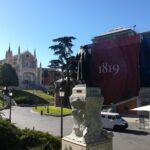
This museum sits right next to the Royal Palace of Madrid, and the flow is designed to make you understand the story of Spanish monarchy step by step. You start at the top floor and go down on ramps with short context videos, then move through temporary exhibitions at the end. Along the route, the museum uses models and media to explain how landmark royal sites such as El Escorial and La Granja were built.
In This Review
- Key things I’d plan around
- Royal Collections Gallery: what you actually see in five centuries
- Where the experience starts: the top floor and the ramp system
- Art highlights: Velázquez, Goya, and the royal taste behind them
- The monument-building part: models and videos that explain El Escorial and La Granja
- The 360° projection cube: seeing royal sites in surround
- Temporary exhibitions: finishing with something changeable
- Price and value: is $21 worth it for one day?
- Timing and practical logistics for a smooth museum day
- Getting there: easy public transport from central Madrid
- Who should book this ticket (and who might not)
- Should you book this Royal Collections Gallery ticket?
- FAQ
- What is the Royal Collections Gallery ticket price and duration?
- Where is the Royal Collections Gallery located?
- Does the ticket include an audioguide?
- Can I skip the ticket line?
- What are the opening hours?
- When is the last entry time?
- Are large bags or luggage allowed?
- What items should I bring, and are there photography rules?
- FAQ (Refund and eligibility)
- Is the ticket refundable if I change plans?
- Are there any rules for children?
Key things I’d plan around
- Skip-the-line entry helps you spend more time inside and less time waiting
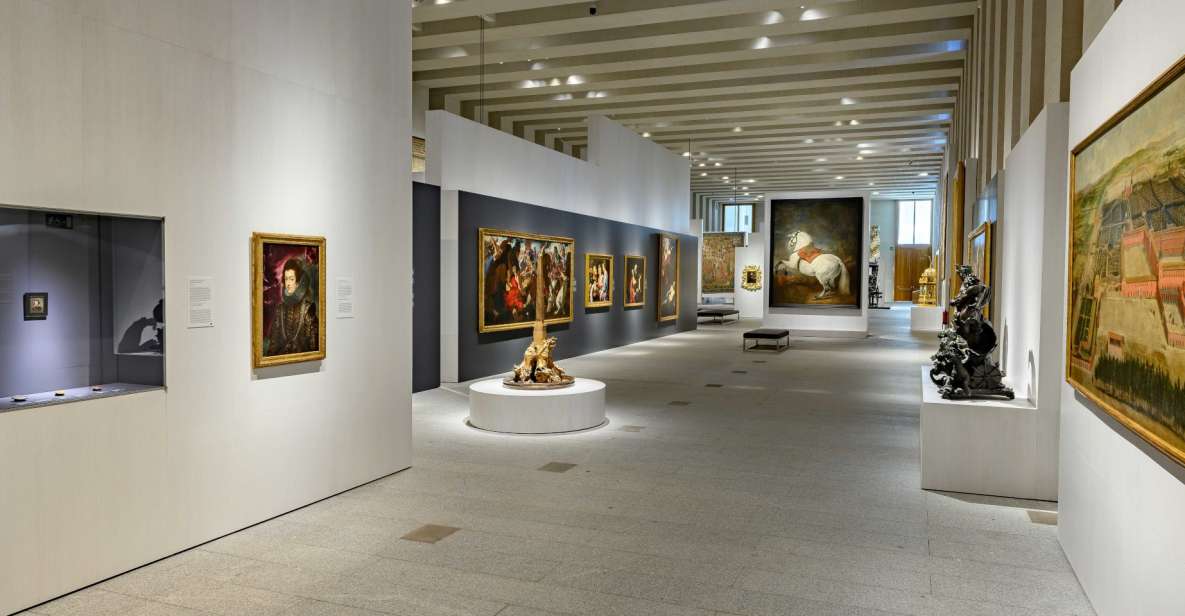
- 650 works across five centuries with art plus decorative and everyday royal objects
- Famous artists you’ll recognize including Velázquez, Goya, Caravaggio, Titian, Bosch, El Greco, and Luisa Roldán
- Monument-building explanations using videos and models for El Escorial and La Granja
- A 360° projection cube that shows royal architecture and nature in full surround
- Temporary exhibition gallery at the end so you finish with something fresh rather than the same loop
Royal Collections Gallery: what you actually see in five centuries
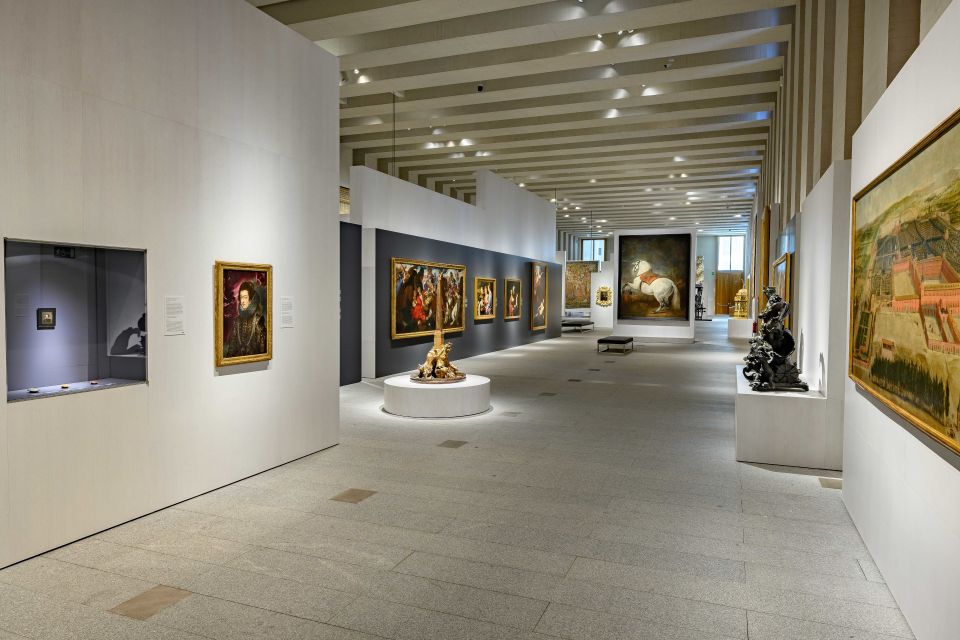
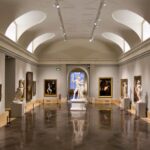
The Royal Collections Gallery is one of those Madrid stops that feels like it was designed for people who like art but also like context. Instead of only showing objects, it frames them as part of Spanish royal life across centuries—who ruled, how power showed up in art, and how major buildings came to exist.
What I like most is the mix of categories. You’re not just staring at paintings. You’ll see sculptures, decorative arts, furniture, and other pieces that help you picture how a royal environment worked. That broader view makes the collection feel more “used to tell a story” and less like a warehouse of famous names.
The other big win is the lineup of artists. Expect to run into heavy hitters such as Velázquez and Goya, plus works tied to Caravaggio, Titian, Bosch, El Greco, and Luisa Roldán. Even if you only know the big names, the museum keeps moving so you don’t get stuck in one mood too long.
And yes, the museum is clearly aimed at helping you understand monarchy through material culture. If you like the idea of art as documentation of power, this is a strong fit.
A few more Madrid tours and experiences worth a look


Where the experience starts: the top floor and the ramp system
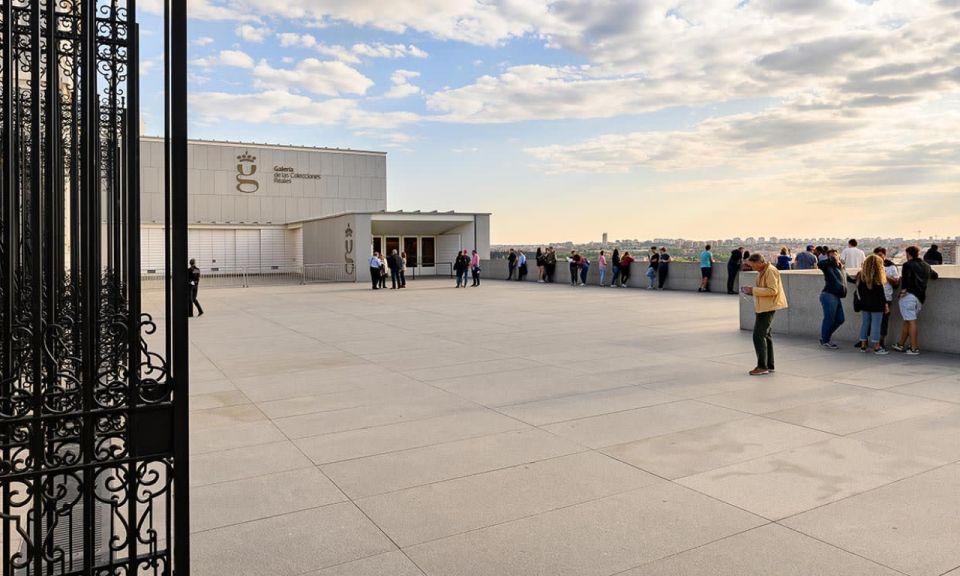
Your ticket is valid for a single day, but the museum’s real design is about the order you experience it. You begin on the top floor and then move downward following ramps, where different levels are supported by short videos. It’s a “follow-the-story” layout, not a random wander.
That matters because the information doesn’t hit all at once. You gradually pick up context—who the monarchs were, how tastes shifted, and why certain buildings mattered—so the later rooms make more sense. If you usually get overwhelmed in big museums, this routing can make the whole visit feel more manageable.
You’ll also want to watch your pace. The ramps are part of the show, so rushing tends to reduce the value. Still, you’re not stuck in a timed group. You can slow down for the works that catch your eye and keep walking when you want to move on.
If you’re the type who hates “video-led” museums, you’ll still likely enjoy it, because the videos are meant to connect the art to the architecture and the royal sites. It’s not just background noise.
Art highlights: Velázquez, Goya, and the royal taste behind them
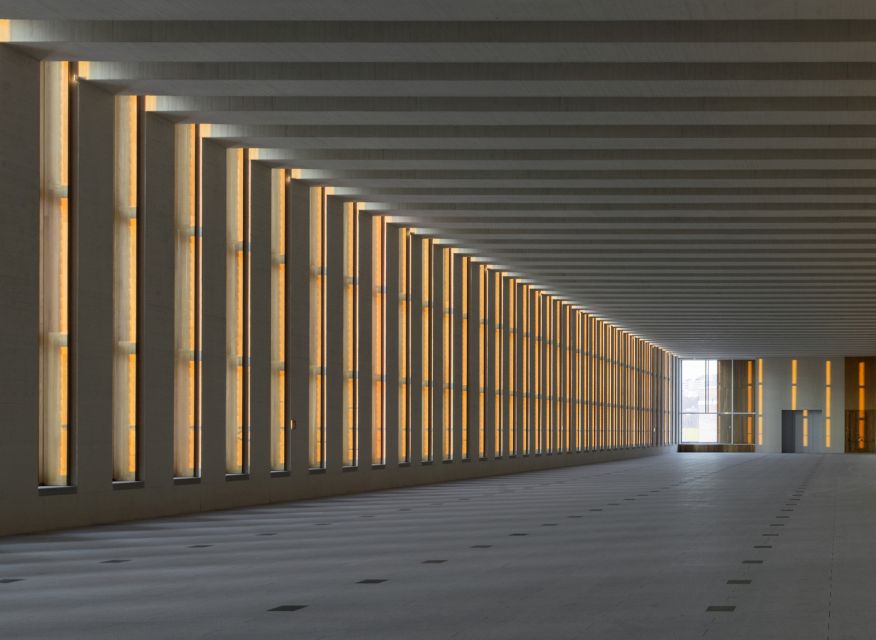
Even if you don’t try to memorize artists, you’ll feel the weight of the names. Velázquez and Goya anchor the experience, and you’ll see other major figures that help fill out the picture of Spanish royal collecting and taste.
A smart way to approach this collection is to look for patterns instead of isolated masterpieces. For example, notice how styles and subjects change across the five-century sweep. When the museum adds context about monarchs and the royal world, the art tends to read less like a “random hit list” and more like a timeline.
The collection is also varied enough that you don’t have to like every category to still get something out of the visit. Paintings are only part of it. Sculptures and decorative arts show another side of royal life—how objects were made to impress, to function, and to represent status.
If you enjoy comparing different artists’ approaches, this is a good museum day. You’ll be moving between works and techniques, which keeps your eyes engaged. It’s also an easy museum to pair with an exterior Royal Palace visit, because the themes carry over into what you see outside.
The monument-building part: models and videos that explain El Escorial and La Granja
One of the most useful features here is the museum’s focus on how major royal monuments were built. Instead of treating famous sites like finished myths, you get the process explained through videos, models, and didactic resources.
Two named examples you’ll see emphasized are the Monastery of El Escorial and the Palace of La Granja. The value is that you get to connect architecture to the political and artistic ambition behind it. You’re not just hearing that these places matter—you’re shown how complex construction required planning, design choices, and royal direction.
This is the section I’d recommend most for non-art specialists. If you’re coming to Madrid and worry you’ll only get “museum viewing,” this part gives you something more practical and brain-friendly. You leave with a clearer sense of what makes these sites impressive beyond their size.
You’ll likely spend time looking closely at models and media because they help you form a mental picture. If you like to understand structures, not just admire them, this museum section earns its place in your itinerary.
The 360° projection cube: seeing royal sites in surround
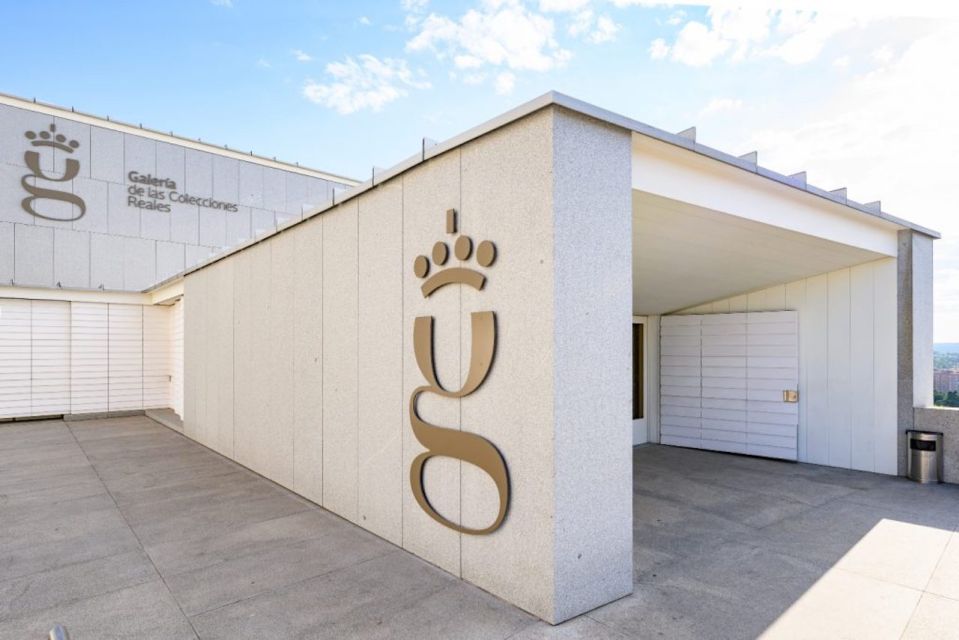
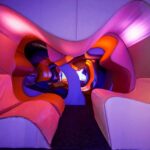
Near the middle-to-late part of the visit, you’ll encounter a large 360° projection cube. This isn’t just a screen. It’s set up so you feel surrounded by moving visuals tied to the royal sites—showing architectural and natural settings.
For me, this is the section that turns the museum from “objects in rooms” into something more spatial. It helps you picture those buildings in context and connects what you read in the galleries with what you might later see outdoors in Madrid.
It’s also a great reset if your feet are getting tired. You can sit and absorb, and the presentation style gives your eyes a break while still moving the story forward.
Two practical thoughts: go in with enough time to actually watch it, and don’t plan to rush your way through this area. If you enter while you’re already mentally sprinting to the exit, you’ll miss why the cube feels different from typical museum audio-visual stations.
You can also read our reviews of more museum experiences in Madrid


Temporary exhibitions: finishing with something changeable
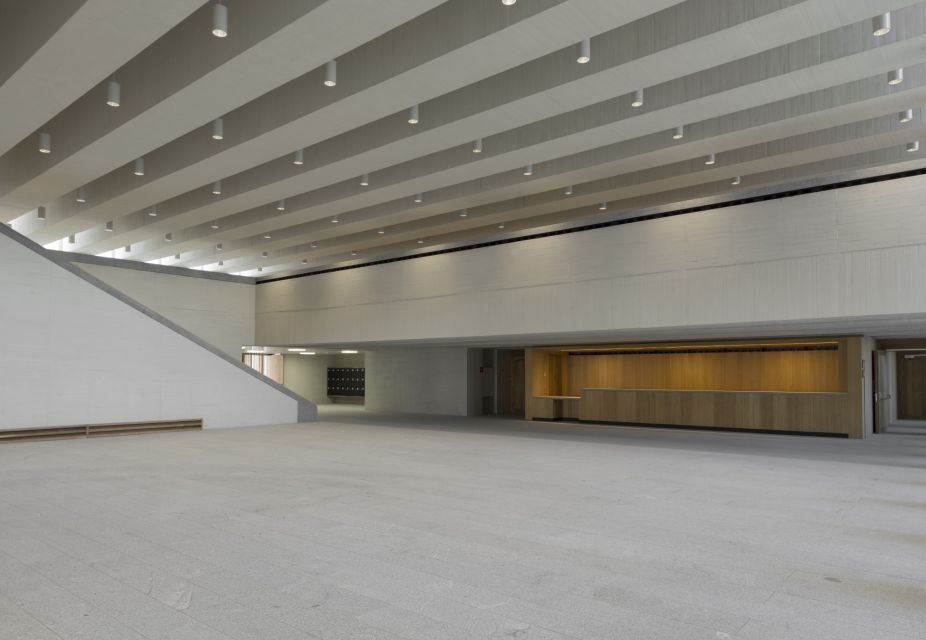
After the main galleries, the experience ends at a spacious temporary exhibition gallery. This is where you can encounter a different show than the permanent collection route you followed earlier.
That ending is smart. It keeps your visit from feeling like one fixed path where every room is exactly the same style. It also means repeat visits could feel different, depending on what’s on display during your dates.
If you want a comfortable last stop, this is also a good place to slow down before heading back into Madrid. You’re already thinking in “story mode” from the earlier rooms, so the temporary exhibits can land well.
Price and value: is $21 worth it for one day?
At about $21 per person for a one-day ticket, this is priced like a focused, high-quality museum visit rather than a budget add-on. The value comes from the combination: a substantial collection (650 pieces) plus specific context features (monument explanations and the 360° cube), not just a room of paintings.
You’ll also benefit from skip-the-ticket-line entry. In a city where waiting can eat up your plans, saving time has real value. You may feel like you’re paying for access and flow, not only the right to enter.
What about the audioguide? Since it’s not included, you’re making a choice. If you love audio storytelling, you’ll probably want to rent it on-site. If you’re happy reading labels and watching the videos, you can still get plenty out of the museum without adding costs.
Bottom line: I think it’s good value if you want more than “stand and look.” The monument-building explanations and the cube add a layer you’re unlikely to get at a standard art-only museum.
Timing and practical logistics for a smooth museum day
The museum is open Monday to Saturday from 10:00 AM to 8:00 PM. On Sundays and holidays, it runs 10:00 AM to 7:00 PM. Access is available until 45 minutes before closing, so build your arrival around that rather than assuming you can slide in at the last minute.
You don’t need a complicated game plan, but you do need a jacket. The listing asks you to bring one, and museums can vary in temperature depending on AC and your walking pace.
Keep your expectations about bags realistic. No luggage or large bags are allowed. The good news is the museum offers self-service lockers and a cloakroom, plus restrooms, rest areas, and even folding chairs if you need to pause.
Also note the usual rules that shape your photos: flash photography isn’t allowed. If you rely on photos for later study, plan on taking more time and using natural lighting rather than the flashy approach.
If you’re traveling with kids, there’s a specific rule worth knowing: children under 14 must be accompanied by an adult.
Getting there: easy public transport from central Madrid
You’ll find the museum in the Madrid area next to the Royal Palace, and public transport is straightforward. Bus lines include 3, 25, 39, and 148. The closest subway options are Lines 5 and 2 at Ópera station. For Cercanías, Príncipe Pío Station is listed.
This matters because many Madrid days get crowded. With multiple rail options nearby, you can pick the route that fits where you’re already staying. I’d think of this as an easy anchor activity that works whether your morning starts near Gran Vía, near Lavapiés, or near the palace area.
Who should book this ticket (and who might not)
This ticket is especially worth it if:
- you like art, but you also want the “why it exists” behind it
- you enjoy museum storytelling with videos, models, and a guided route
- you want a Madrid museum visit that fits a one-day schedule near the Royal Palace
It might be less ideal if:
- you hate video-led exhibits and prefer pure browsing
- you’re only interested in paintings and don’t care about decorative arts or royal object categories
- you need to travel with large bags or luggage (since only small carry and lockers are supported)
If you’re the type who likes to understand a place through its makers and builders, the El Escorial and La Granja explanation sections are the kind of detail that makes the ticket feel smarter than a standard entry.
Should you book this Royal Collections Gallery ticket?
I’d book it if you want a museum day that mixes major Spanish art names with serious context about the monarchy, plus a 360° cube that turns architecture into something you can feel. The price is reasonable for a one-day visit, and skip-the-line entry helps you keep control of your schedule.
Don’t book it if you’re looking for a relaxed, free-form art gallery only. The museum’s structure is part of the value, and the story is built into the route, the videos, and the monument-building materials.
If you’re on the fence, here’s the quick check: if you’re curious about how royal buildings were created and how monarchs used art and objects to project power, this is a strong fit.
FAQ
What is the Royal Collections Gallery ticket price and duration?
The ticket is about $21 per person and is valid for 1 day.
Where is the Royal Collections Gallery located?
It’s in Madrid, Community of Madrid, and it’s located next to the Royal Palace of Madrid.
Does the ticket include an audioguide?
No. An audioguide is not included.
Can I skip the ticket line?
Yes. The ticket includes skip-the-ticket-line entry.
What are the opening hours?
Monday to Saturday: 10:00 AM to 8:00 PM. Sundays and holidays: 10:00 AM to 7:00 PM.
When is the last entry time?
You can access the museum until 45 minutes before closing.
Are large bags or luggage allowed?
No. Luggage or large bags aren’t allowed, but there are lockers and a cloakroom available.
What items should I bring, and are there photography rules?
Bring a jacket. Flash photography isn’t allowed.
FAQ (Refund and eligibility)
Is the ticket refundable if I change plans?
No. This activity is non-refundable.
Are there any rules for children?
Yes. Children under 14 years old must be accompanied by an adult.