REVIEW · MALAGA
Malaga: Authentic Paella Cooking Class with Sangría
Book on GetYourGuide →Operated by Kulinarea · Bookable on GetYourGuide
Paella in Malaga is a full-on, hands-on dinner plan. This cooking class mixes a market stroll with a modern kitchen setup in the SOHO District, so you get the how and the why behind a classic Spanish paella.
Two things I really like: the Atarazanas Market stop (when it runs) that helps you pick good ingredients fast, and the very practical hands-on cooking in a clean, well-equipped kitchen where you’re not just watching from the sidelines.
One drawback to plan for: dietary restrictions can be hard here because they say they can’t accommodate restrictions on the day of class.
In This Review
- Key highlights worth getting excited about
- From Atarazanas Market to the SOHO kitchen, the day has a clear rhythm
- Olive oil tasting that teaches you what to notice
- Who you’ll cook with: expert chefs and lively local guidance
- The paella process: hands-on, step-by-step, and built around real technique
- Sangria and regional wine pairing: the work-to-reward moment
- Gazpacho (and the cooling side) to balance the heat
- The extras that make it feel like a real night out
- Price and value: what $77 buys you in Malaga
- Who this experience fits best (and who should skip it)
- Timing tips: morning vs evening changes the market part
- Should you book this Malaga paella class with sangria?
- FAQ
- FAQ
- Where does the tour meet in Malaga?
- Is the paella cooking class taught in English?
- Do you visit Atarazanas Market every day?
- How long is the experience?
- What dishes and drinks are included?
- Is pick-up or drop-off included?
- Can you accommodate dietary restrictions on the day of the class?
- Is this class suitable for young children?
Key highlights worth getting excited about
- Atarazanas Market (day sessions): a short walk to seasonal produce and local favorites
- Olive oil tasting + snack pairings: learn what good olive oil tastes like before you cook
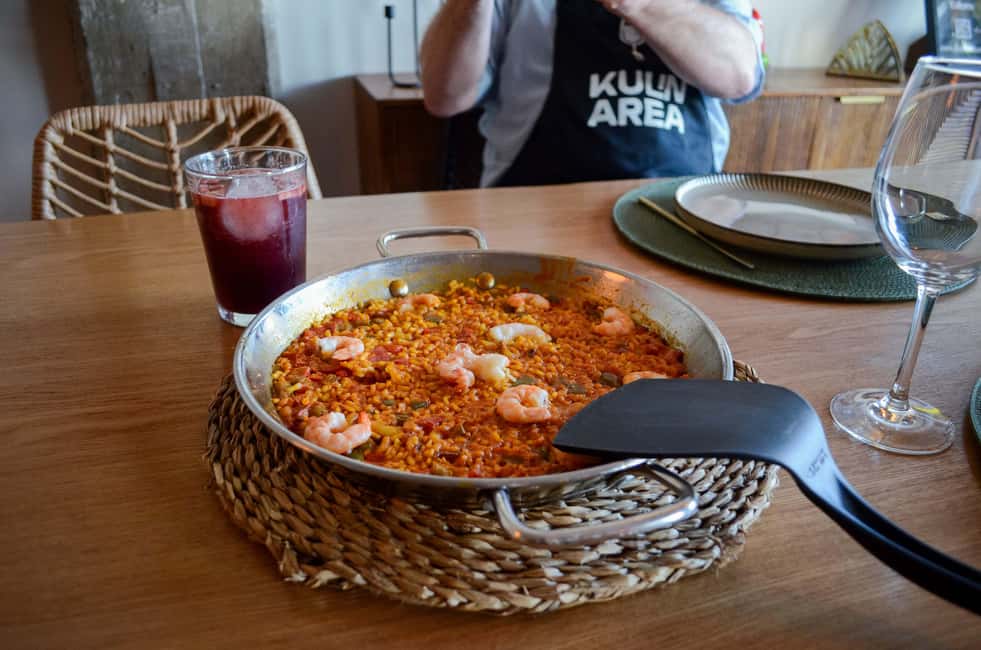
- Paella with expert instruction: you actively make the paella, not just assemble it
- Gazpacho, sangria, and regional wine: you cook and then eat what you made
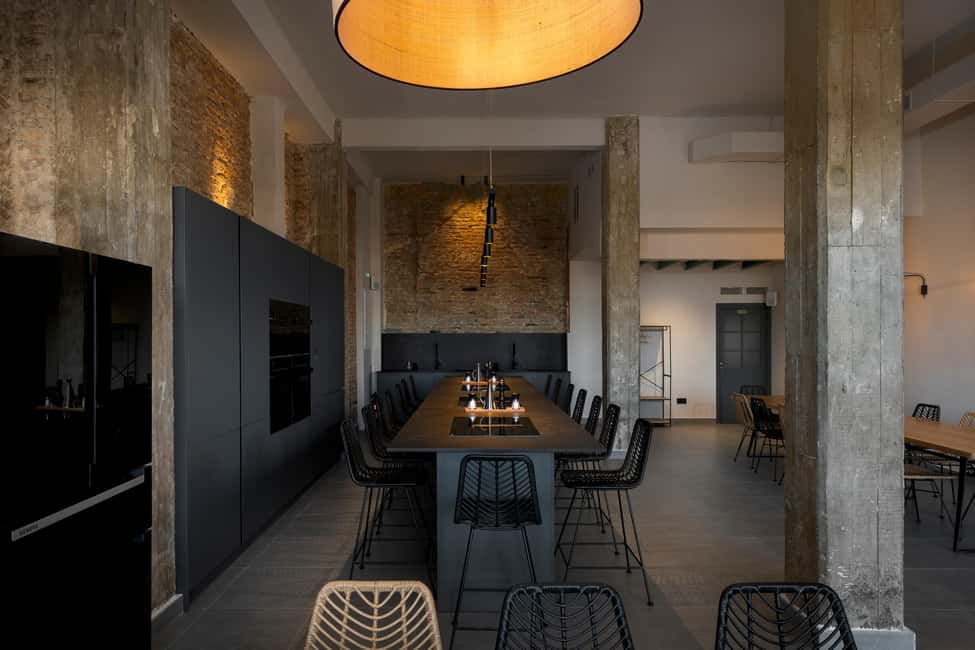
- Modern SOHO kitchen: state-of-the-art, clean, and built for real cooking
- Take-home Kulinarea apron: a fun souvenir you’ll actually use
From Atarazanas Market to the SOHO kitchen, the day has a clear rhythm
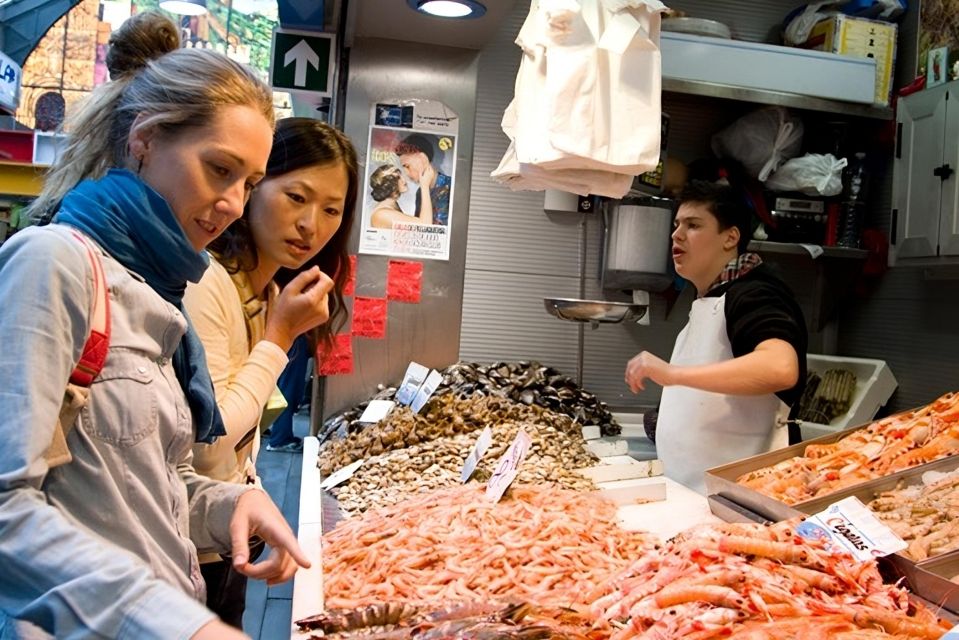
The experience is built like a good meal: you start with ingredients, then you work, then you sit down. For morning sessions from Monday to Saturday, you begin with a short stroll to Atarazanas Market to explore Andalusian produce and what’s worth buying locally. Sundays, holidays, and evening classes shift the flow because the market is closed, so you go straight to the kitchen in Malaga’s SOHO District.
Why that matters for you: if you’re the type who likes to understand food before you eat it, the market part gives context. If you’re here more for the cooking and the meal than the shopping, the evening or Sunday format still works, because you’re not stuck waiting around for a market that isn’t running.
The meeting point is simple: Kulinarea, at Av Manuel Agustín Heredia 24. There’s underground parking right in front called Parking de La Marina, which is handy if you’re driving or renting a car.
You can also read our reviews of more cooking classes in Malaga
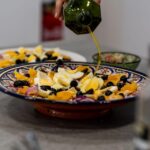

Olive oil tasting that teaches you what to notice
Before the burners heat up, you start with an Extra Virgin Olive Oil tasting. This is more than a sip for good vibes. You’re meant to pay attention to subtle differences—how olive oils feel on the tongue, and how the flavors can shift depending on what’s in the glass.
In past sessions, guides have added small tasting moments around olives and even almonds while you’re at the market, then brought it back to the oil tasting in the kitchen with traditional snacks. The goal is that you can walk into a Spanish meal later and know what you’re tasting instead of just hoping it’s good.
Here’s the practical value: paella and salads can be easy to mess up if you treat oil as an afterthought. This tasting makes it feel like part of the recipe, not a random starter.
Who you’ll cook with: expert chefs and lively local guidance
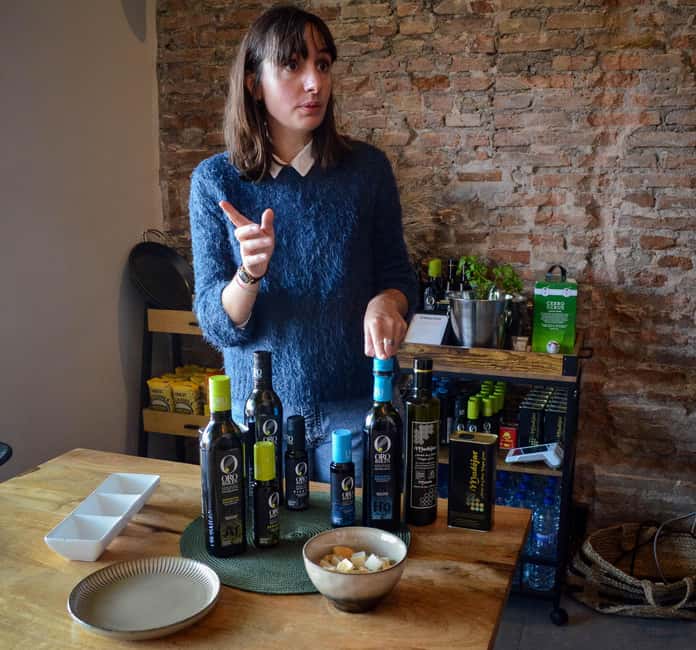
You’re led by an English-speaking team, and multiple class leaders show up in the experience—market guides like Felipe, Carmen, Elise, Javi, and Anais, and chefs including Alba, Alma, Pepo, and Jorge (names vary by session). The common thread is clear communication and keeping everyone involved.
I like this setup because it reduces the usual cooking-class problem: one person doing most of the work while the rest hold a spoon. The way classes are described, you rotate tasks, get guidance at each step, and you’re encouraged to actually learn techniques instead of just finishing a dish.
If you care about getting tips you can use later at home, you’ll probably appreciate the pacing. Several participants also mention the chefs giving patience when people felt unsure at first. That’s a big deal if you’re not a confident cook.
The paella process: hands-on, step-by-step, and built around real technique
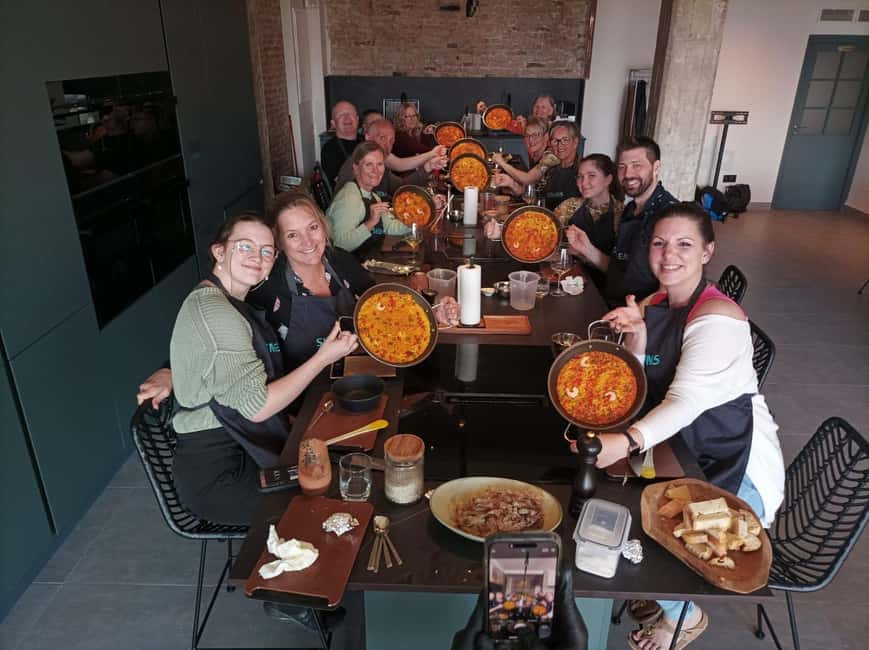
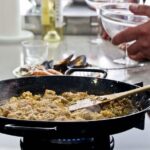
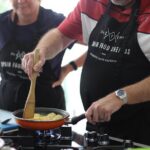
The heart of the class is the interactive paella cooking. You’ll prepare and cook a classic Spanish paella under the chef’s guidance. In most cooking classes, the biggest value is the framework: when to add what, how to manage heat, and how to avoid turning a meal into a pan of regrets.
This one is set up for that. Participants note that everyone has tasks—cutting, prepping, mixing, seasoning, and actively cooking. A few comments also mention that the paellas can come out slightly different from group to group, which makes sense when chefs adjust based on what’s happening in the kitchen and the ingredients in that batch.
Important note for expectations: you might also see other components working alongside the paella. In some sessions, people mention a roasted pepper salad or another fresh side getting made as part of the day’s flow. Even when the exact side changes, the core idea stays the same: you’re building a meal, not just stirring rice in a pot.
And if you’re wondering about seafood versus meat: one participant notes their paella was vegetarian-friendly aside from seafood, and another mentions using high-quality ingredients. Translation for your planning: the class is flexible in the sense that it can fit different preferences, but it is still first and foremost a guided group experience.
Sangria and regional wine pairing: the work-to-reward moment
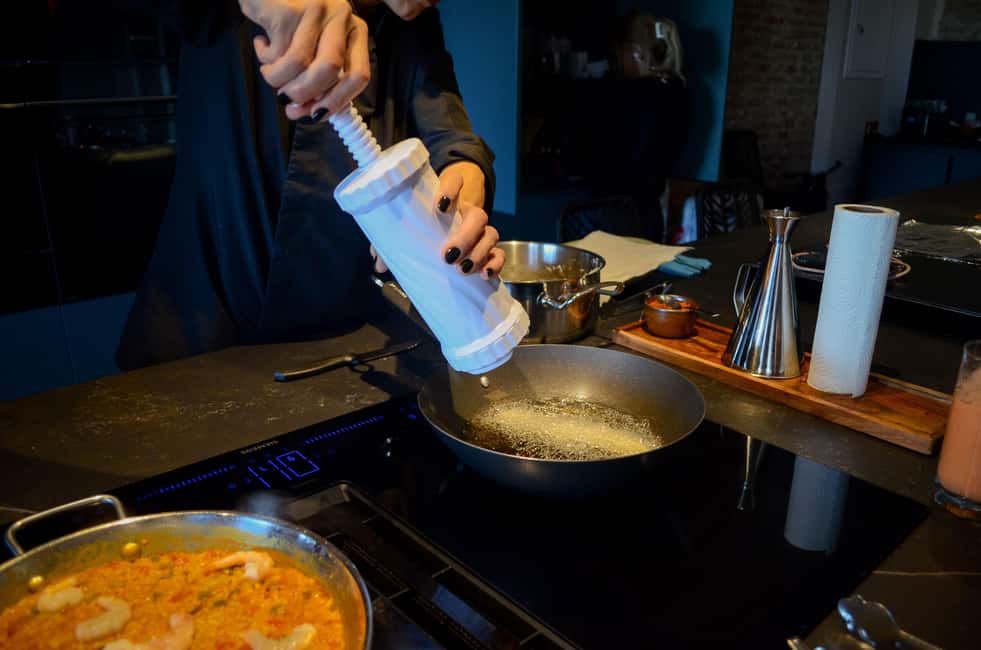
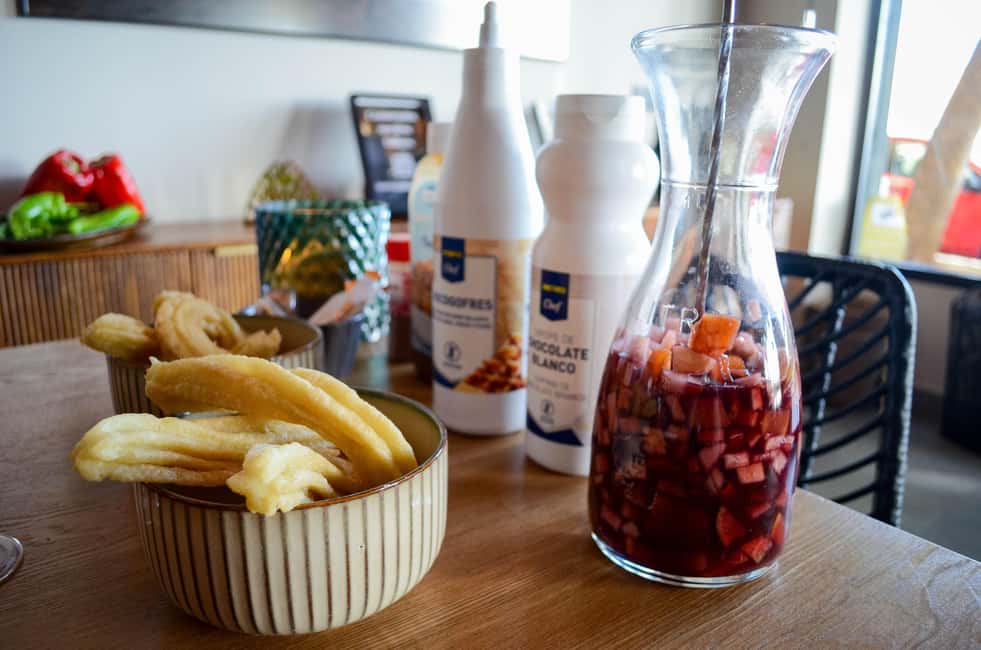
You’ll mix sangria as part of the experience, and you’ll drink along the way with regional wines or beer (soft drinks are also mentioned as options). There’s even a toast element during the cooking process, so you get that moment where the kitchen smells great and you can finally breathe.
In the feedback, sangria gets called out again and again, including mentions of cava sangria and how the fruit prep and mixing steps were easy to follow. That’s helpful because sangria is one of those drinks people assume they already know. In reality, the difference is often in how the ingredients are balanced and timed.
Value angle: paying $77 for a paella-and-sangria meal is only a deal if the class includes more than just a drink. Here, the drink is part of the cooking lesson and becomes a shared table moment when you finally sit down.
A few more Malaga tours and experiences worth a look

Gazpacho (and the cooling side) to balance the heat
Alongside paella, you make homemade gazpacho. This matters in Malaga because it keeps the meal anchored in local, everyday Andalusian eating—fresh, cooling, and bright. It’s also a smart counterpoint to the richer, savory rice dish.
In the description you may see gazpacho or salmorejo mentioned, but the included part specifically lists gazpacho. So expect that cooling, tomato-forward element to be the focus.
Why this is useful for you: if you’re learning cooking basics, gazpacho teaches technique like seasoning, texture, and balance. Paella teaches timing. Put them together and you leave with two very different styles of Andalusian flavor—and a much better shot at recreating them later.
The extras that make it feel like a real night out
This class isn’t only about dinner; it’s also about finishing like you’re celebrating something.
A lot of participants mention a sweet ending such as churros, served after the meal. That kind of finish turns a cooking class into an actual evening plan, especially if you’re also trying to keep costs reasonable while still getting a memorable activity.
And then there’s the take-home gift: you get a Kulinarea apron at the end of your class. It’s a small detail, but it makes the experience feel tangible, not like you walked into a studio and left with a photo.
One small practical note: one participant asked for name tags, which suggests groups can be social but might be a bit anonymous at first. If you’re traveling solo or with teens who need a social on-ramp, you may want to be the one to initiate conversation early.
Price and value: what $77 buys you in Malaga
At $77 per person for a 210-minute experience, you’re paying for three things at once:
- A market ingredient starter (when the market runs)
- A hands-on cooking session with an expert chef
- A full meal vibe with drinks and multiple dishes
The value jumps if you compare what you’d spend on separate items. A paella meal plus wine alone can add up quickly, and most add-on cooking classes don’t include both market time and a structured set of dishes. Here, the kitchen time is long enough that you’re actually cooking, not just doing a quick demo.
You also get the English instruction, and people describe the classes as organized and involving everyone. That reduces the risk of paying for a class that feels passive.
So for your money, the best use is to treat this as your one “food-focused” anchor activity in Malaga—then spend the rest of your time doing free wandering, beach time, or tapas.
Who this experience fits best (and who should skip it)
This is a great fit if you want:
- A hands-on paella cooking class with real instruction
- A Malaga food experience that includes drinks and sitting down together
- A taste of Andalusian basics: olive oil, sangria, gazpacho, and rice technique
It’s less ideal if:
- You have dietary restrictions that require same-day special handling. They explicitly say they can’t accommodate restrictions on the day of class.
- You’re traveling with very young children. It’s not suitable for children under 4, and it’s not suitable for babies under 1.
Timing tips: morning vs evening changes the market part
If you can choose, pick based on what you want most.
Morning sessions (Mon–Sat) tend to include the Atarazanas Market visit. If you enjoy seeing ingredients up close and learning what’s in season, this adds a lot.
Evening classes and Sundays (and holidays) skip the market and go straight to the kitchen. That can actually be perfect if you want a shorter mental load and a more direct route to cooking and dinner.
Should you book this Malaga paella class with sangria?
I’d book it if you want a structured, friendly way to learn paella while eating like you’re already part of Malaga’s food rhythm. The combination of market context (when available), an olive oil tasting, and the fact you cook your own paella under an expert chef makes it feel like more than a tourist show.
Hold off if you need guaranteed dietary customization on the day, or if you’re traveling with children who fall under the minimum age guidelines. If you’re flexible, you should have an enjoyable mix of practical skills and a full plate at the end.
FAQ
FAQ
Where does the tour meet in Malaga?
You meet at Kulinarea at Av Manuel Agustín Heredia 24. There is underground parking in front called Parking de La Marina.
Is the paella cooking class taught in English?
Yes. The instructor and language for the experience is English.
Do you visit Atarazanas Market every day?
No. Daytime sessions from Monday to Saturday include the Atarazanas Market visit. Sundays, holidays, and evening classes go straight to the kitchen because the market is closed.
How long is the experience?
The duration is 210 minutes.
What dishes and drinks are included?
You cook your own paella, make homemade gazpacho, and prepare sangria. Drinks are included (regional wines or beer or soft drinks). There is also an olive oil tasting.
Is pick-up or drop-off included?
No. Pick-up and drop-off are not included.
Can you accommodate dietary restrictions on the day of the class?
No. The experience notes that it is not possible to accommodate dietary restrictions on the day of the class. Let them know ahead of time.
Is this class suitable for young children?
No. It’s not suitable for children under 4 years old, and it’s not suitable for babies under 1 year old.