REVIEW · BARCELONA
Photo Walking Tour Sitges Experience Beaches and Town
Book on Viator →Bookable on Viator
Sitges looks better through a camera lens. This 2-hour photo walking tour turns an ordinary stroll into a focused hunt for angles, details, and better compositions across town. You’ll end by the water with an easy sunset finish near Sant Sebastián Beach.
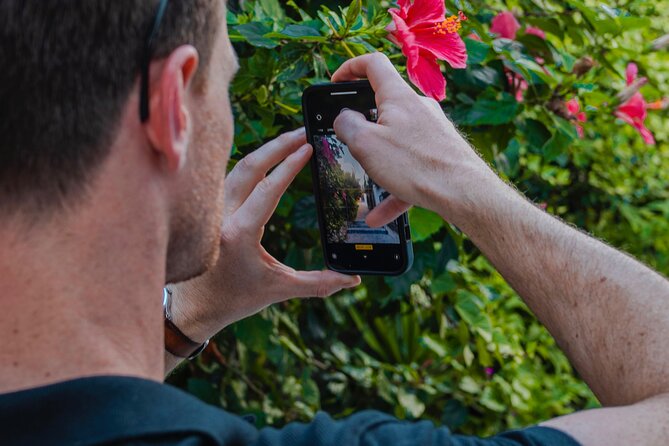
I love the small group size (max 6), because you actually get hands-on help instead of watching from the back. I also like that the coaching works whether you’re shooting with a camera or your mobile phone, so you don’t feel forced into buying anything.
One possible drawback: you need to bring your own camera or phone, and the experience depends on good weather. If you want zero walking, this may not be your best match.
In This Review
- Key highlights and what makes this tour tick
- Sitges photo walking tour: why this beats another casual day out
- Where you start in Sitges and how the walking pace feels
- Hotel Noucentista: learning architecture photos without overthinking it
- Statues in Sitges: framing Santiago Rusiñol and Ramon Casas
- La Chica de la Malvasia: using a landmark to practice composition
- La Sirena by the water: getting the mermaid shot right
- Church of Sant Bartomeu & Santa Tecla: endless angles in a tight area
- Correló de la Rectorìa: the mysterious stop that pays off
- Palau de Maricel: capturing breathtaking details as you pass through
- Platja de Sant Sebastià: beach life practice and your sunset finish
- What the guide coaching actually helps you do
- Price and value: is $60.33 worth two hours?
- Who should book this Sitges photo walk
- What to bring so you’re ready from minute one
- Should you book this Sitges photo walking tour?
- FAQ
- How long is the Sitges Beaches and Town photo walking tour?
- What is the group size limit?
- What language is the tour offered in?
- Do I need to bring my own camera or phone?
- Where does the tour start and end?
- Is admission included for the stops?
- What happens if the weather is bad?
Key highlights and what makes this tour tick
- Small group access (max 6): more time for questions and on-the-spot feedback
- Camera or phone-friendly: you’ll practice on real streets and landmarks, not theory
- Modernist architecture practice: Hotel Noucentista is a great place to learn framing
- Statues and composition drills: Santiago Rusiñol, Ramon Casas, and more help you shoot with intention
- Church photo stops: Sant Bartomeu & Santa Tecla gives you lots of angles in a compact area
- Beach life and sunset timing: Sant Sebastián Beach is your final stretch for easy golden-hour shots
Sitges photo walking tour: why this beats another casual day out
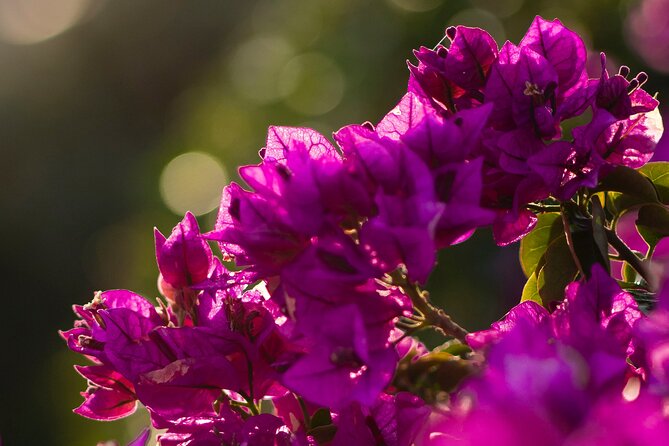
If you’ve ever taken the same vacation photo as everyone else, this tour gives you a better way to see Sitges. You’re walking through a town packed with photo-ready subjects—Modernist facades, sculptural details, church shapes, and waterfront views—then learning how to photograph them with more control.
The biggest win is the focus. Instead of just sightseeing, you’ll get specific guidance on how to turn what you see into a stronger image. And because it’s a small group, the guide can adjust to what you’re trying to capture—people, buildings, details, or the mood of the coast.
This is also a smart value play at $60.33 for about 2 hours. You’re paying for instruction time plus a well-paced route that hits the most photogenic stops without wasting your day on guesswork.
You can also read our reviews of more walking tours in Barcelona



Where you start in Sitges and how the walking pace feels
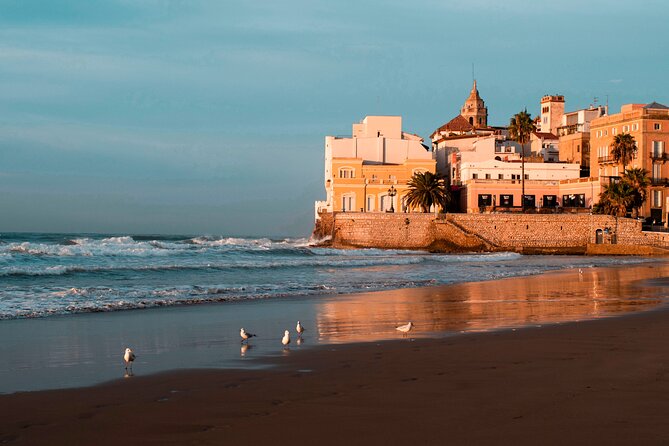
The tour starts at the Oficina de Turisme Sitges on Plaça Eduard Maristany, 2. Meeting there is convenient because it’s in the center area, and the route keeps you moving through walkable parts of town.
Expect an easy, city-stroll rhythm. Each stop is short—often around 10 to 20 minutes—so you’re not stuck in one place long enough to get bored. The short time blocks also help if you’re still learning how to use your phone camera settings or trying to frame a shot you keep missing.
You’ll finish at Av. Balmins, 3, at the famous sunset spot next to San Sebastián Beach. That last stretch matters, because it turns your photography into a goal. You’re not just wandering toward sunset—you’re walking there with intent.
Hotel Noucentista: learning architecture photos without overthinking it
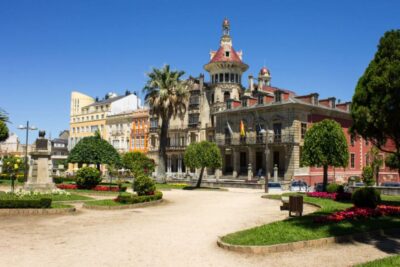
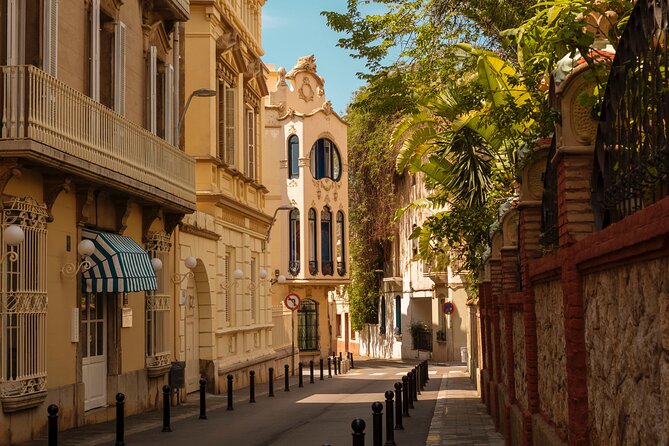
Stop one is Hotel Noucentista, reached as you come by Illa de Cuba. This is a strong first stop because Modernist buildings give you clean lines, patterns, and texture you can use right away.
You’ll get creative ways to capture architecture, which is useful if your instinct is to shoot the whole building from far away. The coaching here helps you narrow down: think angles, repeating shapes, doorways, windows, and how the building sits against the street.
Practical note: this stop is around 20 minutes, so you have time to try a few variations. Try wide framing for context, then switch to details once you spot repeating features.
Statues in Sitges: framing Santiago Rusiñol and Ramon Casas
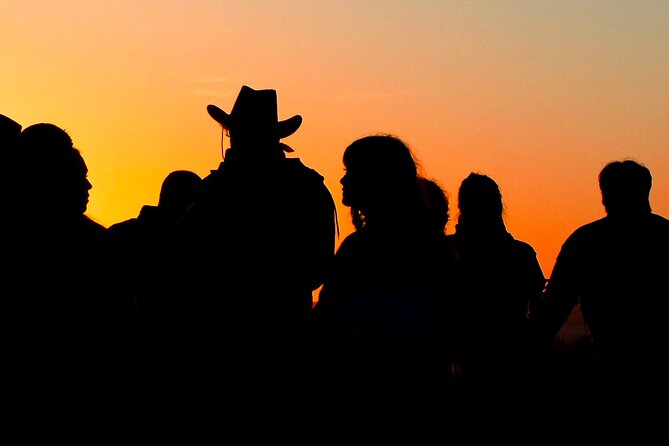
Next up, you’ll visit the Estatuas de Santiago Rusinol y Ramon Casas. Statues can be tricky because they’re fixed objects, but they still demand good composition—especially if you want more than a simple postcard shot.
Here, the focus is on composing images involving statues. That means paying attention to how the statue lines up with the surrounding scenery and where you place your camera relative to the subject.
A tip for this kind of stop: try different heights. A low angle can make a statue feel more monumental, while a straight-on shot often works best for clean symmetry. Even with a phone, a small change in position can radically change the result.
La Chica de la Malvasia: using a landmark to practice composition
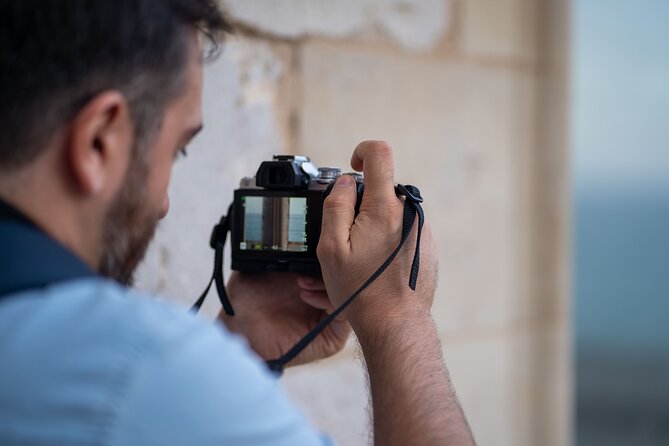
Stop three is the Escultura La Chica de la Malvasia | Sitges. This iconic statue is a great training ground because it’s recognizable, so you can focus on composition choices instead of searching for subjects.
You’ll enjoy an amazing view opportunity too, which makes it a good place to practice how to balance the statue with what’s around it. You’re learning to create interesting compositions, not just take a single safe photo.
If you like shooting street scenes, this is where you can blend subjects. For example, you can include surrounding space to give the statue context, or crop tighter to emphasize shape and character.



La Sirena by the water: getting the mermaid shot right
Then you’ll pass La Sirena de Sitges at the water front. The mermaid sculpture is famous, so the challenge is not finding it. The challenge is avoiding the “standing and snapping” problem.
This stop is about using the waterfront setting to your advantage. Waterfront photos often look flat if you only shoot straight on, so you’ll benefit from shifting your position and thinking about lines—shoreline edges, railings, and the direction the scene draws your eye.
Try this approach: take one photo that shows the sculpture with its surroundings, then take two more that focus on detail and framing. You’ll end up with variety even from the same spot.
Church of Sant Bartomeu & Santa Tecla: endless angles in a tight area
Stop five brings you to the Church of Sant Bartomeu & Santa Tecla. Churches are great photo lessons because they offer lots of vertical lines, texture, and repeating architectural elements.
The tour includes discovering several photogenic spots here. That matters because most first-time visitors only shoot the obvious front view. With guidance, you’ll learn how to find secondary angles that feel more artistic and less generic.
A practical idea: bring your zoom awareness. If you’re using a phone, the temptation is to zoom all the way. Instead, try to step slightly closer or shift your angle—often you get sharper, more natural results while keeping control of perspective.
Correló de la Rectorìa: the mysterious stop that pays off
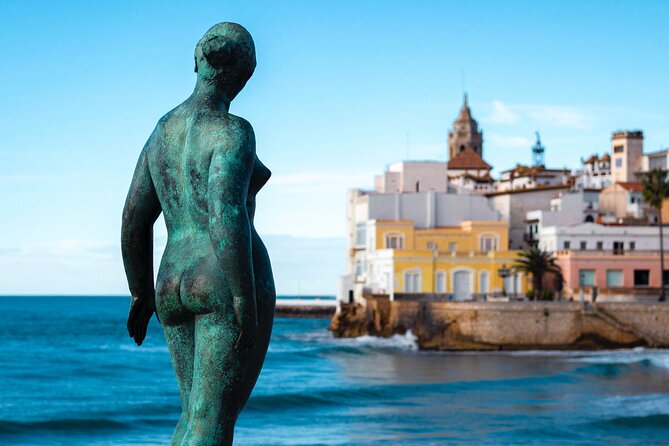
Next is Correló de la Rectorìa, described as one of the most charming stops on the tour. This kind of location is a gift for photographers because “mysterious” usually means partial views, interesting corners, and scenes that reward patience.
With a short time window, this stop encourages you to slow down and look for composition possibilities. You might aim for framing through an opening, using surrounding elements to create a border, or capturing texture rather than the whole scene.
If you’re someone who wants photos that look thoughtful instead of rushed, this is the kind of stop that can change how you shoot for the rest of the day.
Palau de Maricel: capturing breathtaking details as you pass through
Stop seven is Palau de Maricel. Since you have around 15 minutes, you’ll mainly be working on quick, high-impact shots—details that make people stop scrolling.
The emphasis here is on capturing breathtaking details as you pass. That’s smart, because big landmarks can be hard to photograph in a moving moment, but details are perfect for quick practice.
Look for ornamental features, edges, and surfaces that catch light. If your phone has a focus tool, use it. Tap to lock focus, then reframe slightly for the composition you want.
Platja de Sant Sebastià: beach life practice and your sunset finish
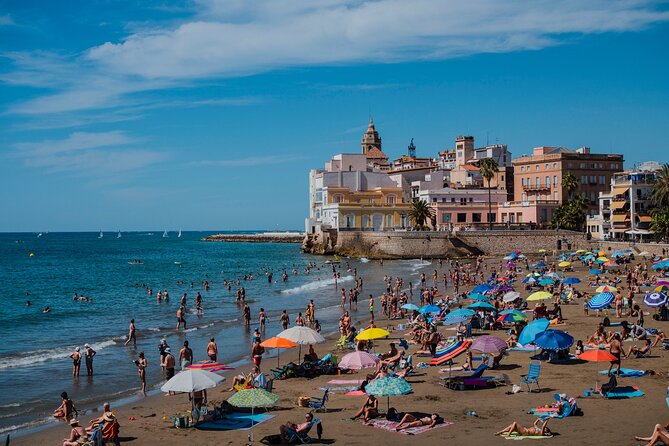
Finally, you walk along Platja de Sant Sebastià. This is where the tour shifts from architecture and stone to everyday beach life and coastal mood.
You get about 15 minutes along the beach, which is enough time to try a few styles: a wider view that shows the setting, a tighter crop with foreground interest, and a composition that uses movement or distance to create depth.
You’ll end at the sunset spot next to San Sebastián Beach. If the sky cooperates, this ending is a great moment to put your earlier lessons into action. You’ll already know how to think in terms of framing and composition, so you can focus on timing the light instead of reinventing your approach.
What the guide coaching actually helps you do
The tour includes individual tips and guidance to improve your images. In real terms, that means you’ll get feedback that’s aimed at your current habits—whether you tend to center everything, forget to adjust framing, or shoot too far away from small details.
One of the best aspects here is that the guidance fits both phones and cameras. So if you’re traveling with just your phone, you won’t feel left out. The tour is built for practical results: you learn while walking and shooting, then you apply it on the next stop.
In the feedback I’ve seen shared from guides like Leonardo and Charlotte, the tone is consistently helpful and art-minded. You get history and visual thinking without turning it into a lecture you can’t use.
Price and value: is $60.33 worth two hours?
For $60.33 per person, you’re paying for more than a guided walk. You’re paying for photo coaching time plus an efficient route through major photogenic points in Sitges.
The route is compact: you move from Modernist architecture to statue compositions to church angles, then finish with beach practice and a sunset-friendly spot. That means you’re spending your time photographing, not figuring out where to go next.
You’ll also like that each stop is listed with free admission. That helps keep the total cost predictable. The main thing not included is food and drinks, plus transportation to and from the meeting point.
If you enjoy photography—even casually—this price can feel fair because you’re leaving with a set of photos that look more intentional than your average vacation batch.
Who should book this Sitges photo walk
This tour is a great fit if you want a structured way to photograph Sitges without getting stuck in camera settings for hours. It also works well if you’re traveling solo or as a couple and want easy social energy in a group that stays small.
If you’re comfortable on foot and enjoy short stops with frequent photo opportunities, you’ll get a lot out of the pace. If you want long stays at only one or two places, you might find the timing tight.
It’s offered in English and runs in a group with a maximum of 6 travelers, so you can expect more personal attention than larger bus-style tours.
What to bring so you’re ready from minute one
The tour doesn’t provide equipment. Bring your own camera or mobile phone and be ready to shoot as you walk. If you’re using a phone, make sure your battery is charged and you have enough storage.
Also consider bringing a simple cleaning cloth for your lens or phone camera lens. Coast air and salty mist can leave smudges, and a quick wipe can mean sharp photos instead of hazy ones.
If you’re thinking about style, decide ahead of time what you want to practice: architecture lines, statue composition, church angles, or beach-and-sunset mood. Having one goal makes the guide’s tips easier to apply on the fly.
Should you book this Sitges photo walking tour?
Book it if you want an efficient, photo-focused way to experience Sitges with real coaching—especially if you’re eager to improve phone photography. The small group size and the route through places like Hotel Noucentista, Palau de Maricel, and Sant Sebastián Beach make it easier to get standout shots without spending your day guessing.
Skip it if you don’t want to bring a camera/phone, or if you only enjoy slow travel with long time in one spot. Since the experience requires good weather, you’ll also want a flexible mindset if skies are questionable.
If you’re the type who wants photos that feel composed—not just captured—this tour is a smart choice.
FAQ
How long is the Sitges Beaches and Town photo walking tour?
The tour lasts about 2 hours.
What is the group size limit?
The experience has a maximum of 6 travelers.
What language is the tour offered in?
It’s offered in English.
Do I need to bring my own camera or phone?
Yes. The tour does not provide camera equipment, so you’ll bring your own camera or mobile phone.
Where does the tour start and end?
It starts at Oficina de Turisme Sitges, Plaça Eduard Maristany, 2, 08870 Sitges, Barcelona, Spain. It ends at Av. Balmins, 3, 08870 Sitges, Barcelona, Spain near the sunset spot next to San Sebastián Beach.
Is admission included for the stops?
The photo-stop details provided for each listed location show free admission.
What happens if the weather is bad?
The experience requires good weather. If it’s canceled due to poor weather, you’ll be offered a different date or a full refund.