REVIEW · BARCELONA
Picasso Museum and Walking Tour Plus Wine Tasting Upgrade
Book on GetYourGuide →Operated by ExperienceFirst · Bookable on GetYourGuide
Picasso’s trail in Barcelona feels like a scavenger hunt. This tour lines up the skip-the-line Picasso Museum ticket with street-level storytelling, and it makes the art easier to see with fresh eyes. I like the way the walk connects specific locations to specific works, especially around Els Quatre Gats and the art stops that shaped Picasso early on. I also like the optional Vila Viniteca tasting, which gives you a proper sommelier-led food-and-wine break after the museum. One consideration: if you choose the tasting upgrade, it is not wheelchair accessible.
You’ll start with Barcelona’s artist hangouts before you ever enter the museum, so the city doesn’t feel like background noise. I like how the route ends at Carrer Montcada near the museum entrance, with your guide pointing you toward what to look for once you go in on your own.
The museum visit is self-guided (no guide inside), but you get tips first—and the museum collection is huge, with over 4,200 Picasso works. If you want someone to interpret every room with you, that’s the one mismatch to plan around.
In This Review
- Key things to know before you go
- Why this Picasso tour works on foot in Barcelona
- Els Quatre Gats: the artist table that changed the vibe
- Sala Parès: a paint shop that became a gallery story
- Carrer d’Avinyó 44 and Les Demoiselles d’Avinyó
- Ending at Carrer Montcada: setting up your self-guided museum hour
- Inside the Picasso Museum: what your ticket includes (and what it doesn’t)
- The Vila Viniteca wine and tasting upgrade: what changes, and where it happens
- Price and value: what $47 buys you in Barcelona terms
- How long it takes, and how to plan your day
- Guides, group size, and the vibe on the walk
- Should you book this Picasso museum and walking tour?
- FAQ
- Is the Picasso Museum ticket included?
- Does a guide go inside the museum with you?
- Is the wine and tasting upgrade available in all languages?
- Where does the wine and tasting take place if I upgrade?
- Is the tasting upgrade wheelchair accessible?
- Can I cancel for a refund?
Key things to know before you go
- Skip-the-line museum entry saves time so you can spend longer looking.
- Els Quatre Gats and Sala Parès connect Picasso’s early network to the places you stand in.
- Carrer d’Avinyó 44 is used to frame the story behind Les Demoiselles d’Avinyó.
- The tour wraps at Carrer Montcada with pointers for your self-guided museum visit.
- Wine and cheese upgrade happens in a private room at Vila Viniteca and is only offered for the English option.
- Guides can be funny and interactive, and several names pop up in recent tour experiences, including Eoghan Owen, Cal, Thomas, and Nicholas.
Why this Picasso tour works on foot in Barcelona
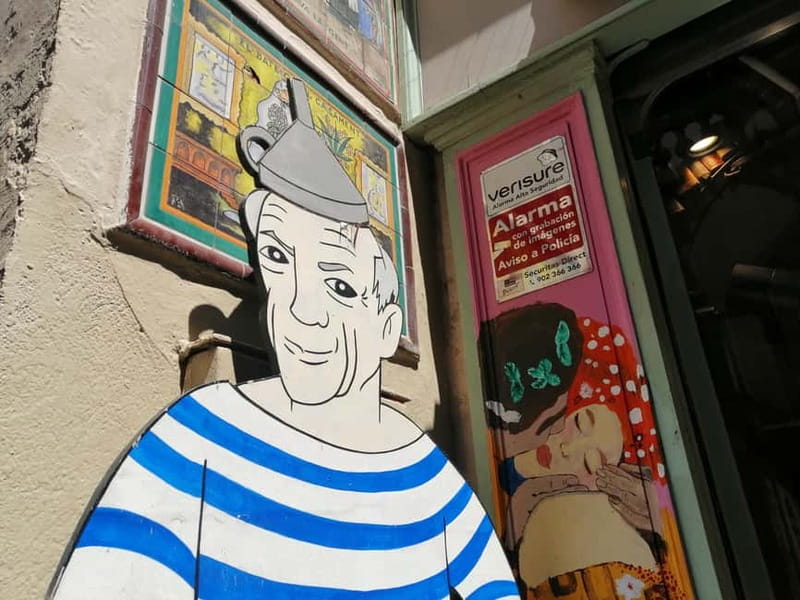
Barcelona rewards slow walking, and this experience plays to that strength. You’re not just transporting yourself from one famous building to another. You’re walking with a guide who links street corners to paintings, then hands you a museum plan so you don’t wander in circles.
The smart part is the pacing. The walk gives you stories and visual prompts outside, then you switch to self-guided inside the museum with those prompts still in your head. If you love modernist streets, small details on facades, and the feeling of tracing an artist’s route in real time, this format fits.
If you’re short on time and want to prioritize the museum, the skip-the-line ticket helps. You’re paying to protect your schedule, not just to buy entry. That matters when your day includes lunch decisions, airport transfers, or a packed Barcelona itinerary.
You can also read our reviews of more walking tours in Barcelona

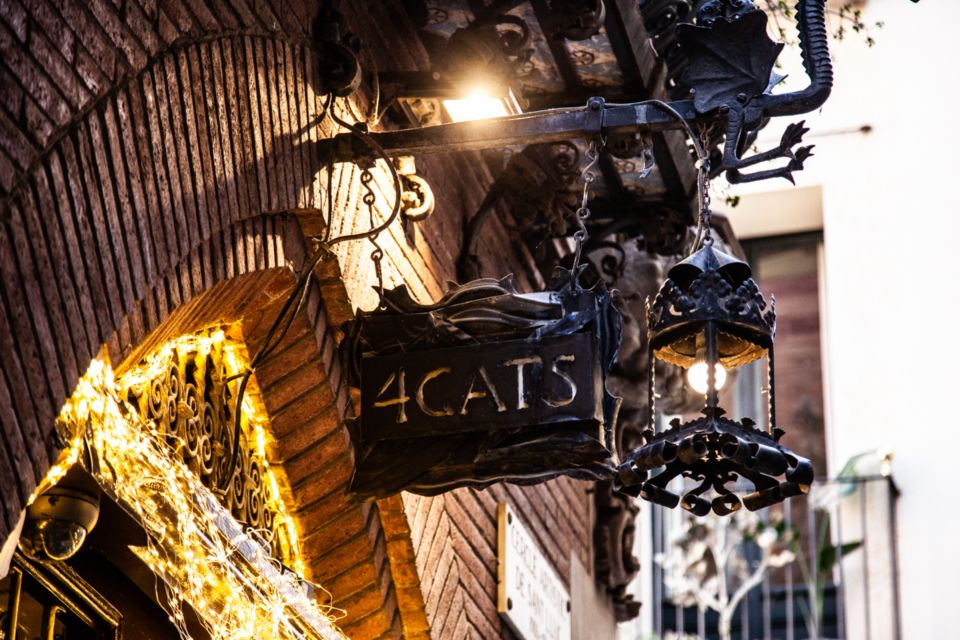
Els Quatre Gats: the artist table that changed the vibe
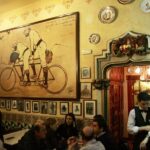
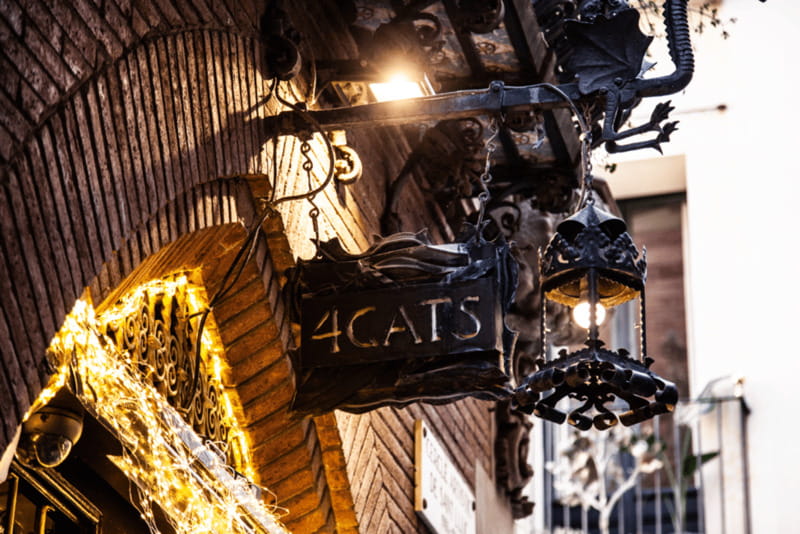
You start at Els Quatre Gats, described as a former tavern that became a gathering spot for artists—right in the period when Picasso was building his public identity in Barcelona. This stop isn’t just about a name. It’s about context.
You’ll hear how this type of space—part café, part meeting room, part creative buzz—helped artists trade ideas. That’s the key. Picasso didn’t appear from nowhere. He grew in a scene, among people who wanted to talk art and challenge what came before.
As you stand outside, listen for the guide’s emphasis on social energy: who met where, why it mattered, and how early exhibitions gave artists a stage. Even if you’re not a museum person, that kind of story makes the rest of the day click.
Sala Parès: a paint shop that became a gallery story
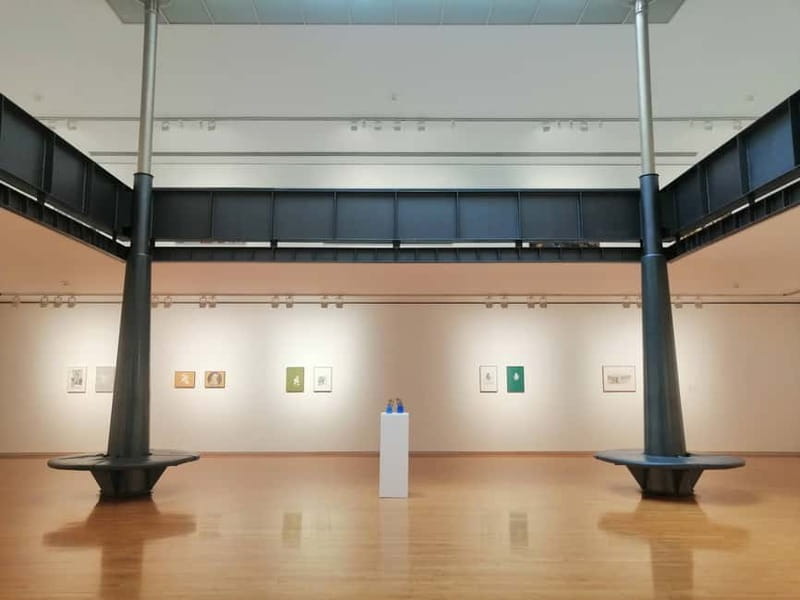
Next comes Sala Parès, a place that once functioned as a paint shop and turned into a gallery where Picasso and others exhibited. The connection you’re meant to pick up here is simple: art-world visibility is often tied to everyday storefronts.
On this walk, that detail is useful. You don’t just learn about famous paintings. You learn how art moved from studio walls to public view—sometimes through places that look ordinary from the street.
This stop can also set your expectations for what you’ll see later inside the museum. When you know Picasso’s work circulated through small galleries and local exhibitions, the museum doesn’t feel like a distant temple. It feels like the same story, scaled up.
Carrer d’Avinyó 44 and Les Demoiselles d’Avinyó
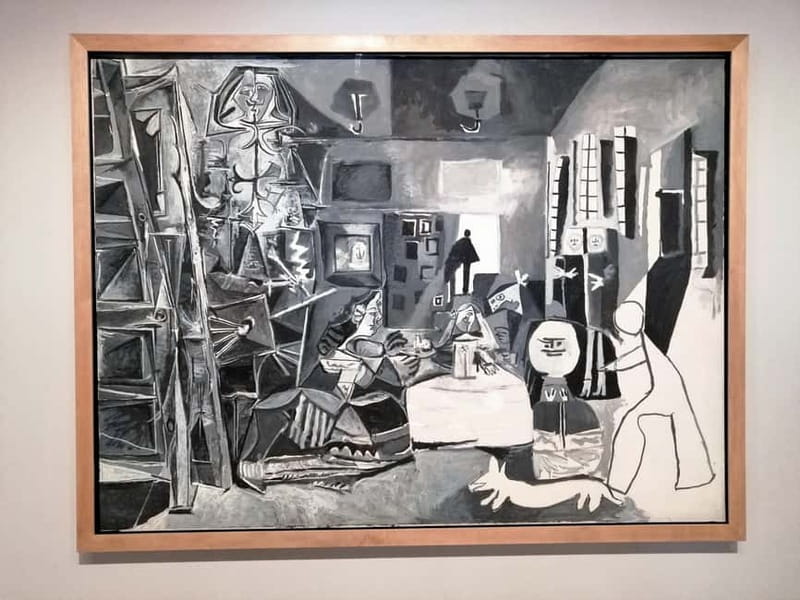
At Carrer d’Avinyó 44, the tour focuses on the women who inspired Les Demoiselles d’Avinyó. This is one of the most important narrative anchors of the walk because it connects a specific location to a specific work.
Here’s why that matters: Picasso’s art can feel abstract if you only treat it as style and technique. When you connect it to lived influence—who, where, and what the artist was responding to—you start noticing choices differently. Shapes aren’t just shapes; they’re part of an argument Picasso made with the world.
If you remember only one thing from this part, let it be this: the tour isn’t trying to make you memorize facts. It’s trying to give you a lens for later museum viewing.
Ending at Carrer Montcada: setting up your self-guided museum hour
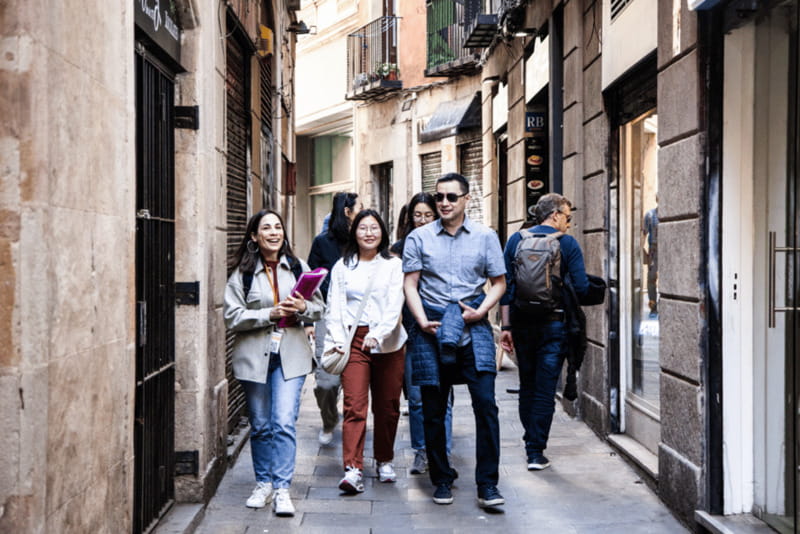
Your walk ends at Carrer Montcada, a medieval street at the entrance of the Picasso Museum (Museu Picasso de Barcelona). This is a good place to stop because you’re transitioning from narrative walking to museum looking without losing the thread.
Your guide shares tips for your self-guided visit. You’ll get direction on what to notice, which helps if you’re worried about being overwhelmed by a collection that large. With any museum this size, the biggest risk is time-sink wandering. The outside storytelling helps you avoid that by giving you targets.
Also, this ending point keeps your energy practical. You’re not dragged across town after the walking part is done. You’re dropped close to where you need to be next, which keeps the day from turning into “transportation with art breaks.”
You can also read our reviews of more food & drink experiences in Barcelona




Inside the Picasso Museum: what your ticket includes (and what it doesn’t)
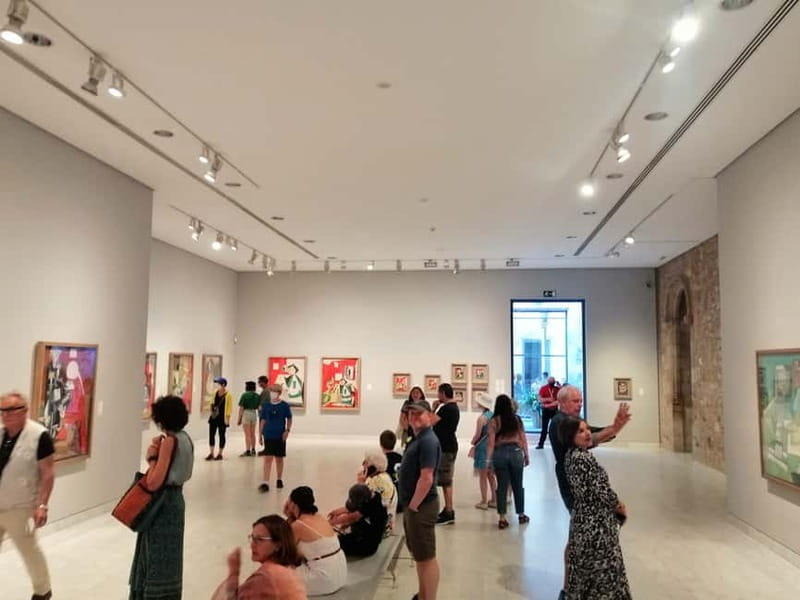
You have museum entry included, with skip-the-line access. That’s a real win if your day is timed around lunch or evening plans.
What you should expect: your museum time is self-guided. The guide does not go inside the museum with you. So if you’re the kind of person who wants someone to translate each room on the spot, you may feel a little on your own once you enter.
But the trade-off can work. A self-guided museum lets you move at your own pace—pause when something pulls you in, skip what doesn’t, take breaks when you need them. And because you’ve just walked with a guide explaining the why behind key works, you’ll likely notice more than you would on a first-pass museum visit.
One more practical detail: the museum collection is enormous, with over 4,200 Picasso works. That number alone tells you the museum is built for exploration, not for speed. The best move is to pick a few themes before you go in—early Catalan life, the transition to major works, and any pieces tied to the locations you just learned about.
The Vila Viniteca wine and tasting upgrade: what changes, and where it happens
If you upgrade, the tour adds a food-and-wine experience led by a sommelier. You’ll be escorted from the museum to a private room in one of Barcelona’s best wine shops—Vila Viniteca—at Carrer dels Agullers 7.
This upgrade is specifically for the English option. It’s also time-sensitive in a simple way: after the museum, a guide meets you outside the museum at 1:45 p.m. to take you to the tasting.
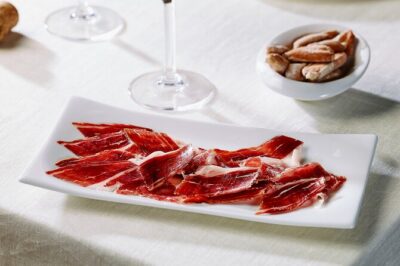
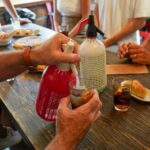
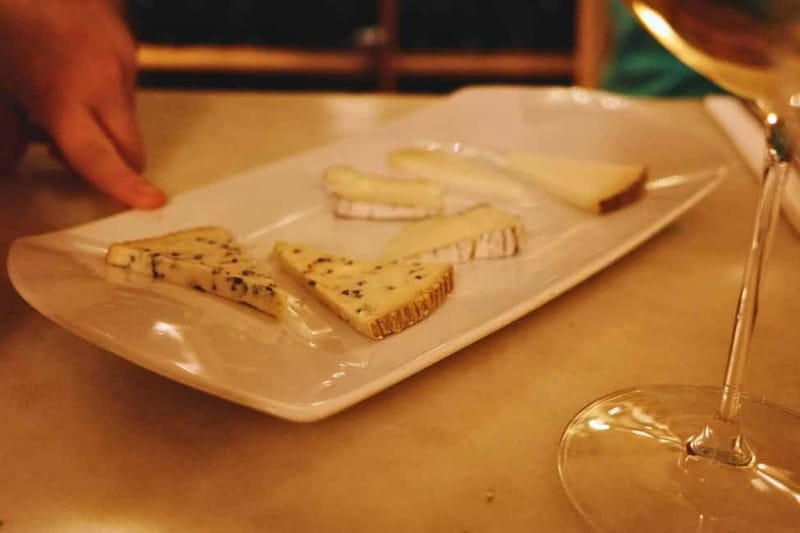
What you eat matters here. You’re not just getting a generic snack. The tasting includes premium cheese, cured meats, Catalan tomato bread, and premium wines. That combination is the point: it pairs strong flavors with wine so the food stays the star, not just an accessory.
If you’re traveling with kids or teens, the setup adjusts. For guests under 18, soft drinks are provided in place of wine.
One last thing to consider: the tasting upgrade is not wheelchair accessible. If mobility is part of your plan, treat the walking tour + museum entry as your main route, and only add tasting if you know it works for your group.
Price and value: what $47 buys you in Barcelona terms
At $47 per person, you’re paying for three things blended into one package: a guided walking experience, skip-the-line museum admission, and a guided lead-in that helps you get more out of the museum you pay to enter.
The value swings depending on what you care about most:
- If you want the museum but also want context, the guided walk can turn the museum from random rooms into a connected story.
- If you don’t like guided walking and you just want to see the museum fast, you might still appreciate the skip-the-line element, but you may feel like you paid extra for street stops you’d rather do on your own.
What tips the scale for me is the skip-the-line entry plus the “setup” for a self-guided visit. Barcelona is full of museums and churches that ask you to navigate alone. Here, you get the initial guidance and then take over inside.
The optional tasting upgrade will cost more, but it can be worth it if you want your Picasso day to finish like a real Barcelona meal rather than a hurried sandwich afterward. Also, the tasting includes a sommelier and a structured spread, not just wine at a table.
How long it takes, and how to plan your day
The duration is flexible, listed as 1 to 4 hours depending on which option you choose. The practical takeaway: treat this like a short morning or mid-day art commitment, not a whole-day event.
If you add the tasting, you should plan around that extra time and the 1:45 p.m. meet-out from the museum area. If you don’t add it, you’ll likely move through the museum at your own pace after the walk, using the guide’s tips to target what matters most to you.
If you’re building a route around other neighborhoods, the good news is the museum entrance area is where you want to be. You’re not finishing far from the action.
Guides, group size, and the vibe on the walk
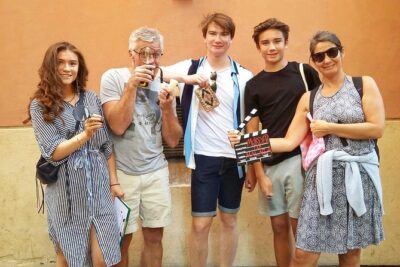
This experience runs with live tour guides, and you can choose French, English, or Italian. It also offers private or small groups, which is ideal if you hate feeling herded.
From real guide styles that show up for this activity, the standout theme is delivery: guides tend to be warm, funny, and comfortable answering questions as you walk. Names you may hear in recent tour experiences include Eoghan Owen, Cal, Thomas, Owen, and Nicholas. Even when guides differ, the pattern is the same: you’re not just collecting dates. You’re collecting stories you can picture while you look at paintings later.
That matters because Picasso can be intense. A good guide makes the day feel lighter without turning it into trivia.
Should you book this Picasso museum and walking tour?
Book it if:
- You want Picasso with context, not just images.
- You like walking through Barcelona with a purpose.
- You want skip-the-line museum entry and a guide’s pointers for self-guided exploring.
- You’d enjoy a tasting add-on and you’re booking the English option.
Consider skipping or simplifying if:
- You expect a guide inside the museum for the full time.
- You need wheelchair-friendly access for the tasting upgrade (the upgrade isn’t accessible).
- You only want museum time and dislike guided city walks.
If you want a smart, time-efficient way to connect street Barcelona to the museum’s biggest masterpieces, this is a solid bet.
FAQ
Is the Picasso Museum ticket included?
Yes. Your entry ticket to the Picasso Museum is included, and you get skip-the-line access.
Does a guide go inside the museum with you?
No. The guide helps you outside and provides tips, but the museum visit is self-guided.
Is the wine and tasting upgrade available in all languages?
No. The tasting upgrade is available only for the English option.
Where does the wine and tasting take place if I upgrade?
The tasting is held in a private room at Vila Viniteca, Carrer dels Agullers 7.
Is the tasting upgrade wheelchair accessible?
No. The walking tour is wheelchair accessible, but the upgrade is not.
Can I cancel for a refund?
Yes. You can cancel up to 24 hours in advance for a full refund.