REVIEW · MADRID
Ribera del Duero Wineries Guided Tour & Wine Tasting from Madrid
Book on Viator →Operated by Gourmet Madrid · Bookable on Viator
Ribera del Duero is wine country with real old roots. This Madrid day trip strings together three winery stops plus architecture, medieval sights, and plenty of tasting time—without you having to plan a thing.
Two things I love: you get a hands-on look at how Tempranillo goes from grape to bottle, and you taste across wineries with very different styles.
The day is long, though. Between the early start, time in transit (about 2 hours each way), and walking in and around cellars, plan for a full 10 to 11 hours.
In This Review
- Key things you’ll notice on this Ribera del Duero tour
- Why Ribera del Duero from Madrid feels like a well-paced wineday
- The 9:15am Madrid meetup and the one rule that keeps everything smooth
- The drive through the Duero wine region: what to do with two hours on the road
- Stop 1 in Ribera del Duero: your Tempranillo crash course begins with real production
- Aranda de Duero winery visit: classic tasting with a sense of elegance
- Sotillo de la Ribera: modern winery architecture right next to the vines
- Roa lunch break: freedom to eat Castilian food on your own terms
- Curiel de Duero’s underground cellar: the stop that turns history into temperature
- Back toward Madrid: how to plan the last stretch of your evening
- Price and value: what $223.82 buys you in real terms
- Guides, group size, and what to expect in the van
- Who should book this Ribera del Duero tour (and who might not)
- Should you book the Ribera del Duero Wineries Guided Tour from Madrid?
- FAQ
- What’s the duration of the Ribera del Duero day trip from Madrid?
- How many wineries do you visit, and how much wine do you taste?
- Is lunch included in the tour price?
- Where is the meeting point in Madrid?
- Do I need warm clothes for the wineries?
- Is the tour in English?
- Can children join the tour?
Key things you’ll notice on this Ribera del Duero tour
- Small-group vibe (up to 20) with real interaction at wineries
- Three winery visits with tastings of at least three wines per stop
- Medieval underground cellar in Curiel de Duero, cold and dramatic
- Modern architecture tasting at Sotillo de la Ribera, set right by the vineyards
- Lunch freedom in Roa with Castilian choices (menu not imposed)
Why Ribera del Duero from Madrid feels like a well-paced wineday
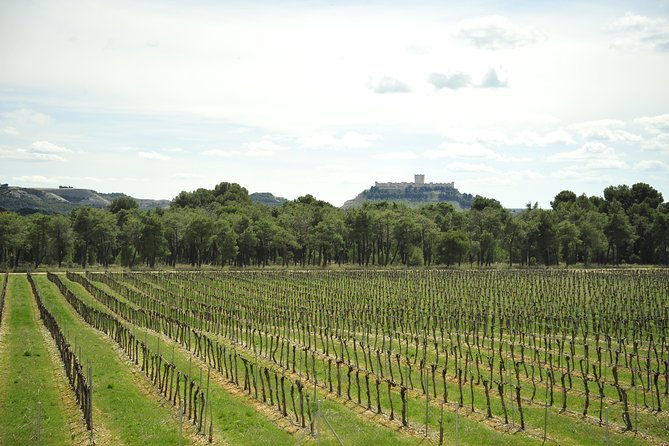
A long drive can either feel like punishment or like setup. On this trip, the ride out of Madrid gives you the context you need: you’re heading to the Duero river region, often called the river of wine, and the star grape here is Tempranillo. By the time you reach the first winery, you’re not just swirling and guessing—you know what you’re tasting and why.
I also like the tour’s structure because it respects how wineries work. You get time inside the cellars, explanations from the winemakers or staff, and snacks at the right moments so you aren’t tasting on an empty stomach. That matters, because the tastings add up fast.
You can also read our reviews of more food & drink experiences in Madrid


The 9:15am Madrid meetup and the one rule that keeps everything smooth
The meeting point is at Plaza del Conde de Casal, 6, by the front door of the Claridge hotel’s cafeteria area. The closest metro is Conde de Casal (Line 6). The tour leaves at 9:15am sharp, and they’re clear about one thing: don’t arrive late.
Here’s my practical advice. Build in extra buffer—expect 10 to 20 minutes longer than maps. Also, the cafeteria facilities are only allowed for customers, so don’t count on hanging out inside unless you’re okay with that restriction. If you’re running late and still want to join, you may be able to catch up at the first stop, but any extra cost to do that is on you.
The drive through the Duero wine region: what to do with two hours on the road
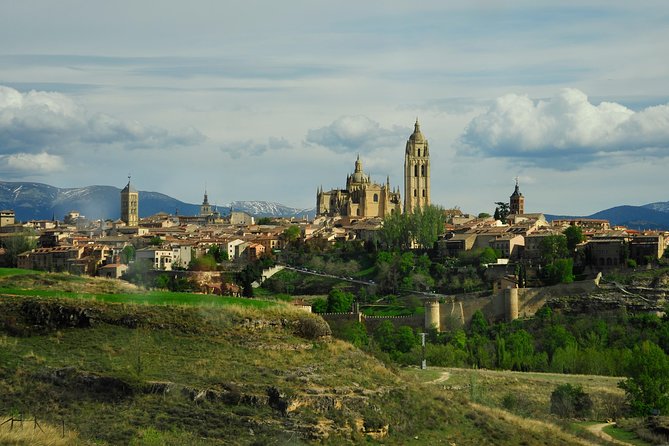
The van or coach ride to Ribera del Duero is about two hours. You’ll cross from city energy into slower countryside, and you’ll start hearing the story behind the region—winemaking, harvesting, and how weather and place shape what ends up in the glass.
One detail I’d copy from the experience: use the ride to get your bearings. It’s not the kind of day where you want to be refreshing your phone for directions every stop. If you can, plan your metro route to Conde de Casal the night before, and then you’ll arrive calmer and more ready to taste.
Stop 1 in Ribera del Duero: your Tempranillo crash course begins with real production
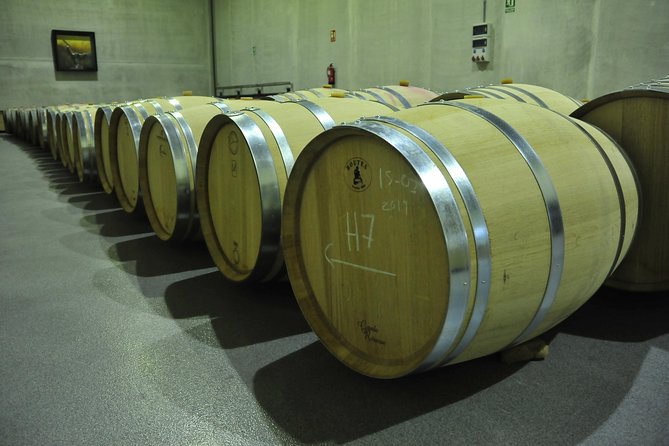
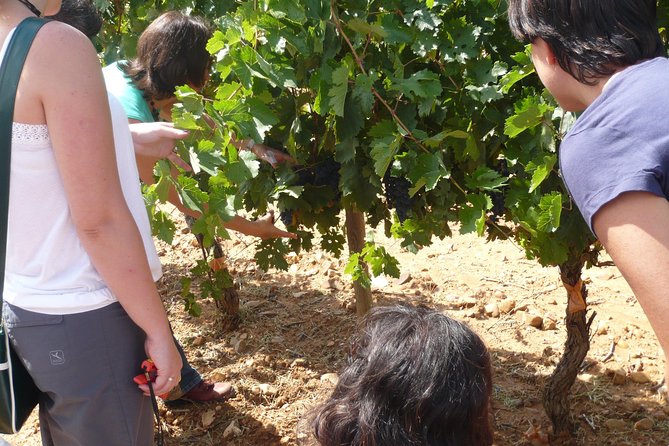
Once you’re in the Ribera del Duero area, you shift from general history to the grape that defines the region: Tempranillo. You’ll spend about two hours in this first Ribera-focused segment, and you’ll get a behind-the-scenes view of how wine is made and how the vineyards are managed under changing conditions.
Why this early stop works: it prevents the common beginner problem where every wine tastes like a blur. Instead, you start noticing structure—fruit, body, aging style—and you learn what the winemakers pay attention to during production and harvest.
Also, this first segment sets expectations for the rest of the day: you’re seeing both traditional and modern approaches across wineries, not just the same brand of tasting room three times.
Aranda de Duero winery visit: classic tasting with a sense of elegance
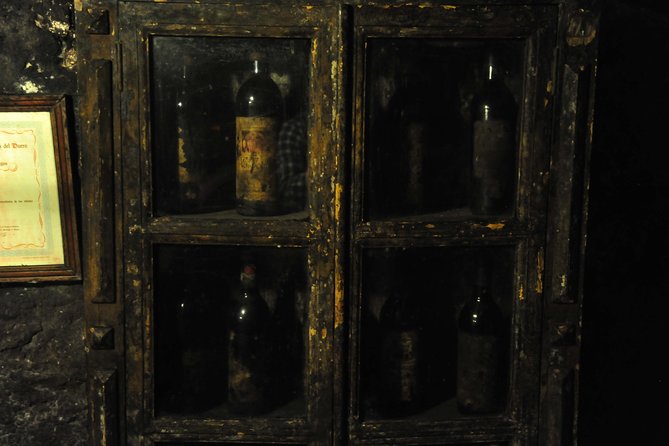
You’ll head to Aranda de Duero and do a full visit in the first winery, learning how winemaking connects from the grape to the bottle. This part runs about 1 hour 30 minutes.
A big value here is variety. Even within one region, wineries can emphasize freshness and elegance, or focus more on other characteristics through aging and production choices. You’ll taste and learn with staff from the winery itself, not just a generic overview.
If you’re new to Spanish wine, this is where you start building your mental map. You’ll likely come away with simple comparisons like: which wines feel more crisp, which feel more structured, and how aging changes the aroma and feel.
You can also read our reviews of more guided tours in Madrid





Sotillo de la Ribera: modern winery architecture right next to the vines
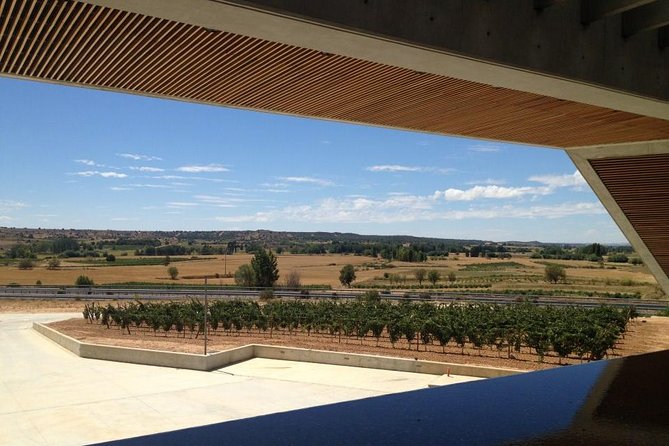
Next comes Sotillo de la Ribera, where the second winery leans into modern design—open, light-filled spaces that connect the interior with the vineyards. This stop is also about 1 hour 30 minutes.
I like this stop because it stops the day from becoming one-note. One winery can feel historical and underground; another can feel like a contemporary workspace. That shift helps you understand that wine isn’t frozen in time. Families and modern producers are still refining how they make and present wine, including limited production wines.
And yes, you’ll taste again—minimum three wines at this stop too—so you’ll be able to compare styles you learned earlier with a fresh perspective from a different kind of facility.
Roa lunch break: freedom to eat Castilian food on your own terms
Then you hit Roa, and you get about one hour of free time for lunch. Lunch is not included, and they don’t force a specific menu, which is great if you want control.
What you can realistically do with this slot:
- grab tapas or a light meal if you’re in a hurry
- go for a more complete Castilian lunch if you want something substantial
Budget guidance is given as about €12–15 for tapas or around €30 for a full three-course meal.
This is also where I recommend you stop thinking like a tourist and start thinking like a local diner. Stay flexible. The trip runs long, and you’ll appreciate a meal that matches your energy level. If you know you’re sensitive to long tasting days, choose something lighter so the next cellar visit doesn’t feel rough.
Curiel de Duero’s underground cellar: the stop that turns history into temperature
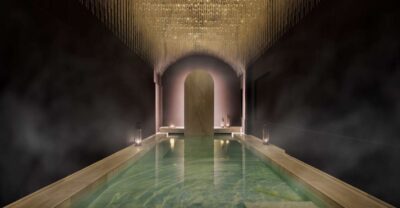
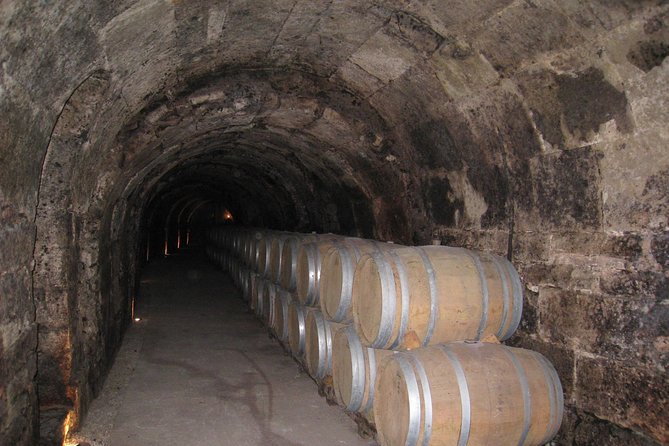
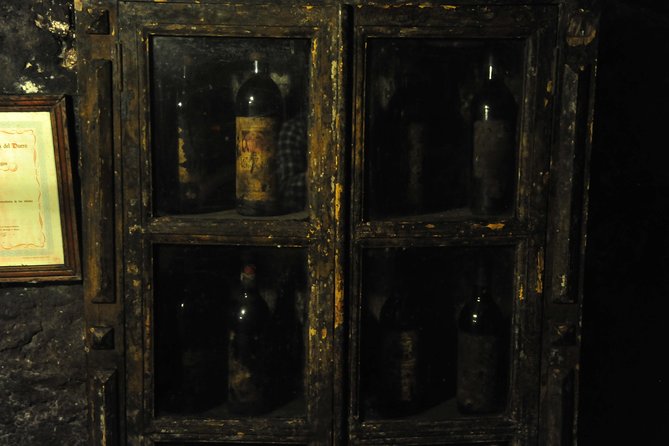
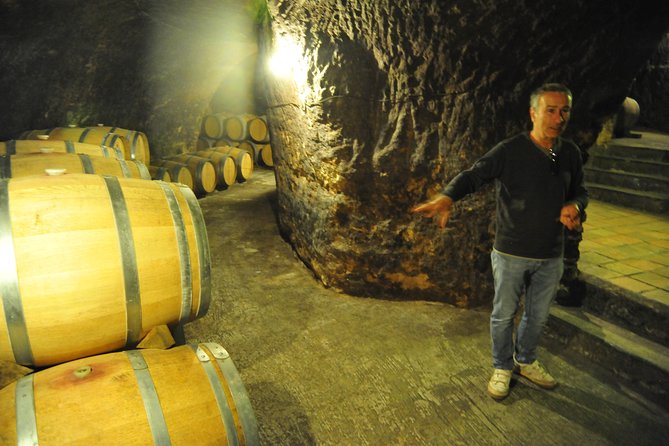
The third winery visit is in Curiel de Duero and it’s special in a very physical way: a medieval underground cellar, with about 4 miles of tunnels and excavated roughly 40 feet down. The tunnels are used for preserving wines made since the Middle Ages.
Expect it to be cold. The tour specifically notes that cellars are chilly, so bring something warm enough for layers. Even if you’re comfortable outside, underground air changes how you feel fast.
Why this cellar stop is worth pacing yourself: it makes wine history tangible. You can almost picture why underground storage mattered—consistent temperatures, careful preservation, and an environment built for keeping wine stable. When the guide explains how the cellar helped over centuries, it makes the tasting feel more grounded.
Back toward Madrid: how to plan the last stretch of your evening
After the winery stops, you return to Madrid. The drive takes about two hours, and arrival is around 8pm (20h), depending on traffic. Then the tour ends back at the original meeting point.
My advice: don’t schedule something demanding right after. This is one of those days where you’ll want a low-effort dinner or a quiet wind-down, especially because tasting starts early and the day includes both walking and time underground.
Price and value: what $223.82 buys you in real terms
At about $223.82 per person, this isn’t a budget activity. But it also isn’t just a tasting desk with a bus ride. You’re paying for:
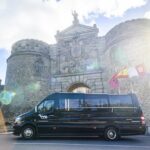
- roundtrip air-conditioned transport by van or coach
- three winery visits
- wine tasting with minimum three wines at each stop
- a local bilingual guide (English and Spanish)
- snacks provided so you’re not drinking on an empty stomach
When you factor in the number of winery experiences and tastings, the price starts to make sense for what you’re actually buying: time, expert guidance, access to wineries that are hard to organize on your own, and a full day that’s mostly planned for you.
The only true “extra” cost is lunch in Roa (since it’s free time and not included), plus anything you choose to purchase at the wineries. Some people end up buying bottles to ship later, but you’ll decide that based on your tastes that day.
Guides, group size, and what to expect in the van
The tour caps at 20 travelers, which is one reason the day feels personal instead of chaotic. It’s still a long day, so the ride can feel a bit tight in certain vehicles, but the point is that you’re a manageable group at each stop.
Guide names you may be with include Ismael, Mina, Muna, Antonio, Alfonso, Cos, or CoSmin. Their common thread in the experience is that you’ll get history and wine production context along the drive and at the wineries, plus help keeping the schedule comfortable for the group.
Also remember the tour is English-friendly: it’s offered in English, and the operator is bilingual if needed.
Who should book this Ribera del Duero tour (and who might not)
This tour is a strong fit if you:
- want a structured wine day without juggling reservations
- enjoy both traditional cellar history and modern winery design
- like learning the basics of how Tempranillo and Ribera winemaking connect to what you taste
It may not be your best choice if you:
- hate long days and don’t handle travel time well
- want a short, flexible schedule with minimal moving
- have kids—children under 12 cannot take part, and minimum age is 18 for tasting
Should you book the Ribera del Duero Wineries Guided Tour from Madrid?
If you’re choosing just one wine-focused day trip from Madrid and you want it to feel like a real region—vineyards, history, and cellars—this one is an easy yes. The three winery format, repeated tastings, and the standout Curiel de Duero underground cellar give you enough variety to avoid the cookie-cutter problem.
Book it if you can commit to the early meetup and you pack a layer for the cellars. If you’d rather drink only occasionally or prefer a fully self-guided pace, you might prefer a shorter or more flexible option—but for a first-time Ribera del Duero experience, this is a very solid, value-leaning way to do it.
FAQ
What’s the duration of the Ribera del Duero day trip from Madrid?
The tour runs about 10 to 11 hours, depending on traffic in Madrid.
How many wineries do you visit, and how much wine do you taste?
You visit three wineries. Wine tasting includes a minimum of three wines at each winery.
Is lunch included in the tour price?
No. Lunch time in Roa is free, and you choose your own restaurant. The tour gives budget guidance such as tapas around €12–15 or a full three-course meal around €30.
Where is the meeting point in Madrid?
The meeting point is at Plaza del Conde de Casal, 6, by the front door of the Claridge hotel’s cafeteria. The tour starts at 9:15am.
Do I need warm clothes for the wineries?
Yes. The tour notes that inside the cellars it is a bit cold, so bring warm layers.
Is the tour in English?
Yes. The tour is offered in English, and the guide is bilingual (English and Spanish) if needed.
Can children join the tour?
Children under 12 cannot take part. Also, the tour states minimum age is 18 for tasting at the wineries.