REVIEW · BARCELONA
Barcelona: Palau de la Música Guided Tour in Japanese
Book on GetYourGuide →Operated by The Touring Pandas · Bookable on GetYourGuide
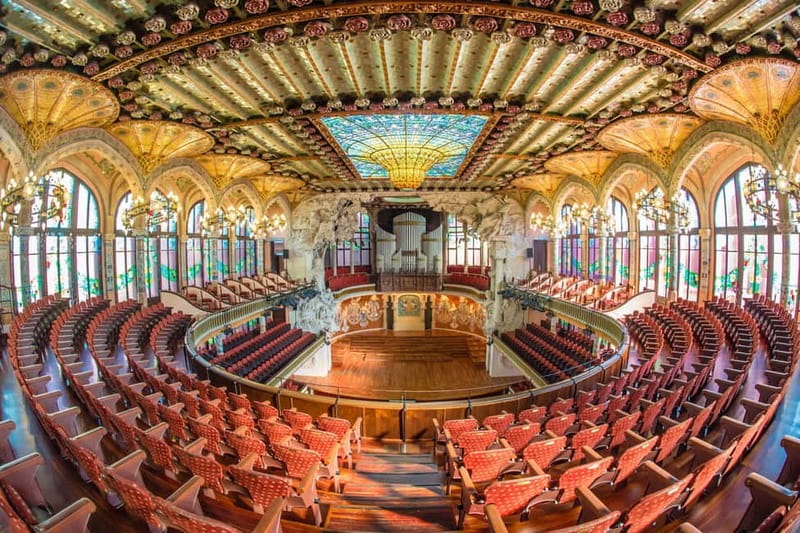
A skylight turns architecture into theater. I love the chance to see Palau de la Música Catalana up close with a Japanese guide, while you’re still looking at it as a real, working concert hall—not just a photo spot. The whole hour is built around one simple goal: help you read the building’s details and understand what they mean.
Two things I like a lot. First, you get a guided walkthrough of the hall’s most famous elements—the intricate modernist decoration—with clear explanations you can actually follow through the included headsets. Second, the central skylight is the kind of feature that changes how you see the space, because it brings natural light right into the auditorium instead of keeping everything dim and distant.
One drawback to plan for: it’s not suitable for wheelchair users, and timing matters. Arrive about 10 minutes early, because if you miss the group window, you may lose your place.
In This Review
- Key highlights at a glance
- Why Palau de la Música Catalana feels different from other “sights”
- Getting real value from a Japanese guided tour
- Finding your meeting point near the Carmela sculpture
- Inside the concert hall: the skylight moment
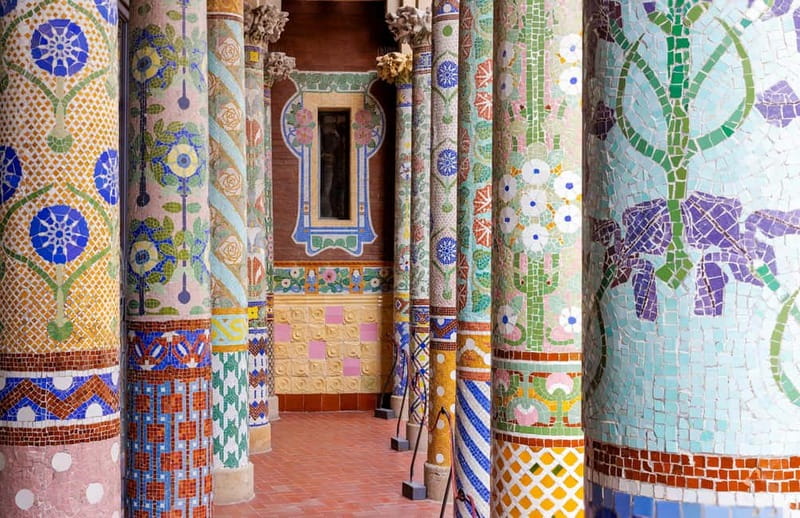
- Modernist details you’ll actually be able to name
- Stories behind the decoration: artisans, symbolism, and muses
- A clear 1-hour plan: how to get the most out of the pace
- Price and value: what $34 buys you (and what it doesn’t)
- Practical etiquette: what to do with your camera and time
- Who should book this tour, and who should think twice
- Should you book? My honest take
- FAQ
- How long is the Palau de la Música guided tour?
- Is this tour available in Japanese?
- What does the ticket price include?
- Does it include skipping the ticket line?
- Where do I meet the guide?
- What are the rules for photography?
- What should I bring or do before the tour?
- Is transportation or food included?
- Is this tour suitable for wheelchair users?
Key highlights at a glance
- Japanese guide explanations focused on the building’s meaning, not just names
- Skip-the-ticket-line entry with guaranteed admission
- Central skylight that bathes the auditorium in natural light
- Stories about craftspeople and symbolism behind the decoration
- Headsets included so you can hear the guide clearly during the full 1-hour tour
Why Palau de la Música Catalana feels different from other “sights”
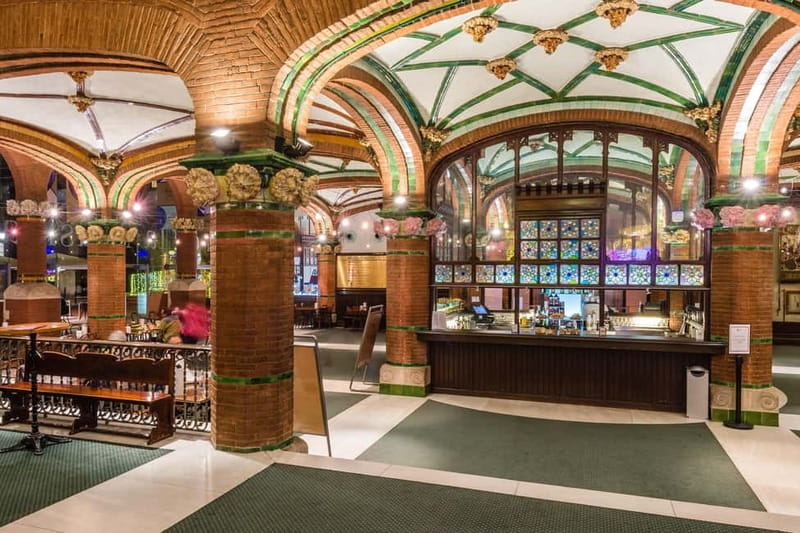
Palau de la Música Catalana is one of Barcelona’s most famous modernist buildings, and it has UNESCO World Heritage status for a reason. It’s not just about looking pretty. It’s about how every surface, curve, and material contributes to the experience of music and performance.
The designer is Lluís Domènech i Montaner, a key name in Catalan modernisme. What I find so compelling is the human side of it: you’re taught that artisans played a major role, and the hall’s construction is described as happening in just three years. That matters, because it frames the building as a serious collective effort, not some slow, vague artistic project that took “forever.”
You can also read our reviews of more guided tours in Barcelona


Getting real value from a Japanese guided tour
If you’re Japanese-speaking, this format is a smart shortcut. The hall is packed with references you might not catch on your own—symbols, material choices, and design intentions. With a Japanese-speaking guide, you don’t just see the decoration. You learn why it was made that way.
The tour also gives you practical audio support. You’ll get headsets, so you can keep moving through the space without craning your neck or losing the explanation when sound gets tricky. That’s a small thing, but it’s the difference between catching the highlights and actually following the story.
Also, skip-the-ticket-line and guaranteed admission are real value. You’re paying $34 for less waiting and more time listening, and that’s especially useful in a busy city where lines can eat up your energy.
Finding your meeting point near the Carmela sculpture
Before you even enter, you’ll want to find the right starting spot fast. The meeting point is next to the sculpture Carmela—described as a giant head—in front of the main entrance. Look for the guide holding a sign with a The Touring Pandas logo.
This is one of those details that can make or break a smooth first 5 minutes. If you arrive late, you’re not just late—you risk missing the group. The tour says to arrive 10 minutes early, and I’d treat that as non-negotiable.
Inside the concert hall: the skylight moment
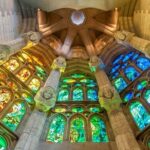
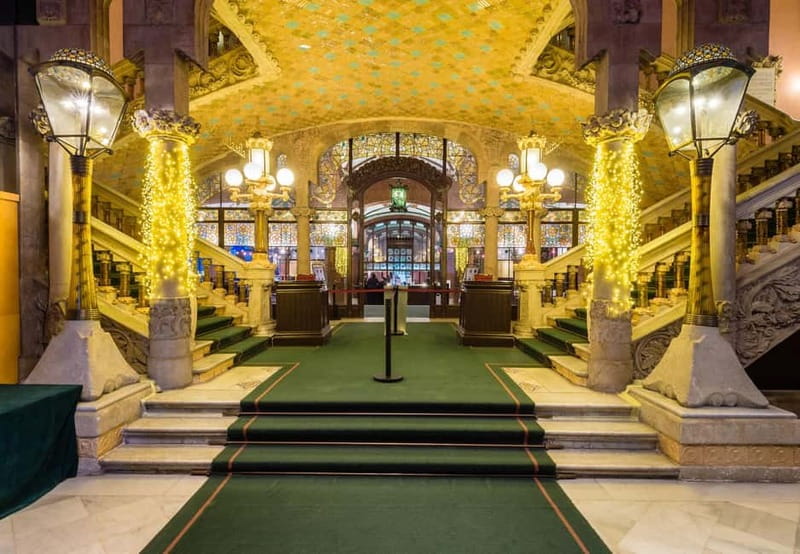
The star visual, as the tour experience highlights, is the central skylight. It bathes the auditorium with natural light, and that changes the mood of the whole space. Instead of a “look at ceiling” moment, you get a real sense of brightness and openness inside a building that’s otherwise filled with ornate detail.
Your guide will connect what you see to what it’s doing. Light is not just decoration here; it’s part of the show. That’s why, even though the tour is only one hour, the skylight gets emphasis. It’s the anchor that helps you understand the rest of the hall’s design choices.
If you like architecture, this is where you’ll feel your attention sharpen. You start noticing how stained glass, sculpture, and metalwork interact with the light instead of sitting there as separate pieces.
Modernist details you’ll actually be able to name
A self-guided visit can leave you overwhelmed: beautiful things everywhere, and no sense of what to focus on. This guided tour helps you point your eyes. You’re shown the harmonious blend of sculpture, mosaic, stained glass, and ironwork that decorates the hall.
Here’s what makes that useful: once you know the categories, you can start grouping details in your mind. You look up and think, That’s stained glass. That’s mosaic work. That metalwork has a design logic. Then the hall stops feeling like random ornament and starts feeling like an intentional visual system.

Stories behind the decoration: artisans, symbolism, and muses
One of the most interesting parts of this tour is the focus on the meaning behind the decoration. You don’t just walk through; you hear stories behind the designs. The guide explains the history of the building and the artisans who built it, which helps you understand why certain elements look the way they do.
The tour also points out symbolic aspects tied to performance. You’ll hear about muses that inspire performers and audiences alike. That’s a great concept to hold onto while you look at the hall’s ornamentation, because it turns the decoration from “nice shapes” into “ideas about creativity.”
Pay attention to how the guide explains symbolism while you’re looking at the hall. You’ll get more out of the time when you treat the explanation like a map.
A clear 1-hour plan: how to get the most out of the pace
The tour lasts one hour, so it’s paced for attention, not wandering. In that time, the goal is to cover the hall’s most important features and the stories attached to them. If you love details, you still get enough time to enjoy them—just don’t expect a slow, stop-everywhere visit.
What I’d do in your shoes: pick a few “must-focus” items before you enter. For this tour, the obvious three are the skylight, the stained glass/mosaic/ironwork decoration, and the artisans-and-symbols story. When the guide moves on, you can follow while still keeping those anchors in mind.
Comfort matters too. The tour advises you to wear comfortable shoes for walking. You’ll be moving through a compact space while listening, so you don’t want sore feet cutting your attention.
Price and value: what $34 buys you (and what it doesn’t)
At $34 per person for a 1-hour Japanese guided tour, you’re paying for three things: expert interpretation, guaranteed access, and fewer hassles on arrival.
Included:
- guaranteed admission (so you’re not gambling on entry timing)
- a one-hour guided tour in Japanese
- expert guide plus headsets to hear explanations
- skip-the-ticket line
Not included:
- transportation to and from the Palau
- food and drinks
That pricing makes sense if you care about understanding the architecture, not only photographing it. If you only want a quick look and don’t need language support, self-guided might be cheaper. But if you want the meaning of the decoration explained and you’d rather not lose time waiting, this fee starts to feel fair.
Practical etiquette: what to do with your camera and time
A small but important rule: flash photography isn’t allowed. That’s worth respecting because it helps keep the space comfortable while you’re inside.
Also, plan your arrival buffer. The tour says to arrive 10 minutes early, and there’s a clear lesson in the types of problems people run into: if you miss your start window after making a last-minute scramble, you may not get to join. Build in time for finding the Carmela meeting point and matching the guide’s logo sign.
Who should book this tour, and who should think twice
This is a strong match if you:
- want a Japanese-speaking guide for a detailed, explanatory visit
- love modernist architecture and want the symbolism explained
- prefer a structured 1-hour experience over a long self-guided day
It may not be a great fit if you:
- need wheelchair access, because the tour is not suitable for wheelchair users
- don’t like tours with audio and guided pacing
- are arriving with a tight schedule and can’t manage a 10-minute early arrival
Should you book? My honest take
I’d book this tour if you want to leave with more than photos. The combination of guaranteed admission, skip-the-ticket-line entry, headsets, and Japanese explanations makes it a tidy way to understand why Palau de la Música Catalana looks the way it does. The central skylight and the decoration’s symbolism are exactly the kind of features that reward guided context.
I’d skip it only if timing stress is a problem for you, or if you need wheelchair accessibility. Otherwise, for $34, this feels like a clean, focused way to experience one of Barcelona’s most important modernist interiors.
FAQ
How long is the Palau de la Música guided tour?
It lasts 1 hour.
Is this tour available in Japanese?
Yes. The tour is in Japanese.
What does the ticket price include?
You get guaranteed admission, a 1-hour guided tour in Japanese, and an expert guide with headsets.
Does it include skipping the ticket line?
Yes, admission is set up so you skip the ticket line.
Where do I meet the guide?
Meet next to the sculpture Carmela (a giant head) in front of the main entrance. Look for the guide holding a sign with a The Touring Pandas logo.
What are the rules for photography?
Flash photography is not allowed.
What should I bring or do before the tour?
Wear comfortable shoes for walking and arrive about 10 minutes before the tour starts.
Is transportation or food included?
No. Transportation and food and drinks are not included.
Is this tour suitable for wheelchair users?
No, it’s not suitable for wheelchair users.