REVIEW · BARCELONA
Bean to Bar Chocolate Workshop in Barcelona
Book on GetYourGuide →Operated by Kina Chocolates · Bookable on GetYourGuide
Cocoa goes from pod to your hands fast. This 2-hour bean-to-bar workshop at Local Kina Chocolates is all about turning cacao into chocolate step by step, while you learn the science and the story of where it all began. You’ll handle real cocoa beans, taste cocoa drinks, and leave with a bar you made yourself.
What I like most is how hands-on it stays. You roast, peel, grind, and make cocoa paste with your own hands, not just watch it happen. Second, the format is organized and story-led: guides like Oscar/Oskar, Renée, and Franklin (you’ll hear different teaching styles depending on the instructor) connect flavor with history and the bean-to-bar way of thinking.
One thing to consider: the experience is hands-on and a bit messy (cocoa dust is real), and you only make one take-home bar in the class. If you’re expecting a long, home-brewer level session where you leave having produced lots of finished chocolate, adjust your expectations.
In This Review
- Key highlights I’d circle on your Barcelona plan
- Where the workshop happens: Local Kina Chocolates in Catalonia
- The 2-hour flow: what you actually do (not just what you taste)
- Start with the cacao pod and what happens before chocolate
- Roast, peel, and grind: the classic bean-to-bar steps
- Make cocoa-based drinks while learning the story
- Finish by making one chocolate bar you take home
- Tasting and history: why the workshop feels bigger than a “chocolate class”
- History is tied to the process, not tacked on
- Bean-to-bar thinking: more than taste, it’s value chain awareness
- Who should do this in Barcelona (and who might want to skip)
- Price and value: is $47 fair for what you get?
- Practical tips before you go (so you enjoy the messy parts)
- Should you book Kina Chocolates bean-to-bar workshop?
- FAQ
- How long is the bean-to-bar chocolate workshop in Barcelona?
- What is included in the $47 price?
- Do you get to take anything home?
- Where do I meet for the workshop?
- What languages does the instructor use?
- Is the workshop wheelchair accessible, and how many people are in a group?
Key highlights I’d circle on your Barcelona plan
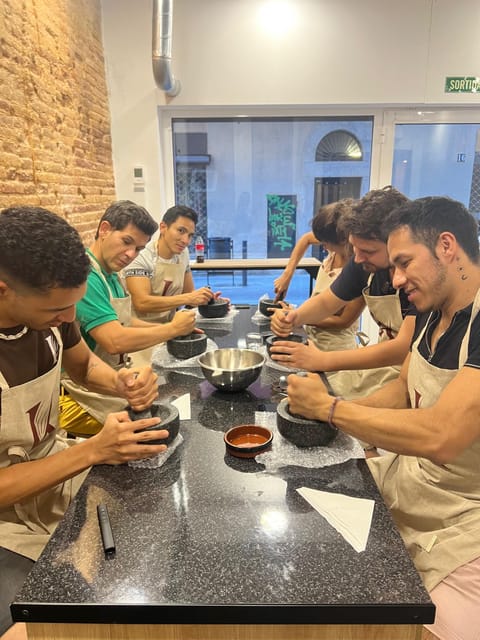
- Pod-to-paste work with real cacao beans: roast, peel, grind, and form cocoa paste during the workshop.
- You make a take-home chocolate bar after tasting different cocoa samples and drinks.
- Small group size (up to 8) keeps the attention on your questions and your pace.
- Cocoa drinks plus chocolate tastings help you connect process to flavor, not just eat sweets.
- Bean-to-bar and farmer fairness are part of the lesson, so it’s more than a chocolate-making party.
- Two languages (Spanish and English) with an instructor who can switch between them.
Where the workshop happens: Local Kina Chocolates in Catalonia
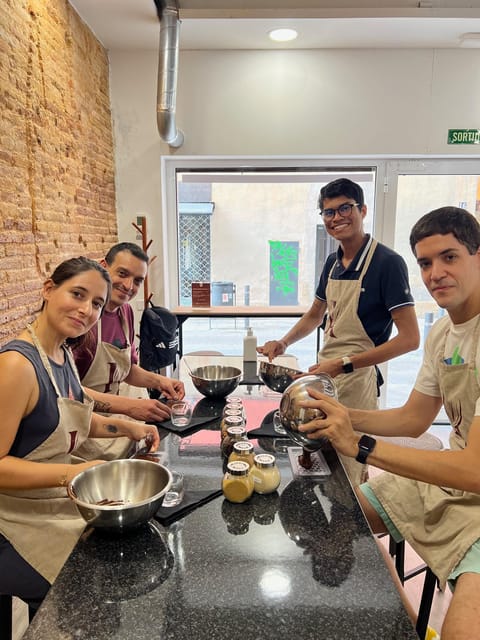
The meeting point is Local Kina Chocolates, and that matters more than you might think. This isn’t an anonymous classroom. It’s a working artisan chocolate shop environment, which keeps things grounded: you’re learning about chocolate production in the same place where chocolate is made and sold.
The workshop is priced at $47 per person for 2 hours, which is a solid value for Barcelona if you want something active instead of another “walk and look” attraction. You’re also not leaving with just a tasting note. The class includes your materials, plus an apron and hat, and you’ll get a personalized certificate and a short summary sheet to take home.
If you’re planning around your energy level, remember it’s geared for adults and teenagers. Many families report it works well with older kids, especially teens and kids around late primary school, but it still moves through real process steps.
You can also read our reviews of more drinking tours in Barcelona



The 2-hour flow: what you actually do (not just what you taste)
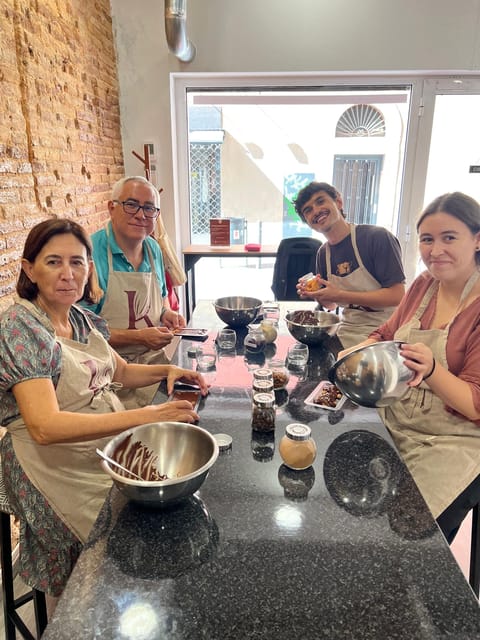
This workshop runs like a guided chocolate lab with storytelling woven in.
Start with the cacao pod and what happens before chocolate
You begin with context: you can observe a cocoa pod and learn what’s done in the fields to get from fruit to beans. That first step is a fast reality check. Most people see chocolate and forget cacao is an agricultural crop with its own geography and timing.
Then you shift toward the workshop’s practical core: the bean.
Roast, peel, and grind: the classic bean-to-bar steps
The main stages are where the experience earns its five-star reviews. You’ll get your hands on the process:
- Roast the cocoa beans
- Peel them
- Grind them
- Make your own cocoa paste
In plain terms, roasting changes how the beans smell and taste. Peeling is the physical step that turns whole beans into usable material. Grinding is where you see why chocolate is more than a “solid candy”—you’re transforming texture and flavor into something workable.
One review called out the activity as “greasy,” which you should treat as a warning in a good way: you’re working with cacao, and cacao has oils. You’re given an apron and hat, but you’ll still want to wear clothes you don’t mind being cocoa-adjacent.
Make cocoa-based drinks while learning the story
As you move through the process, you also prepare and taste various cocoa-based drinks. This is a smart addition. It helps you understand that cocoa has a use history beyond bars: people have enjoyed cocoa beverages for a long time, and different preparation styles change the flavor experience.
Reviews also mention tasting cocoa nibs and sampling chocolate tied to different origins/climates. The overall message is consistent: tasting isn’t random here. It’s used to explain how origin and processing show up on your palate.
A few more Barcelona tours and experiences worth a look

Finish by making one chocolate bar you take home
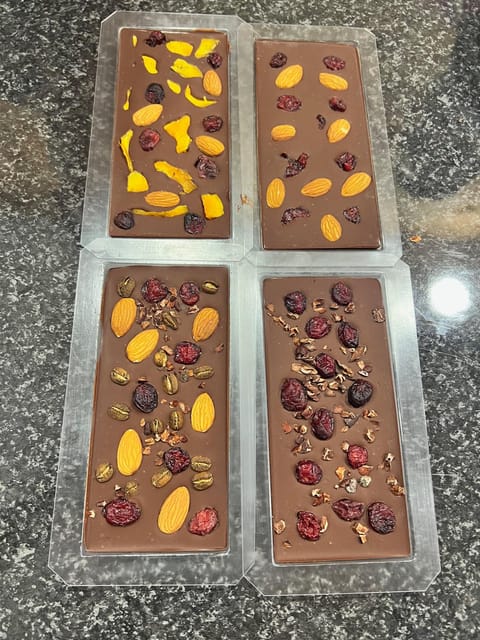
The last part is the payoff. You end by making your own chocolate bar to take home. This is the moment most people remember because you’re not just learning steps—you’re applying them.
One practical thing: Barcelona heat can be real. If your plan is to walk around afterward, keep the bar protected and plan a quick route back to your hotel or day bag. A melted bar at the end isn’t the instructor’s fault, but it is a common travel problem.
Tasting and history: why the workshop feels bigger than a “chocolate class”
Chocolate workshops can become repetitive fast: taste something, make something, leave. This one usually lands differently because it treats chocolate like a chain of decisions.
History is tied to the process, not tacked on
You’ll learn about the history of chocolate alongside what’s happening to the beans. The class includes discussion of ancient chocolate use and how consumption evolved. In practice, the guide’s storytelling makes the technical steps easier to remember.
Guides such as Oscar/Oskar and Renée (and Franklin is mentioned as well) are described as passionate and quick to answer questions. That’s not a small detail. When you can ask why one step matters, you start tasting more precisely instead of just saying good or bad.
Bean-to-bar thinking: more than taste, it’s value chain awareness
A key part of the workshop is the bean-to-bar discussion, including how local cocoa-producing communities live and work. The class also talks about what it means for chocolate to be produced in a more direct way, compared with the mass-market approach where sugar, additives, and processing can overwhelm bean character.
Even if you don’t care about economics, this changes your tasting. You start looking for flavor clarity—less “sweetness over everything,” more bean character showing through.
Who should do this in Barcelona (and who might want to skip)
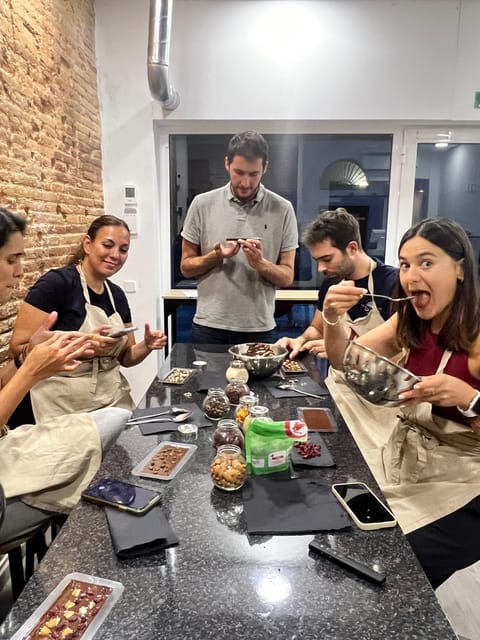
This workshop is a great fit if you want:
- A hands-on activity that uses your senses
- Real process steps like roasting and grinding
- A short class you can finish in your afternoon without commuting stress
- Food learning that doesn’t feel stiff
It’s also a strong option for families where kids are old enough to enjoy active tasks. Reviews mention the experience worked for mixed ages, including kids in the 10–12 range and teens. For younger kids, you might find it a little intense because you are working with tools and moving through multiple stages in a short time.
You might want to skip or choose something else if:
- You mainly want to eat chocolate and shop for chocolate, not learn steps
- You’re expecting to make multiple finished bars in 2 hours
- You’re sensitive to mess or oils (cocoa dust is part of the deal)
Price and value: is $47 fair for what you get?
At $47 for 2 hours, you’re paying for three things that matter in real life:
- Labor-heavy instruction and equipment time
Roasting, peeling, grinding, and forming cocoa paste takes real work. In a small group (limited to 8 participants), the instructor isn’t just running through a demo.
- Ingredients and tasting components included
You’re not only making a bar. You’re tasting cocoa-based drinks and samples that help you understand flavor differences.
- A tangible souvenir you created
A take-home bar isn’t just fun. It’s practical proof you learned the steps. And it can lead to better chocolate choices later, which is value beyond the souvenir.
If you’re comparing against Barcelona activities that cost similar money but feel like “listen and leave,” this one tends to win because you do real work with real cacao.
Practical tips before you go (so you enjoy the messy parts)
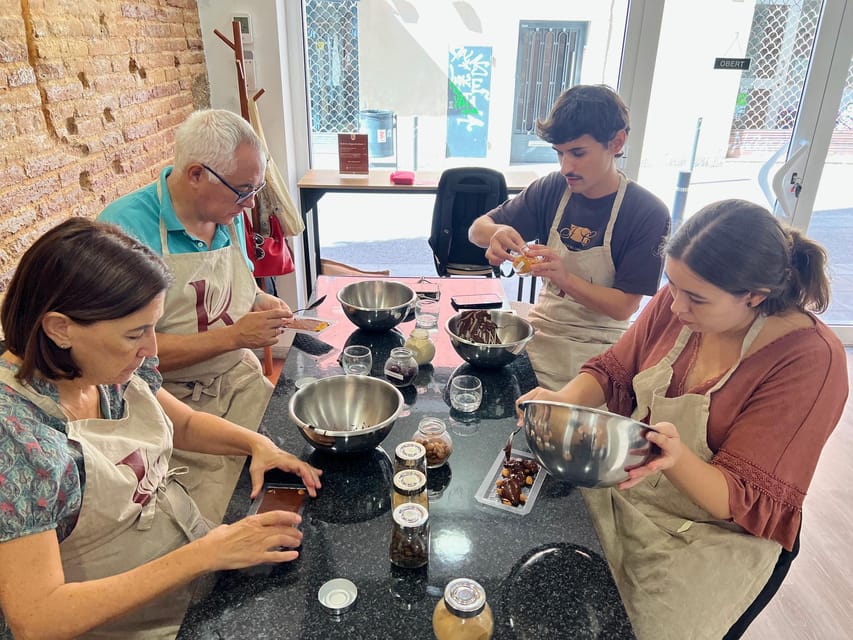
Based on how the workshop is described, here’s how to set yourself up for success:
- Wear clothes you don’t mind getting cocoa dust on. You’ll get an apron, but cocoa is cocoa.
- If you have allergies or intolerances, tell the team ahead of time so they can adapt the workshop.
- Plan your route after the class with your bar in mind, especially in warm weather.
- If you prefer English or Spanish, note that the instructor can work in Spanish and English, and some content may appear in the original language as well.
Wheelchair accessibility is listed, and the group is kept small, which usually makes the space feel easier to navigate than larger tours.
Should you book Kina Chocolates bean-to-bar workshop?
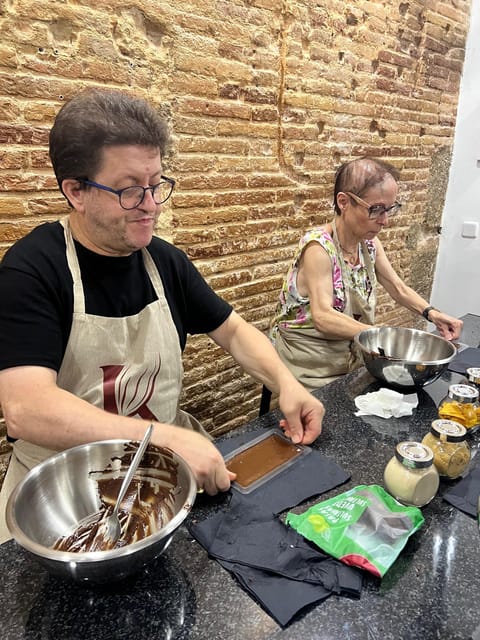
Yes, you should book this if you want a short, active Barcelona experience with actual process steps. The big reason to do it is the combination: you handle cacao yourself, you taste and compare flavors, and you leave with a bar you made. It’s not just another sweet stop.
Skip it if you want hours of free-form chocolate crafting or if you’re uncomfortable with hands-on mess. Also, if you’re only interested in buying chocolate and don’t care about learning how beans turn into chocolate, this may feel too educational for your taste.
FAQ
How long is the bean-to-bar chocolate workshop in Barcelona?
The workshop lasts 2 hours.
What is included in the $47 price?
It includes all necessary materials and utensils, an apron and a hat, a personalized certificate, and a summary of the workshop. The session also includes the hands-on steps and tastings that go with making your chocolate bar.
Do you get to take anything home?
Yes. You will make 1 chocolate bar to take home.
Where do I meet for the workshop?
The meeting point is Local Kina Chocolates.
What languages does the instructor use?
The instructor works in Spanish and English.
Is the workshop wheelchair accessible, and how many people are in a group?
Yes, it is listed as wheelchair accessible, and it’s a small group limited to 8 participants.