REVIEW · BARCELONA
Gaudi’s Barcelona 2-Hour Segway Tour with a Live Guide
Book on GetYourGuide →Operated by Euro Segway · Bookable on GetYourGuide
Segwaying Gaudí’s Barcelona feels unreal. In two hours, I like how the Segway training turns the streets into an easy, low-effort ride while you chase Sagrada Família and other modernist surprises. One drawback to plan around: the tour is sightseeing-first, with stops that move pretty quickly, and the Segway rules (age and health/weight) knock some people out.
I also love the mix of old and new city. You start in the Barrio Gòtic, then roll into the wider boulevards of L’Eixample-style Barcelona, and finish with park time in Ciutadella. If you want long, slow walks and museum-style pacing, this won’t be that kind of day.
Price-wise, it’s $81 for a 2-hour guided ride with the equipment, helmets, raincoats, and the lesson/test ride. It’s not “cheap,” but it’s solid value if you like efficient exploring and you’re okay with photo stops instead of ticketed entries.
In This Review
- Key highlights worth your attention
- Segway training at the start: where the tour really begins
- Barrio Gòtic and Gothic Quarter photo stops: compact streets, big payoff
- Vila Olímpica and La Monumental: seeing modern Barcelona without the stress
- L’Eixample boulevards on a glide: Gaudí’s city planning lesson
- Sagrada Família from street level: unfinished towers, up close time
- Arc de Triomf and the trip toward uptown: the city changes fast
- Parc de la Ciutadella: dragon castle and the small moments
- Barri de la Ribera and final landmarks: winding lanes, then back to Correos
- Who should book a Gaudí Segway tour, and who should skip it
- Price and practical value: is $81 worth it?
- Tips to make your Segway day easier
- FAQ
- How long is the Gaudí Barcelona Segway tour?
- Where do I meet the tour?
- Is entry to Sagrada Família included?
- What’s included in the price?
- Who can’t ride the Segway?
- What languages are offered?
- Should you book this Gaudí Barcelona Segway tour?
Key highlights worth your attention
- Real Segway time before you go sightseeing: you get a safety briefing and then ride, not just watch.
- Gaudí’s Barcelona in two styles: medieval streets around the Gothic Quarter, then modernist geometry in the uptown areas.
- Sagrada Família seen from the outside: you can take your time with the unfinished towers without worrying about ticket lines.
- Ciutadella Park on a Segway: smooth glide time through the park’s paths plus specific photo stops like the Castle of Tres Dragons.
- Small-group handling inside a larger schedule: up to 30 riders may be booked, but you ride in groups of 6 or less with a guide.
- Flexible timing when it works: I’ve seen guides adjust the pace when the group has extra comfort or specific interests (hello, Alex and Ivan energy).
Segway training at the start: where the tour really begins
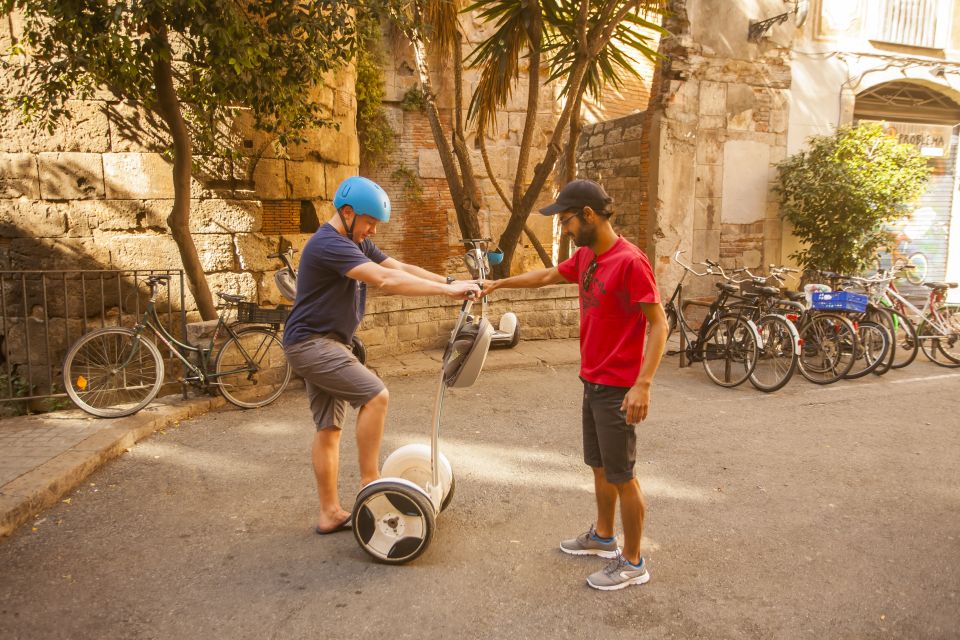
The experience starts at Carrer del Correu Vell, 6, then you move into a quick training setup in the old-town area around Plaça dels Traginers. That first chunk matters. If you’re nervous, you’ll want this time to practice turns, balancing, and stopping so the sights don’t feel like work.
You don’t just get handed a device and wished good luck. The tour includes a driving lesson and test-drive, plus helmets and raincoats. And since the schedule can split into smaller groups, you’re not usually stuck feeling rushed by a big pack.
One practical note: Segways have weight limits. You’ll need to be within 35 to 130 kg (75 to 286 lbs). Also, the tour isn’t for everyone—no riders under 16, no pregnant riders, and no one with heart problems.
You can also read our reviews of more guided tours in Barcelona



Barrio Gòtic and Gothic Quarter photo stops: compact streets, big payoff
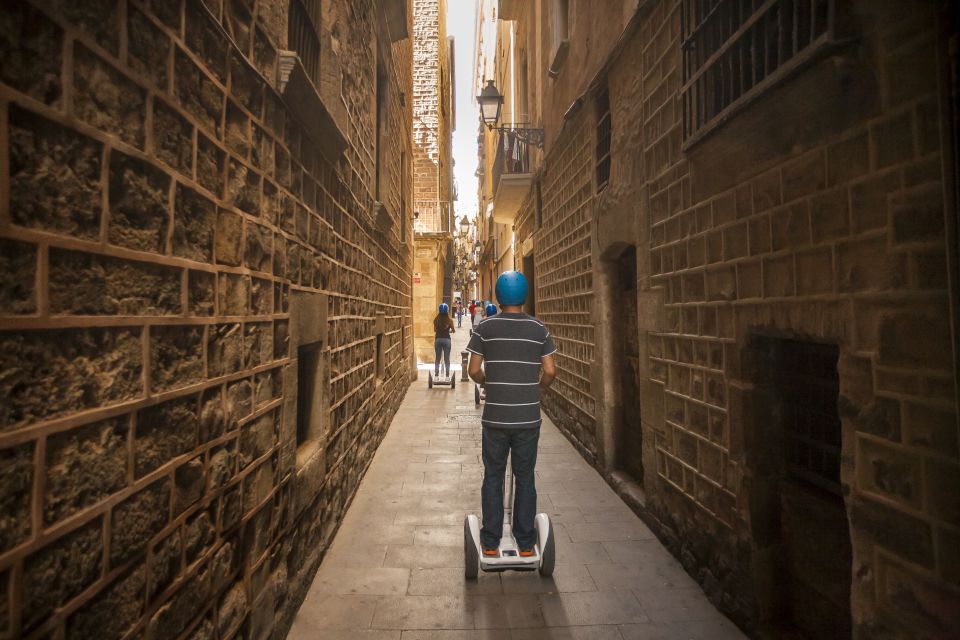
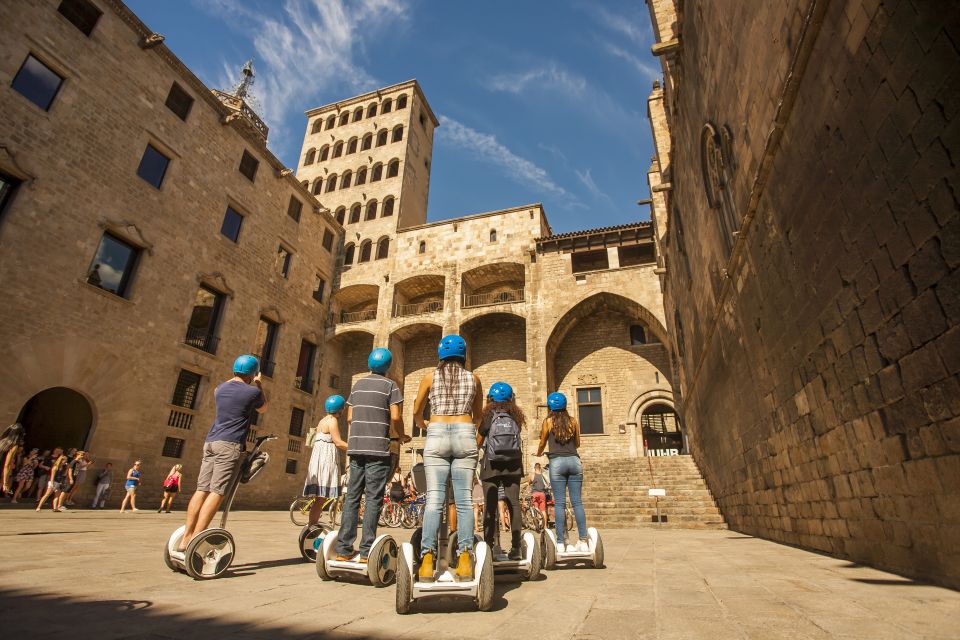
After training, you roll into the Gothic Quarter area for a guided introduction and a photo stop. This is where Barcelona feels like Barcelona: tight streets, stone textures, and that slightly chaotic “everything is around the corner” feeling.
What I like here is the Segway contrast. In many cities, old quarters force you to walk slowly, dodge crowds, and rethink your route every few steps. Here, you still get the atmosphere, but you cover more ground without feeling like your day is swallowed by sidewalks.
The time is short on purpose. You’re not doing a deep medieval immersion; you’re getting the big visual hits and learning what to look for before you move on. If you love architecture, I’d use the first stops to spot shapes, materials, and street rhythm—then compare that later when you hit the modern areas.
Vila Olímpica and La Monumental: seeing modern Barcelona without the stress
Next you head toward the Vila Olimpica area. It’s a good mid-tour shift because the city opens up visually. Instead of lanes and corners, you’re dealing with wider sightlines and more “designed” urban space.
Then you pass by La Monumental for a quick photo stop and guided sightseeing. This is one of those segments where the tour works best if you’re paying attention to how Barcelona’s styles sit side by side. Old stone edges up against later planning choices. You start to understand the city as a timeline, not a single postcard.
If you’re the type who hates standing still during guided tours, this part helps. Most stops are brief, so you keep moving. If you’re the type who wants slower, longer viewpoints, you may wish the timing was more generous here.
L’Eixample boulevards on a glide: Gaudí’s city planning lesson
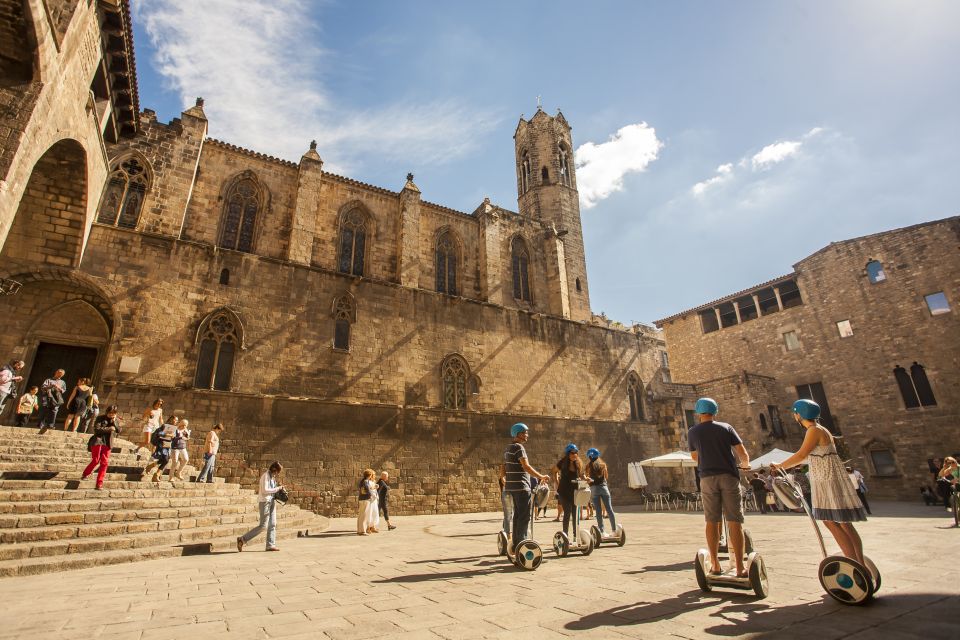
The tour’s overview leans hard into Barcelona’s modernist identity, including the L’Eixample stretch. Even when the named stops are scattered, you’ll notice the difference in the ride itself.
Wide avenues feel easier on a Segway. You can glide with fewer start-and-stop moments, and you get the sense of Barcelona’s grid and deliberate spacing. The route also leans into cycling lanes and parks, so your “viewing energy” stays high.
This is also where you get the explanation side of the trip: how Barcelona changed in the 21st century, and what major moments did to the city’s layout and international reputation. I like this angle because it adds context. Otherwise, you can stand in front of a building and still miss why the city looks the way it does today.
Sagrada Família from street level: unfinished towers, up close time
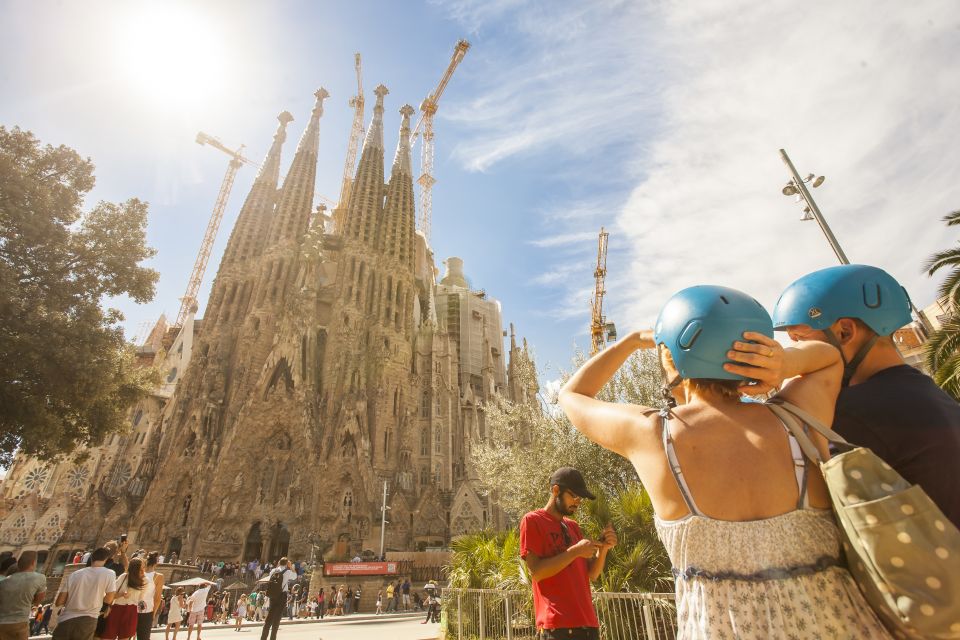
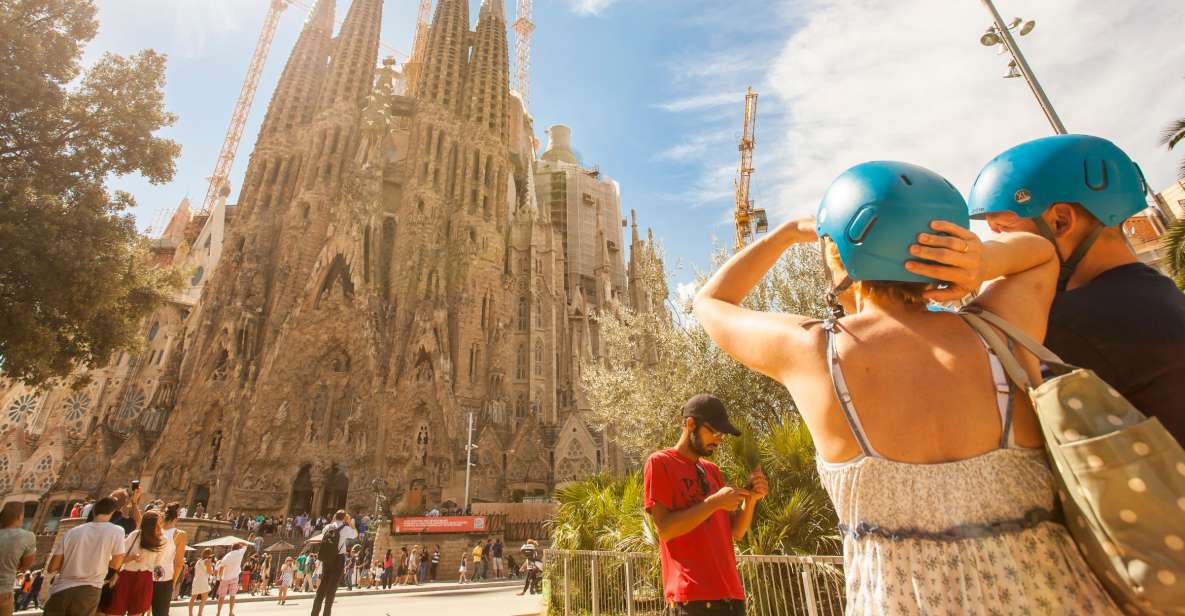
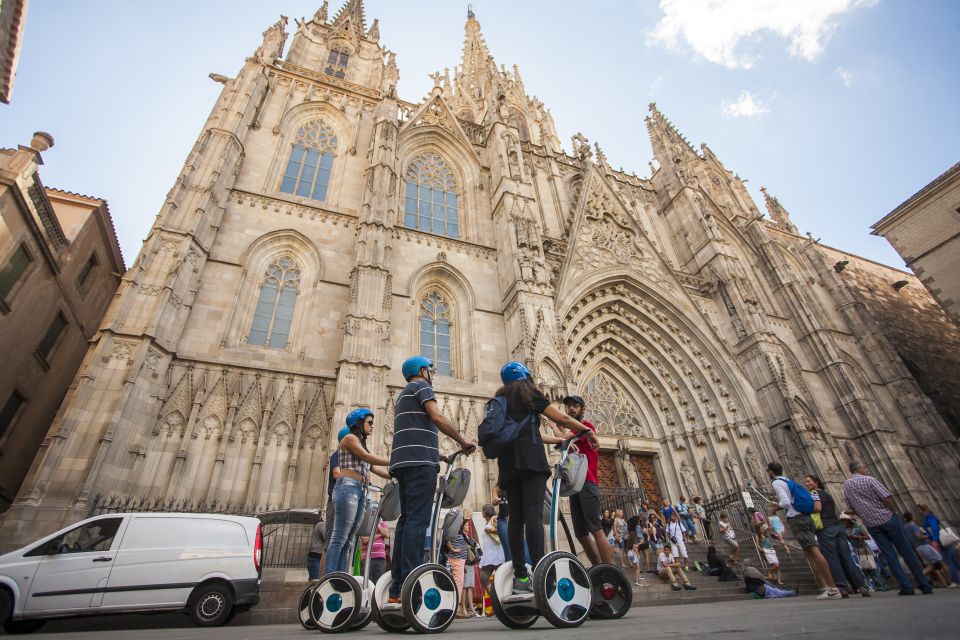
One of the best moments on this tour is the Sagrada Familia stop. You get a guided introduction plus time for photos, and it’s focused on what you can see from the outside.
What I’d aim to do is slow down your “snap-and-go” habit. Even without entering, the detail is hard to ignore. The towers being unfinished creates a moving target in your mind—you’re looking at a work that’s still shaping itself, which is a very Barcelona feeling.
The tour includes the guide, but entrance fees aren’t included, so don’t plan on using this ticket as your Sagrada entry. Still, if you’ve ever felt overwhelmed by tour logistics and lines, this is a nice way to get the impact first. You’ll walk away with a clear sense of scale, angles, and how Gaudí’s forms dominate the area.
A few more Barcelona tours and experiences worth a look





Arc de Triomf and the trip toward uptown: the city changes fast
You’ll cross toward the uptown side by stopping at the Arc de Triomf. This is the kind of landmark where you feel the transition immediately. The architecture signals a shift, and the ride layout usually follows that cue.
From there, the tour heads into Parc de la Ciutadella, one of the best places in Barcelona to slow down without stopping your momentum. If you’ve been rushing through old city blocks all day, this park segment is a mental reset.
A practical tip: keep your eyes up when you’re near monument areas. A lot of people focus only on the road right in front of them. On a Segway, you can actually see more than you think, so use the open stretches to look at façades and skyline angles, not just the next curb.
Parc de la Ciutadella: dragon castle and the small moments
Ciutadella Park is where the Segway experience makes extra sense. You’re on paths with room to maneuver, and you can enjoy the glide instead of wrestling with pedestrian congestion.
The itinerary includes photo stops around Castell de Tres Dragons and Barques del Parc de la Ciutadella. These are specific sights, not vague “park sightseeing,” and that’s a win if you like having anchors. Even if you only spend a few minutes at each stop, the names help you remember what you saw and connect it to Gaudí-adjacent Barcelona whimsy.
You also get guided time in the park. This is where the guide’s explanations help the most. You’re not just passing greenery. You’re hearing what this space means in the city’s public life and how Barcelona uses parks as meeting points.
One more thing I appreciate: park pacing breaks the pressure. After a handful of quick city stops, you’ll feel the difference when the surroundings soften.
Barri de la Ribera and final landmarks: winding lanes, then back to Correos
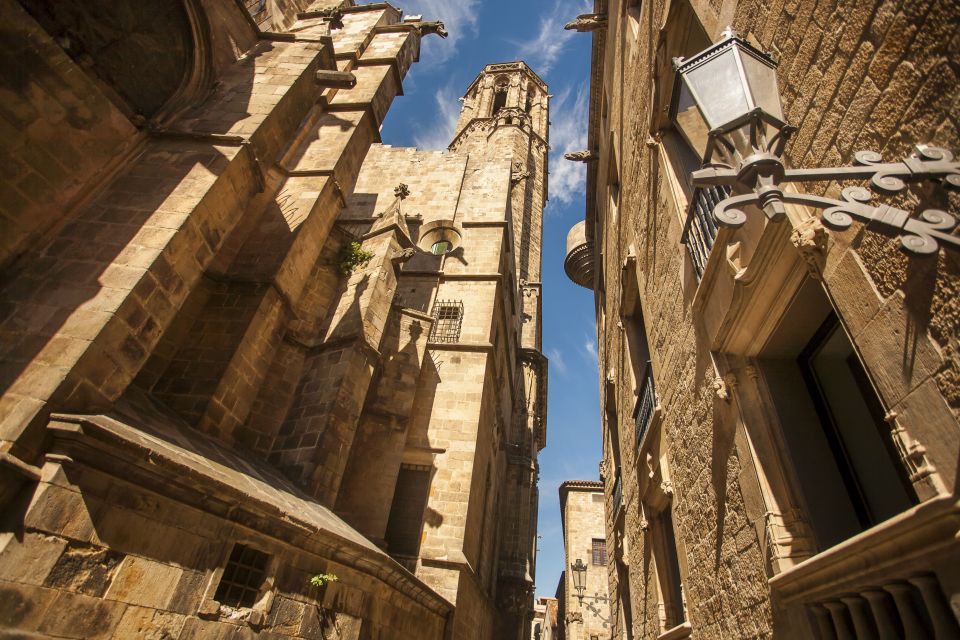
The tour then swings through the Barri de la Ribera area with a photo stop and short guided sightseeing. This is another spot where Barcelona’s personality shows: lived-in streets, texture, and the feeling that the city’s history is still walking around.
Then you’ll pass by or stop at Monument to General Prim and El Cap de Barcelona, plus additional quick photo opportunities such as Correos before returning to Carrer del Correu Vell, 6.
This end stretch is brief, but it’s useful. It helps connect the dots from earlier: you see how modern Barcelona doesn’t replace older layers—it overlays them. And you end where you started, so you don’t have to think about logistics after you’ve finished riding.
If you’re the kind of person who likes to re-check streets later, this is a smart tactic. Take the photos now, then decide later what’s worth an extra walk.
Who should book a Gaudí Segway tour, and who should skip it
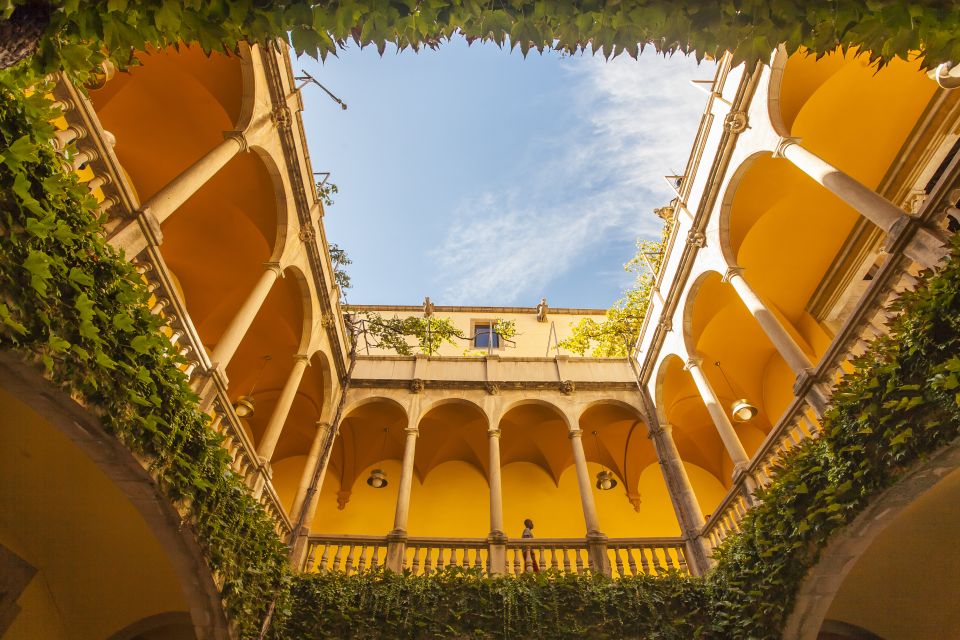
This tour is a strong match if you want a 2-hour, guided, efficient way to cover big Barcelona highlights without hopping taxis or planning every turn yourself. It also works well if you like architecture and want context fast.
You should skip it if:
- You’re under 16.
- You’re pregnant.
- You have heart problems.
- You’re outside the 35 to 130 kg weight range.
- You expect long indoor visits or deep museum pacing.
It’s also worth remembering that the tour can run up to 30 people, but it’s divided into smaller groups of 6 or less. That small-group structure helps with control and comfort, which is essential for a first-time Segway rider.
Price and practical value: is $81 worth it?
For $81 per person, you’re paying for more than “just a ride.” The value comes from four things you get up front:
- Segway driving lesson and test-drive
- Live guide
- Helmet and raincoat
- A guided route that stitches together major districts and landmarks
Entrance fees are not included, so think of this as a guided sightseeing circuit, not a ticket bundle. If you’re already planning to buy separate entry tickets for Sagrada or anything else, that’s fine. This tour still helps because it gives you the visual framework first.
Also, keep your expectations realistic. The itinerary includes multiple short guided moments and photo stops, so you’ll see a lot of variety, but not full “walk-the-whole-building” depth. In return, you get a smooth, low-effort way to see the city without feeling like you spent the whole day in line or on a bus.
As for guides: I’ve seen examples of how adjustment can happen. Alex was ready when he arrived early and took time to reacquaint a rider with the Segway so it felt safe. Ivan suggested an altered focus toward the port area plus Ciutadella when the group had already covered a nearby basilica area. That kind of small tailoring is a big part of why this tour feels less cookie-cutter.
Tips to make your Segway day easier
- Bring your passport or ID card. They request it for the ride.
- Wear closed-toe shoes you’re comfortable walking in for quick photo stops.
- If it’s rainy, trust the included raincoats. Barcelona weather can flip quickly.
- Mentally plan for quick stops. If you want a longer look, you can ask the guide to point you to a nearby angle for an extra minute, but the schedule keeps moving.
If you want the most out of it, try this: pick one or two landmarks you care about most, then use the other stops to build context. When you hit Sagrada Familia or Ciutadella, you’ll actually notice more.
FAQ
How long is the Gaudí Barcelona Segway tour?
The tour lasts 2 hours.
Where do I meet the tour?
Meet at Carrer del Correu Vell, 6, Barcelona 08002.
Is entry to Sagrada Família included?
No. Entrance fees are not included.
What’s included in the price?
The tour includes Segway driving lesson and test-drive, a live guide, and helmets and raincoats.
Who can’t ride the Segway?
The tour isn’t suitable for children under 16, pregnant women, people with heart problems, riders under 35 kg (77 lbs), or riders over 135 kg (297 lbs).
What languages are offered?
The live guide is available in Spanish, English, French, and Russian.
Should you book this Gaudí Barcelona Segway tour?
I’d book it if you want a practical, guided way to cover Barcelona’s contrast: Gothic Quarter mood, modernist geometry, and park-and-monument moments in a single half-day. The Segway training and small-group setup make it feel less intimidating than you might expect, and Sagrada Família is the kind of stop you’ll appreciate even without entrance tickets.
Skip it if you need slow pacing, long indoor time, or if you fall outside the Segway safety rules. If you fit the rider requirements and you like moving through the city, this is a fun way to get Gaudí’s Barcelona in motion.