REVIEW · GRAN CANARIA
Gran Canaria Maspalomas: Surf lessons all levels
Book on GetYourGuide →Operated by South Coast surfschool · Bookable on GetYourGuide
Surf lessons in Maspalomas turn nerves into moves. South Coast Surf School runs all-level sessions on Gran Canaria’s south coast, with ocean coaching that blends beach basics and a hands-on practice run in the sea. You’ll start with a short theory set on sand, then go straight to waves so the learning doesn’t stay stuck in your head.
What I love most: the clear, simple instruction (especially around the pop-up technique) and the relaxed coaching vibe that keeps you moving instead of freezing. You also get the practical extras that make it easy to focus—surfboard, wetsuit, plus mineral water and fruit to refuel between tries.
One thing to consider: there’s no hotel pickup, so you’ll need to make it to the meeting point on your own. The good news is the location is easy to find if you’re using a map—SouthCoast surfschool flags at the meet beach bar, near the red cross office.
In This Review
- Key Things To Know Before You Go
- Why Maspalomas Works So Well for Your First or Next Surf Lesson
- South Coast Surf School Setup: Meet Point, Gear, and Time
- The Beach Lesson: Pop-Up, Balance, and Safety Basics
- The 2-Hour Water Session: How You Actually Catch Waves
- All Levels Get Attention: How Feedback Changes With Your Skill
- Price and Value: Is $59 Worth It?
- Who This Fits Best in Gran Canaria
- Practical Tips So You Get the Most From Your Session
- Should You Book South Coast Surf School in Maspalomas?
- FAQ
- What’s included in the surf lesson?
- How long is the experience?
- Is it suitable for complete beginners?
- Does the lesson work for more advanced surfers?
- Where do I meet the instructors?
- What languages are available?
- Is hotel pickup or transportation included?
Key Things To Know Before You Go
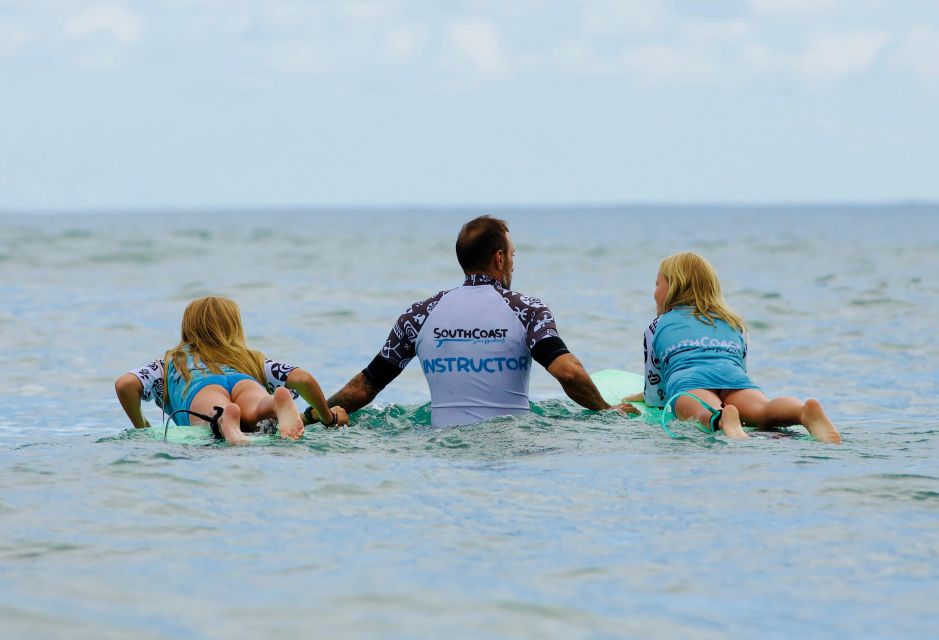
- Daniel-style coaching: You’ll get individual feedback on the exact moment you need—like the pop-up and stance.
- Beach theory first: You practice fundamentals on land so your first time in the water has a plan.
- Waves, not lectures: The core learning happens during the 2-hour practice in the sea.
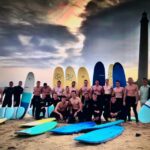
- Small groups feel better: The setup is tuned so you don’t just watch from the sidelines.
- Everything you need is included: Surfboard, wetsuit, plus water and fruit.
- Insurance is part of the package: Accident and liability insurance are included with the class.
Why Maspalomas Works So Well for Your First or Next Surf Lesson
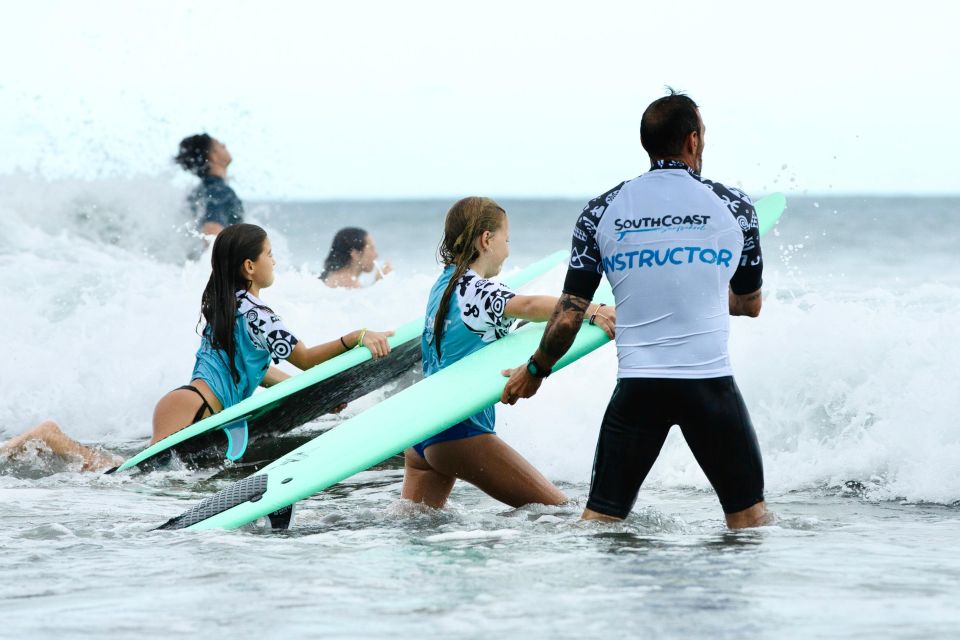
Maspalomas is one of those places where the ocean feels inviting even when you’re new. The south coast is a strong match for surf training because you’re usually dealing with consistent conditions and plenty of chances to get back into the action after each attempt. That matters. In surfing, your progress comes from reps, not from standing around waiting for your turn.
This class is designed around that reality. It’s not a “try once and hope” setup. You get structured coaching that starts with fundamentals and then moves you into wave time quickly. If you’re a first-timer, that speed helps your confidence. If you’re more experienced, it helps you tighten mechanics without overthinking.
A few more Gran Canaria tours and experiences worth a look
South Coast Surf School Setup: Meet Point, Gear, and Time
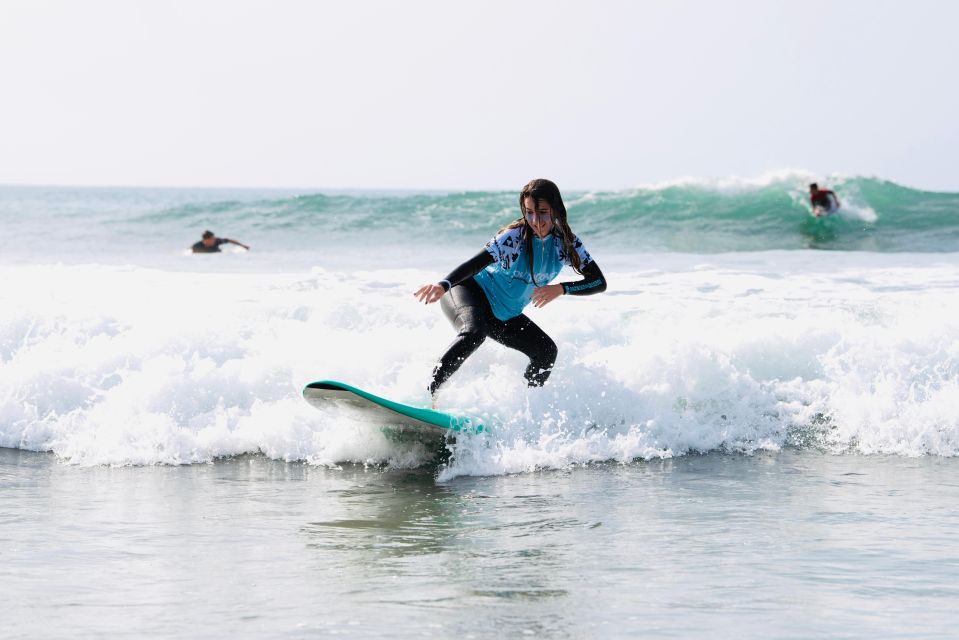
The class lasts 2.5 hours, with a theoretical session on the beach followed by a 2-hour practice in the sea. That schedule is a sweet spot for most people: long enough to learn something real, short enough that it won’t steal an entire day from your Gran Canaria plans.
You’ll want to plan to arrive at the meeting point on time:
- SouthCoast surfschool flags
- Meet beach bar
- Directly close to the red cross office
No hotel pickup is included, so I recommend building in extra buffer time the first day you go. If you’re staying in the Maspalomas area, getting there is usually straightforward, but don’t bank on last-minute navigation when you’re already nervous about catching waves.
As for equipment, you’re covered:
- Surfboard
- Wetsuit
- Mineral water and fruit
- Accident and liability insurance
That’s good value for one simple reason: you avoid the “Where do I get gear?” scramble. You can show up, get kitted, and focus on learning.
The Beach Lesson: Pop-Up, Balance, and Safety Basics
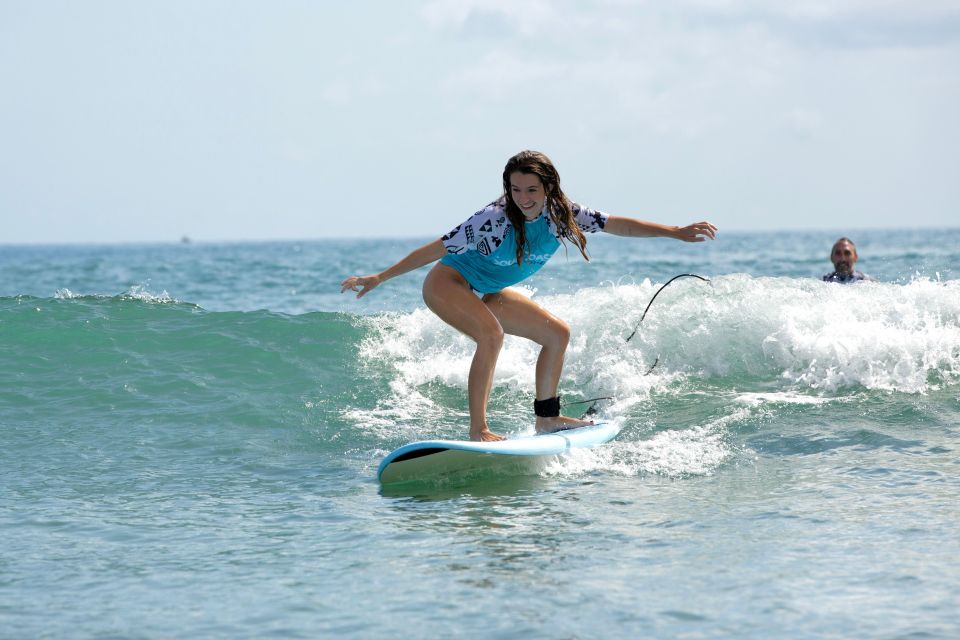
The beach part is short, but it’s not filler. This is where you build the mental checklist that keeps you from panicking once you’re in the water. The instructor will teach the basic principles of surfing—aimed at low to intermediate levels—so your body understands what it’s trying to do before you start chasing waves.
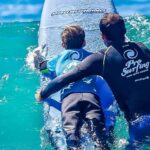
The big standout from the coaching style is how the instruction lands. In this class, you don’t just get vague advice like bend your knees. You get actionable guidance that focuses on the moment you transition—especially the pop-up. Daniel, who appears as the instructor in many sessions, is known for giving clear, easy-to-follow cues and spending time on your technique before you start surfing for real.
You can expect:
- Technique explanation on land (so you get the order of movements right)
- Safety and comfort guidance so you don’t feel out of control
- Repetition of key steps until your brain stops treating them like magic
If your balance feels shaky, this part helps a lot. Several learners highlight that even with a bad starting feel, the coaching is patient enough to help you grab a few seconds on the board during your first class—meaning the lesson teaches you how to actually succeed early, not just how surfing works in theory.
The 2-Hour Water Session: How You Actually Catch Waves
This is where the class earns its keep. After the beach briefing, you head into the sea and spend the bulk of the time surfing and practicing what you learned.
The session is built around the idea that you improve by doing, then adjusting. You’ll likely go through repeated cycles:
1) Try the start and pop-up approach
2) Ride if you can (even briefly)
3) Get corrections and try again
That “try, adjust, try again” loop is what turns surfing into a learnable skill instead of a stunt.
The tone matters here too. The coaching style is patient, and you’re not pushed beyond your comfort zone. That’s a big deal for beginners and for families, where the goal is enjoyment plus progress—not pressure.
Also, the group dynamic tends to stay light. You’re there for good waves, sun, and a huge smile. That’s not just marketing language. When people feel safe and supported, they take more attempts, and that accelerates learning.
All Levels Get Attention: How Feedback Changes With Your Skill
Even though the class mentions beginners and “level up” improvements, what really matters is how the instructor adapts the coaching to you in real time. The clearest theme across the experience is individualized feedback. In practice, that means you aren’t stuck with a one-size-fits-all script.
If you’re brand new:
- You’ll get guidance that helps you interpret what your body is doing wrong
- You’ll be encouraged to keep trying when you wipe out
- You’ll get enough structure to feel like you’re progressing during the session
If you’ve surfed before:
- You’ll still work on fundamentals like pop-up and stance
- You’ll get the kind of quick corrections that clean up mechanics
- You’ll practice in a way that doesn’t waste your time
One nice detail: instructors speak English, German, and Spanish. If your group includes different languages, that helps the whole experience stay understandable and comfortable.






Price and Value: Is $59 Worth It?
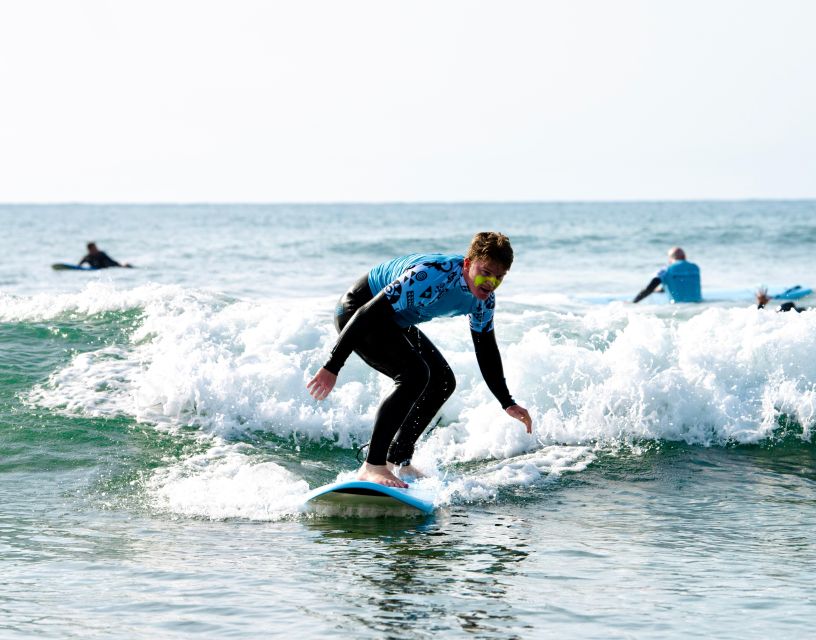
At $59 per person for a 2.5-hour class, the value comes from what’s included and how the time is used.
You’re paying for:
- Board + wetsuit (so you don’t rent separately)
- A structured format (beach theory + 2-hour sea practice)
- Accident and liability insurance
- A teaching approach that focuses on technique and keeps you actively trying
If you’ve ever done an activity where you spend half the time waiting and the rest standing around, you’ll appreciate this setup. The time in the water is long enough to matter, and the instructor attention is a major part of why people feel they got their money’s worth.
No transportation is included, but you’re not paying extra for gear, which is usually where costs sneak up on surf lessons.
Who This Fits Best in Gran Canaria
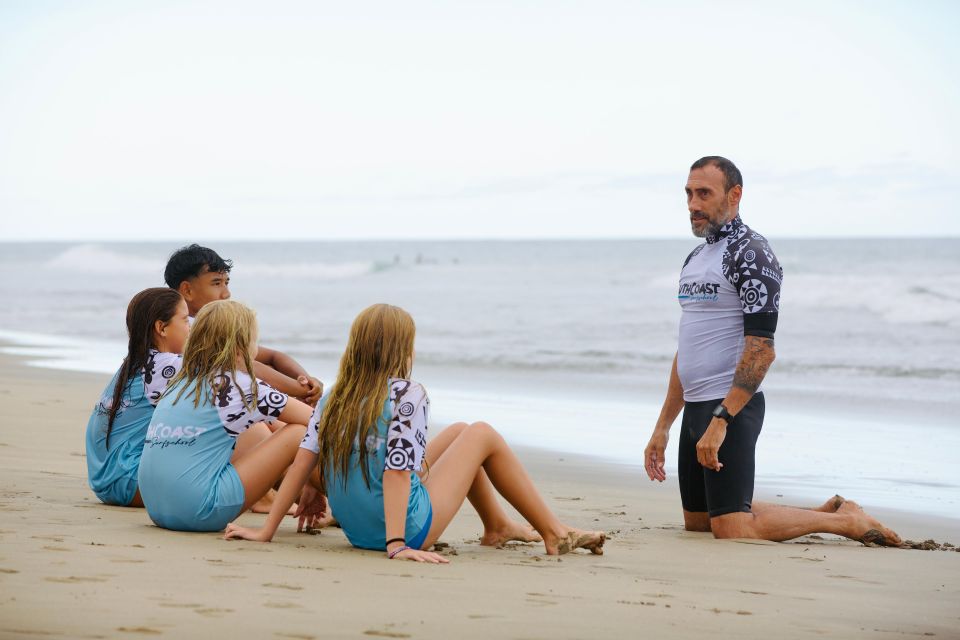
This lesson is a strong match if you want a real introduction to surfing without turning it into a full-day project.
It’s especially good for:
- Absolute beginners who want a confidence boost fast (the beach-to-water format helps)
- Families, including kids who need patient, clear instruction
- People who already surf a bit and want technique feedback, not just a rental
From the learning style, you’ll likely feel comfortable even if you’re nervous about balance. The instructor approach focuses on keeping you relaxed while you practice. That’s how you get the fun factor without sacrificing safety.
If you’re the type who loves active days—walk, learn, try, repeat—this fits your rhythm. It’s also a nice contrast to the more passive beach time. You’re on the water, not just near it.
Practical Tips So You Get the Most From Your Session
A few small things can make your lesson go smoother. Nothing complicated, just smart prep.
- Bring a change of clothes for after (you’ll be wet, even if the ocean is friendly).
- Arrive a bit early to take the nerves down a notch. Being rushed makes everything harder.
- If you’re traveling with kids, set the expectation that learning takes attempts. The best progress usually comes after a couple wipeouts.
- Pay attention on the beach. The pop-up cues are the kind of info you’ll want in your head once you paddle out.
Finally, keep your focus tight. Surfing is one of those sports where you can’t control everything. You can control your effort, your practice, and your willingness to try again. This lesson is built to help you do exactly that.
Should You Book South Coast Surf School in Maspalomas?
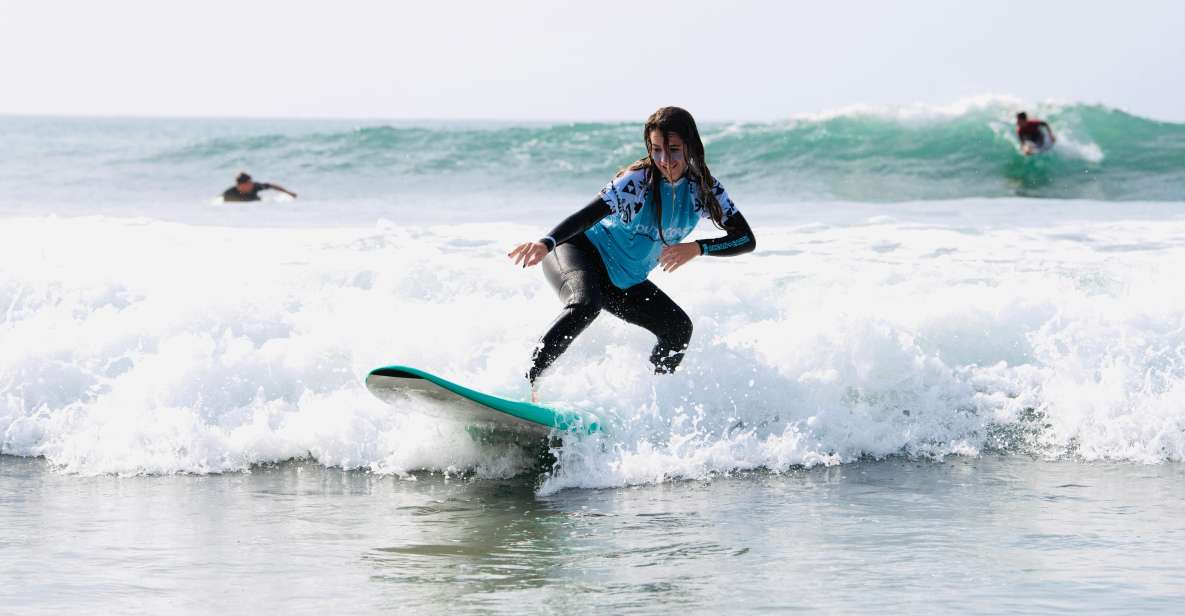
I’d book this if you want a structured, beginner-friendly surf lesson that still feels fun and not overly serious. The biggest wins are the clear teaching (especially pop-up and stance coaching), the patience in the water, and the way the 2.5-hour schedule balances instruction with actual wave time.
You should book it with eyes open if you don’t have an easy way to get to the meeting point, since no hotel pickup is included. Also, treat it as learning and first-wave progress, not instant mastery. If you want to improve quickly, doing more than one session over your trip is a smart move—but that’s your choice.
If you’re in Gran Canaria and you want to turn beach scenery into something you can talk about for years, this is one of the more efficient ways to do it.
FAQ
What’s included in the surf lesson?
Your lesson includes a surfboard, a wetsuit, mineral water and fruit, and accident and liability insurance.
How long is the experience?
The total duration is 2.5 hours, including a theoretical class on the beach and a 2-hour practice session in the sea.
Is it suitable for complete beginners?
Yes. The beginner-focused class includes beach instruction on basics, then hands-on practice in the water so you can work toward standing up and catching waves.
Does the lesson work for more advanced surfers?
It’s offered as an all-level surf lesson, with instructors guiding you based on your goals and helping you learn basic techniques or improve your current skills.
Where do I meet the instructors?
Meet at SouthCoast surfschool flags, at the meet beach bar, directly close to the red cross office.
What languages are available?
Instructors can teach in English, German, and Spanish.
Is hotel pickup or transportation included?
No. Hotel pickup and transportation are not included, so you’ll need to get yourself to the meeting point.