REVIEW · MADRID
Madrid: Reina Sofía Museum Ticket with In-App Audio Guide
Book on GetYourGuide →Operated by Naturanda Turismo Ambiental · Bookable on GetYourGuide
Picasso’s Guernica, minus the waiting. This Reina Sofía ticket is interesting because it pairs skip-the-line entry with a self-paced in-app audio guide, so you can move through the museum without being locked into a group schedule. I like the freedom built into the experience, but plan for one practical risk: the audio requires an internet connection.
You’ll be touring one of Madrid’s best-known modern-art hubs: the Museo Nacional Centro de Arte Reina Sofía, opened in 1992 inside an 18th-century neoclassical building that used to serve as the General Hospital of Madrid. I really like how that setting gives the major works weight—especially Picasso’s Guernica—while you use the time to read, look, and pause when you want.
This is a 1-day ticket, and it also helps that the museum connects to optional stops in El Retiro (Palacio de Cristal and Palacio de Velázquez) for temporary exhibitions and installations. The main thing to keep in mind is that headphones aren’t included, and the app you get is not the museum’s official audio.
In This Review
- Key things to know before you go
- Reina Sofía in the Atocha area: what the building does for your visit
- Price and what you’re really paying for (about $35 per person)
- The in-app audio guide: convenient when it works, frustrating when it doesn’t
- Your self-paced route through 20th-century Spanish art
- Start with orientation, then go straight to the heavyweights
- Build your day around your interests, not the clock
- Use the app for context, then switch to labels when needed
- Optional add-on: El Retiro’s Palacio de Cristal and Palacio de Velázquez
- Logistics that can make or break the day
- Get your tickets via email before you go
- Expect the entrance flow to be different from the usual queue
- Phone battery counts
- Who this is best for (and who may prefer the official audio)
- Should you book it? A practical verdict
- FAQ
- What’s included with the Reina Sofía ticket?
- Do I need an internet connection for the audio guide?
- Are headphones included?
- Which languages are available for the audio guide?
- How will I receive my tickets?
- Is the audio guide the museum’s official one?
- Is the museum wheelchair accessible?
Key things to know before you go
- Skip-the-line entrance: You use a separate entry route instead of waiting at the ticket office
- In-app audio guide (not official): Digital narration in Spanish, English, French, and Italian
- Internet required: The audio content depends on having a connection
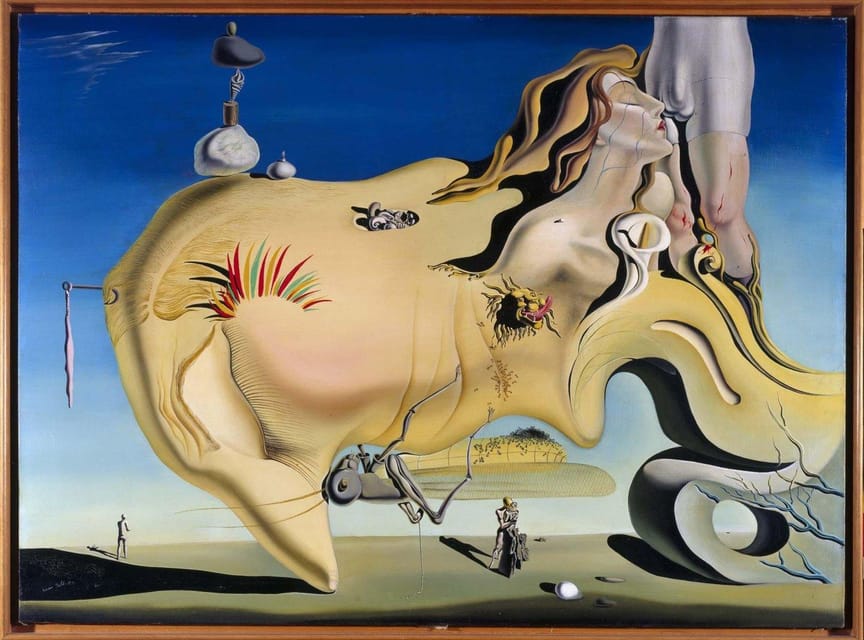
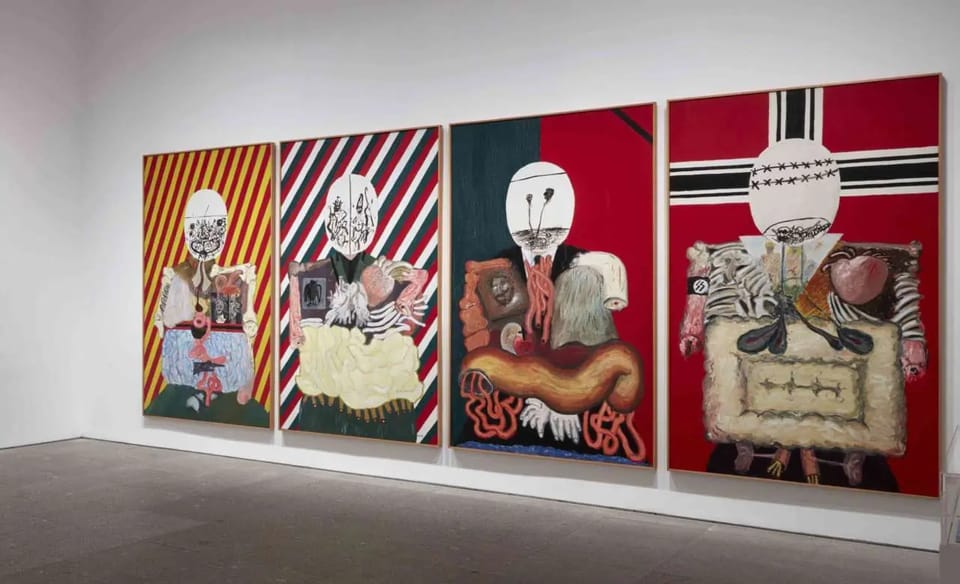
- Major 20th-century Spanish artists: Focus on Picasso, Dalí, Miró, and more of that era
- Optional El Retiro add-ons: Palacio de Cristal and Palacio de Velázquez can expand your art time
Reina Sofía in the Atocha area: what the building does for your visit
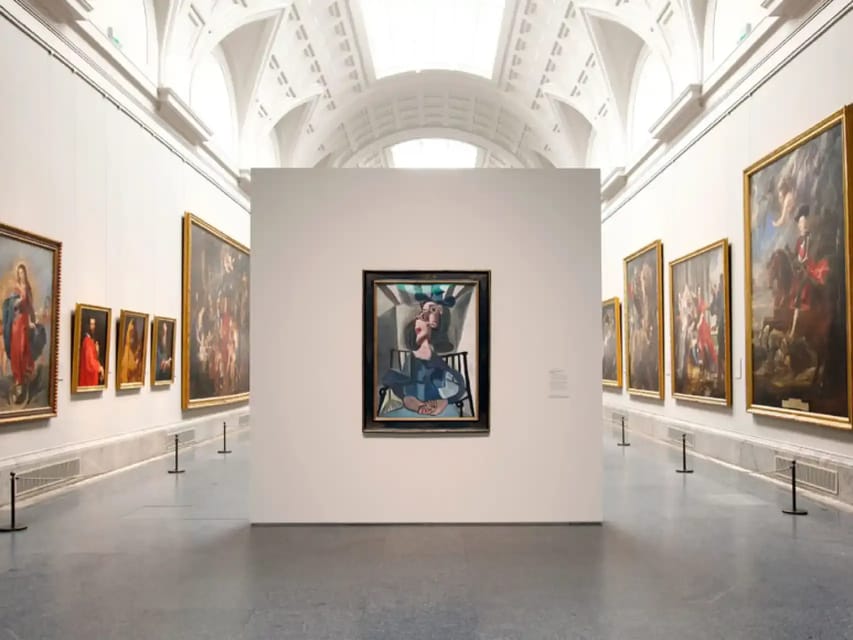
The Reina Sofía sits in the Atocha area, which is handy because Madrid’s transit and walkability make it easy to stack this stop with other sights. The museum itself is housed in a recognizable 18th-century neoclassical structure, originally the General Hospital of Madrid, then transformed and opened as the Reina Sofía in 1992. That background matters for your experience: you’re not just moving through white gallery rooms—you’re in a big, historic shell that changes how large artworks feel.
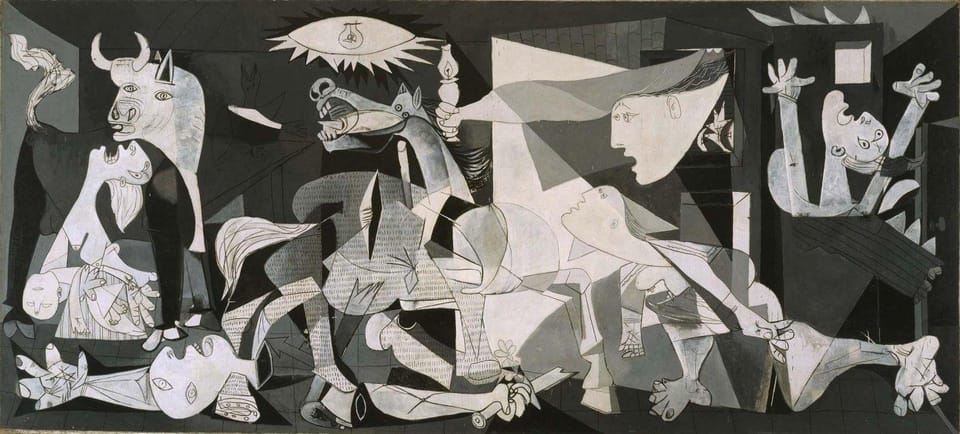
If you like modern art but you also like context, this setting helps you settle in. The building’s scale supports the emotional punches of the collection. Picasso’s Guernica lands harder when you’re not rushing, and the layout encourages you to spend time lingering rather than sprinting from one highlight to the next.
A few more Madrid tours and experiences worth a look


Price and what you’re really paying for (about $35 per person)
At around $35 per person, you’re not just buying entry. You’re paying for three practical items that can change how smooth your day feels:
- Entry tickets to the Museo Nacional Centro de Arte Reina Sofía
- A digital in-app audio guide in multiple languages
- Skip-the-line access through a separate entrance
That skip-the-line piece is the main “value lever.” If you’d rather spend your limited time looking at art than waiting at a ticket counter, this format makes sense. Also, it’s built for flexibility: you’re not tied to a guided route, so you can slow down for the rooms that really grab you.
That said, you’re still dealing with the reality of audio guides that rely on your phone. The guide is an extra resource and not the museum’s official audio, so if you expected something more structured like a full, museum-run system, you may want a backup plan (more on that soon).
The in-app audio guide: convenient when it works, frustrating when it doesn’t
This ticket comes with a digital audio guide available in Spanish, English, French, and Italian, delivered through an in-app experience. It’s great in theory because it lets you explore at your own speed and still get deeper insight into the artworks and the artists behind them.
But you should treat the audio app like a “works-with-your-device” feature, not a guaranteed showpiece. The big operational requirement is straightforward: you need an internet connection to access the audio content. If your phone is slow to connect, you lose service, or you’re somewhere the signal struggles, the guide can become spotty.
Also, headphones aren’t included. You’ll either need your own wired earbuds or a Bluetooth setup. It’s a small detail, but it can be the difference between a smooth visit and a day of frustration.
One more important point: this audio guide is not the museum’s official one. That matters because the official audio is usually more tightly integrated with what’s on display and how the museum wants you to follow the collection. If you rely on the narration as your main wayfinding tool, you may find yourself adjusting on the fly.
Your self-paced route through 20th-century Spanish art
There’s no group tour schedule here. That’s the point. You can shape your day around your attention span and your curiosity.
Here’s a smart way to think about the experience once you’re inside:
Start with orientation, then go straight to the heavyweights
Most people gravitate toward Picasso and the museum’s signature masterpieces first, and for good reason. The ticket gives you access to the permanent collection that includes Picasso’s El Guernica—a work known for its emotional impact and scale.
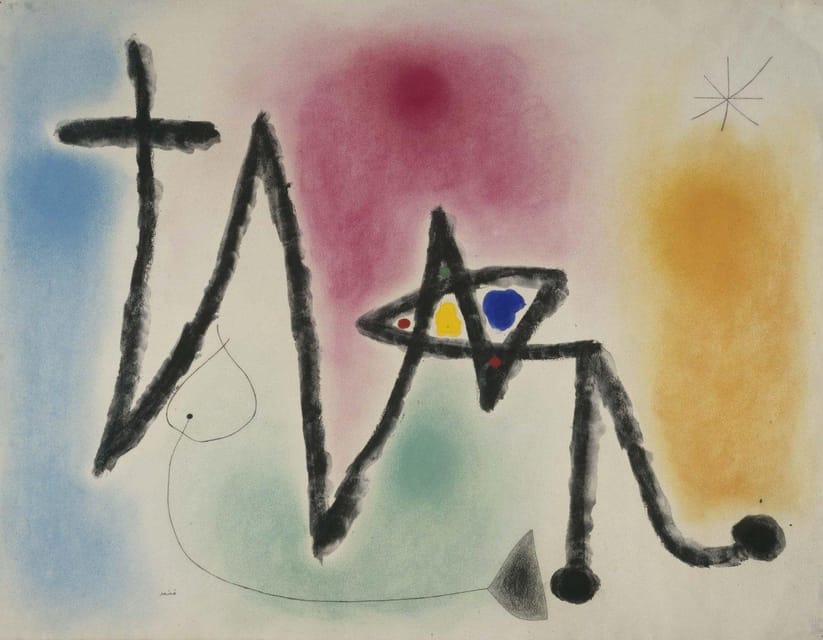
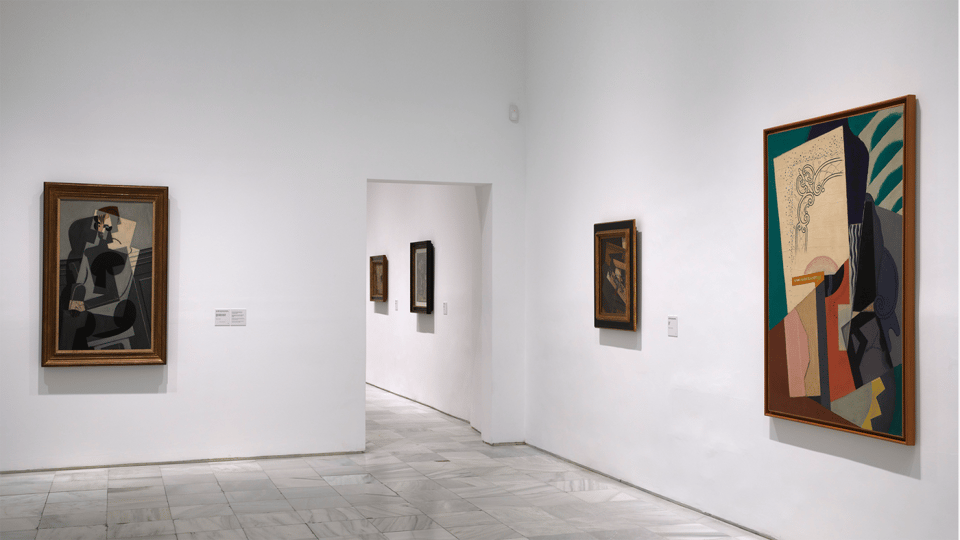
You’ll also find Salvador Dalí and Joan Miró in the mix through the museum’s 20th-century Spanish focus. Even when you’re not an expert, the art here tends to reward direct looking. I’d recommend giving yourself permission to stand still longer than you think you should. For this kind of art, speed turns it into noise.
You can also read our reviews of more guided tours in Madrid





Build your day around your interests, not the clock
Because the experience is self-paced, you can do a “highlights then expand” strategy. If you want the emotional shock first, do Guernica early. If you want a slower, more interpretive approach, let the audio guide set your pace for the first rooms and save the iconic works for later when you’re warmed up.
A practical detail: the museum can have areas temporarily restricted, and you might run into renovations or an unavailable floor. If that happens, don’t waste time trying to force a perfect plan. Instead, let the audio guide point you to what is available right now, and use gallery labels for the works the app can’t cover in that moment.
Use the app for context, then switch to labels when needed
The in-app audio is designed to give you background and interpretation, and that’s useful. Still, if you notice that a work described by the app isn’t actually on the wall in front of you, don’t panic. It can be an exhibit change, a temporary relocation, or a mismatch between app text and display state.
In those moments, your best tool is the museum labeling system: title, artist, date, and the wall text that the museum provides. Let those guide your attention, and treat the app as a companion rather than the boss of your visit.
Optional add-on: El Retiro’s Palacio de Cristal and Palacio de Velázquez
One of the nicest advantages of this ticket is that it doesn’t stop at the main museum building. The Reina Sofía has two other venues in Parque de El Retiro: Palacio de Cristal and Palacio de Velázquez.
These spaces host temporary exhibitions and artistic installations, which can change what you see from day to day. That’s a real benefit if you’re visiting during a period when the museum’s main galleries feel like too much “same-day intensity.” The Retiro venues give you a different mood—more light, more air, and a different pace.
- Palacio de Cristal: known for its glass architecture, which can make certain installations feel especially bright or airy
- Palacio de Velázquez: the historic setting can make the contemporary work feel even more contrasty
If you have time for one extra stop, I’d pick based on the day’s temporary programming and how much energy you have left after the main museum.
Logistics that can make or break the day
This experience is simple—entry plus audio—but a few details can trip you up:
Get your tickets via email before you go
You receive your entry tickets by email, and they’re sent the day before your tour. Plan to check that email and keep the ticket info accessible on your phone. If you’re relying on memory for the meeting or entrance instructions, you increase your odds of a stressful scramble.
Expect the entrance flow to be different from the usual queue
Because this includes skip-the-line access via a separate entrance, your arrival habits might need adjustment. Don’t assume the standard ticket office line. Look for the entry route tied to your ticket instructions so you don’t waste time backtracking.
Phone battery counts
If the audio needs internet, and you’re using your phone for navigation and tickets, you’ll want a fully charged battery. Bring a power bank if you’re the type who takes lots of photos and uses maps heavily.
Who this is best for (and who may prefer the official audio)
This ticket is a good match if you:
- want freedom (no group pacing)
- like having audio context in multiple languages
- value skip-the-line entry over a deep, museum-run audio workflow
It may be less ideal if you:
- need the audio to work flawlessly with no extra friction (since internet is required and headphones aren’t included)
- want a more structured route and strict alignment with what’s currently displayed
- prefer the museum’s own audio system, especially if you’re picky about accuracy and completeness
If your goal is maximum reliability from the start, you might consider the museum’s official audio option as a backup—particularly if you’re the type who plans your day around a scripted path.
Should you book it? A practical verdict
I’d book this Reina Sofía ticket with in-app audio guide if you’re aiming for a flexible, self-paced art day and you really care about skipping the ticket-office line. It’s also a strong value if you’ll actively use the audio throughout your visit and you show up with a stable internet plan and headphones.
I would hesitate if you’re worried about losing service, running out of battery, or you absolutely need the audio to be perfectly aligned with every work on the walls that day. In those cases, the risk isn’t the museum—it’s the app experience and the internet dependency.
FAQ
What’s included with the Reina Sofía ticket?
You get entry tickets to the Museo Nacional Centro de Arte Reina Sofía, an in-app digital audio guide in multiple languages, and skip-the-line access via a separate entrance.
Do I need an internet connection for the audio guide?
Yes. An internet connection is required to access the audio content.
Are headphones included?
No. Headphones are not included.
Which languages are available for the audio guide?
The in-app audio guide is offered in Spanish, English, French, and Italian.
How will I receive my tickets?
Please check your email. Your entry tickets are sent the day before your tour.
Is the audio guide the museum’s official one?
No. It’s an extra in-app audio resource and not the museum’s official audio guide.
Is the museum wheelchair accessible?
Yes. The experience is wheelchair accessible.