REVIEW · MADRID
Madrid: Thyssen Museum Guided Tour with Skip-the-Line Entry
Book on GetYourGuide →Operated by Fun and Tickets · Bookable on GetYourGuide
A museum can be either a feast or a slog. This one feels like a smart shortcut into the Thyssen-Bornemisza collection, with a guide to connect the dots across centuries of painting. You’ll see major names and learn how the collection hangs together as one big conversation about style, taste, and technique.
I especially like the skip-the-line entry idea here—Madrid queues can be long, and you spend your time looking instead of waiting. I also like the mix of live guide talk plus included audio and headphones, which helps you keep pace even if you want extra time on a favorite painting. One consideration: the format moves fast, so if you’re craving very advanced, heavy art-history deep theory, this may feel more like a solid overview than a research seminar.
In This Review
- Key highlights that make this Thyssen tour work
- Why the Thyssen-Bornemisza collection makes sense for your first Madrid art day
- Meeting at the Starbucks by Fuente de Neptuno and getting inside without friction
- The 105-minute pacing: how the tour covers a lot without turning into a blur
- What you’ll learn across European painting styles, from Dutch genre to later modern trends
- The artists and works you’ll hear about (and what those names signal)
- The Thyssen family story: why the collection can feel personal instead of random
- Live guide + audio headphones: how to use both without losing your rhythm
- Price and value: what $55 buys you in real time
- Logistics you should plan for: security, comfort, and avoiding avoidable delays
- Who should book this Thyssen guided tour, and who might want a different format
- Should you book the Thyssen skip-the-line guided tour?
- FAQ
- How long is the Thyssen-Bornemisza guided tour?
- Where do I meet the guide for the Thyssen tour?
- What languages are available for the tour?
- Does this tour include skip-the-line entry?
- What’s included in the experience besides the guided tour?
- What should I bring or wear?
- Are backpacks allowed inside?
- Is there free cancellation or a pay-later option?
- Is the tour suitable for young children?
Key highlights that make this Thyssen tour work
- Skip-the-line through a separate entrance so you can start seeing art quickly
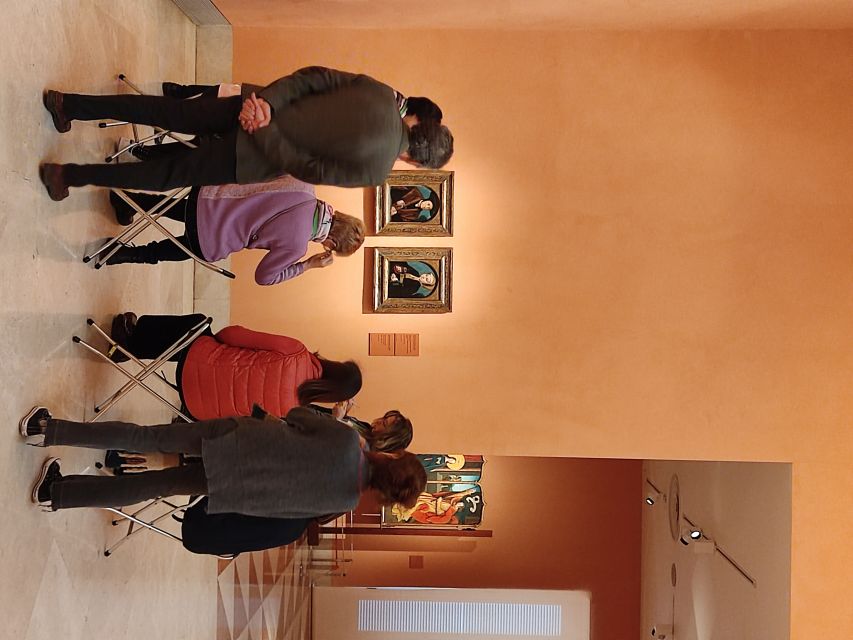
- Live guide in English or Spanish to explain meaning, context, and what to notice
- Audio guide + headphones to reinforce the story as you move room to room
- A sweeping overview of European painting across many styles and periods
- Big-name artists like Degas, Renoir, Van Gogh, Monet, Rembrandt, Rubens, and Caravaggio
- Thyssen family context so the collection feels intentional, not random
Why the Thyssen-Bornemisza collection makes sense for your first Madrid art day
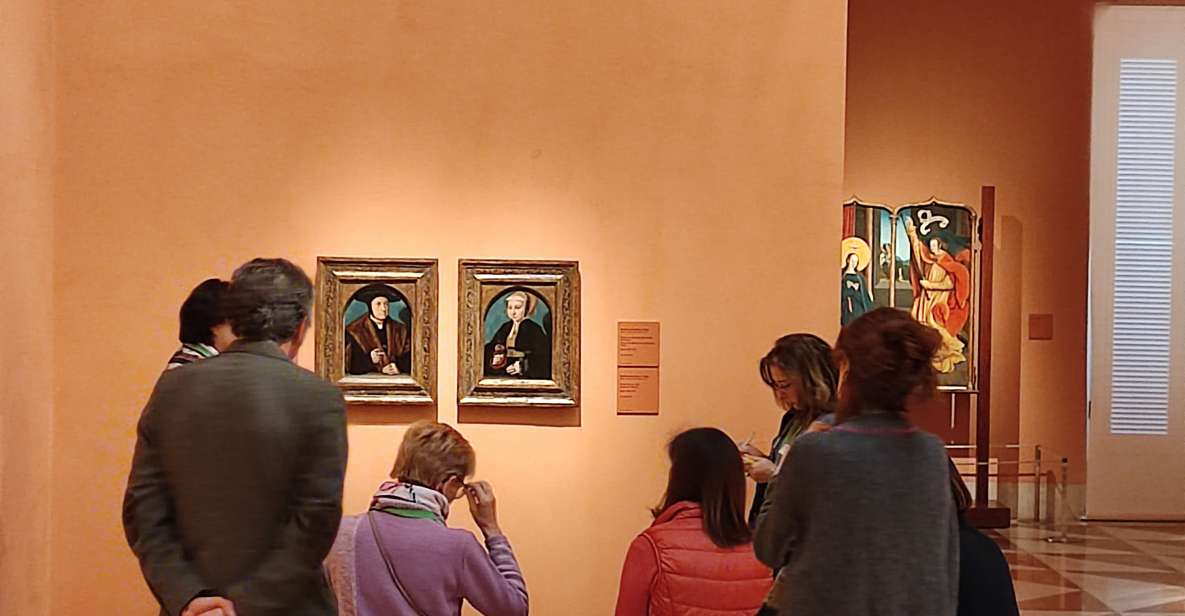
The Thyssen-Bornemisza Museum is a standout because it gives you a guided way to understand European painting as a timeline of ideas. Instead of treating each room like a separate sightseeing stop, the tour approach helps you link themes across centuries—how artists copied, reacted, broke rules, and re-invented what a painting could do.
Also, the museum is arranged so your eyes can travel. You get the sense that the collection is built for comparisons: old master technique sitting next to later styles, and traditional subjects paired with more modern ways of seeing. That is exactly what you want when you only have a limited amount of time in Madrid.
You can also read our reviews of more guided tours in Madrid



Meeting at the Starbucks by Fuente de Neptuno and getting inside without friction
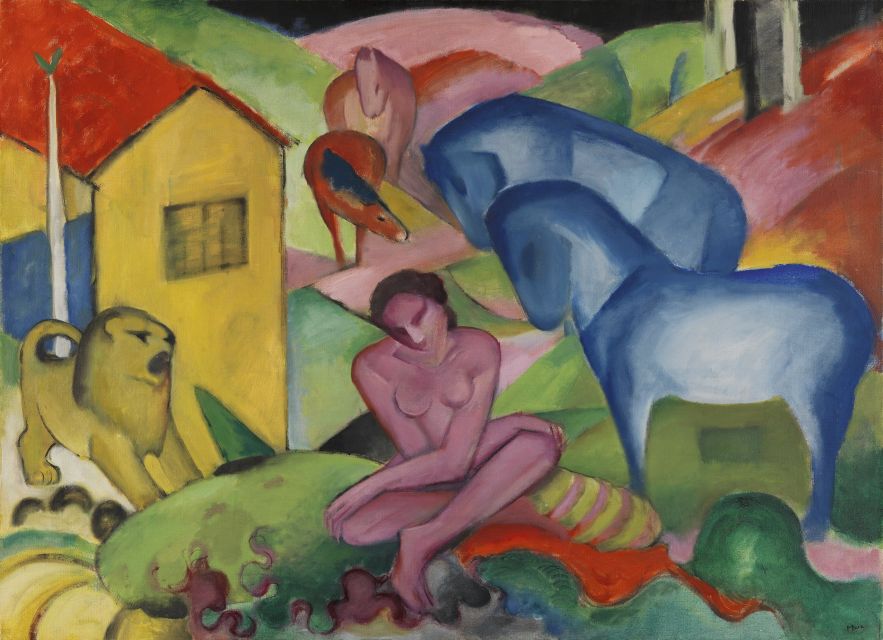
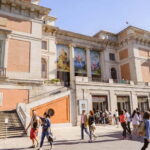
You’ll meet your guide about 10 minutes early at the door of a Starbucks in Plaza de Cánovas del Castillo, at Fuente de Neptuno. It’s a very practical setup: grab a quick drink, use the moment to get oriented, then walk over with your group.
The biggest payoff is that you don’t face the main entrance crush. You use skip-the-line entry via a separate entrance and go straight into the museum experience. In practice, that means more looking, fewer lost minutes, and less stress about making the most of your day.
The 105-minute pacing: how the tour covers a lot without turning into a blur

This is a 105-minute guided visit, which is long enough to learn how to see, but short enough that you still feel free to enjoy the artworks on your own. The rhythm is typically “move, stop, notice, understand,” so you don’t spend the whole time standing still, and you don’t wander completely unsupervised.
Your guide leads you room to room with the collection’s history and meaning in mind. A key benefit here is the interpretive layer: you’re not just looking at famous paintings, you’re learning what to focus on—subject matter, style choices, and why the artists were doing what they were doing at that moment.
One small caution: because it’s a guided overview, you may not get extra time at every single highlight. If you tend to get emotionally attached to one painting and want to sit with it for 20 minutes, you’ll need to be selective about which works you slow down for after the tour.
What you’ll learn across European painting styles, from Dutch genre to later modern trends
One of the best things about this visit is how the guide frames the collection as a full spectrum of Western painting. You’ll hear about painting styles and periods that run across centuries, and you’ll get help spotting how ideas change over time.
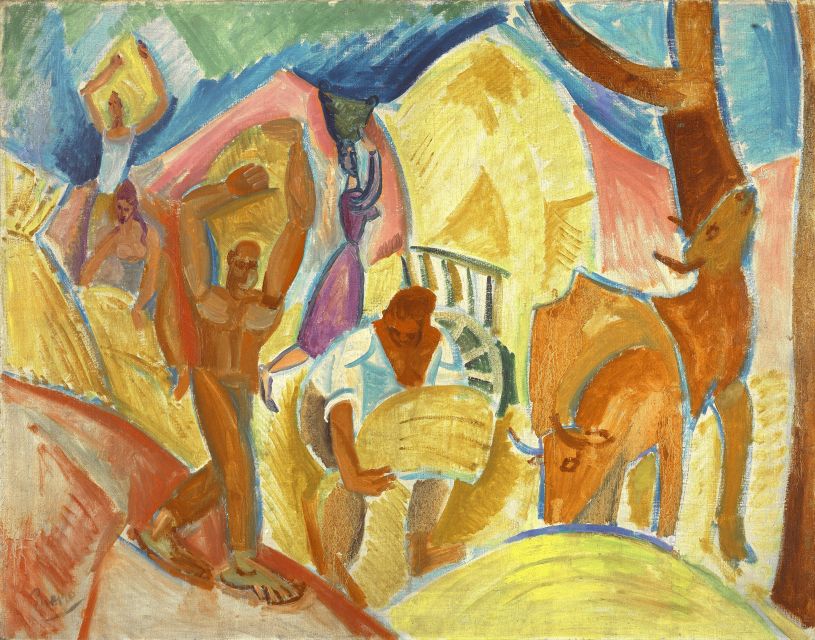
You’ll also get to understand recurring themes in more specific categories, including scenery and genre scenes, with a special emphasis on the Dutch school of the 17th century and the American school of the 19th century. That matters because it turns what can look like a random scatter of rooms into a pattern you can actually follow.
And yes, you’ll also see the later stylistic swings—expressionism on one end and pop art on the other—so you’re not stuck in one “era mood.” It’s the kind of mix that works well for people who love variety and want their art day to feel like a story, not a checklist.
The artists and works you’ll hear about (and what those names signal)
The tour highlights the kind of lineup that instantly helps you orient. Expect to see and discuss works associated with artists such as Degas, Renoir, Van Gogh, Monet, Rembrandt, Rubens, and Caravaggio, among others.
Here’s the useful part: those names aren’t just marketing. They each signal a different set of artistic priorities—brushwork, light, portrait psychology, dramatic storytelling, or a shift toward modern subject matter. When a guide connects a famous name to a specific artistic choice, you start to see paintings as decisions rather than decoration.
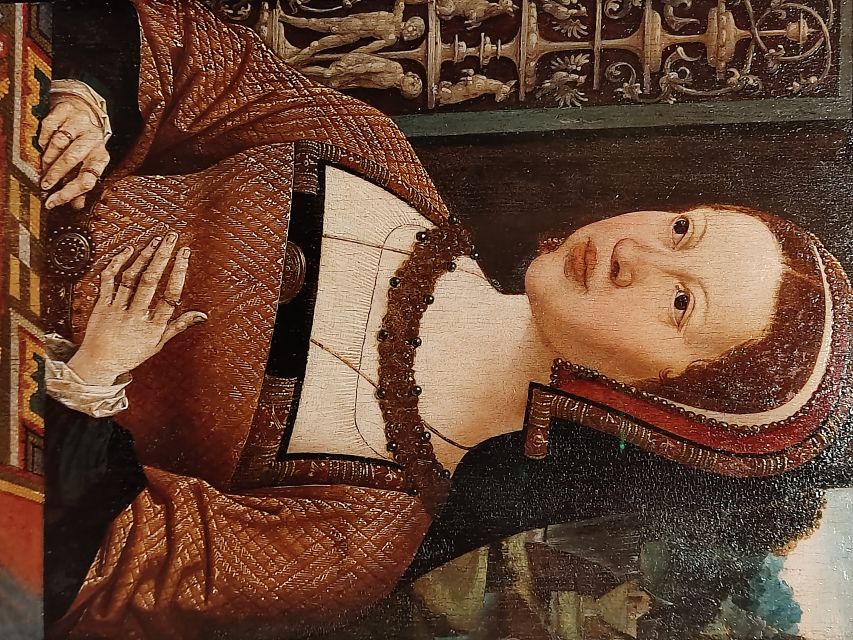
You’ll also learn how the collection handles different types of subject matter—from portraits and scenes of everyday life to more dramatic religious or myth-like narratives. That combination is one reason the Thyssen feels like a museum you can return to even after your first pass.
You can also read our reviews of more museum experiences in Madrid



The Thyssen family story: why the collection can feel personal instead of random
The tour approach doesn’t treat the museum like a warehouse of masterpieces. You get context about the Thyssen family and how their collection shaped what you see today. That’s valuable because it changes how you read the rooms—suddenly you’re looking at a collection with an intention, not just a sequence of artworks.
This kind of framing also helps you understand why some works appear more frequently in discussions than others. When you know how a collection came to be, you can better judge the logic behind contrasts, overlaps, and focus areas.
In other words, the guide’s job isn’t only to explain a painting’s story. It’s also to help you understand why this painting sits where it does, and what role it plays in the bigger whole.
Live guide + audio headphones: how to use both without losing your rhythm
You’ll have a live guide (English or Spanish) and an included audio guide with headphones in English or Spanish. That setup gives you two layers of interpretation: the guide’s direction and the audio’s supportive background as you move.
I like this system because it supports different reading speeds. If your guide is talking about one painting while you’re still taking in another, the audio lets you catch up without having to stop the tour or interrupt the group flow. You can also use it when you spot a work you want to linger on, then return to the group when you’re ready.
Practical tip: keep your headphones on but don’t let the audio fully replace the guide. When your guide points out what to look for, treat it like a spotlight, then let your eyes confirm the detail.
Price and value: what $55 buys you in real time
At about $55 per person for 105 minutes, this isn’t a bargain ticket, but it does spend money in the place that matters most for visitors: time and interpretation. The skip-the-line entry can be the difference between a smooth museum visit and a partially wasted afternoon.
On top of that, you get both a live guide and included audio. You’re basically paying for expertise that would take you much longer to gather on your own. For a major museum like the Thyssen, that value is strongest when you have limited time and want a guided path through a large collection.
If you’re an art power-user with your own in-depth reading plan, you might prefer a self-guided visit. But if you want structure and context without building your own lesson from scratch, this price starts to look fair.
Logistics you should plan for: security, comfort, and avoiding avoidable delays
Wear comfortable shoes. The museum walkways and gallery turns add up fast, especially when you’re moving at a guided pace.
Also note the security rule: don’t bring backpacks. That’s not the kind of detail you want to discover at the entrance after you’ve already committed to the plan. If you’re traveling with a day bag, leave it at your hotel or switch to something that won’t create issues.
Finally, build in a small buffer for the meeting point. Showing up on time matters here because the “go in together” setup depends on everyone being ready before you head inside.
Who should book this Thyssen guided tour, and who might want a different format
This is a great fit if you like famous works but also want the meaning behind them. It’s ideal for visitors who want a clear overview of European painting trends, plus helpful guidance on what to notice in key artists and themes.
It also fits well when you’re traveling with mixed art interest levels. The tour seems built to explain the collection in a way that keeps people engaged, and the included audio supports that learning style.
One possible drawback: the approach can feel like an introduction. If you already know a lot of art history and you want heavier, more technical analysis, you might find the pace and depth a little basic.
Should you book the Thyssen skip-the-line guided tour?
I’d book this if you want to see major art at the Thyssen without gambling on your own navigation and without losing time to lines. The combination of fast entry, live guide context, and audio support is exactly what helps a museum visit feel worthwhile, even if you only have a short window.
Skip it only if you’re set on a slow, solo masterpiece-hunting session and you already have a detailed plan for what you want to study. Otherwise, this tour is a smart way to turn your limited Madrid time into a real art lesson you can actually enjoy.
FAQ
How long is the Thyssen-Bornemisza guided tour?
The tour runs for 105 minutes, about 1.5 hours.
Where do I meet the guide for the Thyssen tour?
You meet your guide at the door of the Starbucks in Plaza de Cánovas del Castillo, at Fuente de Neptuno. The guide waits about 10 minutes before the start.
What languages are available for the tour?
The live tour guide and the audio guide are available in English and Spanish.
Does this tour include skip-the-line entry?
Yes. You get skip-the-line entry through a separate entrance.
What’s included in the experience besides the guided tour?
You get a skip-the-line entry ticket, a guided tour, and an audio guide with headphones.
What should I bring or wear?
Wear comfortable shoes.
Are backpacks allowed inside?
No. Due to high security measures, you should not bring backpacks.
Is there free cancellation or a pay-later option?
Yes. You can cancel up to 24 hours in advance for a full refund, and you can reserve now and pay later.
Is the tour suitable for young children?
The tour is not suitable for children under 3 years.