REVIEW · CORDOBA
Mosque-Cathedral Small Group Guided Tour
Book on GetYourGuide →Operated by Konexion Tours · Bookable on GetYourGuide
Córdoba’s Mosque–Cathedral is a history lesson you can walk through. This 1-hour small-group guided tour focuses on the big turning points: an Islamic place of worship, then a Catholic cathedral added after the Reconquista.
I really like how the guide helps you read the building’s layers—from 9 centuries of architectural change to the exact spots where you can see original structure. I also love the payoff inside the church space, including the Baroque altarpiece and the mahogany choir stalls.
One thing to keep in mind: it’s only an hour, so the route is efficient rather than slow and wandering. If you want to spend long minutes staring at every corner, you might want extra self-guided time after the tour.
In This Review
- Key things you’ll notice on this tour
- Entering the Mosque–Cathedral: what your hour is really for
- The story behind the building: 785 to the 13th century
- What you’ll see on the eastern side (and why it’s worth it)
- Cathedral inside the mosque: the Baroque altarpiece moment
- Why the guide’s route and pacing make a difference
- The value question: is $71 worth it?
- Before you go: what to wear and bring
- Who this tour suits best (and who might want DIY time)
- Should you book this Mosque–Cathedral small-group tour?
- FAQ
- How long is the Mosque–Cathedral small-group guided tour?
- What group size is this tour?
- Where do I meet for the tour, and where does it finish?
- Is the ticket included in the price?
- Do I skip the ticket line?
- What languages are available for the live guide?
- Is the tour wheelchair accessible?
- What should I bring, and what should I wear?
- Is there any restriction on luggage or bags?
- Can I cancel or pay later?
Key things you’ll notice on this tour
- Very Small Group (max 12 people) means less crowding, fewer bottlenecks, and better explanations.
- You’ll learn how a cathedral was built inside a mosque after the 13th-century shift.
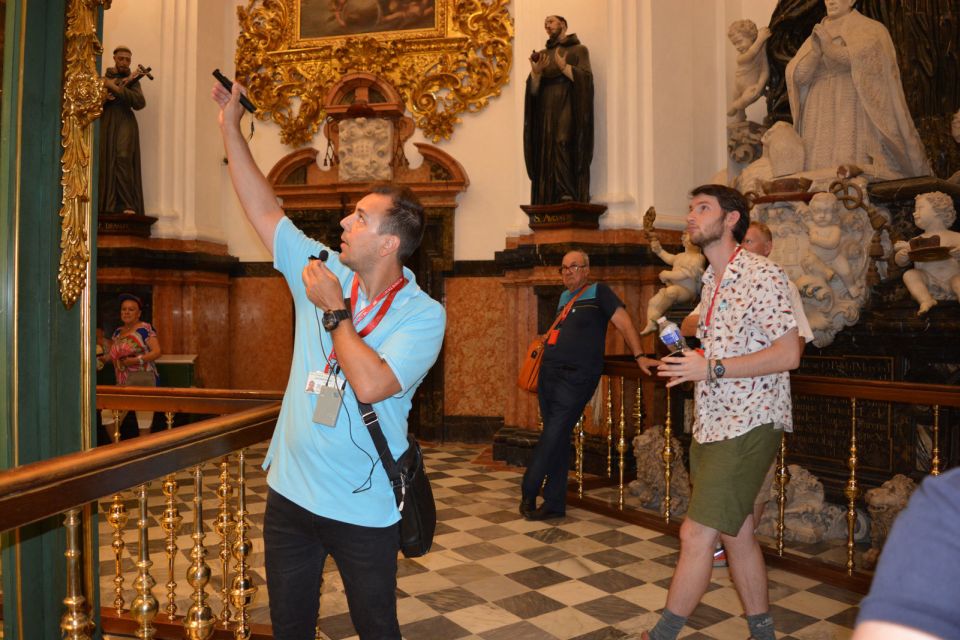
- Expect specific highlights like the Baroque altarpiece and mahogany choir stalls rather than generic sightseeing.
- You’ll focus on the eastern side and even step on some of the eroded steps of an old minaret.
- The guide keeps the story chronological, starting with Abd-el-Rahman I (785) and moving through later changes.
Entering the Mosque–Cathedral: what your hour is really for
You don’t come to the Mosque–Cathedral of Córdoba just to see something impressive. You come to understand how it got that way. This tour is built for that goal—one hour, a clear path, and an English/Spanish/French live guide to explain what you’re looking at while you’re actually looking at it.
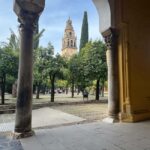
The tour starts from one of two places in the historic center: Patio de los Naranjos or Fuente de Santa María. From there, you head into the Mosque–Cathedral of Córdoba for the guided visit, then you finish back around Fuente de Santa María. That loop matters because it keeps you oriented in the area without turning the experience into a long, confusing shuffle.
You also skip the ticket line. When you’re dealing with a major landmark that draws crowds, saving time matters. It lets you spend your energy where it counts: inside, with the guide pointing out what would otherwise be easy to miss.
You can also read our reviews of more guided tours in Cordoba

The story behind the building: 785 to the 13th century
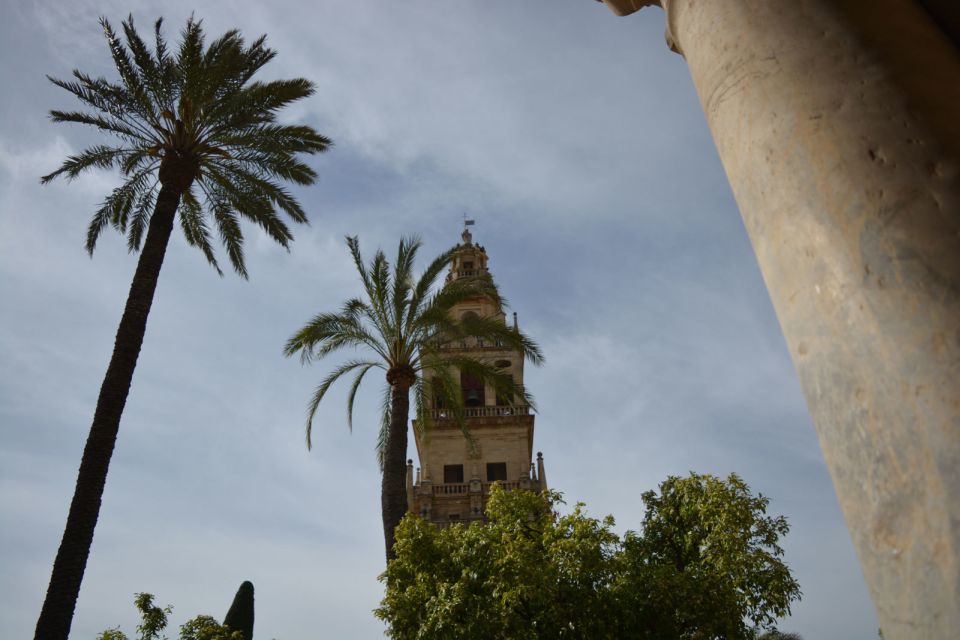
Here’s the core idea you’ll walk away with: the Mosque–Cathedral is not one single building. It’s an evolving worship space shaped by changing rulers and faiths.
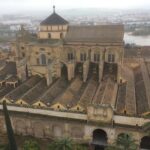
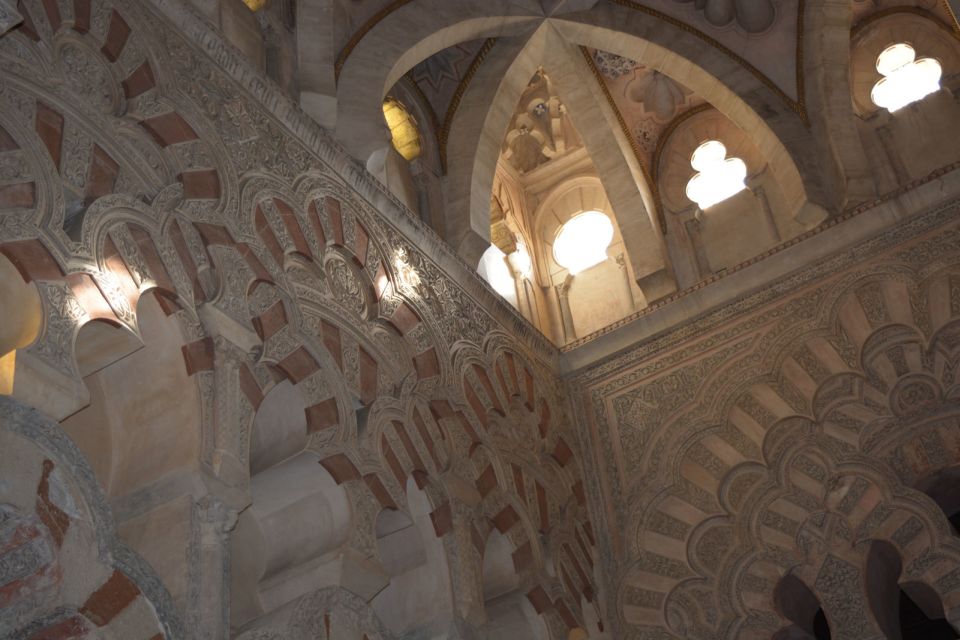
The site began with a Visigoth church called San Vicente. Then, in 785, the Muslim emir Abd-el-Rahman I built the mosque on that same site. Later, after the Christian Reconquista, the building’s role shifted and a cathedral was inserted within it in the 13th century.
One fascinating detail you’ll hear about is that the building was first divided into Muslim and Christian halves. That’s the kind of fact that changes how you view the interior. Instead of thinking only about decoration or architecture styles, you start noticing how power, belief, and design decisions overlap in real space.
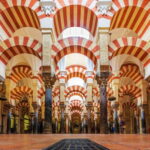
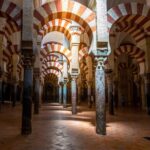
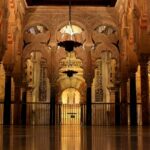
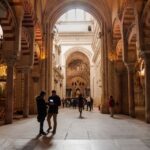
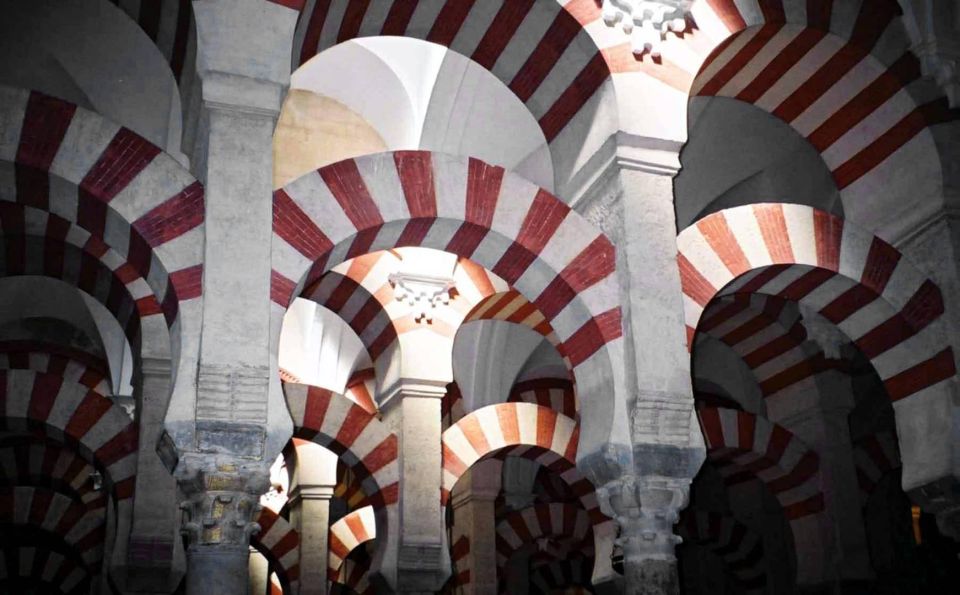
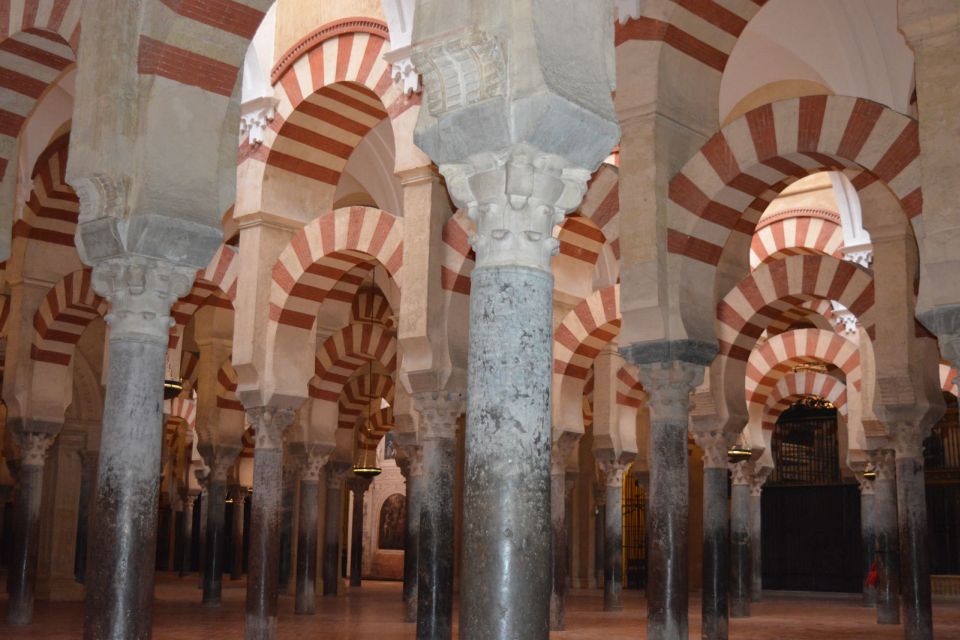
Over the centuries, you’ll see an architectural mix created across 9 centuries. That’s why this isn’t just a pretty stop. It’s a physical timeline, and the tour helps you connect the dots fast.
What you’ll see on the eastern side (and why it’s worth it)
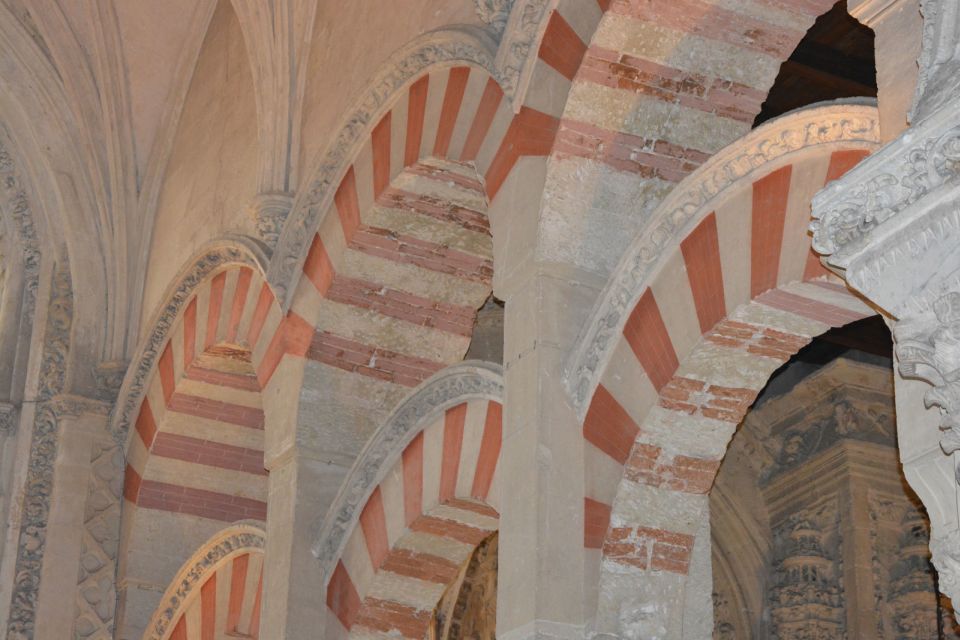
A common mistake is treating the Mosque–Cathedral like it’s all one view. This tour steers you toward meaningful parts of the original structure, especially on the eastern side.
You’ll get to see parts of the older building there—helpful because the eastern area is where you can start piecing together how the space was arranged and how later changes fit into it. The guide also points out areas that have been worn down over time.
One standout moment (if you’re comfortable with uneven footing) is stepping on some of the eroded steps of the old minaret. Even without getting too technical, that detail makes the centuries feel real. It’s not a museum display. It’s an old feature that’s been exposed to the elements, right there in the building’s fabric.
Tip for your comfort: wear shoes you can trust. The tour is short, but you’re still moving through a historic site where surfaces can be worn and stairs can feel uneven.
Cathedral inside the mosque: the Baroque altarpiece moment
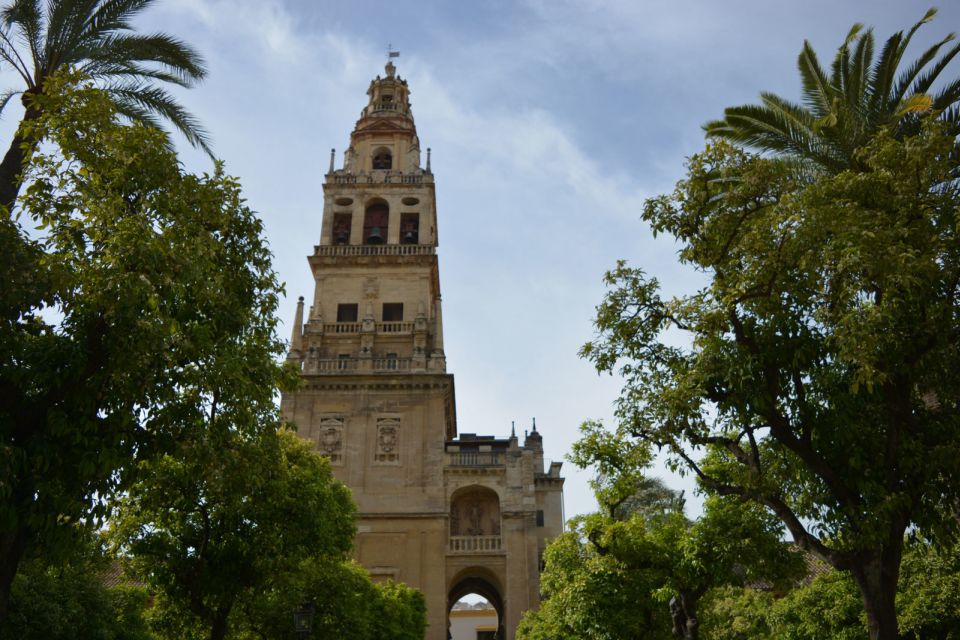
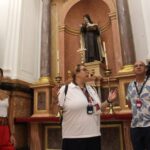
After you understand the earlier layers, the tour shifts into the cathedral side of the story. This is where the change becomes visually obvious and emotionally different—because a cathedral interior brings its own artistic language.
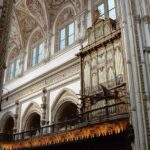
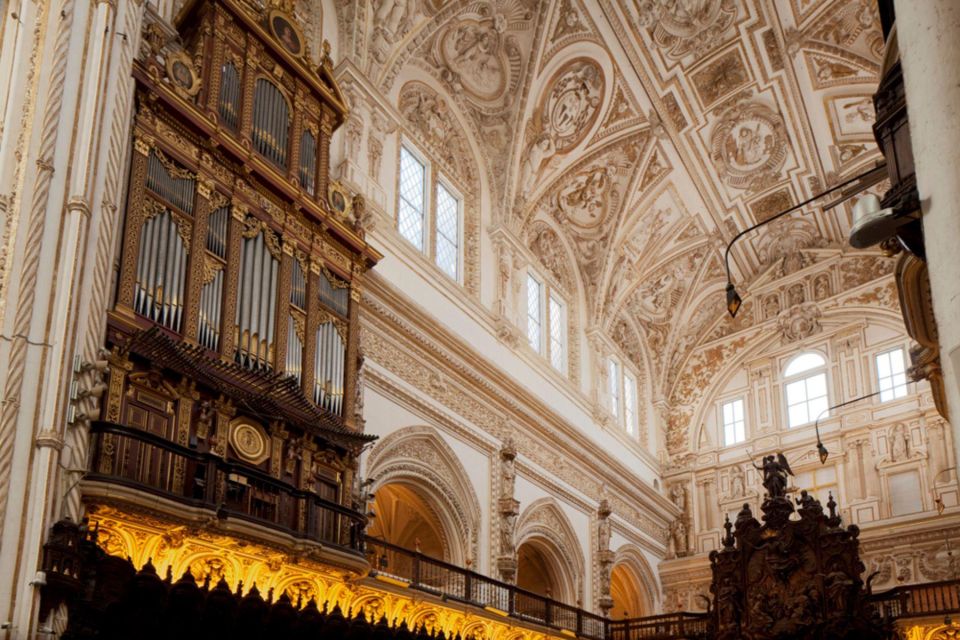
You’ll admire the cathedral’s Baroque altarpiece. Baroque art tends to aim for impact: dramatic styling, strong visual focus, and a sense of theatrical devotion. In a building that started as a mosque, that contrast is part of the point. You’re watching religious architecture communicate through different eras and aesthetic priorities.
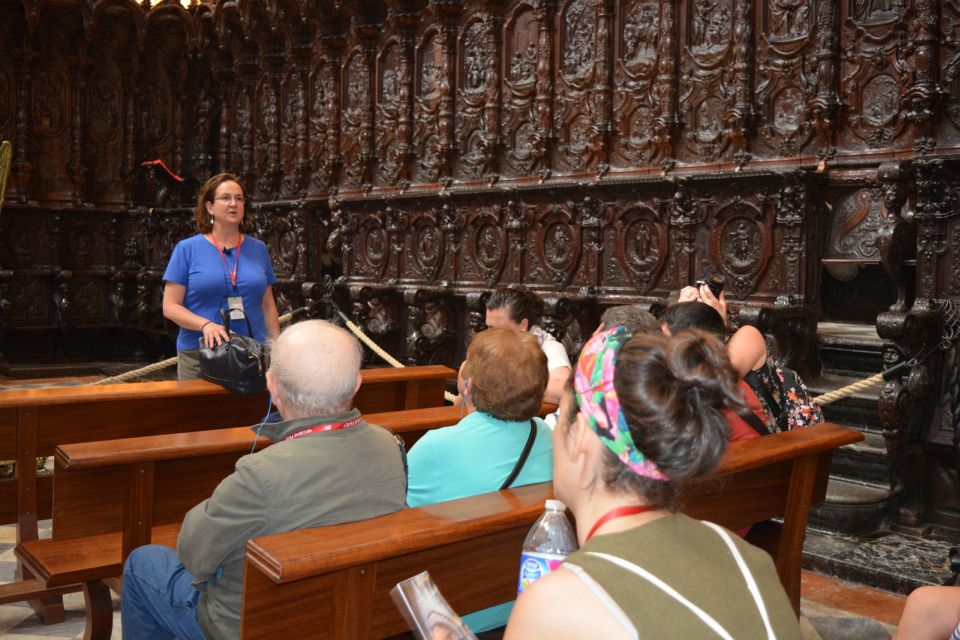
You’ll also see the mahogany choir stalls. Choir stalls aren’t just furniture; they signal how a worship space functions day to day—where voices sit, where liturgy happens, and how the interior shapes sound and ritual. Seeing them while your guide explains the mosque-to-cathedral transformation helps it click, instead of feeling like random decoration.
This section is a big reason the tour is worth doing with a guide. If you go in solo, you may spot the major artworks—but you might not connect them quickly to the building’s conversion story.
Why the guide’s route and pacing make a difference
This isn’t a long tour, and that’s actually a strength. In one hour, you’re not trying to cover everything. You’re getting the main storyline and the best, most instructive spots.
The guide helps you navigate an enormous complex without getting stuck in crowds. A max group size of 12 is key here. It keeps the tour from turning into a slow shuffle, and it gives you a better chance to hear explanations rather than listening to muffled snippets behind other people.
There’s also an efficiency to good guidance: getting you to each highlight before it fills up, then moving you along before you lose your view or your place. In that short time window, the guide’s timing can be the difference between a tour that feels smooth and one that feels frantic.
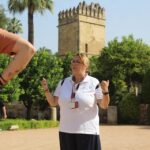
You might also find that some guides use humor to break the density of dates and architectural terms. If Paquin or Anna happens to be leading your departure, that style—clear English with a sense of pacing—has been highlighted as especially effective. Even when you’re not focused on jokes, a light touch helps you stay present as the building’s story becomes more complex.

The value question: is $71 worth it?
At $71 per person for a 1-hour guided visit, you’re paying for three things: expert interpretation, the included ticket, and the saved time from skipping the ticket line.
If you were to do it completely on your own, you’d still have access to the building. But you’d lose the context that turns architecture into meaning. The biggest value here is that the guide helps you understand:
- how the site transitioned from mosque to cathedral
- how the building was shaped from 785 onward
- what to look for during the quick walk-through (like the altarpiece, choir stalls, and older minaret steps)
Because the tour includes ticket and fees, you’re not stuck figuring out entry costs while also planning your schedule. For a one-hour slot, the price becomes easier to justify—especially if you want the key highlights without committing half a day.
It’s still worth being honest with your expectations. If your main goal is to linger and take photos for long stretches, you may feel rushed. But if you want the story quickly and you enjoy being directed to the most meaningful spots, $71 feels fair for Córdoba’s biggest landmark.
Before you go: what to wear and bring
This is one of those places where “come prepared” really helps.
Bring:
- Passport or ID card
- Comfortable shoes (the site involves walking and some steps)
Dress code:
- No sleeveless shirts. This is a real rule you’ll want to respect.
Bags:
- No luggage or large bags. You don’t want to arrive with something that forces you to adjust your plan at the last minute.
Practical note: meeting point can vary depending on which starting option you booked (the tour can begin at Patio de los Naranjos or at Fuente de Santa María). Double-check your confirmation message so you’re not hunting around Córdoba’s historic streets.
Who this tour suits best (and who might want DIY time)
This tour is a great fit if you’re:
- visiting Córdoba for the first time and want the fastest route to the big story
- interested in how architecture changes when a building’s purpose changes
- short on time and want a guided hour rather than a long, self-planned route
- traveling with anyone who appreciates a clear explanation while walking
It may not be the best match if you:
- prefer slow museum-style wandering, with long stops at the same spot
- plan to spend most of your visit taking photos without stopping for guided context
- dislike tours that keep you moving on a set timeline
Also, the tour is wheelchair accessible, which is a helpful factor if you need that level of access and you still want a guided experience rather than going entirely on your own.
Should you book this Mosque–Cathedral small-group tour?
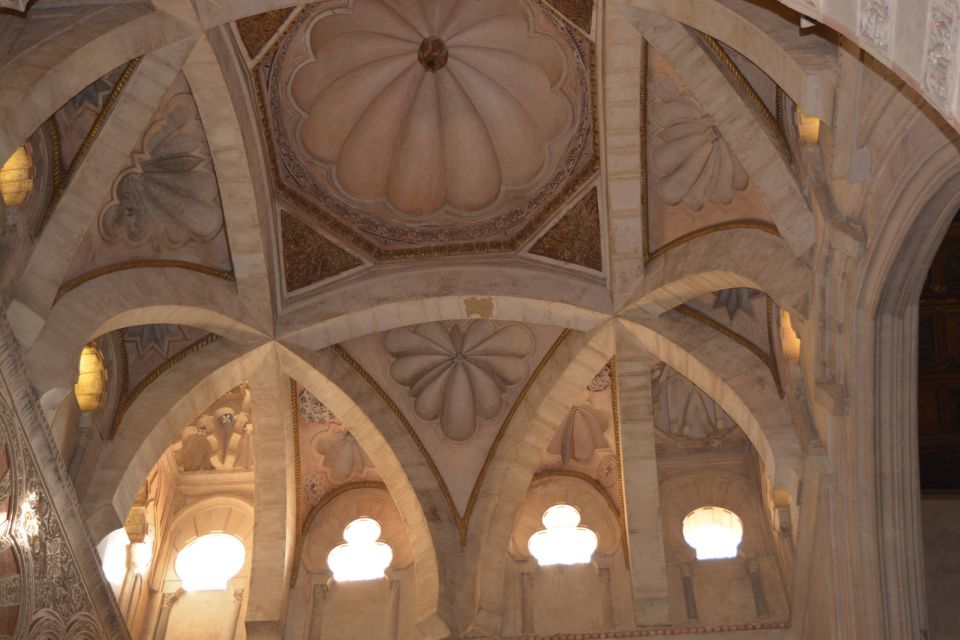
I think it’s an easy yes if you want the core meaning of the Mosque–Cathedral in a tight time window. The very small group keeps things manageable, the guide connects details like Abd-el-Rahman I’s 785 origins to what you see inside, and you get the cathedral highlights without having to translate the building yourself.
Book it especially if you’re the type of traveler who likes when someone hands you a map of what matters. You’ll walk out with a clearer sense of why the building looks the way it does, not just that it’s famous.
If you already know the basics and you want maximum freedom, you might consider a longer self-guided visit instead. But for most people—especially if this is your one shot inside the building—this short, guided format feels like strong value.
FAQ
How long is the Mosque–Cathedral small-group guided tour?
The tour lasts 1 hour.
What group size is this tour?
It’s a very small group, with a maximum of 12 people.
Where do I meet for the tour, and where does it finish?
The meeting point can vary depending on the option booked, with two starting options: Patio de los Naranjos or Fuente de Santa María. The tour finishes at Fuente de Santa María.
Is the ticket included in the price?
Yes. The price includes a ticket to the Mosque–Cathedral and the associated fees.
Do I skip the ticket line?
Yes. The tour includes skip-the-ticket-line entry.
What languages are available for the live guide?
The live guide is available in English, Spanish, and French.
Is the tour wheelchair accessible?
Yes, the tour is wheelchair accessible.
What should I bring, and what should I wear?
Bring passport or ID and wear comfortable shoes. Sleeveless shirts are not allowed.
Is there any restriction on luggage or bags?
Yes. Luggage or large bags are not allowed.
Can I cancel or pay later?
You can cancel up to 24 hours in advance for a full refund. You can also reserve now and pay later to keep plans flexible.