REVIEW · BARCELONA
Barcelona: Old Town Private Walking Tour of Past and Present
Book on GetYourGuide →Operated by Barcelona by Fábio · Bookable on GetYourGuide
Walking Barcelona through centuries is surprisingly easy. You start at Arc de Triomf (or Plaça de Sant Jaume) and move from Roman traces to modern beach life shaped by the 1992 Olympics, while keeping things in a private setting. I also really like the stop at La Boqueria, where you get to sample local favorites like cheese, Iberian ham, and fruit juice. The only catch: you’ll be walking a lot on uneven old-street surfaces, so comfortable shoes and sunscreen matter.
I like that the route mixes big sights with quieter corners—so you get the history, plus the feel of where people actually live. Expect stories that connect old and new Barcelona, including a stop tied to Roman ruins and a flexible finish near the sea or toward Gaudí’s area. If you’re hoping for lots of sitting around, this one isn’t for you.
In This Review
- Key highlights worth planning for
- Where the walk actually begins: Arc de Triomf vs Plaça de Sant Jaume
- Parc de la Ciutadella: the quick green break before old streets
- El Born and La Ribera: where Barcelona’s everyday past becomes visible
- The secret stop and Roman ruins: what the Gothic Quarter hides
- Santa Maria del Mar and the plazas: faith, power, and street-level scale
- La Rambla to La Boqueria: tasting your way through the center
- Choosing your ending: La Barceloneta, Port Vell, or the Gaudí streets route
- Option A: down toward La Barceloneta and the marina area
- Option B: up toward Passeig de Gràcia and Gaudí architecture
- Price and value: what $50 buys you in real Barcelona time
- Pacing, comfort, and small details that make a difference
- Who should book this tour, and who might skip it
- Should you book the Barcelona Old Town private walking tour?
- FAQ
- How long is the Barcelona Old Town private walking tour?
- How much does the tour cost?
- What is included in the price?
- Where does the tour start?
- What languages does the guide speak?
- Is the tour suitable for families, pets, or wheelchair users?
Key highlights worth planning for
- Two start points: Arc de Triomf or Plaça de Sant Jaume, depending on your option
- Ciutadella Park first reset: a green break early on before the old streets
- Roman-to-medieval storytelling in the Gothic Quarter, including named sites and a secret stop
- Santa Maria del Mar (St. Mary of the Sea) may be included without charge if time allows
- La Boqueria tastings: local cheese, Iberian ham, and fruit juice while you walk La Rambla
- End choices: La Barceloneta / Port Vell / Columbus Monument area, or heading toward Gaudí streets like Passeig de Gràcia
Where the walk actually begins: Arc de Triomf vs Plaça de Sant Jaume
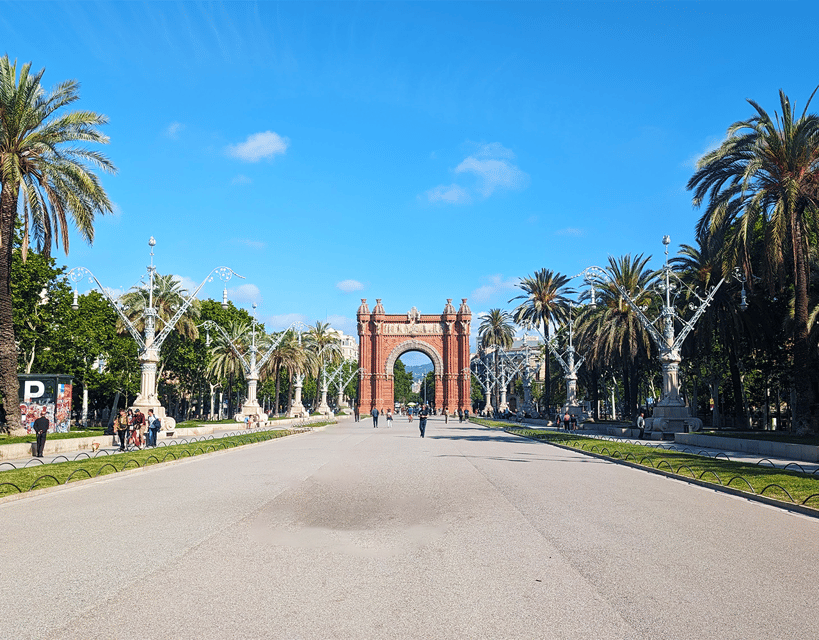
One of the smart things about this tour is that it gives you two different meeting points. Choose Arc de Triomf if you want a smoother start that feels more “arrival-ready,” especially if you’re coming from the train or heading toward the older central neighborhoods. Pick Plaça de Sant Jaume if you want to jump in closer to government-and-royalty Barcelona, right near the action of the Old Town.
Either way, you’re not starting in a random plaza. You’re starting where the guide can quickly set the map in your head—how neighborhoods connect, why streets bend the way they do, and which landmarks are worth remembering later when you’re exploring on your own. That matters on your first day, because Barcelona can feel big and confusing until you learn the logic of its districts.
You can also read our reviews of more walking tours in Barcelona

Parc de la Ciutadella: the quick green break before old streets
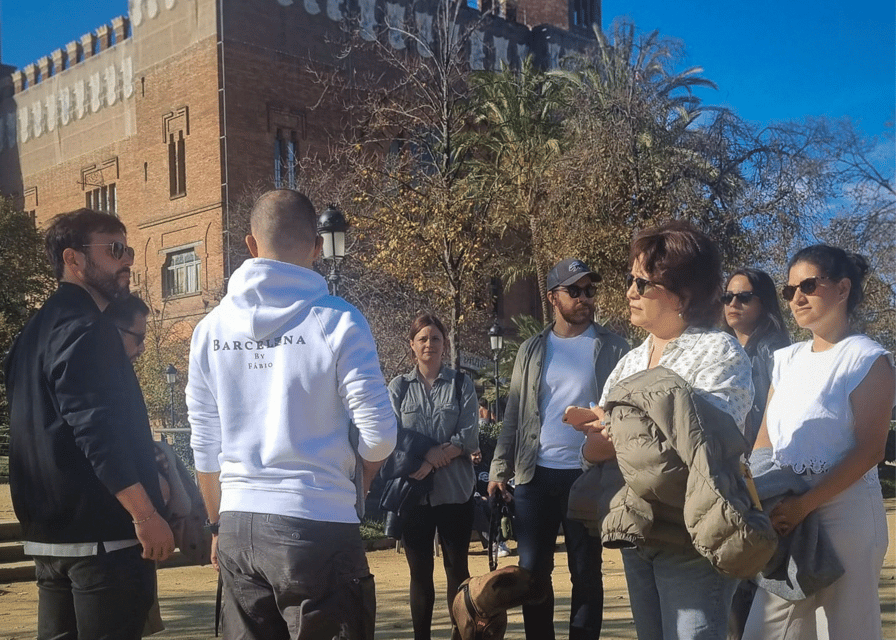
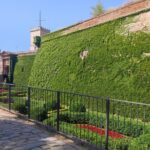
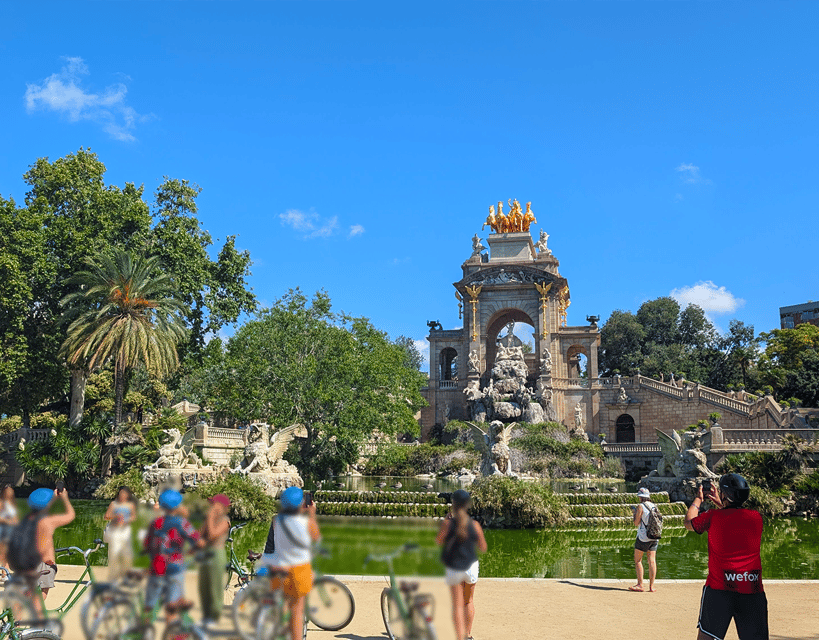
After you meet, the route walks you into Parc de la Ciutadella, Barcelona’s well-known urban park. This is more than a pretty intermission. It’s a practical reset after city sidewalks—shade, open space, and a breather before the tight medieval lanes start to feel like a maze.
It also sets up the tour’s main theme: Barcelona isn’t frozen in time. You’re moving from modern planning (parks, city blocks) into older fabric (cathedrals, ruins, narrow streets). Even if you’re not a park person, you’ll appreciate this stop because it keeps the walking tour comfortable and keeps your energy up for the Gothic Quarter section.
El Born and La Ribera: where Barcelona’s everyday past becomes visible
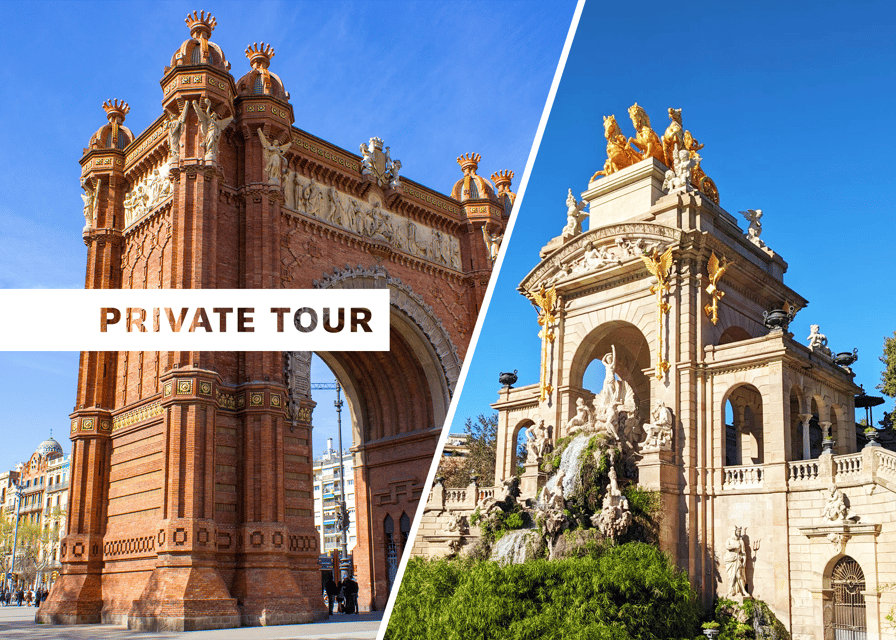
The tour then heads into El Born and La Ribera, neighborhoods tied to Barcelona’s older economic life. The value here is not just seeing monuments—it’s understanding what the streets were for. In this part of town, you start noticing how markets, workshops, and main routes shaped where people built and how they gathered.
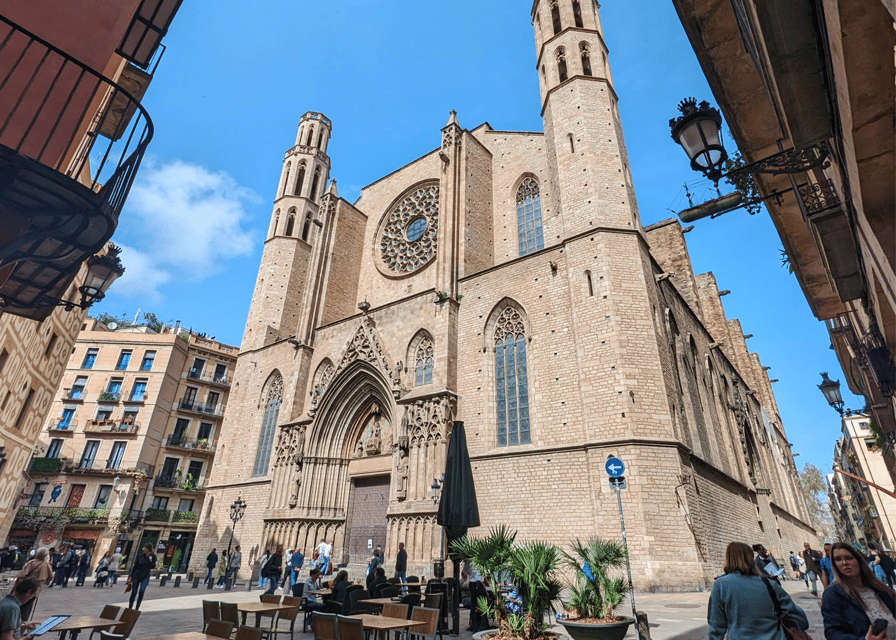
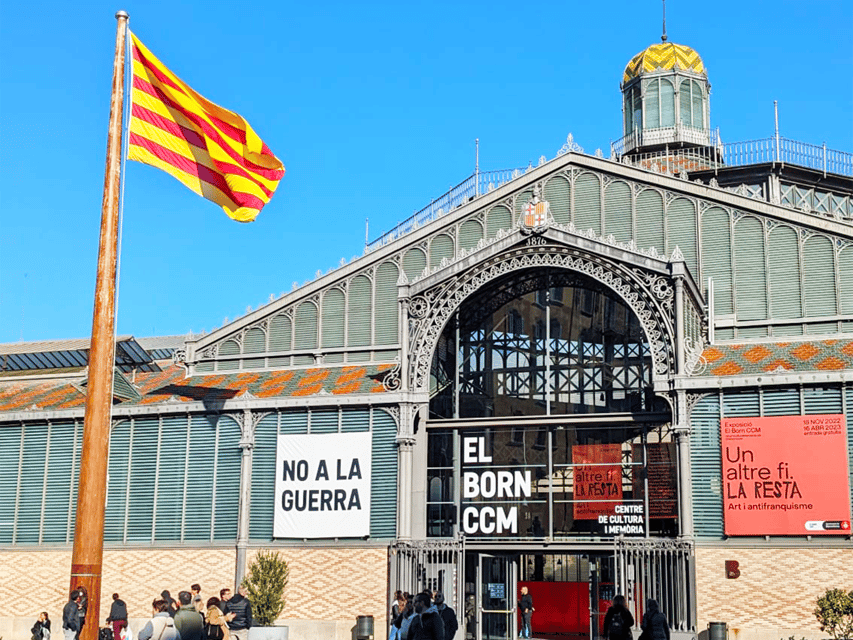
A guide-led walk helps because you’ll miss a lot on your own. You’ll get stops around the historical core, including the Cultural Center area in El Born. And if time allows, you can step into Santa Maria del Mar without charge—an important note because it’s one of those places that feels almost made for a guided moment, where someone explains what you’re looking at before you look at it.
This section is also a nice “warm-up” for the rest of the day. You’re not yet stuck in the densest maze streets, so it’s easier to ask questions and set your pace.
The secret stop and Roman ruins: what the Gothic Quarter hides
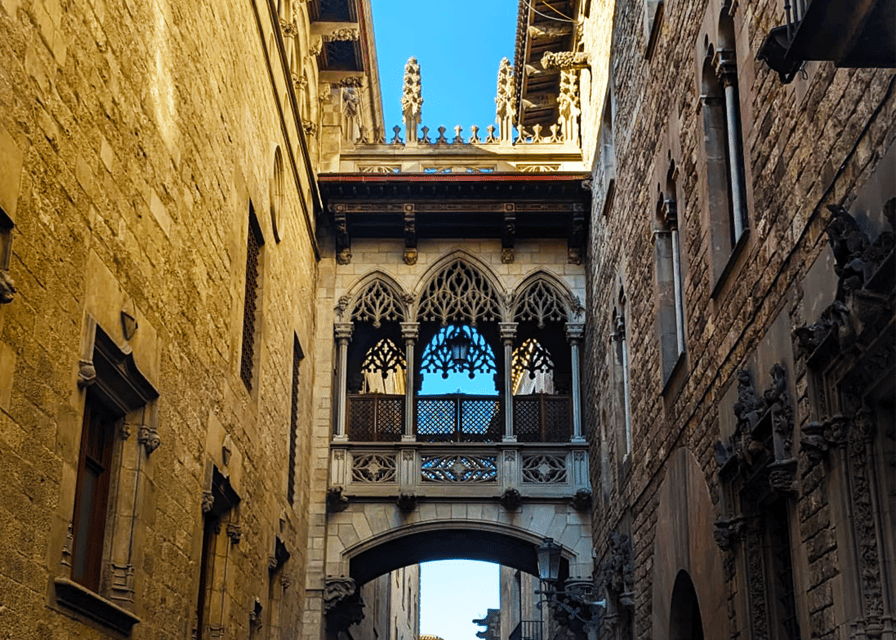
Then comes the part many people remember most: the Gothic Quarter. This is where the tour shifts into true time-travel mode. You’ll walk through named places like Plaça de Sant Jaume, Plaça del Rei, the Cathedral of Santa Eulàlia (the Barcelona Cathedral complex), and the Temple of Augustus. These are the big markers, but the real satisfaction comes from the smaller details you don’t automatically clock from street level.
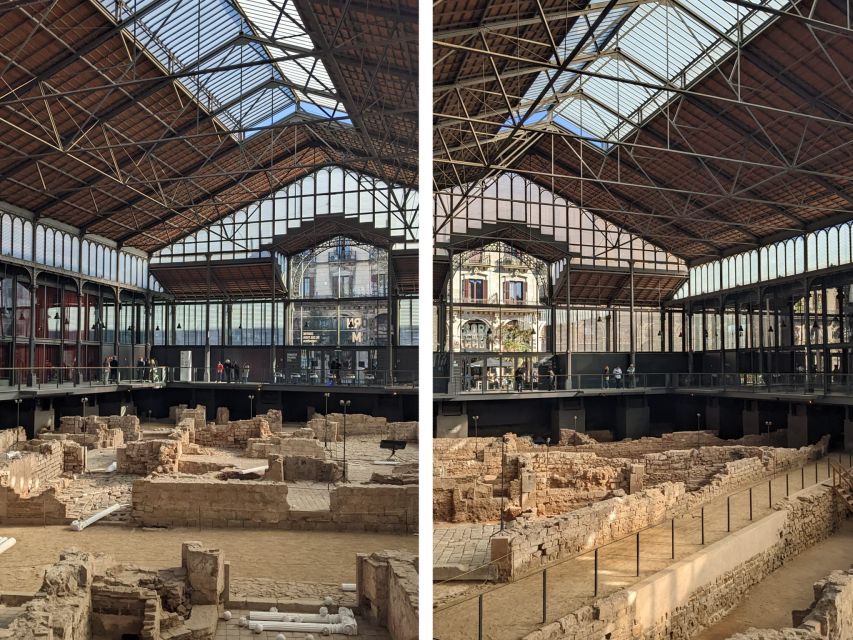
The guide also includes a secret stop, and guests specifically mention Roman ruins connected to where the city once held that older layer. That’s exactly the kind of thing that makes a private walking tour worth it: you’re not just collecting photos. You’re learning what’s under the surface, why certain corners feel important, and what changed as Barcelona grew.
If you like architecture but also like stories, this is where you’ll feel both sides working. You’ll hear legends and explanations that connect Roman foundations, medieval power, and local identity. And because it’s a private group, the pacing can match your interests—slow down for questions, speed up if you’re scanning for photos.
Santa Maria del Mar and the plazas: faith, power, and street-level scale
After the densest “history stops,” the route returns to key squares that show Barcelona’s social structure. Plaça del Rei gives you a sense of royal presence, while Plaça Sant Jaume anchors the story in the civic center. These plazas aren’t just empty space between buildings; they’re stages where power and religion shaped the city’s daily rhythm.
The highlight for many people is Santa Maria del Mar (St. Mary of the Sea). If the timing works, you may be able to enter without charge. Even just seeing how it sits within the neighborhood helps you understand why Barcelona’s old churches feel less like isolated monuments and more like community landmarks. This tour approach matters: you see it after hearing the background, so the building doesn’t feel like a random stop.
Also note the tour includes Plaça Sant Felip Neri and the broader cathedral complex route. Those stops make the Gothic Quarter feel less like one long checklist and more like a connected walk through how people lived, prayed, and governed.
You can also read our reviews of more private tours in Barcelona



La Rambla to La Boqueria: tasting your way through the center
Next up is La Rambla, and yes, it’s busy. But this is where a guided approach pays off, because you’re not standing around guessing what’s worth your time and what’s pure tourist theater.
The tour’s best move is a stop at La Boqueria with a shared tasting. You’re sampling local favorites—cheese, Iberian ham, and fruit juice—so you get the flavor of Barcelona without turning your day into a full restaurant mission. The tasting is also included, which is a real value lever. Food stops alone can easily add cost on a walking day, so having it built in keeps your budget steady.
Practical tip: wear shoes you can trust for market floors and crowds. The market portion can be short, but it’s still active. Also, plan to hydrate—this is where that included mini eco-friendly water bottle becomes useful.
Choosing your ending: La Barceloneta, Port Vell, or the Gaudí streets route
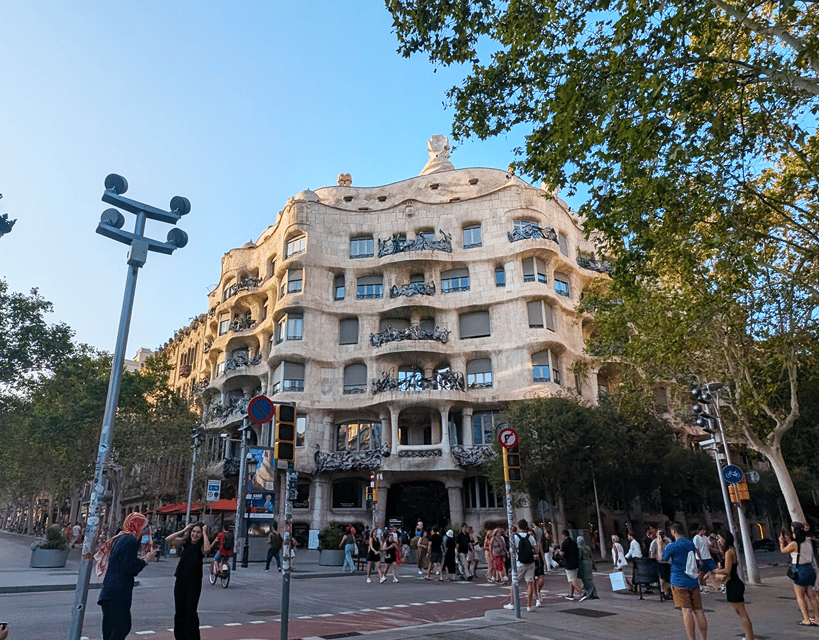
By the end, the tour gives you control. You can finish toward the sea around La Barceloneta, or choose a route that heads toward the Gaudí area and big-sight streets.
Option A: down toward La Barceloneta and the marina area
This version typically moves through sights like Plaza Reial, the Columbus Monument, and Port Vell before reaching La Barceloneta. You’ll get a sense of how Barcelona turned its waterfront into a modern public space, including context linked to the 1992 Olympics and the city’s later beach identity.
This ending is great if you want a classic Barcelona wrap-up: salty air, promenade energy, and a straightforward transition into dinner plans.
Option B: up toward Passeig de Gràcia and Gaudí architecture
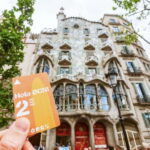
The other ending option leans upward and toward Plaza de Catalunya and Passeig de Gràcia, with Casa Batlló and Casa Mila from the outside. You don’t need ticket planning for every stop here because the tour is built around a guided walk and photo-focused seeing.
If you’re already planning a separate Gaudí visit later, this ending helps you place those buildings in the city map. You’ll leave with better orientation and a clearer sense of why Passeig de Gràcia is a “must-walk” corridor.
Price and value: what $50 buys you in real Barcelona time
At $50 per person for about 2–3 hours, the value comes from three things: it’s private, it includes both hydration and a market tasting, and the guide tailors the pace.
Private tours matter in Barcelona because the city’s old neighborhoods reward attention. In a smaller group, you don’t spend the time aligning with the slowest person. You spend it learning what you want to learn—Roman ruins, medieval corners, or the modern story that connects to today’s beach Barcelona.
The included items help your budget too:
- A mini eco-friendly water bottle
- A shared La Boqueria tasting of local products
And the tour is flexible about timing inside places. For example, entry at Santa Maria del Mar may be possible without charge if time allows. Meanwhile, tickets for other sites are not included unless you request them—so you can decide how much you want to add.
Bottom line: if you’re the type who wants a first-day orientation plus real local flavor, this cost structure is a fair match.
Pacing, comfort, and small details that make a difference
This is a walking tour, so comfort isn’t optional. Bring comfortable shoes and sunscreen. The route also includes parks and plazas, so you’ll get small breathing spots, but you should still plan for uneven street surfaces in the older parts of town.
A major reason people rate this tour so highly is how the guide adapts. Guests highlight that the guide adjusts pacing to match the group and offers clear explanations without rushing. You’ll also get practical help—people specifically note photo-taking, plus recommendations for where to eat and what to avoid so you stay safe and don’t waste time on frustrating detours.
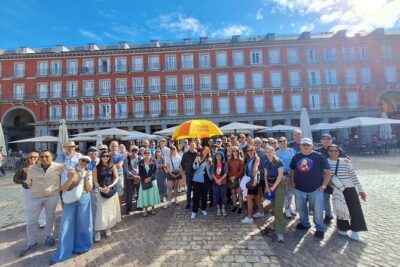
Even small support details matter on a hot day. Some guests mention the guide came prepared with extras like umbrellas, which can save your afternoon if weather turns.
Also, the group size is small—up to 8 participants in the private group setup. That makes it easier to ask questions and to customize the finish. Kids under 6 are free, and the tour is pet-friendly, so it works for families and for travelers who don’t want to find a sitter for their dog.
Who should book this tour, and who might skip it
This tour is a strong fit if:
- It’s your first day in Barcelona and you want orientation fast
- You like walking with context, not just checking landmarks
- You want a private guide who can adjust to your pace and interests
- You want real food on the route via a built-in La Boqueria tasting
You might want to skip or choose a different format if:
- You don’t enjoy walking long stretches on uneven streets
- You prefer a tour with lots of indoor time and minimal moving
One smart strategy: book this early, so the second day you can explore on your own with better confidence. You’ll know where things are and why they matter.
Should you book the Barcelona Old Town private walking tour?
I’d book it if you want the fastest route to understanding Barcelona’s layers—Roman remnants, medieval plazas, the center around La Rambla, and the city’s modern seaside identity. The private pacing plus the included La Boqueria tasting make the $50 feel reasonable, not nickel-and-dimed.
If you’re choosing between this and a generic group walk, pick this one for the tailoring and the guide’s ability to point out what most people miss. Just go prepared to walk, and you’ll get a day that feels like real Barcelona—not a rushed sightseeing loop.
FAQ
How long is the Barcelona Old Town private walking tour?
The tour lasts about 2 to 3 hours, depending on your starting option and walking pace.
How much does the tour cost?
The price is listed as $50 per person.
What is included in the price?
You get a mini eco-friendly bottle of water per guest and a taste of local products at La Boqueria market to share.
Where does the tour start?
The meeting point can vary based on the option you booked, with starting locations that may include Arc de Triomf or Plaça de Sant Jaume.
What languages does the guide speak?
The live guide speaks Portuguese, Spanish, French, and English.
Is the tour suitable for families, pets, or wheelchair users?
The tour is wheelchair accessible and pet-friendly. Children under 6 are free and don’t count in the group size limit.