REVIEW · BARCELONA
Barcelona: Picasso Walking Tour with Picasso Museum Tickets
Book on GetYourGuide →Operated by TourzUP · Bookable on GetYourGuide
Picasso’s Barcelona moves fast, and that’s the point. You start at the Museu Picasso with tickets in hand (no ticket-line waiting), and you get a quick setup so the museum makes sense before you wander.
I especially like the small group vibe (up to 8 people) and the way this experience blends a little human guidance with lots of freedom. One possible drawback: even with the guided option, your guide doesn’t go into the galleries with you, so if you want a full inside walkthrough, you’ll be doing most of the reading yourself.
In This Review
- Key Things That Make This Picasso Tour Worth Your Time
- Starting at the Museu Picasso: Meeting Point and First Impressions
- What You’re Paying for: Tickets, Line-Skip, and the Optional Outside Guide
- The 30-Minute Outside Briefing: A Small Head Start That Helps Inside
- 90 Minutes Self-Guided: How to Use Your Time Once You’re Inside
- Early Works First: Seeing Picasso’s Style Change Over Time
- Blue Period: The Sad Beauty of Poverty, Hurt, and Isolation
- Rose Period and the Circus Influence: Love, Happiness, and Harlequins
- Cubism: Breaking Shapes and Seeing From Multiple Angles
- Sculptures, Ceramics, and Picasso’s Workshop: He Was a Maker, Not Just a Painter
- Museum Shop Stop: Gifts That Feel Related to the Art
- Who This Tour Fits Best (and Who Might Feel Unsatisfied)
- Price and Value: Is $37 a Good Deal for What You Get?
- Should You Book This Picasso Walking Tour?
- FAQ
- Where do I meet for the Picasso tour?
- How long is the experience?
- Does the guide take you inside the museum?
- What’s included in the price?
- What languages are available?
- Is the museum visit accessible for wheelchair users?
Key Things That Make This Picasso Tour Worth Your Time
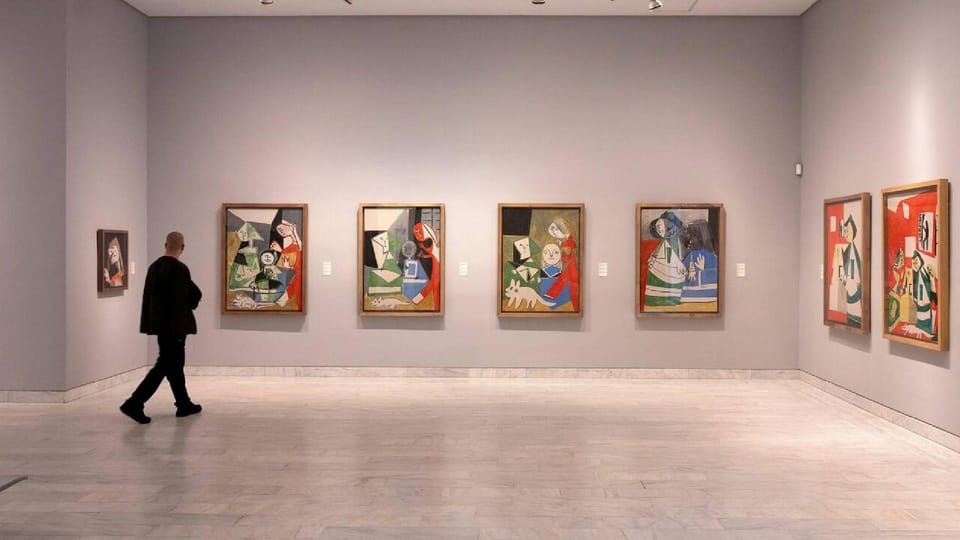
- Skip the ticket line so you lose less time to Barcelona queue culture
- Short outside briefing (about 30 minutes) to help you connect the museum to the neighborhood
- 90 minutes self-guided inside so you can linger where your attention goes
- A clear path through Picasso’s periods: early works, Blue Period, Rose Period, Cubism, plus sculptures/ceramics
- Optional guide, not an inside escort: you get orientation, then you explore on your own
- Museum shop time for Picasso-themed gifts before you leave
Starting at the Museu Picasso: Meeting Point and First Impressions
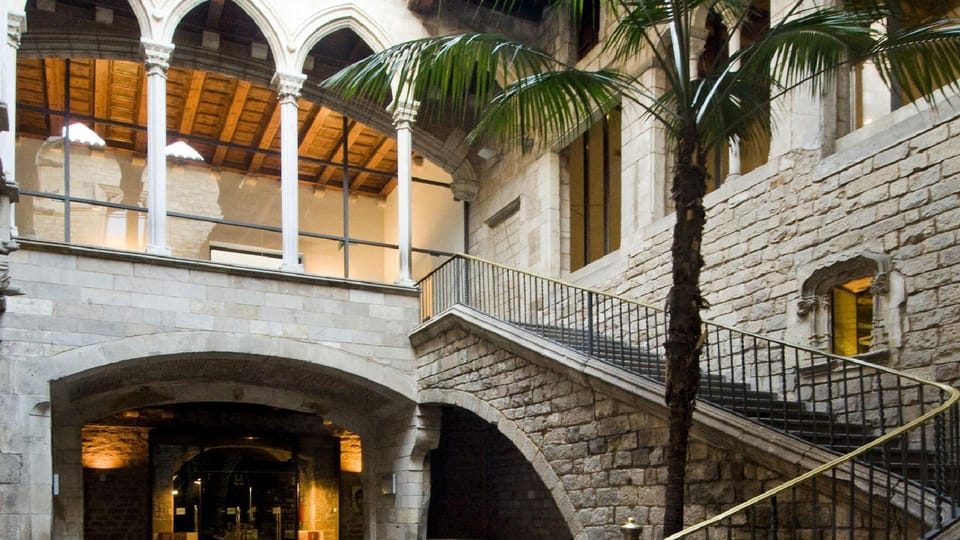
This tour is built around one simple idea: start at the Picasso Museum in Barcelona, get your tickets sorted, then spend your limited time inside seeing the work that shaped Picasso’s style. The meeting is straightforward—meet at the museum itself—so you don’t waste energy figuring out where to go.
Before you go in, there’s a briefing by an outside guide if you choose the guided option. Think of it as a quick “here’s what to look for” talk, plus some neighborhood context so the museum doesn’t feel like an isolated building.
You’ll want to arrive with comfortable shoes. The visit is part museum time and part walking time around the area, and this tour runs on a tight schedule that works best when your feet are happy. Also plan to travel light: no food or drinks, and no luggage or large bags are allowed.
The bottom line for your expectations: this is not a long sit-down lecture. It’s a compact, efficient way to see a lot of Picasso without getting stuck waiting.
A few more Barcelona tours and experiences worth a look



What You’re Paying for: Tickets, Line-Skip, and the Optional Outside Guide
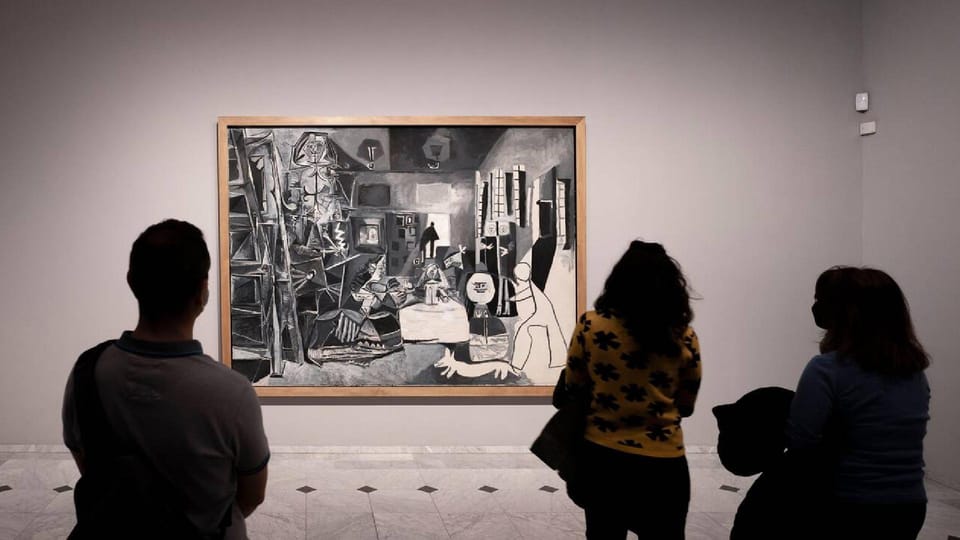
At $37 per person for a 2-hour experience, you’re mostly paying for entry tickets plus the convenience of a skip-the-ticket-line approach. The guided element depends on the option you select, and that’s where value can swing.
Here’s the key trade-off:
- If you choose the guided option, you get an outside guide for a 30-minute briefing and help getting your tickets.
- Your guide does not stay with you inside. After you receive your tickets, you explore on your own for about 90 minutes.
So the real question is what you want from your museum time. If you enjoy wandering and making your own discoveries, the structure is great: you get a nudge to know what to notice, then you control the pace.
If you want a guide explaining every room and every artwork in sequence, you may feel shortchanged—because the inside portion is self-guided. The good news is you can still pace yourself, and you’re not forced to keep up with group speed.
The 30-Minute Outside Briefing: A Small Head Start That Helps Inside
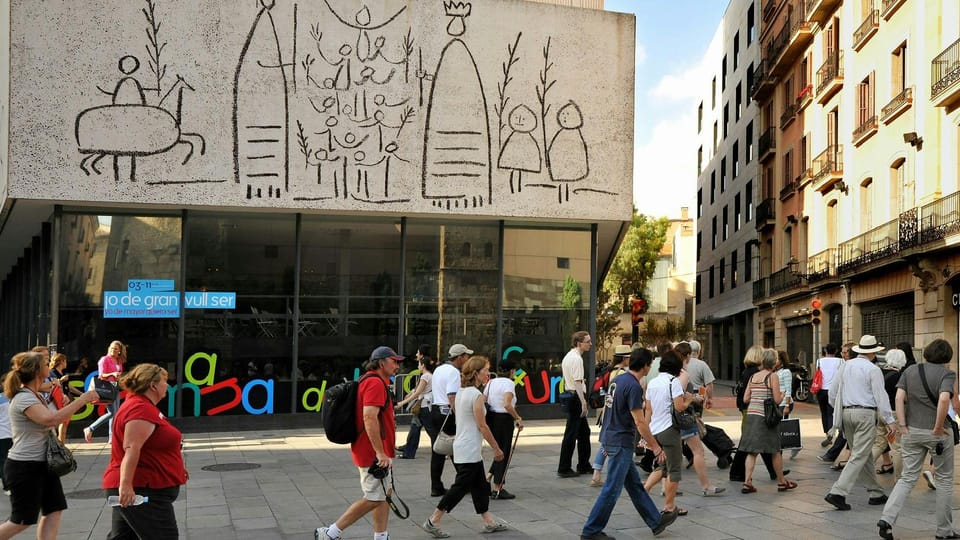
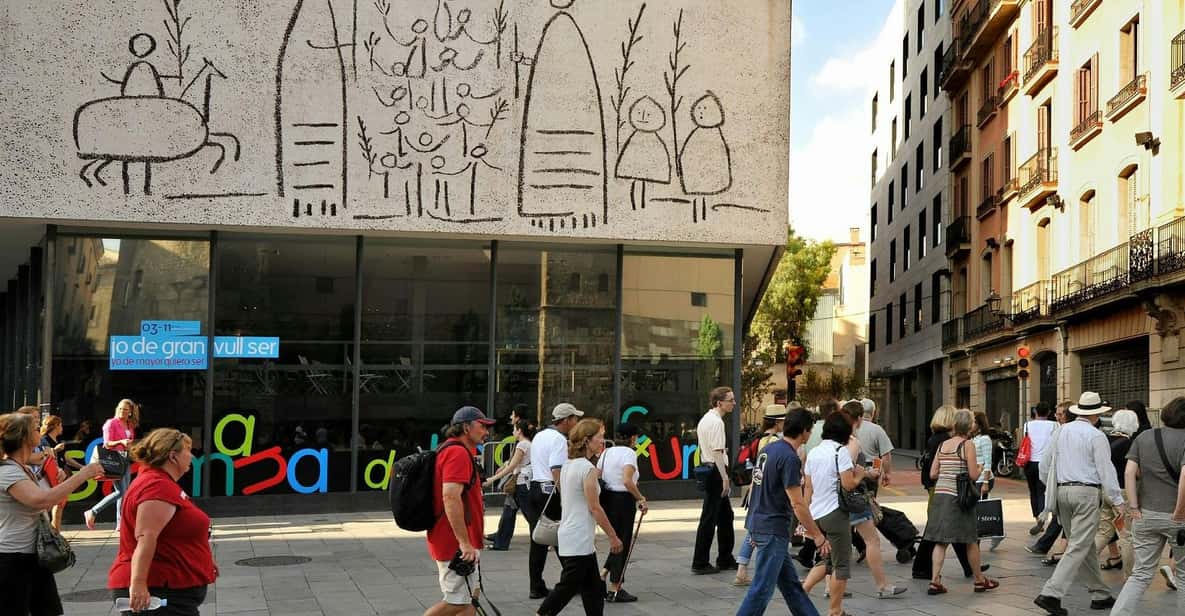
If you pick the guided version, expect a short meeting before you start looking around. The guide helps you get your tickets and gives quick orientation tied to the neighborhood’s historical importance.
In practical terms, this matters because Picasso museums can be visually intense. When you walk in without a map of what to look for, you often end up treating the collection like one long wall of masterpieces. A good 30-minute orientation changes that by giving you a lens—what to compare, what patterns to catch, and which turning points in Picasso’s career are most visible in the museum.
You’ll also get tips from a live guide in English or Spanish (depending on the language you select). That’s helpful when you want someone to point out what makes each period different, not just what order things appear in.
Just remember the limitation: the guide’s job ends when you have your tickets. After that, it’s you, the galleries, and your curiosity.
90 Minutes Self-Guided: How to Use Your Time Once You’re Inside
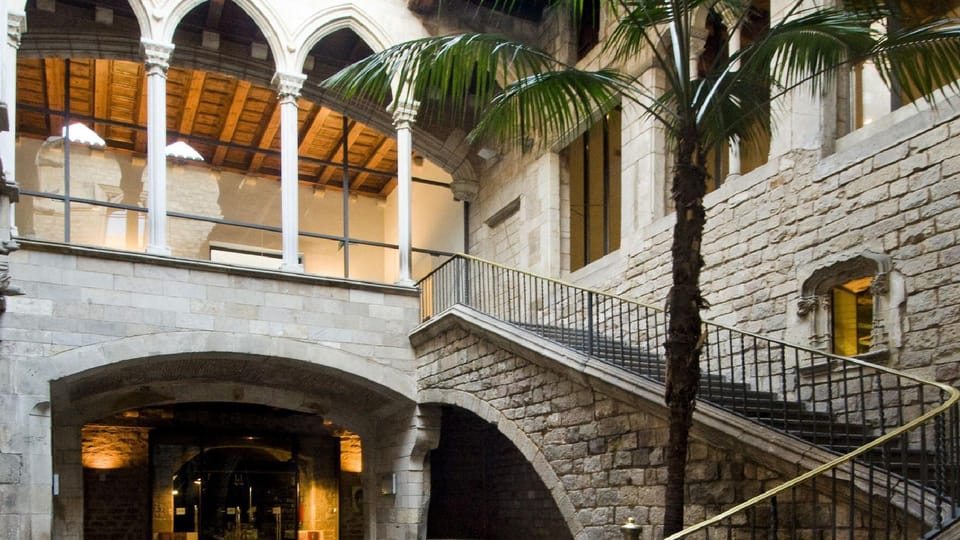
After your briefing and ticket handoff, you’ll enter and enjoy the next 90 minutes at your own pace. This is the part that makes or breaks the experience for different types of visitors.
If you like museum flow, self-guided time is a win. You can stop for 20 minutes if a room clicks with you, or move fast through sections that don’t hold your attention. With a small group setup outside, you don’t feel like you’re trapped behind a big crowd once you’re inside.
If you’re unsure where to start, begin with the museum’s intention: early development leading into major shifts. The museum experience is strongest when you treat it like a timeline—watching Picasso’s style change rather than trying to absorb everything equally.
And don’t forget the practical support:
- A short meeting happens before the galleries if you chose the guided option.
- You might find an audio guide useful inside, especially if you want explanations for each work.
This is also where bringing the right expectations matters. You’re not seeing every single detail in the museum. You’re sampling key movements and getting a clearer sense of Picasso’s evolution.
Early Works First: Seeing Picasso’s Style Change Over Time
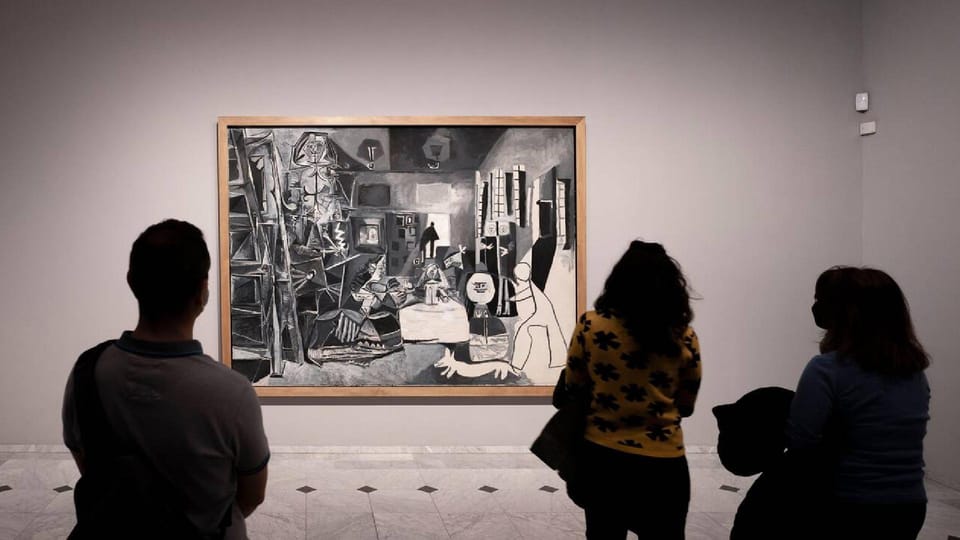
Your visit starts with young Picasso’s paintings, sketches, and drawings—works that show how his approach and methods were changing. This “start at the beginning” format is one of the most valuable parts of the visit because it helps you understand the famous Picasso you’ve heard about isn’t one overnight genius moment.
Instead, you see the creative process as a series of experiments. When you move through early works, you’re basically training your eye to notice change:
- How Picasso builds images differently
- How his line work and composition choices evolve
- How the museum’s early section sets you up for later big shifts
One practical tip: spend a bit longer in the early section than you think you need. If you rush, you’ll miss the connections the rest of the museum is trying to show you. If you pace it, the Blue Period and beyond will feel less random.
You can also read our reviews of more walking tours in Barcelona






Blue Period: The Sad Beauty of Poverty, Hurt, and Isolation
Next comes the Blue Period galleries, described as sad beauty shaped by themes of being poor, hurt, and alone. This is where Picasso’s emotional tone becomes loud even if you don’t know the formal art history details.
What you’re looking for here is pattern and mood:
- The overall color feeling in the room
- How the subjects and poses communicate isolation or hardship
- How the artwork feels quieter or heavier than what came before
I like this section because it gives Picasso a very human emotional language. The Blue Period can feel like a “pause” in your walk through the museum. It slows your brain down enough to notice how color and subject matter work together.
If you’re short on time, don’t skip too much in this area. Even a quick scan still helps you register what changes in the next section.
Rose Period and the Circus Influence: Love, Happiness, and Harlequins
After the Blue Period, the Rose Period shifts the emotional palette. The museum frames this gallery as brighter, with themes of love and happiness. You’ll also see how circus artists and harlequins shaped this phase.
This is often the moment visitors say the museum became more fun. The earlier tone was heavy, and now the art changes its emotional speed.
What to notice during Rose Period:
- How the mood lifts compared to the Blue Period
- The role of performers like harlequins and circus figures
- Any shift in how figures relate to each other and to the viewer
Even if you’re not chasing storylines, you’ll probably feel the change in your own body as you stand in the room. That contrast is the point of seeing the periods in order.
Cubism: Breaking Shapes and Seeing From Multiple Angles
Then you get to the Cubism exhibition, described as Picasso’s revolutionary take on art. This is where the museum becomes very visual and very logical at the same time.
You’ll likely spot:
- Geometric shapes
- Broken-up forms
- Different points of view happening within one artwork
Cubism can look confusing if you expect a traditional perspective. But in a museum setting like this, it’s easier to appreciate what Picasso is doing: he’s rearranging how you understand reality. Instead of a single viewpoint, you get layers of angles.
My advice: don’t try to “solve” each artwork like a puzzle. Instead, look for the rules Picasso is following—how forms are fractured, how lines connect, and how the image still holds together even when it’s not realistic in the usual way.
If you’re an art fan, this section is often the payoff. If you’re new to modern art, it’s still a fair place to start feeling comfortable, because the rules are visible.
Sculptures, Ceramics, and Picasso’s Workshop: He Was a Maker, Not Just a Painter
One of the best ways to understand Picasso is to remember he wasn’t limited to one medium. The tour’s museum route includes sculptures and ceramics, plus the workshop area.
In the sculptures and ceramics portion, focus on the shift from flat art to 3D ideas. You’re described a creative use of materials—different textures, forms that take up space, and the sense that the art is built, not just painted.
Then you reach Picasso’s workshop, which offers a glimpse into the studio and creative space where his well-known works came from. Even without a lecture, this area helps you connect the dots between sketching ideas, transforming them, and producing finished works.
I like this part because it reminds you Picasso’s genius wasn’t only in style. It was in process:
- trying ideas
- revising
- using materials in ways that support his vision
If you’re the type who likes to understand how artists actually work, don’t rush the workshop. Give yourself enough time to look around and imagine the workflow.
Museum Shop Stop: Gifts That Feel Related to the Art
Before you exit, there’s time at the museum shop for unique Picasso-themed gifts. This is the kind of souvenir area that can be either a trap or a fun finale.
Here it works best if you treat it like a match to what you saw inside. If you liked the Blue Period mood, you might gravitate toward products that reference that era’s visual tone. If Cubism grabbed you, look for pieces that mirror geometric or fragmented styles.
Even if you don’t buy anything, browsing can help you remember which section clicked for you. It’s also useful if you need a quick gift that’s not a random tourist mug.
Who This Tour Fits Best (and Who Might Feel Unsatisfied)
This experience fits best if you want:
- A structured route through key Picasso periods
- Self-paced museum time once inside
- A short outside orientation to reduce confusion
It’s ideal for art lovers who like to read visual cues and then spend time exploring at their own speed. The small group size (up to 8) also helps you avoid the chaos of large tours.
It’s not ideal for you if you:
- Want a full guide inside the museum explaining every room in detail
- Need mobility-friendly access, since the experience is marked not suitable for wheelchair users or people with mobility impairments
- Have limited patience for “time-boxed” museum visits and want hours and hours
One more real-world consideration: some bookings have had problems due to circumstances like closures or receiving only tickets when expecting guidance. That doesn’t mean the tour is bad, but it’s a reminder to sanity-check the museum’s current open status for your date and make sure you select the option that matches what you want.
Price and Value: Is $37 a Good Deal for What You Get?
For $37, you’re buying museum entry plus a line-skip approach, and potentially an outside guide briefing. The self-guided structure keeps the cost lower than a full inside guided tour.
The value is strongest if:
- You hate wasting time waiting for tickets
- You’d rather explore independently than sit through constant commentary
- You want a clear Picasso “path” through major periods, not an endless free-for-all
The value is weaker if:
- You booked specifically for inside guidance and expect your guide to stay with you in the galleries
- You’re the type who needs a lot of verbal explanation to connect with modern art
- You arrive wanting a deep, multi-hour dive rather than a compact 90-minute museum window
My take: it’s a solid value if you treat it as an efficient museum introduction with just enough framing to make your visit click.
Should You Book This Picasso Walking Tour?
Book it if you want an organized, time-friendly way to see Picasso’s main turning points—especially Blue Period, Rose Period, and Cubism—with minimal waiting. The mix of a short orientation outside and then self-paced galleries inside is a smart format for people who like control over their pace.
Skip it or rethink your expectations if you want a full guided museum narration, or if mobility is an issue for you. Also be cautious about relying on the guided option as a substitute for your own exploration time—your guide ends the experience portion right after tickets are issued.
If you’re planning your day around Picasso, wear comfortable shoes, keep your bag small, and consider an audio guide if you want extra artwork-level context. With those in place, this becomes a very practical way to connect Picasso’s changing style to what you’re seeing in front of you.
FAQ
Where do I meet for the Picasso tour?
Meet at the Picasso Museum in Barcelona.
How long is the experience?
It runs for about 2 hours total.
Does the guide take you inside the museum?
If you select the guided option, the outside guide helps until you get your tickets, then you explore the museum galleries on your own.
What’s included in the price?
Entry tickets are included, and an outside guide is included if you choose the guided option.
What languages are available?
The live guide is available in English and Spanish.
Is the museum visit accessible for wheelchair users?
No. This experience is not suitable for people with mobility impairments or wheelchair users.