REVIEW · CORDOBA
Cordoba Walking Tour with Arabian Baths Experience
Book on Viator →Operated by Viajes Boreal S.A · Bookable on Viator
Cordoba is a layered, story-first city. This walking tour strings together the Alcázar, the Judería, and the Mezquita Cathedral so the architecture makes sense, not just looks pretty. You’ll also have an optional upgrade to the Baños Árabes de Cordoba, where you can slow down after all the sightseeing.
I really like the way this tour teaches you to read the landmarks. The guide’s explanations are built around what you see at each stop, from the Moorish-built palace details at the Alcázar to the Mezquita’s cathedral conversion story. I also like that the tour runs in English with a small group cap of 20, which helps when crowds swell around the Mezquita.
One thing to consider: the pace and time balance can depend on the day’s logistics. In a few cases, the group can grow at the Mezquita, and some people felt the earlier portion moved too slowly or that waiting cut into the best part.
In This Review
- Key highlights worth knowing
- Entering Cordoba’s Mezquita Cathedral: why your guide’s story counts
- Meeting at Alcázar de los Reyes Cristianos: Roman + Moorish in one palace
- The Judería walk: Seneca, Averroes, Maimonides, and a living street maze
- Mezquita Cathedral entry: what you’ll learn as you follow the guide
- El Zoco market and summer flamenco timing
- Upgrade to Baños Árabes de Cordoba: up to 2.5 hours of thermal calm
- Pace, group size, and common snags you should plan around
- Price and value at $54.31: what you’re really paying for
- Should you book this Cordoba tour with or without the baths?
- FAQ
- FAQ
- Is the tour offered in English?
- Where does the tour start and end?
- How long is the experience?
- What’s included in the price?
- What are Baños Árabes de Cordoba like, and how long can I stay?
- Do I get transport to Baños Árabes de Cordoba?
- Are there any limits for children in the baths?
- What’s the cancellation policy?
Key highlights worth knowing
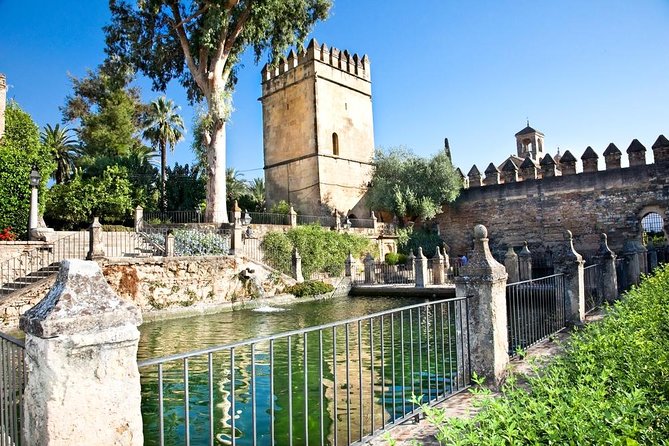
- Alcázar de los Reyes Cristianos sets the tone with Roman mosaics, a 3rd-century marble sarcophagus, and Arabian baths tucked inside the palace complex.
- Judería stops connect big names to real streets with monuments for Seneca, Averroes, and Maimonides, plus a synagogue visit.
- Mezquita explanations matter because you’ll learn what changed when it became a cathedral in the 13th century, and why later styles mix in.
- Smaller group size helps at the start (max 20), and some days use radio-style audio so you don’t miss the guide.
- Summer perk: El Zoco flamenco may appear when the market is active.
- Baños Árabes is a true reset: up to 2.5 hours at the baths with mint tea and quiet thermal areas.
Entering Cordoba’s Mezquita Cathedral: why your guide’s story counts
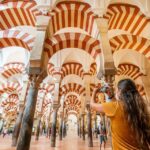
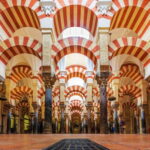
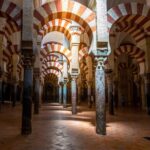
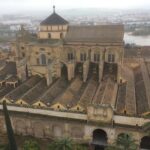
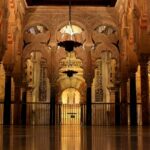
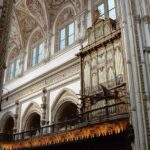
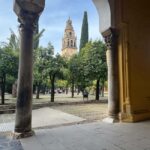
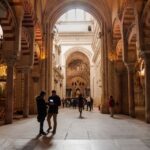
The Mezquita is the reason most people come to Cordoba. It’s the cathedral-mosque built from Moorish design principles, and it still hits you even if you’ve seen photos. But it hits even more when you understand the basic timeline the guide points out.
You’ll hear about the building’s origin dating back to around 600 AD, and the later shift after Christian conquest. The big turning point is the 13th-century conversion into a cathedral, followed by modifications centuries later that blend Gothic, Baroque, and Renaissance elements into the same structure. That mix is the point: you’re looking at multiple eras layered in one sacred space.
This is also where practical details show up. The group can be larger than the normal cap once you reach the Mezquita area, so a headset or radio-like audio system becomes important for catching the guide without constantly craning your neck. In short: if you want to understand what you’re seeing, the guided portion here is worth your time.
You can also read our reviews of more walking tours in Cordoba
Meeting at Alcázar de los Reyes Cristianos: Roman + Moorish in one palace
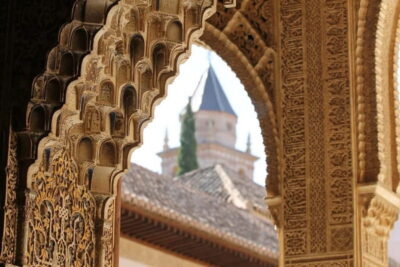
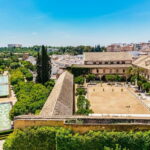
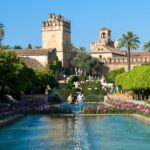
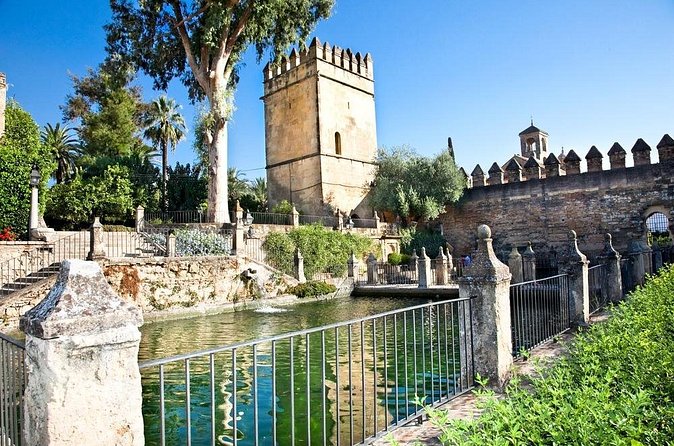
The tour starts at the Alcázar de los Reyes Cristianos, also called the Palace of the Christian Kings. The name can feel confusing at first, because the palace complex is tied to Christian rule while still showing strong Arabian design elements. That contrast is exactly what makes the site so useful as a starting point.
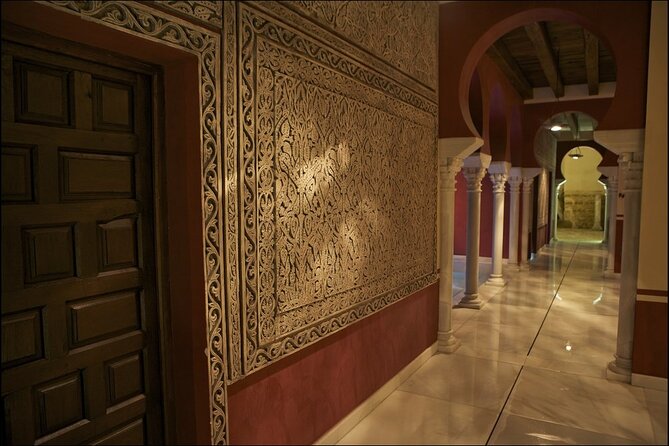
Inside, you’ll see Arabian baths within the palace grounds, Roman mosaics, and a 3rd-century marble sarcophagus. Those aren’t random museum objects. They’re clues. They show how Cordoba’s power changed hands while the city’s skilled artisans kept working with older techniques and newer tastes.
One note for your expectations: the Alcázar is impressive, but it can also be where time management swings. Some days include waiting or longer pauses early on, which can make you feel like the best section gets rushed later. I’d still count the Alcázar as a high-value stop, just be mentally ready for a slightly bumpy rhythm depending on the group.
The Judería walk: Seneca, Averroes, Maimonides, and a living street maze
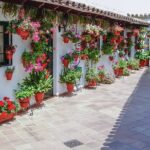
After the palace, you move into the Judería, Cordoba’s Jewish Quarter. Even without any signage, the streets help you understand how historic neighborhoods feel when buildings stack up over centuries. The tour’s goal isn’t just to point at corners. It’s to connect the names to places.
You’ll look out for monuments to Seneca (Roman philosopher), Averroes (Arabian philosopher), and Maimonides (Jewish philosopher). That trio matters because it turns the quarter into a map of ideas, not just a pretty walk. You’ll also see a synagogue, one of the remaining examples in Spain, which gives real weight to the area’s story.
Along the way, you’ll also pass the Cordoba Bullfighting Museum. It’s an odd stop on paper, but it’s part of understanding Spain’s cultural contradictions: historic pride, modern controversy, and tradition all coexisting in the same city blocks.
If you like walking tours that explain how different cultures overlapped, you’ll probably enjoy this part most. If you prefer a lighter, faster sightseeing style, focus on the key visual moments and don’t get lost in the side stories if you’re tired.
Mezquita Cathedral entry: what you’ll learn as you follow the guide
The tour’s Mezquita portion is built around the building’s transformation. You’ll hear how the mosque structure became a cathedral after the 13th-century conquest. Then you’ll understand how changes continued for more than two centuries, which is why the building doesn’t look like a single straight style.
Here’s what I think makes the guided approach valuable: the guide gives you a way to spot meaning. For example, the structure can look like design perfection at first glance. With context, it becomes design with a purpose, and you start seeing where power shifted and where artistic styles changed direction.
Some guides were specifically praised for making the place feel alive, including Angel, Christina, Paqui, Raphael, and Rafa in different groups. People also noted humor in the storytelling, which helps because the Mezquita can feel overwhelming if you’re just absorbing it silently.
Also: crowds happen. A few accounts mention packed conditions or people adding to the group near the end. That can lead to feeling rushed in the cathedral section if buses are waiting outside. If you’re visiting during a busy week like Holy Week, build in extra patience and don’t assume you’ll control the timeline.
El Zoco market and summer flamenco timing
Cordoba has nightlife energy even in the daytime, and the tour may end near El Zoco market. El Zoco is known for market stalls and local crafts, and in summer you might catch flamenco performances. That season detail is key, because outside summer you may just get the market vibe, not the dancing.
This is a nice way to end if you want a sensory “switch” after big monuments. The Mezquita and the Judería are heavy on architecture and story. El Zoco adds sound, color, and the feeling of daily life in Cordoba.
If you’re visiting in cooler months and you’re planning the day tightly, treat the flamenco as a potential extra rather than a guarantee.

Upgrade to Baños Árabes de Cordoba: up to 2.5 hours of thermal calm
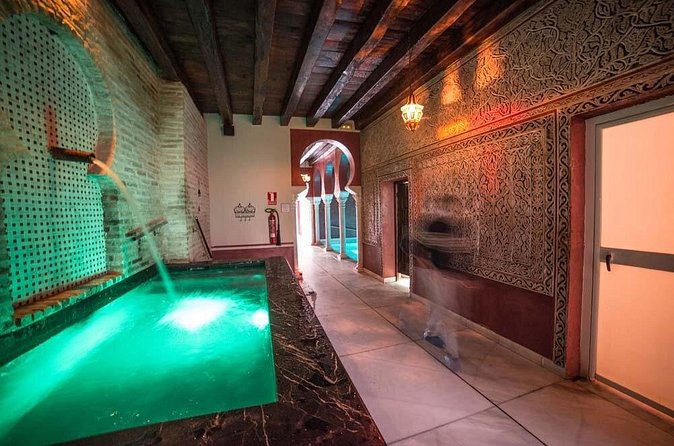
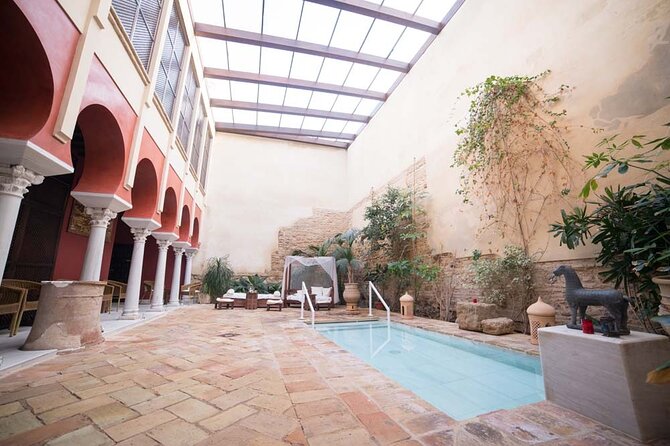
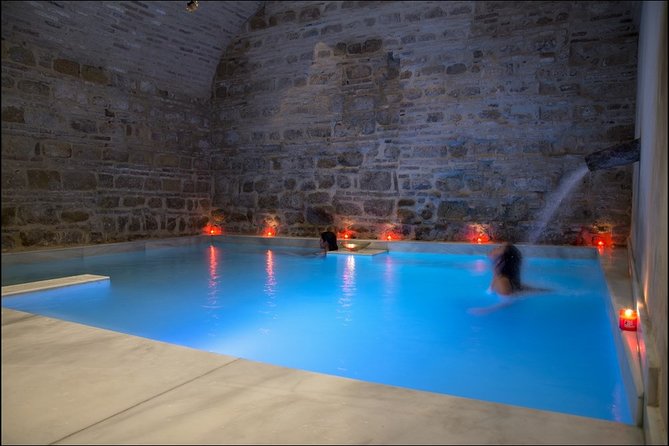
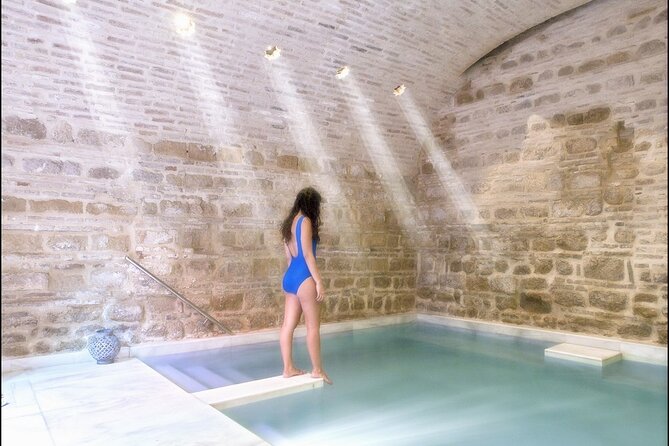
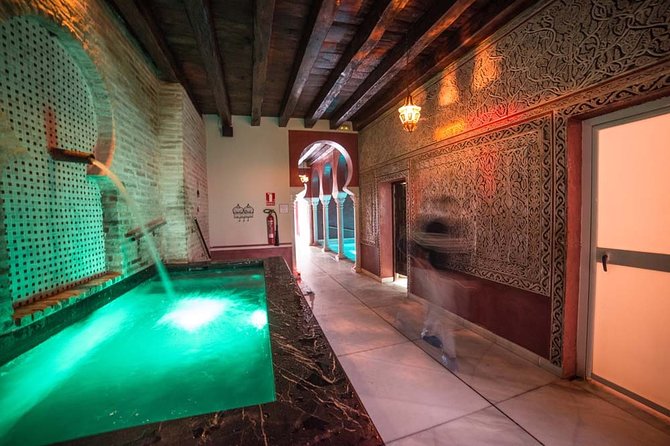
The Arabian baths upgrade is the tour’s off-ramp. Instead of another packed city stop, you get a slow, quiet reset. The baths include thermal plunge pools, aromatic steam rooms, and opulent chambers. You’ll also get complimentary mint tea, which is a small detail that makes a big difference after walking in sun and stone.
The upgrade is designed as leisure time. After you make your own way to Baños Árabes de Cordoba, you spend up to 2.5 hours inside at your own pace. No transport is included, so factor in time to navigate there.
A practical caution: on some occasions, children under 12 may not be allowed inside the baths. If you’re traveling with kids, check directly with the provider ahead of time.
One more expectation-setting point from real experience: if you’ve done other hammam-style baths before, you might find the vibe different. Still, for most people the value is in the relaxation, the tea, and the chance to cool off mentally and physically.
Pace, group size, and common snags you should plan around
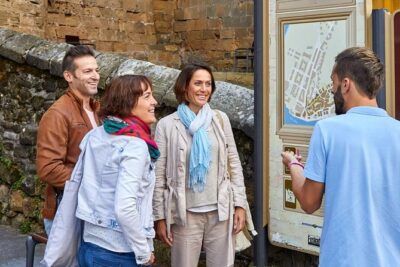
This tour can feel fast even when it’s well organized. The main reason is that Cordoba’s top sights are popular, and the Mezquita area can get crowded quickly. The maximum group size is 20, and some days include audio devices to help you hear the guide. But at certain points, numbers can swell, and that changes the feel.
Here are the patterns to watch for:
- Waiting early on at the Alcázar can eat into the time you want for the Mezquita.
- Big crowds at the Mezquita can make the last part feel rushed.
- The pace can feel high-intensity, especially if you don’t like long explanations while walking.
Heat matters too. Cordoba in summer can be intense, and El Zoco flamenco happens then—so plan your energy. Wear shoes you can stand in for a while, and carry water if you know you’ll get warm.
If you’re a history nerd, this tour usually sings. If you’re more into wandering and less into guided storytelling, you might want to treat the key stops as anchor points and accept that some sections are more talk than walk.
Price and value at $54.31: what you’re really paying for
At $54.31 per person, the value comes from the combination: guided routing plus entry where it counts. The tour includes a professional guide, and the Mezquita Cathedral admission is included in the described itinerary segment.
That matters because the Mezquita isn’t a quick photo stop. It’s a slow place even when you don’t have a guide. The entry ticket plus interpretation saves you time and helps you avoid wandering without context.
Where value can shift is the optional baths upgrade. The baths add meaningful leisure time—up to 2.5 hours—and include mint tea. But since the transport isn’t included, you’re responsible for getting there and timing the rest of your day. If you’d rather spend that time exploring on your own or eating locally, the base tour might already be the smart call.
Should you book this Cordoba tour with or without the baths?
Book it if you want a structured way to understand Cordoba. The Alcázar sets up the story with Roman mosaics and Arabian baths, the Judería gives you culture through real names and a synagogue visit, and the Mezquita is where the explanation pays off.
Choose the baths upgrade if you’ll enjoy a calmer, slower finale. It’s a great way to balance big monuments with actual downtime, and the tea and thermal areas make it feel like more than a quick add-on.
Skip the upgrade (or keep expectations modest) if you’re chasing a very specific hammam style you’ve experienced elsewhere. In that case, focus on the walking portion and plan your own relaxation after.
If you’re sensitive to crowd pressure, keep a flexible attitude. The tour can run smoothly, but peak days can make the Mezquita portion feel compressed.
FAQ
FAQ
Is the tour offered in English?
Yes. The experience is offered in English.
Where does the tour start and end?
It starts at Alcázar de los Reyes Cristianos (C. Caballerizas Reales, s/n, Centro, 14004 Córdoba) and ends at the Mosque-Cathedral Monumental Site (C. Cardenal Herrero, º 1, Centro, 14003 Córdoba).
How long is the experience?
The listed duration is about 2 hours, and the itinerary also describes a longer walking tour portion plus additional time if you upgrade for the baths. Plan for extra time if you add Baños Árabes.
What’s included in the price?
A professional guide is included. The itinerary also notes an admission ticket included for the Mezquita Cathedral entry.
What are Baños Árabes de Cordoba like, and how long can I stay?
The baths include thermal plunge pools, aromatic steam rooms, and opulent chambers. With the upgrade, you can spend up to 2.5 hours inside at leisure.
Do I get transport to Baños Árabes de Cordoba?
No. The upgrade information states you make your own way to the baths, and transport isn’t included.
Are there any limits for children in the baths?
On some occasions, children under 12 may not be allowed inside the baths. Check with the local provider if you’re traveling with children.
What’s the cancellation policy?
Free cancellation is available up to 24 hours in advance for a full refund.