REVIEW · MADRID
Madrid: Tour of the Historic City Center
Book on GetYourGuide →Operated by Madrid auf Deutsch · Bookable on GetYourGuide
Puerta del Sol is where Madrid starts talking. This 3.5-hour historic-center walk ties together architecture, street-level stories, and food culture, so the city makes sense fast. I like that the route is built around the old center and the Habsburg-era layout, not just random photo stops.
Two things I really like: you get great sight coverage (Plaza Mayor, Royal Palace, Almudena Cathedral, and more), and you’re also coached on where to eat and what to avoid thanks to restaurant suggestions and a built-in warning about tourist traps. The pacing also feels manageable, with a guide who can explain history without turning it into a lecture.
One possible drawback: entrance fees are not included, so if you want to go inside major sites, you’ll need a bit of extra time (and a separate plan) beyond the tour’s 211 minutes. Also, this is a rain-or-shine walking tour, so comfortable shoes matter.
In This Review
- Key highlights you’ll feel from the first block
- Starting in Puerta del Sol, with Madrid’s “center of gravity”
- San Ginés and Las Descalzas Reales: how side streets explain the city
- Royal Palace + Almudena Cathedral: the power-and-faith contrast
- Palace of Councils, Plaza de la Villa, and Torre de los Lujanes
- Corpus Christi las Carboneras and Plaza de la Paja: the calm pause
- Cava Baja: when the tour turns food-smart
- Mercado de San Miguel: covered, convenient, and still characterful
- Plaza Mayor and the Literary Quarter: Golden Age stories with street-level reality
- The guide effect: why this tour feels worth it
- Price and value: what $47 buys you in 211 minutes
- Logistics that actually matter: walking time, rain, and the end options
- Who should book this tour, and who might skip it
- Should you book the Madrid Historic City Center tour?
- FAQ
- Where does the tour start?
- How long is the tour?
- What language is the guide?
- Are entrance fees included?
- Does the tour run in bad weather?
- Is the tour wheelchair accessible?
Key highlights you’ll feel from the first block
- Bear statue at Puerta del Sol sets you on the classic Madrid starting point right away
- Habsburg Dynasty old-center route gives the streets a clear historical logic
- Royal Palace + Almudena Cathedral show Madrid’s mix of power and faith in one sweep
- Cava Baja and San Miguel Market connect sightseeing with real local food culture
- Plaza Mayor + Literary Quarter layer Golden Age stories onto the architecture
- Optional viewing terrace can add a top-off view at the end
Starting in Puerta del Sol, with Madrid’s “center of gravity”
Most city walks start with a landmark. This one starts with Puerta del Sol and the bear statue, which is the kind of meeting point that helps you orient instantly. You’re not just arriving somewhere—you’re entering the part of Madrid that locals treat like a reference point.
From there, the walking rhythm matters. The route is designed to keep you moving through small streets off the main roads, so you can actually feel how the historic center works. If you’re the type who likes to understand a city’s layout, you’ll appreciate the structure.
And because it runs rain or shine, you’re not gambling on weather ruining your day. Bring a light rain layer and you’ll be fine.
You can also read our reviews of more city tours in Madrid


San Ginés and Las Descalzas Reales: how side streets explain the city
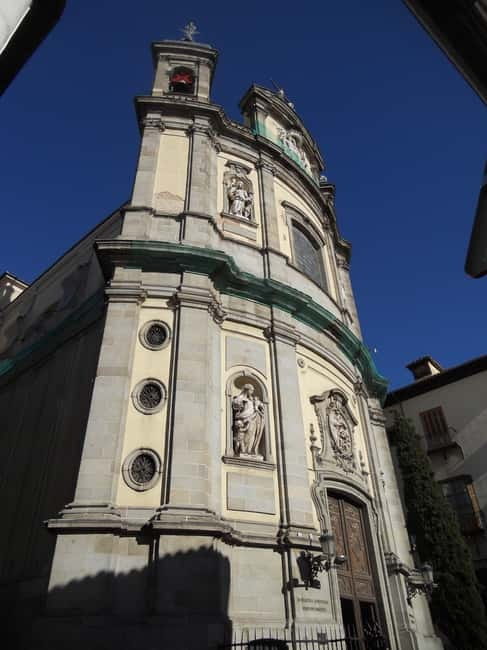
After Puerta del Sol, the tour heads past the Church of San Ginés. This is one of those stops where architecture does more than look pretty—it hints at Madrid’s religious and social patterns, then leads you onward without getting stuck in one spot too long.
Next comes the Convent of Las Descalzas Reales. You’ll get context for what you’re seeing and why it matters in Madrid’s long timeline, not just the surface facts. The value here is interpretation: you learn to read buildings like clues.
What’s especially useful is how the guide ties these stops to the larger story of Madrid’s formation. It’s the difference between “I saw a church” and “I understand why this kind of place sat here.”
The tradeoff: since this is a walking route through active streets, expect some curb turns, narrow sidewalks, and crowds around major landmarks. If you’re sensitive to congestion, plan for a little patience.
Royal Palace + Almudena Cathedral: the power-and-faith contrast
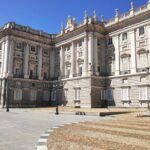
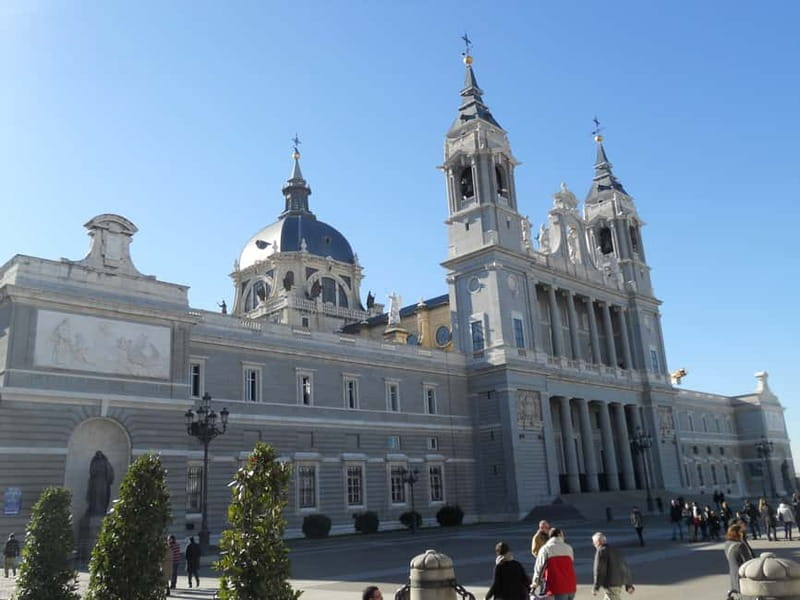
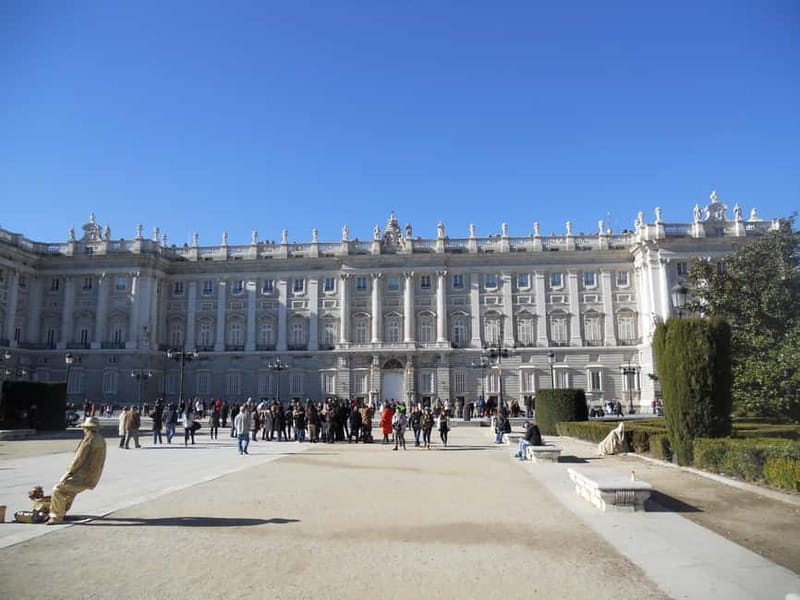
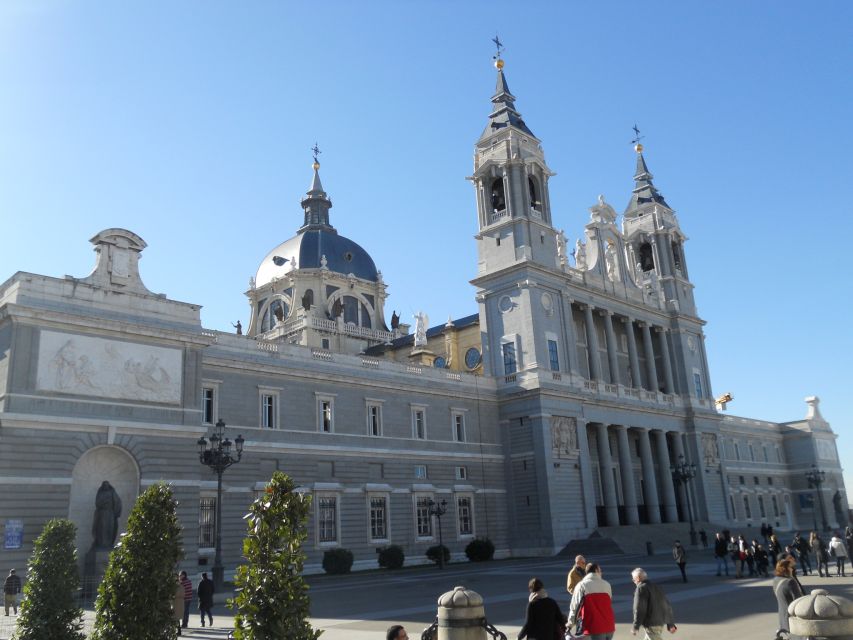
Then you hit the big hitters: the Royal Palace of Madrid and Almudena Cathedral. These are visual anchors, but the real payoff is learning how they fit into the city’s identity. Madrid doesn’t just have monuments—it has relationships between them.
The Royal Palace area helps you see the city’s scale. It’s the kind of moment where your camera takes over, but the explanation keeps you grounded in what the building represented and how it shaped the surrounding streets.
A short step away, Almudena Cathedral brings a different mood. The guide’s stories help you understand why these two sights feel like they belong together—even if they look like they’re from different eras. If you enjoy architecture and symbolism, this pairing is a strong reason to choose the tour.
Palace of Councils, Plaza de la Villa, and Torre de los Lujanes
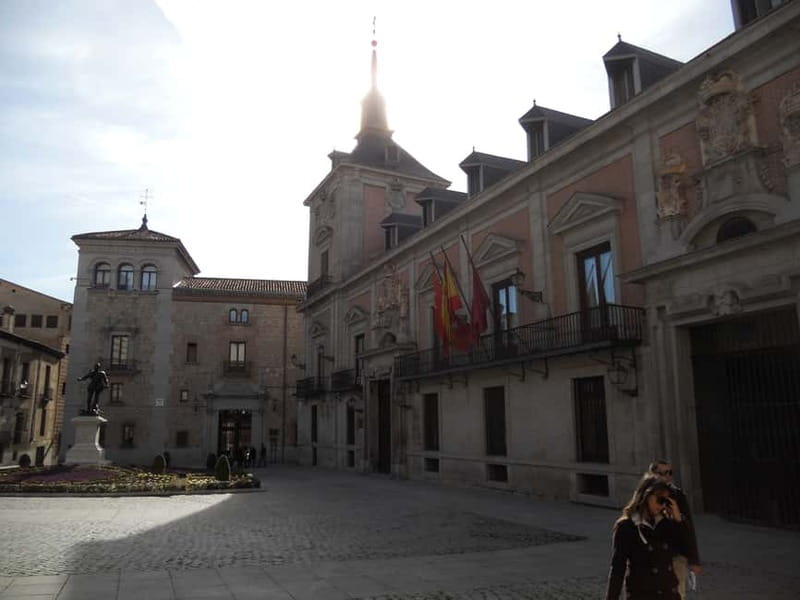
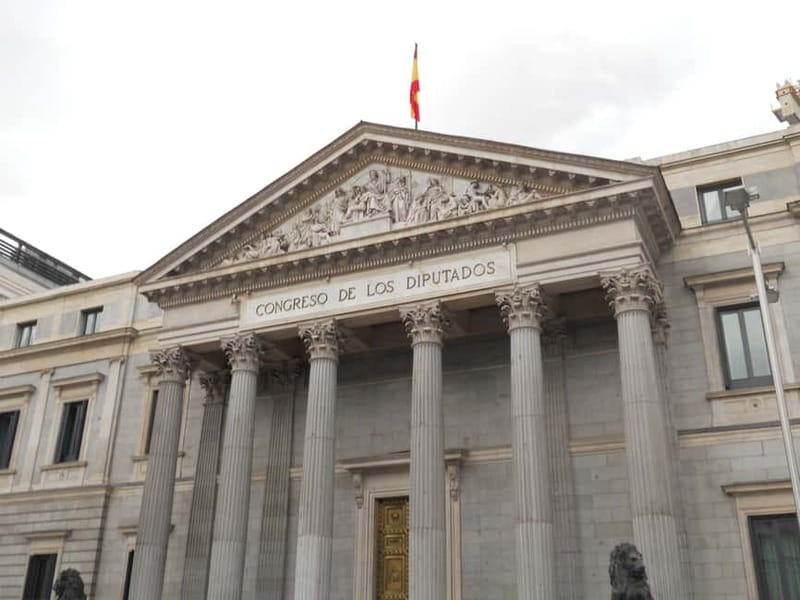
Between the palace and the next clusters of squares, you’ll pass the Palace of the Councils and the Plaza de la Villa. These stops are ideal if you like history that’s close to everyday life, because they connect Madrid’s governance and community spaces.
Then comes Torre de los Lujanes. Even if you only catch it briefly from the street, the explanation helps you notice it as more than a pretty tower. You start seeing Madrid’s vertical accents as part of its urban personality.
This is one of the tour’s quiet strengths: it doesn’t only chase the most famous monuments. It also points out smaller “readable” architecture that explains how the city grew and changed.
Corpus Christi las Carboneras and Plaza de la Paja: the calm pause
Next on the route are the Monastery of Corpus Christi las Carboneras and Plaza de la Paja. These are excellent for a breather. Major squares can feel like a stage; smaller historic stops often feel like the city giving you a moment to listen.
The monastery stop adds depth to the story. It’s a reminder that Madrid’s historic center isn’t just about royals and rulers—it’s also about religious life and long-term social structures.
Then Plaza de la Paja gives you space to look around and take photos without feeling like you’re blocking the main flow. This part also helps you understand how squares in Madrid function like little “rooms” within the bigger city.
You can also read our reviews of more historical tours in Madrid


Cava Baja: when the tour turns food-smart
One of the most practical parts of the route is Cava Baja, known for taverns and tapas bars. The tour doesn’t just mention food—it frames the street as part of Madrid’s everyday culture, which makes your future choices easier.
If you’re the kind of person who freezes when you see a menu full of unknowns, this segment is for you. The guide’s restaurant suggestions and the warning about tourist traps are especially useful here, because the area around famous food streets can be a mix of local favorites and obvious “tourist pricing.”
This is where the tour becomes more than sightseeing. You start thinking: where would I actually come back for a proper meal?
Mercado de San Miguel: covered, convenient, and still characterful
After Cava Baja, you’ll reach the covered Market of San Miguel. A covered market is a simple advantage in Madrid: it keeps your experience comfortable while still letting you see the street-level energy of food culture.
What you’ll gain here is variety and context. You can use the market as a reset point—something to look at while you refocus after walking. It’s also a great stop if you’re curious about what “typical” looks like, because the market layout makes comparison easy.
Just remember the tour includes stops and info, not entrance fees. If you want to buy food, you’ll be doing it on your own schedule and budget.
Plaza Mayor and the Literary Quarter: Golden Age stories with street-level reality
Then the tour lands at Plaza Mayor—one of Madrid’s most recognized public squares. This place is all scale and geometry, and the guide adds the kind of historical framing that makes you see it as a stage for daily life, not just a postcard.
From there, the route continues into the Literary Quarter, where the stories shift toward Madrid’s Golden Age. This is where history becomes human. You learn how the city’s intellectual and cultural life shaped the streets you’re walking on.
If you enjoy reading the city through culture—writers, ideas, social worlds—this ending stretch is a good match. It also works well if you’d like a theme to remember beyond “I walked a lot.”
The guide effect: why this tour feels worth it
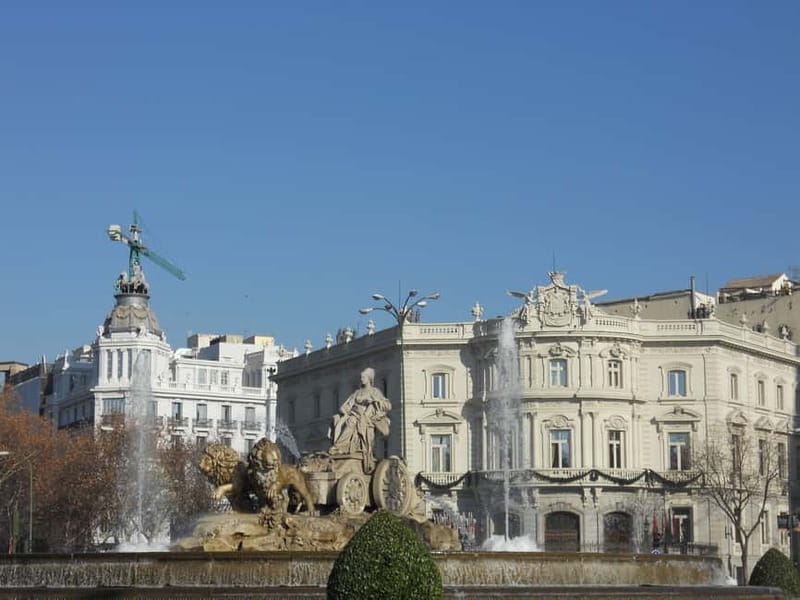
The heart of this experience is the live German guide and the way they connect architecture to real meaning. One highlight from the guide material: the guide Anne is described as having deep historical knowledge and also sharing insider recommendations tailored to different interests in the group.
Even better, Anne is noted as an author of a Madrid guide called Glücksorte in Madrid. That kind of background usually translates into two things you can feel on a walking tour: practical suggestions that go beyond the obvious, and a narrative style that helps you remember what you saw.
And yes, there’s also guidance on where not to waste money and time. The included warning about tourist traps is the kind of “small” add-on that can save you a lot later—especially when you’re hungry and tempted to choose the most convenient option.
Price and value: what $47 buys you in 211 minutes
At $47 per person for 211 minutes, the value depends on what you’d otherwise do. If you’re the kind of traveler who would spend hours mapping sights on your own, paying for an organized route is a shortcut to clarity.
Here’s what you’re getting for that cost: a guided walk, stops at major historic landmarks, additional tourist information, restaurant suggestions, and help with avoiding tourist traps. You’re also getting a route shaped around architectural value designed by Spanish architects, which means the tour is meant to teach you how to look—not just where to stand.
Entrance fees are not included, so think of the tour as your orientation and context engine. If you plan to do interior visits afterward (which you might), you’ll still benefit because you’ll know what matters most and why.
If you like a relaxed pace—no rush, no info overload—this tour style also tends to feel efficient. The structure gives you momentum without turning the walk into a sprint.
Logistics that actually matter: walking time, rain, and the end options
This tour is 211 minutes, so it’s long enough to feel substantial but short enough to keep your evening free. You’ll cover multiple major stops, so plan to treat the day as a walking day rather than a museum-and-cafe day.
It runs rain or shine, which is a big deal in Madrid’s shoulder seasons. If it’s raining, your best friend is layered clothing. If it’s sunny, bring water and a hat—Madrid sun can be serious even when the air feels pleasant.
At the end, there’s an option to enjoy a view from a viewing terrace upon request. That’s a nice bonus if you want a final “reset” moment and a sense of where everything sits in relation to each other.
Who should book this tour, and who might skip it
This tour fits best if you want a clear route through Madrid’s core and you like learning through walking. It’s also a strong option if you’re traveling in German and want an expert guide to connect the dots between monuments and the city’s storyline.
You might skip it if your main goal is interior sightseeing and you’re set on paying for multiple entrances. Since entrance fees are not included, a more museum-heavy day could be a better match—unless you treat the tour as your roadmap and then choose what to enter afterward.
Should you book the Madrid Historic City Center tour?
If you want a smart, scenic walk that helps you understand Madrid instead of just ticking boxes, this is an easy yes. The combination of historic-center orientation, major landmarks like Plaza Mayor and Royal Palace, and the practical food guidance for Cava Baja and San Miguel Market makes it feel like good value.
I’d especially book it if you enjoy architecture and you like guides who can offer real-life recommendations. The included advice on tourist traps and restaurant choices can pay off quickly when you’re deciding where to eat.
If you’re short on time in Madrid, this tour is a strong first-day move. It helps you get your bearings fast and leaves you with a mental map for the rest of your trip.
FAQ
Where does the tour start?
The tour starts at the bear statue in Puerta del Sol, Madrid.
How long is the tour?
The duration is 211 minutes (about 3.5 hours).
What language is the guide?
The live guide language is German.
Are entrance fees included?
No. Entrance fees are not included.
Does the tour run in bad weather?
Yes. This tour takes place rain or shine.
Is the tour wheelchair accessible?
Yes. The tour is wheelchair accessible.
If you tell me your travel dates and whether you plan to enter any major sights, I can help you shape the rest of your day around the walking time.