REVIEW · SANTIAGO DE COMPOSTELA
Santiago de Compostela: Massage Treatment
Book on GetYourGuide →Operated by SPAZIO WELLNESS · Bookable on GetYourGuide
Your sore legs deserve a reset. In Santiago de Compostela, this massage session starts right by the Plaza del Obradoiro and cathedral facade, making it an easy “reset button” after sightseeing. I like that you can tailor your session with options like chiromassage and reflexology, which is especially useful when you’ve spent days on your feet.
The main thing to plan for is location feel: the meeting point is at the cathedral steps, but you may be guided to a downstairs treatment area through a more low-key entrance. That’s not a dealbreaker, just give it a few extra minutes the first time.
In This Review
- Key Points You’ll Care About
- Where You Meet: Plaza del Obradoiro, Then Quiet Time
- Choose Your Massage Style: Stimulating vs Unloading vs Relaxing
- Private Massage Booth Comfort: Plush Setup and No Big Performance
- The Camino Recovery Angle: Sleep, Stress, and Sore Legs
- How Long to Book: 30 vs 60 vs 90 Minutes
- Price and Value: What Around $71 Buys You
- Logistics That Matter: Timing, Language, and Finding the Space
- Who This Fits Best in Your Santiago Plan
- Should You Book This Santiago de Compostela Massage Treatment?
- FAQ
- Where is the meeting point for the massage?
- How long is the massage session?
- What massage types can I choose from?
- Is foot reflexology included, or is it an optional add-on?
- Is this a private experience?
- What languages are available during the session?
- What’s included with the massage?
- Is there free cancellation?
- Can I reserve now and pay later?
- What do people report about quality?
Key Points You’ll Care About
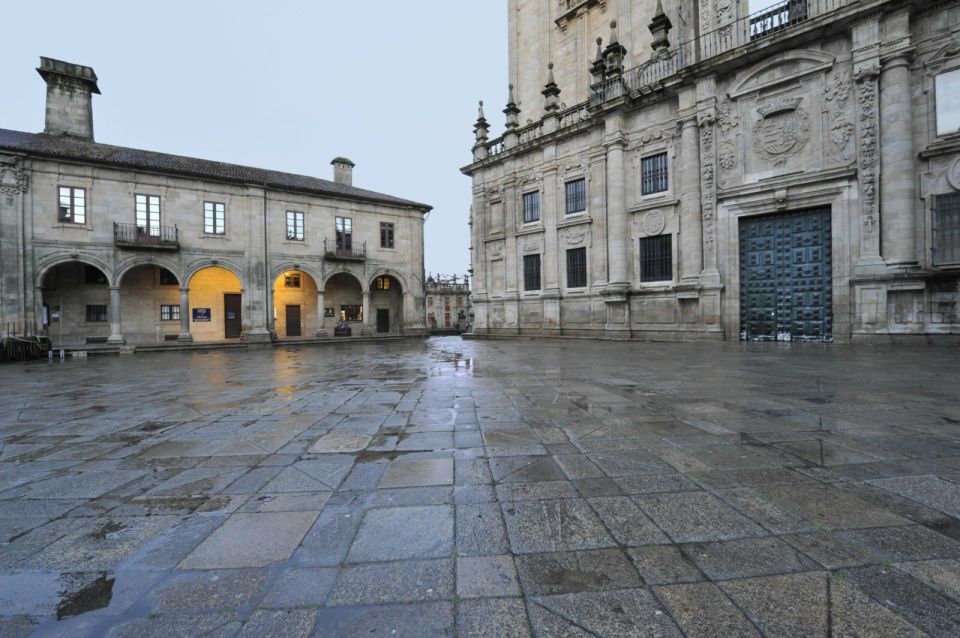
- Cathedral-steps convenience: meet at Plaza del Obradoiro, right in front of the main cathedral facade.
- Pick your purpose: stimulating, unloading (slow and deep), relaxing, or foot reflexology.
- Private setup: private group plus a private massage booth so you’re not sharing the experience.
- Camino-friendly recovery: especially handy for neck, shoulders, legs, and tired feet.
- Comfy, clean, and well set up: towels, oils and creams included, with water and Wi‑Fi on site.
Where You Meet: Plaza del Obradoiro, Then Quiet Time
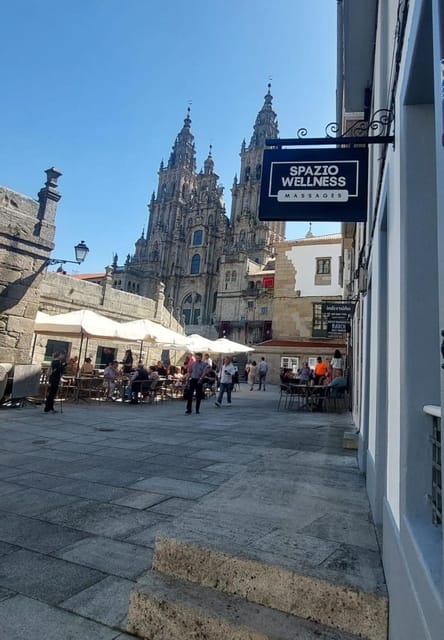
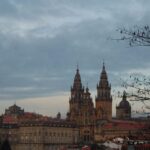
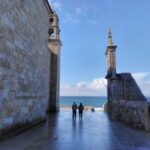
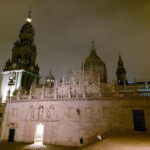
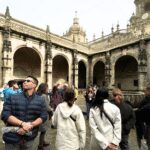
This is one of those rare “high impact for low effort” activities in Santiago de Compostela. You meet at the bottom of the stairs of the Plaza del Obradoiro, just in front of the cathedral’s main facade. It’s hard to get lost here, which matters when you’re trying to line up your recovery for the day after long walking.
Once you arrive, expect a short orientation, then a move to the treatment space. A few details from real-world experience point to one practical tip: the clinic entrance may not look obvious at first glance, and you might be walked to a lower-level door. Nothing scary, just don’t arrive at the last second.
The session language support is Spanish and English, so you should feel comfortable describing what hurts and what you want more or less of. In a private massage setting, that communication really pays off.
You can also read our reviews of more tours and experiences in Santiago De Compostela.
Choose Your Massage Style: Stimulating vs Unloading vs Relaxing
You get real choice here, not just a single “default massage.” The staff offers different approaches depending on what your body needs that day, which is a big deal after the Camino de Santiago or any intense travel.
Here’s how the options translate into “when to pick what”:
- Stimulating full-body massage: uses special oils and creams and is designed to work the whole body with a more active feel.
- Unloading massage: slow and deep exercises aimed at muscle recovery, which fits sore calves, tight hips, and heavy legs.
- Relaxing massage: focused on relieving tension and improving your mental state, good when your stress is showing up in your shoulders and neck.
- Foot reflexology: stimulation of specific points on the feet, a smart match for days of walking and aching arches.
If you’re unsure, think about your main complaint. If it’s tightness and recovery, go unloading. If you want your mind to finally unclench, pick relaxing. If your feet are the issue, reflexology is the most direct route.
Private Massage Booth Comfort: Plush Setup and No Big Performance
The experience is designed to feel private and calm from the start. It’s a private group setup with a private massage booth, and the essentials are included: towels, oils and creams, plus water. There’s also Wi‑Fi, which is handy if you want to plan the rest of your evening before you start.
Comfort details matter more than you’d think. One notable feature mentioned in feedback: the massage beds are described as plush, with a setup that doesn’t rely on a face cradle. That can be a relief if you dislike awkward positioning or you get claustrophobic in tight spa arrangements.
Lighting, temperature, and music get mentioned too, and those are the small things that make it easier to fully relax instead of staying braced. You’re not going to leave thinking about the logistics. You’ll leave thinking about how much lighter you feel.
Names pop up too in the quality discussion. Therapists such as Sandra and Daniel are specifically referenced, which is a good sign that the team is skilled and consistent enough that people remember them.
The Camino Recovery Angle: Sleep, Stress, and Sore Legs
This is especially well timed for people finishing the Camino de Santiago or doing a lot of on-foot exploring in Galicia. The benefits listed for this experience are practical: reduce stress and tension, improve quality of sleep, and help you feel more active and energetic afterward.
Here’s how that usually plays out in real life. After serious walking, your muscles tend to feel tight even when they’re not dramatically injured. A slow deep unloading approach targets that “sticky” tension in the system, while relaxing work helps calm the nervous system so you sleep more easily that night.
For foot weary days, reflexology can feel like a direct reset. It’s not just comfort. It’s a way to address the constant load your feet have carried for miles.
If you want to get the most out of it, bring up any sensitive spots or injuries before you start. In a good massage, the therapist adjusts pressure and focus based on your cues. Tell them what feels too intense and what feels neglected. That simple communication can turn a pleasant massage into an actually corrective one.
How Long to Book: 30 vs 60 vs 90 Minutes
Sessions come in 30, 60, or 90-minute options, and the overall duration you’ll see is listed as about 1 to 1.5 hours depending on what you choose. Longer usually means more time to work into deeper layers, but “longer” isn’t automatically “better” for everyone.
My practical rule of thumb:
- 30 minutes is best if you want a targeted fix, like neck-and-shoulder tension or a quick leg reset.
- 60 minutes is the sweet spot for balancing recovery and relaxation, especially if you’re stiff from a full day of walking.
- 90 minutes makes sense if you’re coming off a longer Camino stretch or you want full-body work plus extra attention to your worst areas.
If your body feels especially worn out, I’d lean toward 90 minutes. The extra time tends to make it easier for the therapist to blend techniques without rushing, which is often what you feel most afterward.
Price and Value: What Around $71 Buys You
At about $71 per person, this session sits in the “worth it” category for many travelers who are managing time and energy at the same time. The value isn’t just the massage itself. It’s the location, the private setup, and the fact that you can choose a style that matches your recovery needs.
You’re also getting the materials included (towels, oils, and creams), plus water and on-site Wi‑Fi. That reduces the hassle factor, which is real when you’re juggling a sightseeing schedule.
To judge value accurately, match your selection to your goal. If you just need a brief unwind after a light walking day, 30 minutes may feel like the right spend. If you want meaningful muscle recovery after heavy trekking, 60 or 90 minutes is usually the better use of your budget.
Bottom line: you’re not paying for a “one-size-fits-all” spa stop. You’re paying for targeted touch in a place you can reach easily and then use to recover properly.
Logistics That Matter: Timing, Language, and Finding the Space
Because you meet at a landmark location, planning is simpler than it is for many wellness appointments in older European neighborhoods. You’ll start in the open air at Plaza del Obradoiro, so you have a clear visual reference before you move inside.
The language options (Spanish and English) help a lot. You can describe where you feel pain or stiffness without playing charades. And because it’s a private massage booth, you’re not stuck with an awkward “group massage” schedule where your needs get lost.
One small practical note: reviews and feedback suggest the clinic may not appear like a big, obvious storefront at first. Sometimes that means you’ll feel a moment of uncertainty while you locate the lower-level door. If you’re the type who hates waiting, arrive early and take the stress out of it.
Who This Fits Best in Your Santiago Plan
This massage is a great match if you’re trying to balance two things: enjoying Santiago de Compostela and keeping your body functional for the rest of your trip. It’s also ideal if your sightseeing has shifted into “my body has opinions” mode.
Best fit:
- Camino finishers with sore feet, calves, hips, neck, or shoulders
- Travelers who want a relaxing reset after stress-filled days
- People who prefer privacy and clear communication (private group, private booth)
- Anyone who thinks reflexology could help when feet are the main problem
It’s less of a fit if you want an activity with lots of movement, because this is a seated/lying treatment experience. Also, if you dislike being asked about pressure preferences or sensitivities, it might feel like more interaction than you expected. In a good session, you’ll guide the work.
Should You Book This Santiago de Compostela Massage Treatment?
If you’re in Santiago de Compostela and your legs or shoulders feel like they’ve been carrying you too hard, I think this is an easy yes. The cathedral-steps meeting point is a big convenience win, and the ability to choose stimulating, unloading, relaxing, or foot reflexology makes it more useful than a generic massage.
Book it if you want a practical recovery tool that also helps you sleep better and feel less tense. If you’re coming off serious walking, consider 60 to 90 minutes for the best chance at real muscle recovery and a calmer night ahead.
If you hate last-minute decisions, choose based on your biggest pain:
- feet-heavy day = reflexology
- tight and sore muscles = unloading
- tense and stressed = relaxing
- you want an energizing feel = stimulating
FAQ
Where is the meeting point for the massage?
You meet at the bottom of the stairs of the Plaza del Obradoiro, just in front of the main facade of the cathedral.
How long is the massage session?
You can choose a 30, 60, or 90-minute treatment, depending on the option selected.
What massage types can I choose from?
You can choose a stimulating full-body massage, an unloading massage (slow and deep), a relaxing massage, or foot reflexology.
Is foot reflexology included, or is it an optional add-on?
Foot reflexology is available as one of the session options.
Is this a private experience?
Yes. It’s listed as a private group, and the massage booth is private.
What languages are available during the session?
The instructor/therapist offers Spanish and English.
What’s included with the massage?
Included items are towels, oils and creams, a private massage booth, Wi‑Fi, bicycle parking, and water.
Is there free cancellation?
Yes. Free cancellation is available up to 24 hours in advance for a full refund.
Can I reserve now and pay later?
Yes. The booking option includes reserve now & pay later, so you can book without paying today.
What do people report about quality?
The activity has a 4.8 rating with 170 reviews.