REVIEW · MADRID
Madrid: Reina Sofía Museum Guided Tour
Book on GetYourGuide →Operated by Amigo Tours Spain · Bookable on GetYourGuide
Guernica hits hard in 75 minutes. This guided tour turns the Reina Sofía into a focused lesson on 20th-century art, with Guernica as the emotional anchor. I like that the explanations stay clear enough to make the paintings feel understandable fast, even if you only know the headlines.
I also like the built-in museum pacing. You get a smart sweep through the vaulted hallways and a quick outside look at the building in the gardens, plus skip-the-ticket-line so your time starts with art, not waiting. One caution: it’s a highlight tour, so you’ll see selected masterpieces, not the entire museum in one go.
The guide team has strong follow-through too. Names like Livia, Paula, and Alex show up again and again in the kind of feedback that usually means the tour stays engaging, with a pace that doesn’t leave you behind.
In This Review
- Key takeaways before you go
- Why the Reina Sofía feels different from other Madrid museums
- The 75-minute sweep: what it covers (and what it doesn’t)
- Meeting at the museum and getting in quickly
- The tour’s big finale: understanding Picasso’s Guernica
- Picasso, Dalí, and Miró: how the guide makes three giants feel connected
- Art movements you’ll spot after the tour
- The building matters: vaulted halls and outside garden views
- What to do after the guided part ends
- Value check: is $38 worth it?
- Rules to know before you plan photos and bags
- Who this tour suits best
- Should you book this Reina Sofía guided tour?
- FAQ
- How long is the Reina Sofía museum guided tour?
- How much does the tour cost?
- What’s included in the price?
- Does this tour skip the ticket line?
- What languages are used during the tour?
- Is the tour wheelchair accessible?
- Are photos allowed during the tour?
Key takeaways before you go
- A tight 75-minute hit focused on the big names and the big ideas behind modern art
- Guernica gets real context so the anti-war message lands, not just the mural-sized spectacle
- Bilingual live commentary in English and Spanish helps you follow even if you miss a phrase
- You keep exploring after the guide to turn the highlights into your own museum day
- Photo rules are strict (no flash, no selfie sticks/tripods, and some rooms have no photos)
Why the Reina Sofía feels different from other Madrid museums
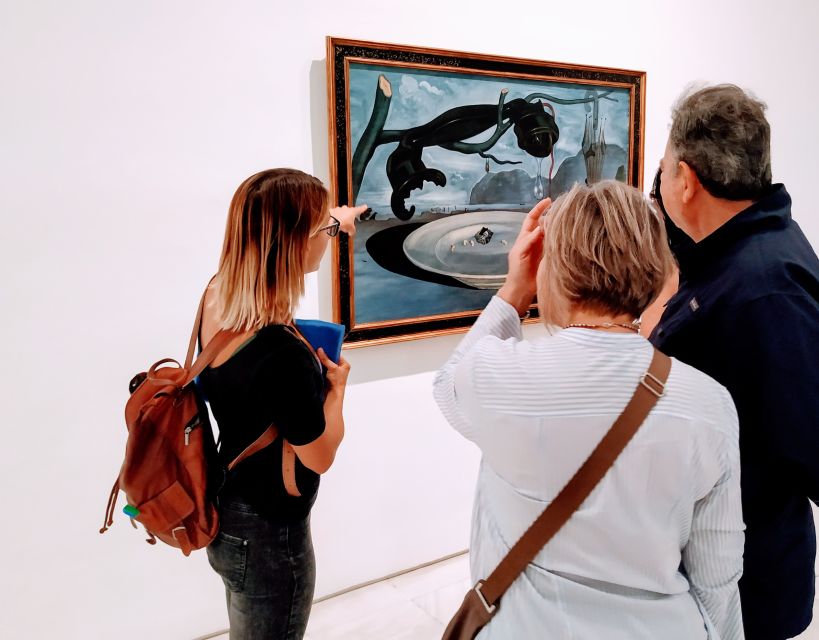
The Reina Sofía doesn’t feel like a museum you tiptoe through. It feels like a place where modern art was meant to be argued with, questioned, and processed. And the tour format helps you do that without turning it into a stressful art scavenger hunt.
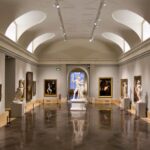
Part of the magic is the setting. The building is beautiful in a very practical way: vaulted spaces, long galleries, and light that changes as you walk. Even before you hit the major works, you’re already getting a sense that this museum was designed for movement, not stillness.
The tour also aims at the heart of why people come. You’re not just admiring famous names. You’re learning how the artists’ choices connect to the art movements—Cubism, Surrealism, modernism, and more—and how those ideas show up in the paintings themselves.
You can also read our reviews of more guided tours in Madrid



The 75-minute sweep: what it covers (and what it doesn’t)
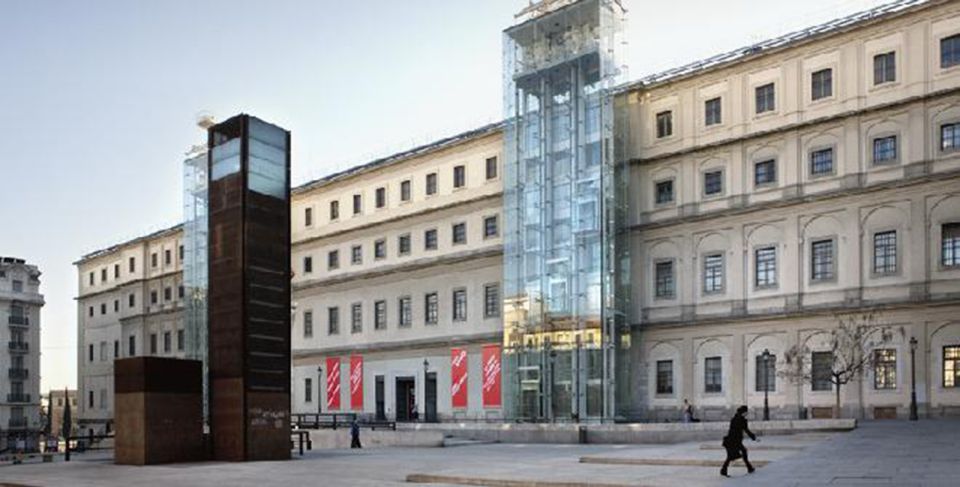
At 75 minutes, this is a guided orientation, not a full-day deep dive. That’s good news if you’re visiting for the first time or if you want structure before you wander on your own. It’s not enough time to master every room, though, so treat it like a strong map and an introduction, not the whole journey.
What makes the timing work is the way the tour is built around the museum’s centerpiece artists. You’ll spend your time on major works by Pablo Picasso, Salvador Dalí, and Joan Miró, plus other important 20th-century pieces that connect the dots. The guide’s job is to keep the story coherent while you’re still fresh.
The most important word here is selected. You’ll see key moments and get the symbolism and technique explained, but you’re not getting full coverage. The value is that you leave with a mental framework, so when you return later (or continue after the tour), things don’t feel random.
Meeting at the museum and getting in quickly
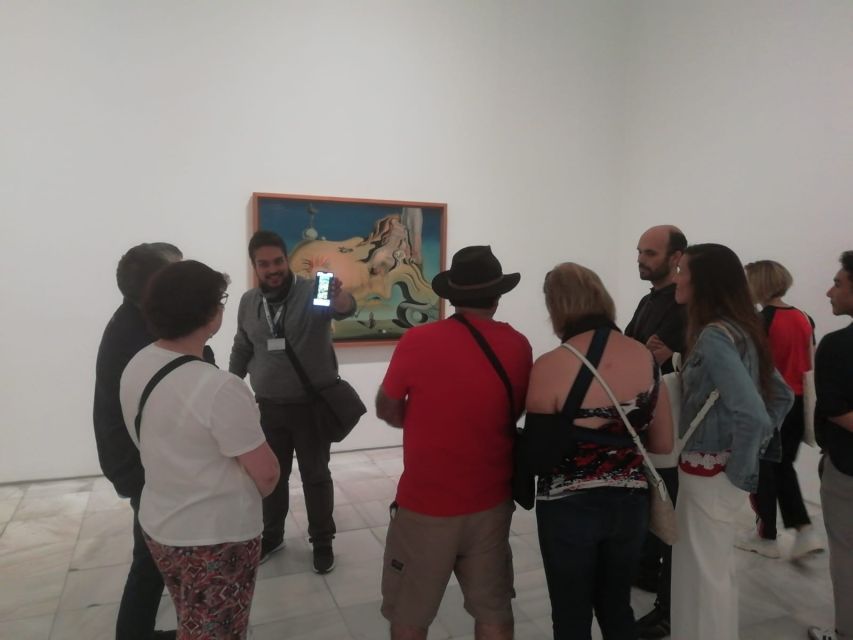
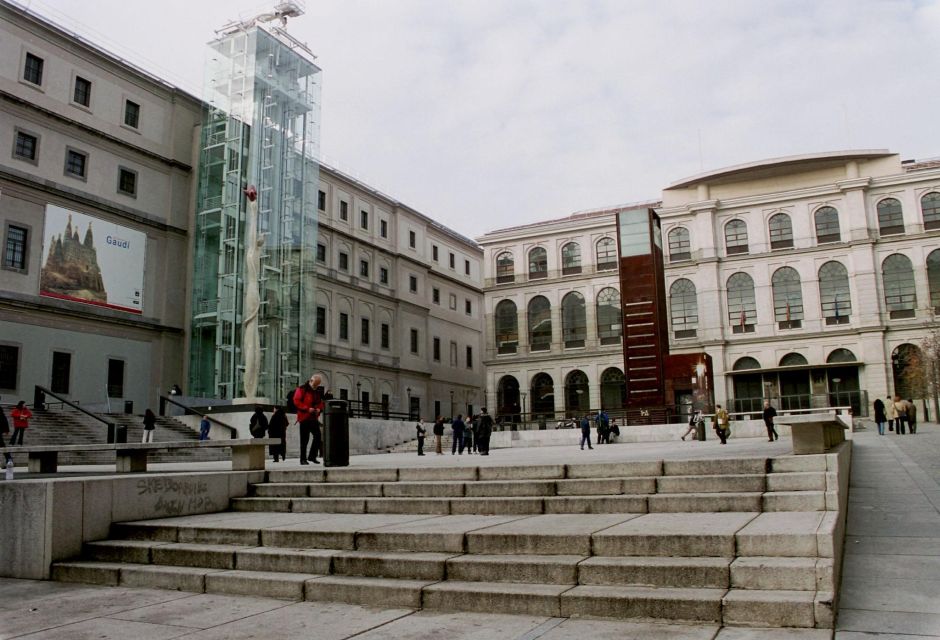
You meet at the Reina Sofía Museum, and the exact meeting point can vary depending on the option booked. What stays consistent is that the tour includes entrance and skip-the-ticket-line, so you’re not stuck in a queue eating up your one hour.
Transportation isn’t included, which matters if you’re planning your day. The museum is in central Madrid, so I’d build this tour around when you already want to be there, not as an afterthought tacked on at the end of a long travel day.
Once you’re inside, the guide takes over the logistics in a good way. You get a path through the galleries that avoids the common problem of walking in circles while modern art stares back at you like a test you didn’t study for.
The tour’s big finale: understanding Picasso’s Guernica
The center of gravity is Picasso’s Guernica, the massive anti-war painting the museum is famous for. The tour doesn’t treat it like a photo stop. It focuses on what it is, why it was made, and what the painting communicates.
You can expect a close look at the mural-sized work, plus explanation of the painting’s history—especially its connection to the real-world violence it responds to. That context is what turns Guernica from dramatic wall art into something you actually feel and understand.
The guide also ties the viewing experience to art technique and symbolism, so you notice more than just the subject matter. Modern masterpieces can be intimidating because they don’t behave like traditional portraiture. Here, you’re shown how Picasso’s style decisions help express shock, grief, and outrage—without you having to be an art historian on the spot.
One practical thing: because this is often positioned as a key endpoint, you’ll want comfortable energy for the final stretch. If you’re the type who needs to pace yourself, plan your earlier museum time so you’re not wiped out when Guernica arrives.
Picasso, Dalí, and Miró: how the guide makes three giants feel connected
This isn’t a buffet of disconnected famous paintings. It’s organized to show how 20th-century art movements play out across artists, even when their styles look nothing alike at first glance.
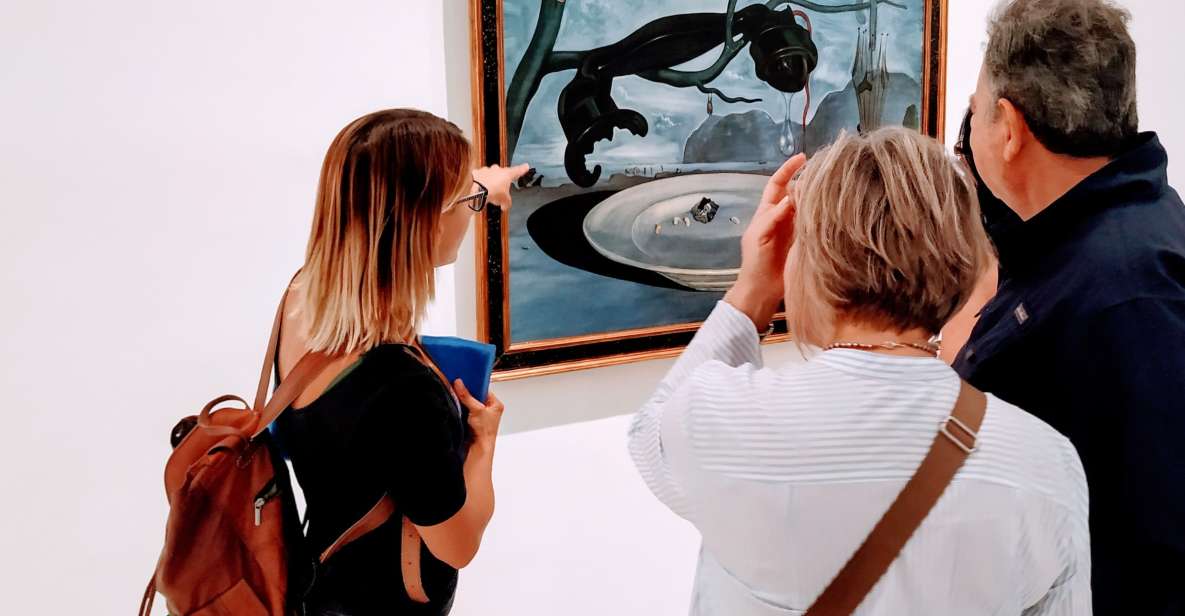
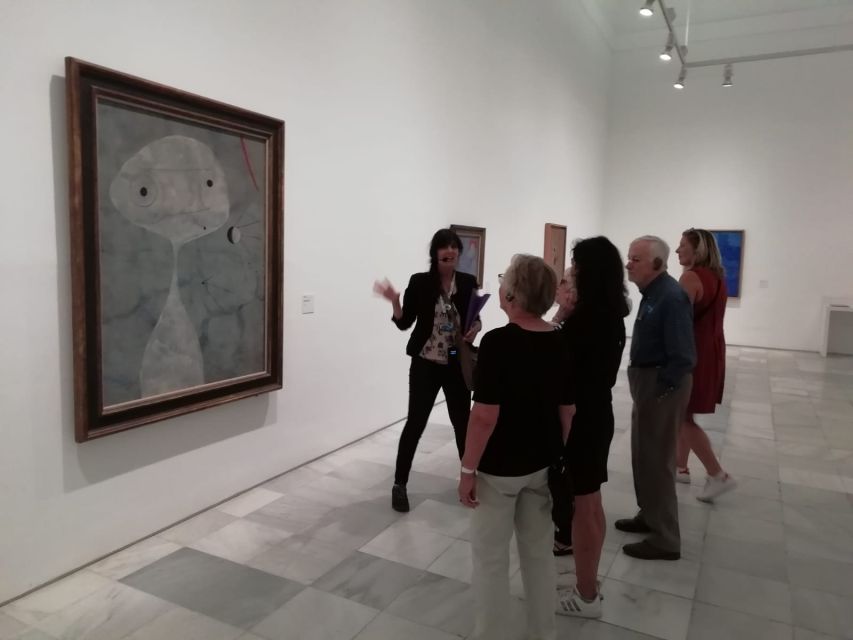
With Picasso, the emphasis is naturally on how modern form can carry modern meaning. With Salvador Dalí, you’ll get guidance on symbolism and technique—especially how Surrealism leans into dream logic and startling imagery. With Joan Miró, the tour helps you interpret the language of form: simplified shapes, playful composition, and meaning that can feel personal but also tied to broader modern ideas.
A big plus is the bilingual delivery. The tour runs simultaneously in English and Spanish, which means you’re less likely to get lost if you miss a phrase. It also creates a lively atmosphere inside the group, since you’re not only hearing one viewpoint about the same work.
I especially like the approach of connecting each painting to why it was made in the first place. When the guide explains technique and symbolism together, you stop thinking of modern art as random. You start noticing the logic the artist used, even when the result looks wildly unfamiliar.
You can also read our reviews of more museum experiences in Madrid


Art movements you’ll spot after the tour
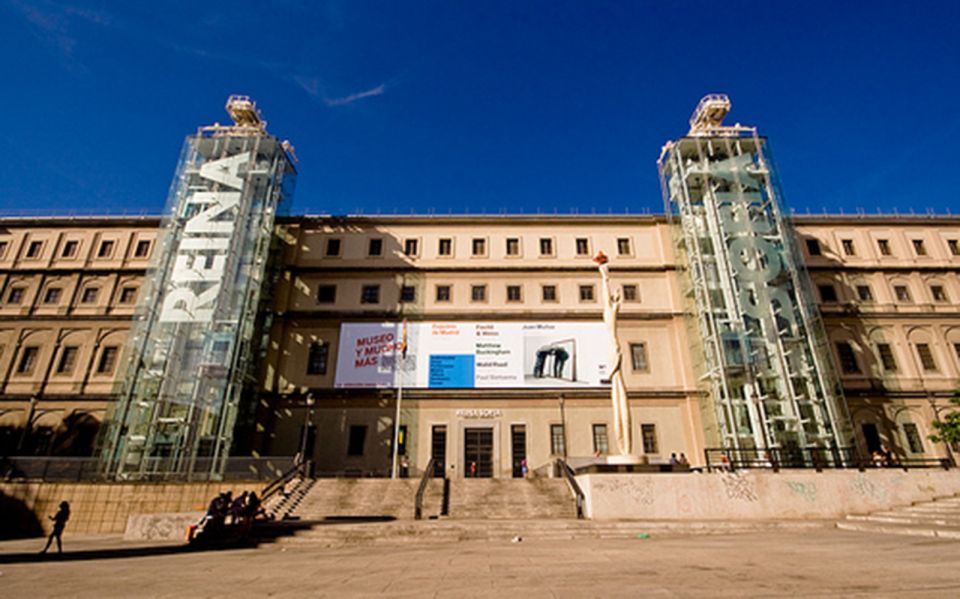
You’ll leave with a better “reading” skill for modern art. The tour explicitly covers movements such as abstract art, Cubism, Surrealism, and modernism, and it does it in a way that’s meant to be practical.
Here’s the payoff: once you understand the basic goals of each movement, many paintings start acting like they belong to the same century. Cubism isn’t just broken faces; it’s an approach to seeing multiple angles at once. Surrealism isn’t only strange creatures; it’s a way to bring subconscious imagery into a public artwork. Modernism is less about a single style and more about breaking away from old rules.
The guide’s explanations of symbolism and art techniques help you connect those concepts to specific works you saw. So later, when you encounter other modern art around Madrid, your brain isn’t blank. You have a vocabulary for what you’re looking at—even if you’re not sure you love it yet.
The building matters: vaulted halls and outside garden views
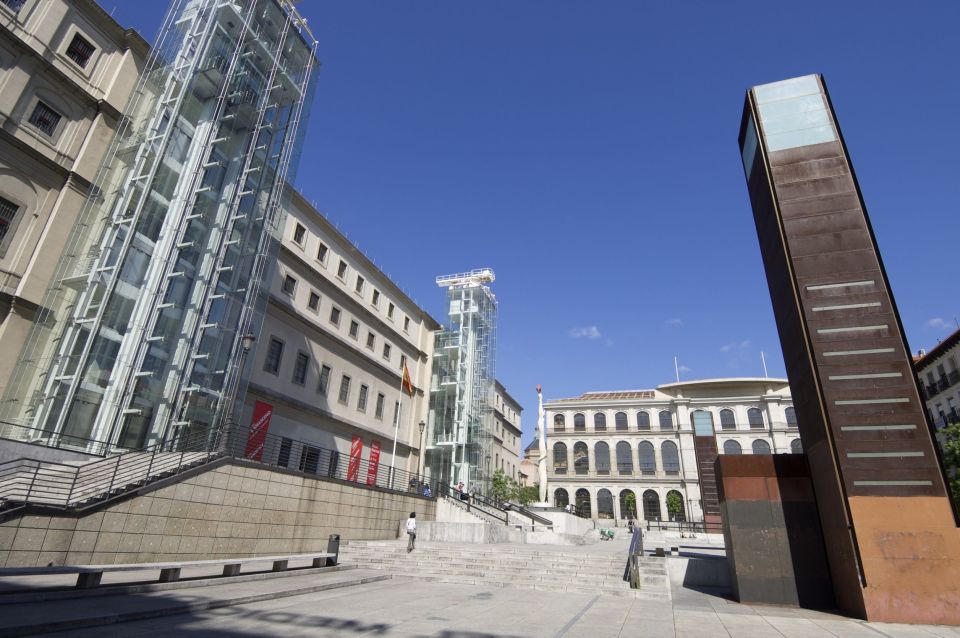
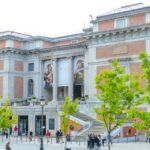
A lot of museum tours ignore the architecture. This one doesn’t. You’ll walk through vaulted hallways, which change the feel of the galleries as you move from room to room. It makes the museum feel less like a checklist and more like a real place.
There’s also time for a walk in the gardens to see the building from outside. That’s not just a nice break. It helps you understand the scale and shape of the complex, and it gives your eyes a reset from screens of paintings.
That outside view is also a reminder that the museum was formerly an elegant hospital building. You don’t need to know the full institutional history to feel the contrast: the building’s older purpose gives the modern art inside a strange, thoughtful tension.
What to do after the guided part ends
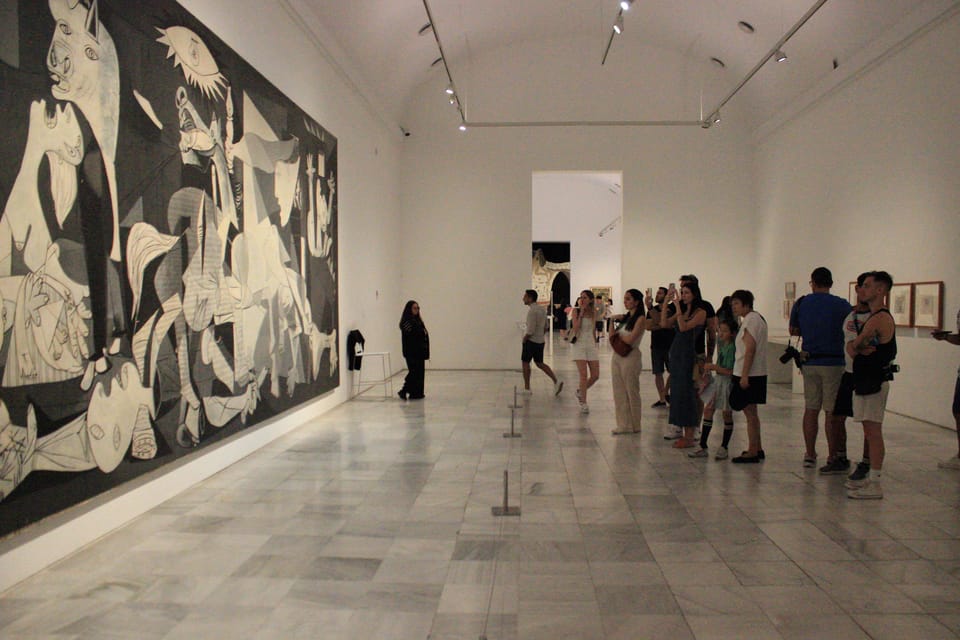
After the tour, you can stay inside the Reina Sofía and continue exploring independently. This is a key detail because modern art rewards lingering. The guide gives you a storyline and a shortlist, and then you choose what to revisit.
If you want the best experience, treat the guided portion as your priority list. Revisit the works that made you curious, not the ones that just looked famous. If Guernica moved you emotionally, you might find yourself looking for other works that carry political or personal weight. If a specific artist felt confusing, the independent time is where you can slow down and really compare details.
Also, the museum includes temporary exhibitions by international artists. That means your afternoon could include more variety than what the guide can cover in 75 minutes. Use the extra time to mix the permanent collection with whatever else is on during your visit.
Value check: is $38 worth it?
$38 per person is a fair price for what you get here, mainly because the tour includes museum entrance plus a professional guide and live commentary in both English and Spanish. Without that, you’re paying for admission anyway, and you’d still need to figure out what to prioritize inside a museum as big as this one.
The time is also part of the value. 75 minutes is short enough to fit into a normal Madrid day, but long enough to build context for the major works. If you’re visiting with limited time, that context can dramatically change how you experience the museum after the fact.
Is it worth it if you’re the type who loves walking alone? You might still find it useful, especially for Guernica. The biggest risk is paying for a guide and then rushing your own experience afterward. If you plan to stay, ask questions, and then revisit the works that stick, the cost tends to feel very reasonable.
Rules to know before you plan photos and bags
This tour is designed for smooth museum flow, so a few restrictions matter:
- No luggage or large bags
- No selfie sticks
- No flash photography
- No tripods
- Some rooms don’t allow photos at all
Even where photography is allowed, you have to take photos without flash and without using stabilization gear. That’s important if your usual routine is filming or steady-camming everything. The museum rules here are strict enough that it’s worth packing lightly and keeping your phone away from any accessories.
Comfort matters too. Bring comfortable shoes, because you’ll be moving through multiple galleries in a relatively short time. If your feet tend to complain early in a museum visit, this is the moment to plan smart footwear.
Who this tour suits best
This guided tour is best for people who want structure without feeling locked into a rigid pace. If you’re curious about modern art but don’t want to guess your way through it, the guide’s explanations of symbolism, technique, and movements are a real help.
It also fits well if you’re coming to the Reina Sofía primarily for Picasso’s Guernica and want the emotional impact paired with context. You’ll still have room to wander afterward, so you don’t end your visit with only a scripted experience.
If you hate group tours, you might find the pacing a little too “on rails.” And if you’re aiming to photograph extensively, the restrictions could annoy you. But if your goal is understanding and meaningful looking, this format is a strong match.
Should you book this Reina Sofía guided tour?
Book it if you want a fast, guided path to the museum’s most important 20th-century works, especially if you want Guernica explained with real context. The bilingual format is a plus, and the fact that you can stay after the tour makes it easier to turn a highlight visit into your own personal museum time.
Skip it if your priority is total freedom from start to finish, or if photography is central to how you experience museums. The tour’s photo rules are clear, and the 75 minutes won’t cover everything for people who want long, slow gallery time from the very beginning.
If you’re trying to make the most of one Madrid day and you want your modern art viewing to feel guided and meaningful, this is a smart way to start.
FAQ
How long is the Reina Sofía museum guided tour?
The guided tour lasts 75 minutes.
How much does the tour cost?
The price is $38 per person.
What’s included in the price?
The tour includes entrance to the Reina Sofía Museum, a professional guide, a guided tour with live commentary in English and Spanish.
Does this tour skip the ticket line?
Yes. It includes skip-the-ticket-line admission.
What languages are used during the tour?
The live tour guide provides commentary simultaneously in Spanish and English.
Is the tour wheelchair accessible?
Yes, the museum and this experience are wheelchair accessible.
Are photos allowed during the tour?
Photography inside is not allowed in some rooms. In rooms where photos are allowed, photos must be taken without flash and without using camera stabilization like selfie sticks or tripods.